2027 Choosing an Online BA in Psychology - Mental Health Around A Course Sequence with Limited Annual Offerings
Audited and Verified:
Our Editorial and Data Verification Process
Research.com uses government datasets, official education statistics and primary institutional information to support its career and degree guides. Our review process checks factual accuracy, occupational definitions, source dates and the requirements associated with the credentials discussed.
How This Article Was Fact-Checked
Our editorial team verifies salary estimates, employment projections, education requirements and program information against original data providers and official organizations. Salary figures are checked against the relevant occupational definitions and reporting periods. Information about licensure, accreditation and required in-person training is reviewed separately.
Fact-checked and verified on:

Co-Founder and Chief Data Scientist
An online psychology BA can fit around work and other commitments - until a required mental health course runs only once a year. Missing that course may also delay everything that follows it. This guide is for prospective and returning students comparing programs with limited annual offerings.
It explains how to read a course sequence, test an advertised completion timeline, and account for the academic and financial consequences of a missed term. You'll leave with specific questions to put to an advisor before you enroll.
Key Things You Should Know
- A required course offered once annually can delay graduation by up to a year if it is a prerequisite for later courses and no approved alternative is available.
- Request a term-by-term plan showing prerequisites, actual online offerings, transfer-credit application, and a fallback if a course is full or canceled.
- A mental health focus provides academic preparation, not a therapy license; judge the extra time and cost against the nonclinical work or further education you want.
What Is an Online BA in Psychology With a Mental Health Focus?
It is an undergraduate psychology degree that combines general psychology requirements with coursework on mental health-related topics.
Depending on the school, "mental health" may be an officially recorded concentration, a set of electives, or simply a description of the curriculum. Those distinctions matter: an elective does not automatically appear as a specialization on a transcript.
Look beyond the label. Compare the number of required courses in the focus, whether they are available online, and whether they build skills you need in research, service systems, or nonclinical support. A broader major may offer more scheduling flexibility if specialized courses run infrequently.
When comparing psychology major options at online colleges, ask each school for its current catalog and a schedule for the terms you expect to attend.
Is an Online Psychology Degree Accredited and Recognized?
Check the institution's accreditation with its accreditor and confirm that it applies to the university awarding the online BA. Then check the catalog for the exact degree and any formal concentration.
Institutional accreditation does not verify that a particular course will be offered when you need it, that credits from another school will satisfy the major, or that the BA meets professional licensing requirements.
Do not reject a general psychology BA because it lacks APA accreditation: APA accreditation applies to specified professional psychology training programs, not general undergraduate psychology majors.
The same distinction matters when reviewing an online forensic psychology degree selection guide or another specialty. Verify what is accredited, who awards the degree, and what the credential actually qualifies a student to pursue.
What Careers Can You Pursue With a Mental Health Psychology Bachelor's Degree?
The BA may support applications for nonclinical positions such as behavioral-health program assistant, intake coordinator, community outreach worker, research assistant, or case-coordination support staff. Actual duties and hiring requirements vary.
Employers may value documented experience with referrals, records, research, or community services more than the concentration name alone.
For a student considering justice or victim-services work, understanding pay and entry requirements in forensic psychology careers can help separate support roles from positions requiring advanced credentials.
Regardless of specialty, ask whether an online program helps students find supervised, nonclinical experience locally, and whether any placement has fixed daytime hours. Neither coursework nor a support-role internship authorizes diagnosis or therapy.
A sequence typically starts with introductory psychology and general education, then moves through statistics and research methods into upper-level psychology courses.
Mental health-related study might include developmental psychology, psychopathology, health psychology, or substance-use topics. A capstone may require earlier methods coursework. "Included" and "offered every term" are different claims: verify both in the catalog and the planned course schedule.
The comparison below shows where scheduling risk commonly appears. It is a framework for reading a program's requirements, not a claim that every BA uses this sequence:
| Course group | Typical role in the degree | Potential bottleneck |
| Statistics and research methods | Builds the basis for evaluating evidence and completing advanced work | Methods may require statistics first |
| Mental health-focused courses | Develops subject knowledge about disorders, prevention, or services | A required specialty course may run once annually |
| Capstone or applied project | Integrates prior study within the student's permitted academic role | May require senior standing or completion of specific courses |
If substance-use services are your specific goal, compare the sequence with low-cost substance use counseling undergraduate degree pathways. Check your state's credential rules separately; studying addiction does not itself qualify you to provide counseling.
A once-a-year offering creates a bottleneck when the course is required and must precede another requirement. For example, if a hypothetical fall-only course is a prerequisite for a spring course, missing the fall offering could push that pair into the following academic year.
The delay depends on whether the school approves another section, a substitution, or a different order, not merely on the number of credits remaining.
Before enrolling, get the sequence in writing from an academic advisor or degree-completion office. These checks reveal whether the published timeline is workable for your starting point:
- Obtain a degree audit showing which accepted credits satisfy general education, major, prerequisite, and residency requirements.
- Mark each remaining course by prerequisite and by the terms in which its online section is scheduled.
- Ask whether required sections have capacity limits, live attendance, campus visits, or approved alternatives.
- Have the advisor model a missed or canceled annual offering and identify who can authorize a substitution.
For students balancing employment or caregiving, a faster advertised format is useful only if its fixed sessions and course order are feasible. Compare that reality with shorter undergraduate psychology study pathways; "accelerated" does not remove prerequisite or availability constraints.
First-time and transfer applicants may face different application and transcript requirements. Admission to the university also may not settle admission to the major or the application of previous coursework.
A returning student should submit transcripts early and request a formal evaluation of statistics, psychology, and general education courses before relying on a proposed graduation date. The school has final authority over equivalencies and substitutions.
Keep the admissions decision separate from the funding decision. If you are comparing a psychology BA with a substance-use-focused undergraduate route, resources on reducing undergraduate substance abuse counseling tuition through aid may help frame funding questions.
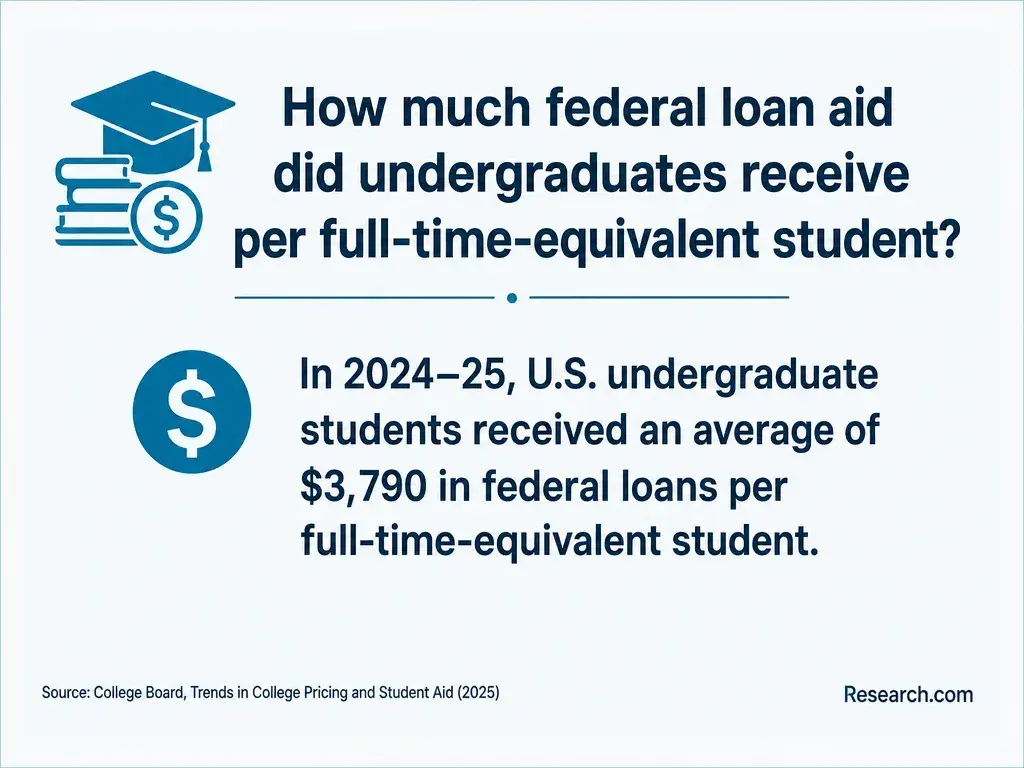
Confirm your own aid eligibility, enrollment requirements, and the effect of a delayed or reduced-credit term with the school's financial aid office.
There is no reliable completion estimate without knowing the credits that apply to requirements, the pace you can sustain, and the dates of required offerings.
A student may have enough accepted credits to appear close to graduation yet still need several terms if methods, specialty courses, and a capstone must be taken in order. Part-time study can make this constraint more significant.
Request two projected graduation dates: one assuming you secure every planned course, and one assuming you miss the least frequently offered prerequisite.
If you are also considering comparing one-year forensic psychology master's formats for a later stage, do not treat that graduate timeline as a substitute for finishing an undergraduate degree or meeting the master's admission requirements.
Start with the school's published tuition and mandatory fees for your enrollment status, then calculate the cost of courses you still need, not every credit the school accepts.
Include books or software, any required travel or placement costs, and charges that may continue during an extra term. Ask whether a lighter schedule caused by an annual offering changes your aid eligibility or household budget.
A useful comparison is total remaining cost to completion under each school's written course plan. A lower per-credit price may not be cheaper if it requires repeated coursework or an additional term.
If a future master's is part of your goal, review affordable MA and MS psychology programs online as a separate potential expense; a BA-focused cost estimate should not quietly assume graduate study is included or necessary.
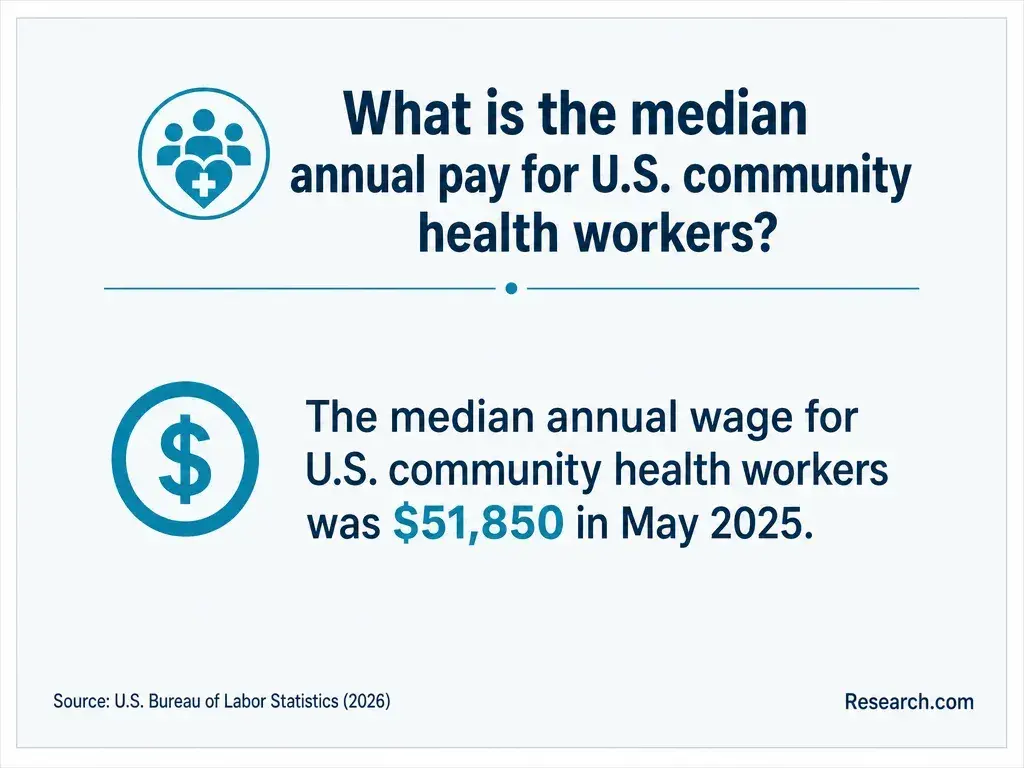
There is no single salary for holders of a psychology BA. Pay depends on the occupation, location, employer, and experience; an occupational median is not an expected starting salary or a reported outcome for graduates of a particular concentration.
For a credible estimate, identify jobs you could actually apply for, check their stated qualifications, and compare local postings with the matching occupation in the U.S. Bureau of Labor Statistics Occupational Outlook Handbook.
If your long-term target is licensed counseling, compare the added education and supervised-training expense with the occupation's pay rather than attributing counselor earnings to a BA.
A discussion of mental health counseling graduate study costs versus earnings addresses that distinct investment. For the immediate BA decision, an annual-course delay matters most if it postpones entry into your target job or increases costs without improving your qualifications for it.
Does a Psychology Bachelor's Degree Qualify You for Mental Health Licensure?
No. A psychology BA with a mental health focus does not by itself qualify someone to diagnose conditions, provide psychotherapy independently, or practice as a licensed psychologist or counselor.
Requirements depend on the specific profession and state and commonly involve an appropriate graduate professional program, supervised experience, and examination.
Even an accelerated online master's degree in psychology should not be assumed to meet counseling or psychology licensing requirements merely because it covers mental health topics.
Before choosing a course sequence for a licensed-career goal, identify the exact license and state, then compare the state board's educational rules with the intended graduate program.
If your goal is nonclinical outreach, coordination, or research support instead, judge the BA on its relevant coursework, experience opportunities, schedule, and total cost.
Other Things You Should Know About Psychology
Possibly, but obtain written approval before registering. Your school must decide whether the course meets the specific major requirement and whether transfer or residency limits apply.
Contact your advisor promptly about another section, an authorized substitution, or a revised degree plan. A course appearing on a projected schedule is not a guarantee that it will run.
Often, subject to school policy. Request a new degree audit first: switching may free up a bottleneck course but add different requirements or change what appears on your transcript.
Not without checking the consequences. Ask advising and financial aid staff whether a leave affects your catalog requirements, enrollment status, aid, or access to the next course.
- School-Determined Requirements | 2024-2025 Federal Student Aid Handbook https://fsapartners.ed.gov/knowledge-center/fsa-handbook/2024-2025/vol1/ch1-school-determined-requirements
- Rule 3357:15-13-25 | Transfer and articulation. - Ohio Laws https://codes.ohio.gov/ohio-administrative-code/rule-3357:15-13-25
- Recommended Course Sequence | Texas Higher Education Coordinating Board https://www.highered.texas.gov/data-submission-reporting/recommended-course-sequence/
- Undergraduate Policies and Procedures | The University of Texas at Dallas https://catalog.utdallas.edu/2025/undergraduate/policies/course-policies
- Online Bachelor of Arts in Psychology (BA) - apu.apus.edu https://www.apu.apus.edu/online-bachelor-degrees/bachelor-of-arts-in-psychology/
- Online Program Exclusions | In-Person Components | Military Affairs https://www.liberty.edu/online/exclusions/
- General Psychology | Online Bachelor's Degree | Capella University https://www.capella.edu/online-psychology-degrees/bs-psychology-program/bachelors-general-psychology/
- Online Psychology, BS | UCF Online https://www.ucf.edu/online/degree/psychology-b-s/
- Enrolling in Classes - Academic Advising at UW-Madison https://advising.wisc.edu/enrollment-resources/
- Credit for Prior Learning - The City University of New York https://www.cuny.edu/academics/academic-policy/credit-prior-learning/