2027 Choosing an Online BA in Psychology - Addictions Around Anxiety About Live Class Presentations

Co-Founder and Chief Data Scientist
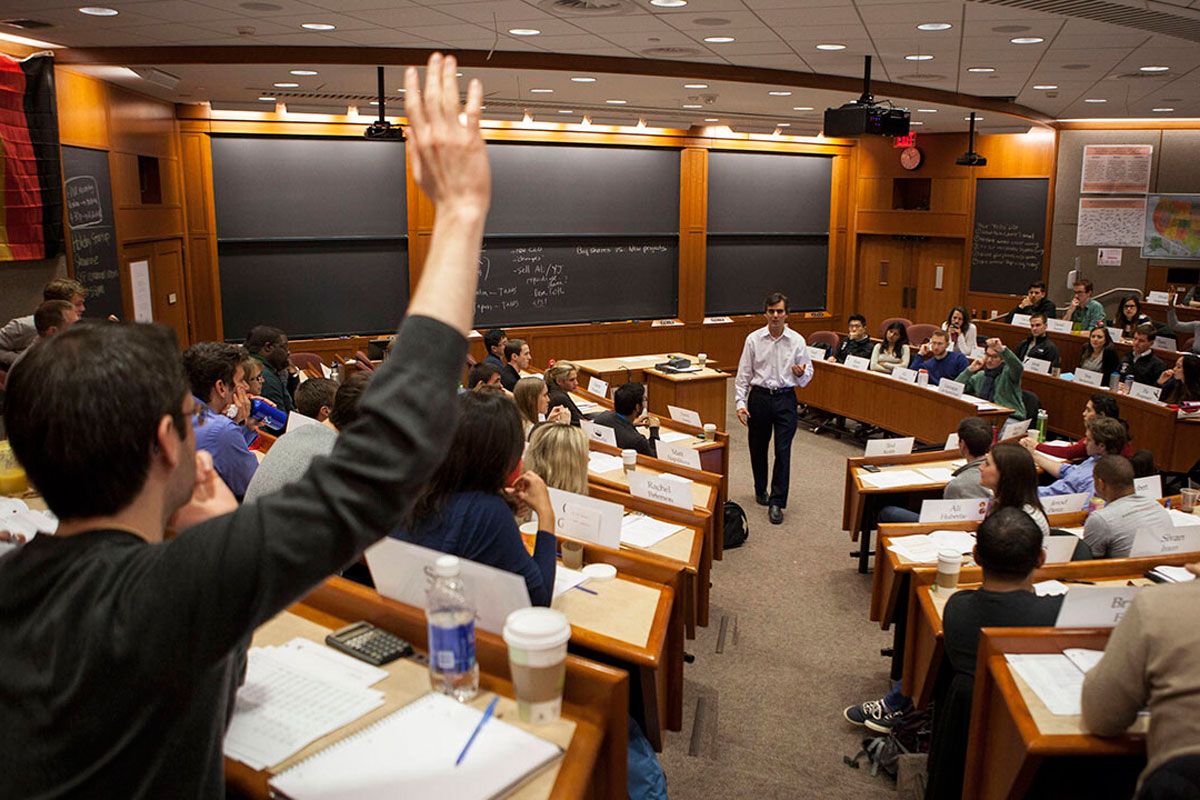
An online BA in psychology may look like a good fit for studying addiction without attending campus, but "online" does not mean presentation-free. A course might require a live video presentation, a recorded talk, or group work. If live presentations cause anxiety, those differences can determine whether a program is workable.
This guide is for prospective and returning students who want an addictions focus and need to evaluate communication requirements before enrolling. It explains how to compare formats and support policies while weighing the degree's cost and career value.
Key Things You Should Know
- An asynchronous program can still require live presentations. Check required-course syllabi and ask whether an approved alternative is available; do not rely on the program's "online" label.
- A psychology BA with addictions coursework teaches about substance use and recovery but does not, by itself, qualify a graduate to diagnose conditions or provide addiction counseling.
- A bachelor's degree commonly requires about 120 semester credits, but transfer evaluations, course schedules, and presentation requirements - not the advertised format alone - determine your practical path to completion.
What Is an Online BA in Psychology With an Addictions Focus?
It is a bachelor of arts degree in psychology that includes study of substance use, addiction, prevention, or recovery. The addictions component may be an officially named concentration, a minor, or simply a selection of electives. Those distinctions matter: a few relevant courses do not necessarily appear as a specialization on a transcript.
For someone concerned about presentations, compare the requirements of the actual psychology major and addictions courses, not just the program's description. Also compare the degree with a substance abuse counseling bachelor's program if your aim is a specific counseling credential. The cost and duration of substance abuse counseling bachelor's degrees are useful comparison points, but neither degree title substitutes for checking your state's credential rules.
How Can an Online Psychology Degree Accommodate Anxiety About Live Presentations?
Start by separating asynchronous lessons from asynchronous assessment. Recorded lectures may be available anytime while a required speech, group meeting, or capstone defense still happens live. Anxiety about presenting does not mean you must rule out the degree; it does mean you need answers about required work before committing.
The formats below offer different levels of scheduling control. None guarantees an exemption from demonstrating communication skills.
| Assessment format | Likely experience | Potential trade-off |
| Live video presentation | Present at a scheduled time, possibly with questions | Least scheduling flexibility; real-time interaction |
| Recorded presentation | Prepare and submit a video or narrated slides | More control over timing, but still requires presenting |
| Written or visual communication assignment | Explain findings through a paper, poster, or similar work | May be available in some courses or as an approved alternative, not automatically |
Request recent syllabi for required research methods, addictions, and capstone courses. Ask the program coordinator which presentations are live, whether attendance is graded, how group projects meet, and whether alternative sections exist. For a broader format comparison, use an online psychology degree selection guide, then confirm details with each institution.
If anxiety substantially affects your access to coursework, contact the school's disability services office before enrollment. Ask about its documentation process and possible accommodations, such as a different presentation format or adjusted conditions. The office - not an informal promise from admissions - determines approved accommodations under institutional procedures. An accommodation may change how you demonstrate a learning outcome without removing an essential requirement. If presenting is a skill you want to build, you can also ask whether recorded, smaller-group, or scaffolded assignments provide a manageable progression.
Is an Online Psychology Bachelor's Degree Accredited?
Accreditation is primarily a question about the institution awarding the BA. Verify its current institutional accreditation through the school's published information and the accreditor's directory, including whether it applies to the campus or institution offering your online degree. Then confirm that the named BA and any advertised addictions concentration are actually offered to online students.
Do not expect American Psychological Association accreditation for a general psychology bachelor's degree; APA accreditation applies to specified professional psychology training programs, not ordinary BA majors. Institutional accreditation also does not establish addiction counselor licensure eligibility. If you may later pursue counseling, check the recognition and state requirements of that separate graduate program. Resources on accredited clinical counseling timelines for working students concern a different credential pathway, not accreditation of the BA.
Expect a psychology foundation - such as developmental, social, biological, and abnormal psychology - alongside statistics and research methods. Addiction-related offerings may address substance use across the lifespan, prevention, treatment systems, recovery, and the social contexts of addiction. Course names and availability vary, so distinguish required courses from electives offered only periodically.
For this particular decision, examine how courses assess learning. A methods course might use a research poster; an addictions seminar might use a case-study discussion; a capstone might require a live defense. Studying screening, diagnosis, or treatment in class does not authorize a student to perform those clinical tasks. A bachelor's-level addiction psychology program guide can help identify programs to investigate, but current catalog requirements and syllabi should control your comparison.
First-year applicants typically submit evidence of secondary-school completion; transfer applicants generally provide transcripts from colleges attended. Schools set their own GPA, general-admission, and major-entry rules. Admission to the university is not always the same as admission to a particular psychology major or concentration.
If you have prior credits, request an official degree audit showing which courses satisfy general education, psychology, statistics, research methods, and remaining residency requirements. A course can transfer as elective credit without replacing a required psychology course. A guide to college credit evaluation for psychology majors can help you prepare questions, but only the receiving institution can approve your credits. Ask for the audit before estimating your remaining cost or exposure to required presentation-based courses.
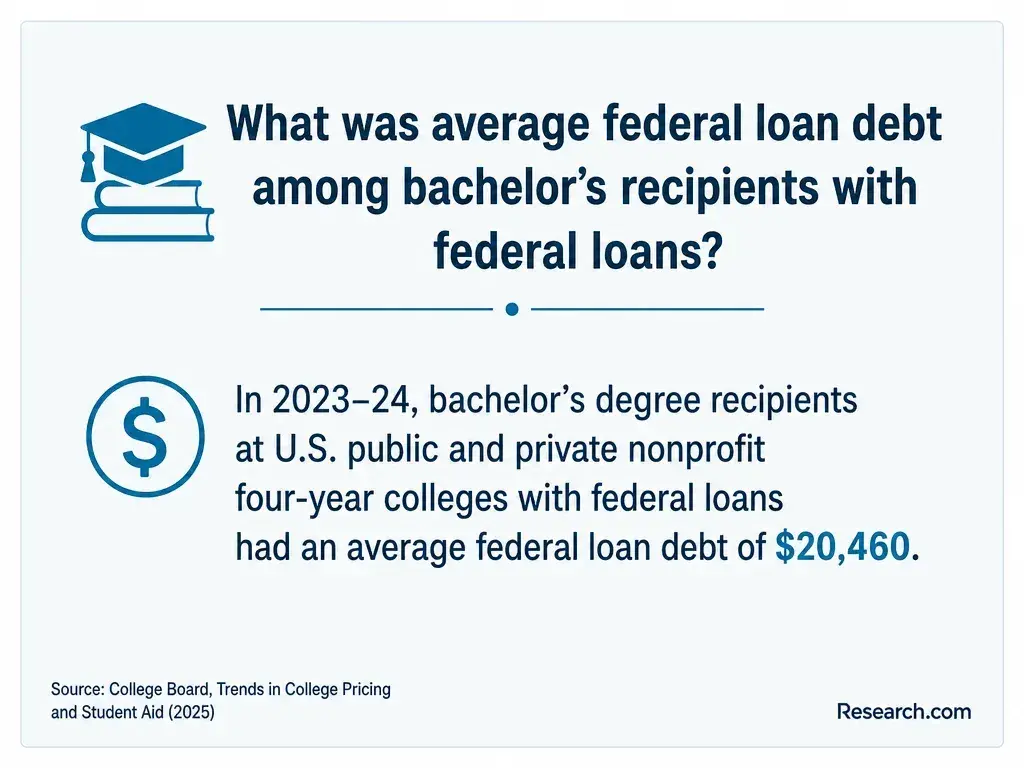
A bachelor's degree commonly comprises about 120 semester credits, often planned over four years of full-time study. Your timeline depends on accepted credits that apply to degree requirements, enrollment pace, prerequisite sequencing, and how often required courses run. Part-time study can make weekly work more manageable while extending completion time.
Ask for a term-by-term plan that identifies courses with live meetings and any capstone or placement obligations. This is especially important if you hope to complete presentations in a particular format or section. Do not confuse an accelerated graduate option with a shortcut through undergraduate requirements: forensic psychology master's course sequencing for faster completion, for example, addresses a different degree and specialty.
There is no reliable single price for this degree. Compare each school's current tuition basis - per credit, term, or program - plus mandatory online fees, textbooks, technology, and any travel or unpaid placement costs. Request a cost estimate based on your remaining degree requirements, not the price of a hypothetical full program.
Compare psychology degree options with lower tuition against course availability and support services. A less expensive program may be a poor fit if its required live presentations are inaccessible to you, or if infrequent courses extend enrollment. Ask financial aid staff how part-time enrollment, transfer credits, and satisfactory academic progress affect your aid; do not assume a presentation accommodation changes tuition or aid eligibility.
Depending on the employer and your experience, the BA may support applications for nonclinical work in recovery organizations, community outreach, program support, intake coordination, or research assistance. Such jobs can involve explaining resources, arranging referrals, documenting services, or assisting with data collection - not independently diagnosing or treating substance use disorders.
Build evidence for the work you want: supervised experience, clear writing, respectful communication, confidentiality practices, and the ability to interpret research are more persuasive than a concentration name alone. If live presentations are difficult, look for appropriate ways to practice communicating findings without assuming every job will be presentation-free. A student drawn instead to legal-system research or victim services should evaluate that separate specialty carefully; one-year graduate forensic psychology program planning is not an addiction-career qualification.
There is no single salary or employment-growth figure for "addictions psychology BA graduates." Pay depends on the actual occupation, location, employer, duties, experience, and any required credential. For US comparisons, consult the Bureau of Labor Statistics Occupational Outlook Handbook entry for the specific job you are considering. Its occupational median describes workers in that occupation, not starting pay or outcomes for graduates of a particular program.
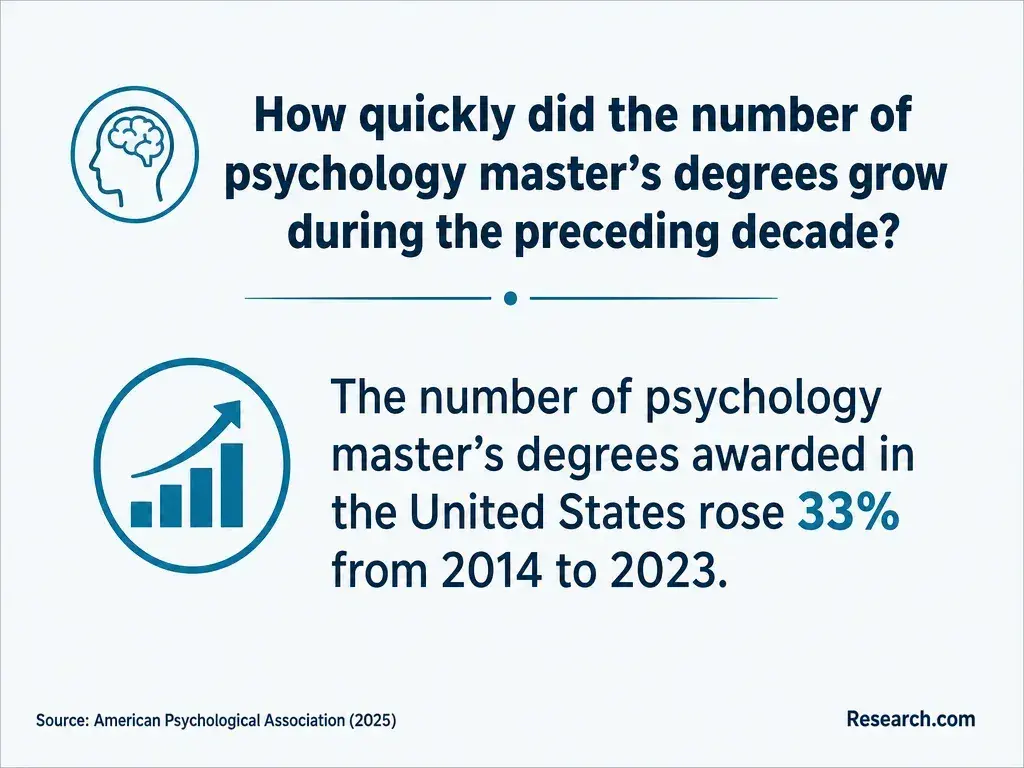
Compare job postings in your area before paying for additional education: note whether they require a bachelor's degree, supervised experience, a state addiction credential, or a qualifying graduate degree. If graduate study is genuinely necessary for your target role, compare its additional cost - including low-cost master's degrees in psychology - with its actual credential relevance. A lower-cost general psychology master's is not necessarily a route to licensed counseling work.
Do Addiction-Related Psychology Careers Require Licensure or Certification?
Requirements depend on the job and state. Nonclinical outreach or program-support roles may not require a professional license, although employers can require training or background checks. Addiction counseling titles and permitted duties may be regulated through state-specific education, supervised-experience, examination, and certification or licensure rules. Peer-support credentials can have their own requirements. A psychology BA with addictions coursework does not automatically satisfy any of them.
Before choosing a program, find your state's credentialing authority, identify the exact title you want, and ask whether the proposed coursework and any supervised experience count toward its requirements. If your goal is psychotherapy, investigate a qualifying professional pathway rather than assuming a psychology concentration is enough. Accelerated master's study in clinical mental health counseling may be relevant to that different goal, but verify the program's state eligibility and required supervised training before applying.
Other Things You Should Know About Psychology
Usually, your essay should focus on your academic interests and preparation. You can ask about course formats and accessibility procedures separately; contact disability services for confidential guidance about an accommodation request.
Check the course rules first. Remove classmates' images, voices, comments, and any confidential case information unless you have the necessary permission. A version using your own slides and public sources may be more suitable.
Ask how groups schedule meetings, whether participation can occur through shared documents or messages, and which activities must happen live. Clarify those expectations before the course begins rather than relying on classmates to make an informal exception.
Yes. Student support or a qualified health professional may help you develop a plan for managing anxiety. Academic accommodations and personal support serve different purposes, and neither requires you to treat difficulty presenting as a lack of ability to study psychology.
- Behavioral Health Career Descriptions | samhsa.gov https://www.samhsa.gov/about/careers/behavioral-health-workforce/careers-by-state/descriptions
- Accreditation in the U.S. | ed.gov http://www.ed.gov/laws-and-policy/higher-education-laws-and-policy/college-accreditation/accreditation-in-the-us
- ADA Requirements: Testing Accommodations https://www.ada.gov/resources/testing-accommodations/
- What Does Asynchronous Mean? A Simple Guide to Online Learning Formats - Professional Development at Charlotte https://professional.charlotte.edu/what-does-asynchronous-mean-a-simple-guide-to-online-learning-formats/
- Online Psychology Degrees | Bachelor's (BA) Programs https://www.snhu.edu/online-degrees/bachelors/ba-in-psychology
- Psychology BA Online - Colin Powell School - CUNY https://colinpowellschool.ccny.cuny.edu/undergraduate-majors/psychology-ba-online/
- Bachelor of Arts in Psychology - Online Program | CSULB CPaCE https://www.cpace.csulb.edu/courses/bachelor-of-arts-in-psychology
- Academic Accommodations for Students with Psychiatric Disabilities - DO-IT https://doit.uw.edu/brief/academic-accommodations-for-students-with-psychiatric-disabilities
- Online Presentations - Students | Wharton Knowledge Base https://support.wharton.upenn.edu/help/online-presentations-students
- Directory of Addiction Study Programs (DASP) | icuddr.org https://icuddr.org/education/directory-of-addiction-studies-programs/