2027 Online BA in Psychology - Mental Health vs. a BA in Family Studies: Compare Curriculum, Cost, and Career Fit
Audited and Verified:
Our Editorial and Data Verification Process
Research.com uses government datasets, official education statistics and primary institutional information to support its career and degree guides. Our review process checks factual accuracy, occupational definitions, source dates and the requirements associated with the credentials discussed.
How This Article Was Fact-Checked
Our editorial team verifies salary estimates, employment projections, education requirements and program information against original data providers and official organizations. Salary figures are checked against the relevant occupational definitions and reporting periods. Information about licensure, accreditation and required in-person training is reviewed separately.
Fact-checked and verified on:

Co-Founder and Chief Data Scientist
An online BA in Psychology-Mental Health and a BA in Family Studies can both lead toward human-services work, but they prepare students to study different problems. One emphasizes psychological science and mental-health systems; the other centers on families, relationships, and development in context. For students balancing college costs with a specific career goal, that distinction matters more than the degree title alone. This comparison shows what to look for in courses, applied experience, total cost, and future credential requirements so you can choose the route that fits your intended work.
Key Things You Should Know
- Choose Psychology-Mental Health for stronger preparation in psychological research and mental-health topics; choose Family Studies for deeper preparation in family development and family-serving programs. Neither BA qualifies you to provide psychotherapy.
- Compare the courses and approved fieldwork you will actually complete - not just concentration names. Transfer-credit decisions, placement schedules, and required fees can change both cost and graduation time.
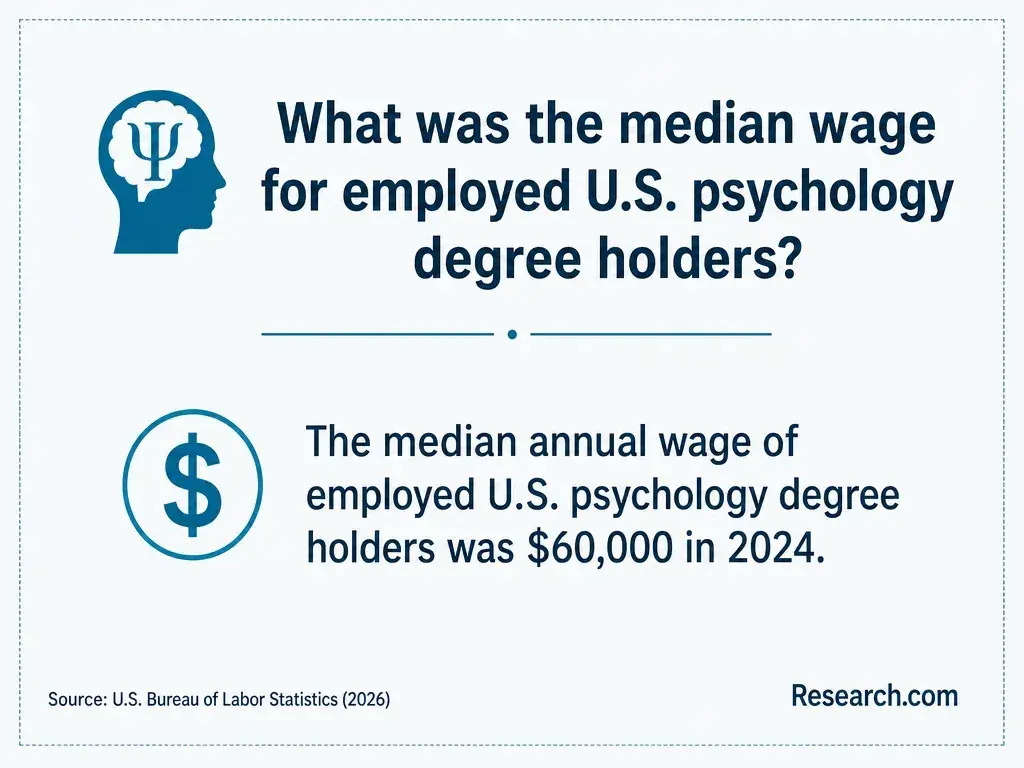
- For context, the U.S. Bureau of Labor Statistics reported a $41,410 median annual wage for social and human service assistants in 2023; that occupation-wide figure is not a starting-salary estimate for either major.
What is the difference between an online BA in Psychology-Mental Health and a BA in Family Studies?
A Psychology-Mental Health BA generally starts with psychology as a research discipline, then adds coursework on mental-health conditions, prevention, or services. A Family Studies BA generally examines family relationships, development, and the social systems affecting children and adults. The exact degree and concentration names vary by school: "mental health" might be a formal concentration, a set of electives, or simply a program theme.
The distinction is clearest when you consider the question you want your coursework to help you answer. Psychology might ask how behavior is measured and how evidence supports a mental-health intervention. Family studies might ask how family relationships, caregiving demands, or community resources shape a household's needs. Both perspectives can inform nonclinical support work; neither makes a graduate a therapist. When comparing online psychology programs and academic pathways, check the awarded major and required courses rather than relying on the advertised focus.
Which degree offers the better career pathway in mental health and human services?
Psychology-Mental Health is usually the closer academic fit for someone seeking research support, behavioral-health outreach, or a later graduate program that expects psychology methods coursework. Family Studies is usually the closer fit for family resource programs, parent education, youth services, or community work organized around households. Employers may accept either major for entry-level support positions, but they can also require relevant experience, background checks, or a specific credential.
Let the target job - not the broad phrase "helping people" - control the choice. For example, a student interested in substance-use recovery outreach should compare the actual addiction, referral, and community-service courses with those in addiction psychology bachelor's degree planning. State rules may separately govern addiction-counselor or peer-support credentials. If your goal is licensed clinical work, investigate the qualifying graduate degree and supervised practice first; either BA is preparation for that longer pathway, not its endpoint.
How do the curricula compare between Psychology-Mental Health and Family Studies programs?
Course titles overlap, especially in development and community services. This table shows the differences to test against each school's required course list; it does not describe a universal curriculum.
| Curricular feature | Psychology-Mental Health BA | Family Studies BA |
| Core lens | Behavior, cognition, psychological development, and research evidence | Family relationships, lifespan development, and social or community context |
| Methods | Often includes statistics and psychological research methods | May include research methods, needs assessment, or program evaluation; depth varies |
| Focused subjects | May cover psychopathology, health psychology, or mental-health services | May cover parenting, family policy, child development, or family resource systems |
| Applied learning | May offer research projects or supervised nonclinical service experience | May offer family-serving agency projects or supervised fieldwork |
A course about diagnosis or counseling teaches about those subjects; it does not authorize their practice. Also check whether statistics, an internship, and specific electives are required or merely available. That distinction matters across specialized majors: forensic psychology degree program quality checks, for example, apply the same test to a different concentration label.
Start by confirming that the institution holds recognized accreditation and that it applies to the online degree you intend to earn. Do not assume a BA in psychology needs, or has, American Psychological Association accreditation; APA accreditation covers particular professional psychology training programs, not general bachelor's majors. Accreditation of a university also does not establish eligibility for a state clinical license.
Neither BA alone qualifies a graduate to diagnose mental-health conditions or provide psychotherapy. If your eventual goal is counseling, social work, marriage and family therapy, or licensed psychology, identify the relevant state board's requirements and the graduate program designed for that profession. A general psychology master's is not automatically a licensure route; even when comparing affordable MA and MS psychology programs online, confirm the credential outcome before treating tuition as the deciding factor.
Potential nonclinical roles include social and human service assistant, family resource coordinator, youth-program staff member, behavioral-health outreach worker, and intake or referral coordinator. Responsibilities might include connecting people with services, documenting contacts, supporting programs, and following safeguarding and confidentiality procedures. A psychology graduate with strong methods experience may also seek research-support work; a family studies graduate with agency experience may be particularly well prepared for family-focused programs. Job eligibility depends on the employer, duties, experience, and local rules - not the major alone.
Build evidence of the work you want to do: a supervised placement, relevant paid work, or an approved project can demonstrate careful documentation, respectful communication, and appropriate referral boundaries. If the intended job is mental health counselor, compare the additional education and supervised-training commitment rather than treating a bachelor's-level support role as the same career. Mental health counseling graduate study costs versus earnings provides a separate framework for that decision.
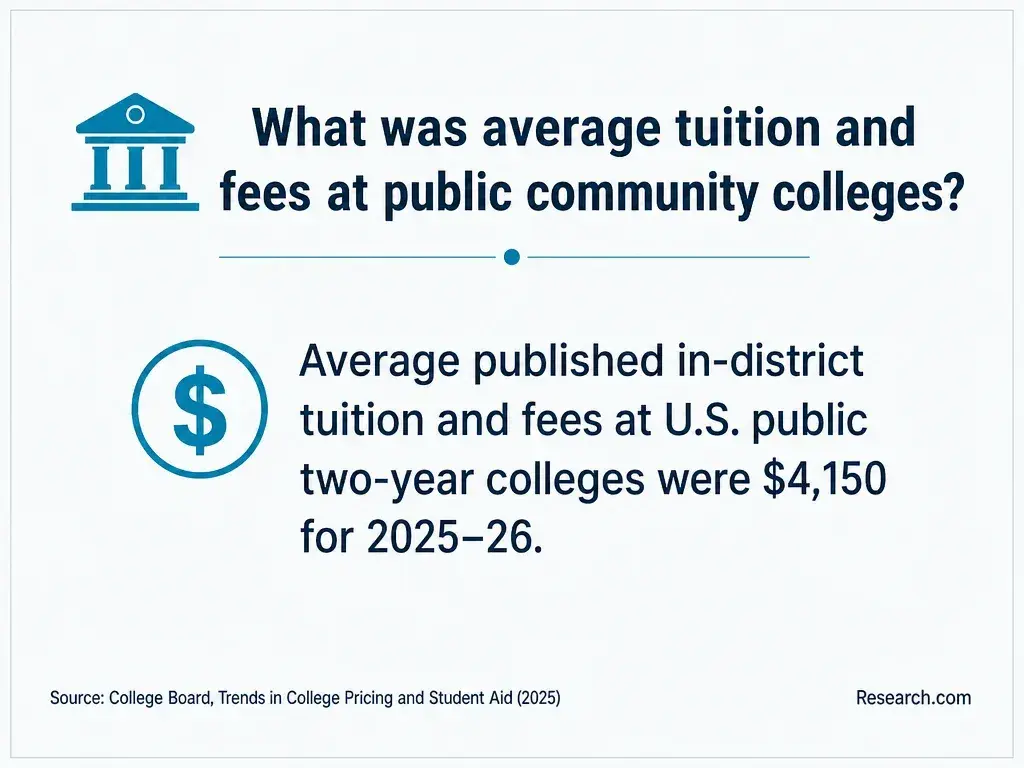
There is no reliable price difference attributable to the major itself. An online program may charge by credit or term, and its published tuition may exclude technology fees, books, travel to a placement, or other required expenses. Compare the cost of credits still needed to graduate, not the sticker price for a full degree: an accepted transfer course does not necessarily satisfy a major requirement.
Request a written degree audit and an itemized estimate from each school using the same assumptions about transfer credit and enrollment pace. Ask whether required fieldwork can be completed near home and whether an unpaid placement would affect your earnings. Submit the relevant aid application and compare grants, loans, and employer assistance against the remaining bill; financial aid planning for a substance use counseling bachelor's also explains funding questions useful for a mental-health-focused undergraduate comparison.
Completion time depends on accepted credits and whether they meet general education, major, prerequisite, and residency requirements. It also depends on course frequency and the student's sustainable course load. A program advertised as online may still require scheduled discussions, group work, research meetings, or site-based fieldwork.
Ask each school for a term-by-term plan showing when required courses and placements are offered. This matters especially if employment or caregiving limits your hours at an approved site. Accelerated marketing deserves separate scrutiny at each degree level: accelerated clinical counseling degrees and study length concerns a later professional-training decision, not a shortcut created by completing this BA quickly.
Bachelor's admissions commonly involve prior school transcripts and an application, but minimum GPA rules, transfer thresholds, and any major-specific conditions belong to the individual institution. A returning student should ask for two distinct answers: whether prior coursework is accepted for credit and which degree requirements it fulfills. Introductory psychology, statistics, and developmental courses are especially worth checking for major equivalency.
If you intend to pursue graduate study, work backward from a few prospective programs' prerequisites rather than assuming either BA supplies every required course. Admissions eligibility and a manageable schedule are separate questions. Even psychology master's programs with intensive pacing can have their own prerequisite and scheduling demands, so plan the undergraduate courses that preserve your intended next step.
The closest broad benchmark for several bachelor's-level support roles is the U.S. Bureau of Labor Statistics category social and human service assistants. Its median annual wage was $41,410 in 2023, and BLS projected 8% employment growth from 2023 to 2033. Those are occupation-wide figures, not current offers or outcomes for either major. Pay and hiring prospects depend on location, employer, duties, experience, and any required credential.
For a useful return-on-investment comparison, examine local job postings you would actually qualify for, then weigh their pay against your remaining tuition and time away from work. Do not use licensed-counselor wages to justify a BA unless you also budget for the qualifying pathway; comparing tuition assistance for mental health counseling study addresses a different, graduate-level funding decision.
How should you choose a reputable online psychology or family studies program?
Start with the job or graduate program you want, then compare schools using evidence you can obtain before enrolling. Accreditation and an appealing concentration name are necessary checks, but neither substitutes for a workable course plan.
The most consequential questions concern what you will finish, what you will pay, and whether the required experience is feasible:
- Ask for the exact awarded degree, required courses, course rotation, and a written evaluation of how your prior credits apply.
- Confirm institutional accreditation and ask who can document any claimed preparation for a specific credential or graduate pathway.
- Get placement and research requirements in writing, including site approval, supervision, location, and scheduled hours.
- Compare itemized remaining costs and a realistic term-by-term completion plan, then ask career services for outcomes relevant to your target roles.
Be particularly cautious about a promised short timeline that assumes credits a school has not evaluated. The same issue arises when comparing three-year forensic psychology bachelor's routes: advertised speed is less useful than a degree audit based on your record. If two programs are similarly affordable, choose the one whose required curriculum and accessible applied opportunities better match your next step.
Other Things You Should Know About Psychology
Potentially. Graduate programs set their own prerequisites, so check whether you need additional psychology, statistics, or research-methods courses before applying.
Only if the program approves the site, supervision, tasks, and format. Get that approval before accepting a position or assuming your current job qualifies.
No. A Family Studies BA and a Bachelor of Social Work are distinct degrees. If social-work licensure is your goal, check the applicable state rules and the accreditation requirements of the social-work program you plan to enter.
Usually, subject to school policy. Ask for a revised degree audit first: courses that counted toward one major may become electives in the other, adding time or cost.
- Requirements Related to the Practice of Counseling - NCBI https://www.ncbi.nlm.nih.gov/books/NBK259170/
- IPEDS - National Center for Education Statistics (NCES) https://nces.ed.gov/ipeds/survey-components/13
- Accreditation in the U.S. | ed.gov http://www.ed.gov/laws-and-policy/higher-education-laws-and-policy/college-accreditation/accreditation-in-the-us
- Undergraduate and Graduate Tuition and Fees | Purdue Global https://www.purdueglobal.edu/tuition-financial-aid/undergraduate-graduate-tuition-and-fees/
- Credit for Prior Learning: The University of Akron, Ohio https://www.uakron.edu/cpl/index.dot
- Pursuing a Career in Clinical or Counseling Psychology | apa.org https://www.apa.org/education-career/guide/subfields/clinical/education-training
- What Can I do With a Degree in Child, Youth, and Family Studies? | Portland State University https://www.pdx.edu/careers/what-can-i-do-degree-child-and-family-studies
- Transfer Credits - Undergraduate - Policies - Campus Offices https://campus.collegeforcreativestudies.edu/policy/transfer-credits-undergraduate/
- General Psychology | Online Bachelor's Degree | Capella University https://www.capella.edu/online-psychology-degrees/bs-psychology-program/bachelors-general-psychology/
- Family Studies and Human Dev Department Courses | University of Arizona Catalog https://catalog.arizona.edu/departments/1236-FSHD/overview