2027 Online MS in Psychology - Forensic Psychology After a Three-Year International Bachelor's Degree: Compare Prerequisites and Admission Options
Audited and Verified:
Our Editorial and Data Verification Process
Research.com uses government datasets, official education statistics and primary institutional information to support its career and degree guides. Our review process checks factual accuracy, occupational definitions, source dates and the requirements associated with the credentials discussed.
How This Article Was Fact-Checked
Our editorial team verifies salary estimates, employment projections, education requirements and program information against original data providers and official organizations. Salary figures are checked against the relevant occupational definitions and reporting periods. Information about licensure, accreditation and required in-person training is reviewed separately.
Fact-checked and verified on:

Co-Founder and Chief Data Scientist
A three-year bachelor's degree may represent a completed university education in your country, yet a U.S. forensic psychology master's program may evaluate it differently. Before paying an application fee, you need to know whether the school accepts your credential, which psychology courses you lack, and whether you can enroll from abroad.
This guide shows international applicants how to compare admission routes, document their preparation, and judge whether an online forensic psychology MS fits their career goal - without mistaking academic specialization for a clinical credential.
Key Things You Should Know
- A completed three-year bachelor's degree is not automatically accepted or rejected: the graduate school decides whether it meets its bachelor's-equivalency rule, sometimes using a credential evaluation.
- Compare programs on three separate questions: degree equivalency, required psychology and methods coursework, and permission to enroll from your country. A positive answer to one does not settle the others.
- An online forensic psychology MS can support nonclinical justice-related work, but it does not by itself qualify you as a licensed forensic psychologist or authorize U.S. employment.
What Is an Online Master's in Forensic Psychology?
An online MS in forensic psychology is graduate study of psychological science in legal and justice contexts. Depending on the program, it may emphasize research, behavior in corrections settings, victim services, or the interpretation of evidence about human behavior. "Online" describes delivery, not professional authorization: a course about psychological assessment does not train or license a student to conduct independent forensic evaluations.
For a three-year-degree holder, the first distinction is between graduate preparation and undergraduate degree equivalency. If a school requires additional bachelor's-level study, forensic psychology bachelor's study with accelerated pacing is one possible route to investigate. Do not enroll in another degree until a prospective graduate school confirms what credential or coursework would resolve its specific objection.
Can You Enter a U.S. Online Forensic Psychology Master's With a Three-Year Degree?
Possibly. U.S. institutions set their own graduate-entry rules. One may accept a recognized three-year bachelor's degree; another may require a credential judged equivalent to a U.S. four-year bachelor's degree; another may review particular countries, honors degrees, or additional graduate study individually. The credential evaluator may describe your education, but the university makes the admission decision.
Ask each graduate admissions office whether its policy applies to your specific credential, awarding institution, country, and entry term. Request a written answer that distinguishes these possible outcomes:
- Eligible to apply: Your degree meets the minimum credential rule, subject to the rest of the application.
- Individual review: The school needs transcripts, degree documentation, or an approved evaluation before deciding.
- Additional study required: Ask whether specified courses, a recognized postgraduate credential, or a completed bachelor's degree would satisfy the rule - and whether study completed elsewhere would count.
Eligibility is not the same as competitiveness. If a full additional undergraduate credential is required, compare the written requirement with fast-track psychology degree programs online; an accelerated label alone says nothing about how your prior international study will apply.
What Are the Admission Requirements for International Applicants?
Requirements vary by institution and sometimes by program. Applicants commonly need academic records and proof of the completed degree; a school may also require an approved course-by-course credential evaluation, English-proficiency evidence, recommendations, a statement of purpose, or a résumé. GRE policies and GPA conversion methods must be checked rather than assumed.
For an efficient review, assemble your degree certificate, transcripts showing course titles and grades, grading-scale information, and English translations if required. Then ask admissions which evaluation providers it accepts, whether it will review documents before an evaluation is purchased, and whether it can assess prerequisite courses separately from degree equivalency. Ask the online-program office whether students residing in your country may enroll and complete every required activity there.
If the university ultimately requires another undergraduate degree, choose its subject for your intended work, not merely to add a fourth year. For example, distance learning bachelor's degrees in addiction psychology may interest someone focused on recovery services, but a prospective forensic MS must still confirm that the new credential and its courses meet its rules. Online admission also does not provide a U.S. visa or employment authorization.
First verify that the university holds recognized U.S. institutional accreditation and that the credential is the university's actual graduate degree. Then check the program's published curriculum and any accreditation claims against the accreditor's stated scope. The American Psychological Association does not accredit a general, nonclinical online forensic psychology MS simply because it covers psychology.
Accreditation answers whether the institution meets an applicable educational standard; it does not establish that an international bachelor's degree will be accepted, that the MS qualifies for licensure, or that another country will recognize it. This distinction also matters when using budget-conscious psychology program comparisons: compare recognized institutions and the precise degrees offered before comparing prices. Ask the program to identify any professional-accreditation claim and explain its relevance to your intended credential.
There is no universal prerequisite list. Some programs accept graduates from criminal justice, sociology, health, or other fields; others specify introductory psychology, statistics, research methods, or additional psychology coursework. Admission materials may distinguish required courses from recommended preparation, and an admissions office may assess an international course's content rather than its title alone.
Send course descriptions or syllabi for psychology, quantitative, and research-methods work, especially where translations obscure the subject. Ask whether a missing course can be completed before application, before enrollment, or after conditional admission; get any substitution or waiver in writing. Statistics and research methods are especially useful even when optional because they help you evaluate claims about offending, eyewitness memory, and interventions rather than treating course content as proof of causation.
If the real requirement is a further bachelor's credential rather than a few prerequisites, calculate that route separately. Guidance on financial aid for substance abuse counseling bachelor's degrees may help applicants considering that particular undergraduate alternative, but its aid options should not be assumed available to an international student or transferable to a forensic MS.
The better format depends on where you live and what work you want to do. Online study may let you remain employed abroad, but live classes can fall outside reasonable hours in your time zone. Campus study can provide more direct access to local research teams or justice-sector networks, yet physical presence does not guarantee a placement or authorization to work in the United States.
The comparison below focuses on obligations that can change whether a program is feasible for an international applicant.
| Factor | Online program | Campus-based program |
| Schedule | Check live sessions, examinations, and time-zone rules. | Check class times and required attendance. |
| Applied work | Confirm whether remote or local sites are allowed and who approves them. | Confirm available sites, selection rules, and supervision. |
| U.S. presence | Check for residencies; online enrollment alone does not confer immigration status. | Confirm the institution's visa support and the applicable immigration rules. |
If your actual goal is therapy rather than nonclinical forensic study, compare the distinct professional requirements before choosing a format. Comparing fast-track mental health counseling master's formats is a starting point, not evidence that a counseling program or an online format meets a particular jurisdiction's licensing rules.
Curricula may combine psychological theory, research design, statistics, ethics, and topics involving behavior in legal settings. Possible subjects include memory and eyewitness evidence, violence research, victimization, corrections, and the limits of psychological measurement. Check the required courses rather than assuming every program offers the same specialization or a thesis, capstone, or placement.
For admissions purposes, curriculum depth should match your starting point. Someone with a criminal justice bachelor's degree may bring knowledge of legal systems but need stronger preparation in psychological research; a psychology graduate may need more context on justice institutions. If your interest is supporting people affected by substance use in justice settings, professional pathways in recovery organizations can help clarify whether an applied support credential or experience would serve you better than this MS. Academic coverage of addiction does not authorize counseling.
Duration depends on required credits, course availability, enrollment pace, and any thesis or approved placement. Rather than relying on the shortest advertised completion time, ask for a term-by-term course plan for an international student at your intended pace. Time-to-degree planning for forensic psychology graduate students is most useful when you compare that plan with the school's actual sequencing and any live or in-person requirements.
Request a written cost estimate that separates graduate tuition from fees and costs that may arise before admission. Because no universal price applies, compare like-for-like estimates using these categories:
- Tuition for all required credits and mandatory online or university fees.
- Credential evaluation, translation, English testing, and application charges.
- Books, software, required travel, and possible unpaid placement costs.
- Additional tuition if prerequisites or a further undergraduate credential are required.
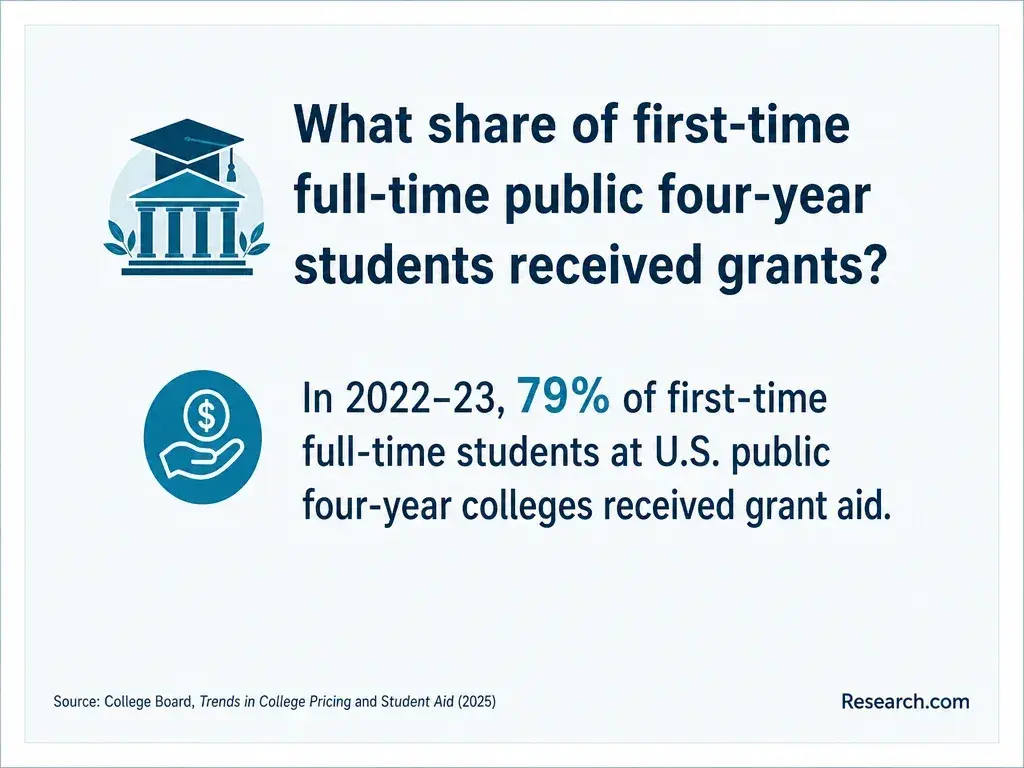
Check payment methods and aid eligibility for your citizenship and place of residence. Do not assume U.S. federal student aid, a scholarship, or an assistantship is available for an online international enrollee.
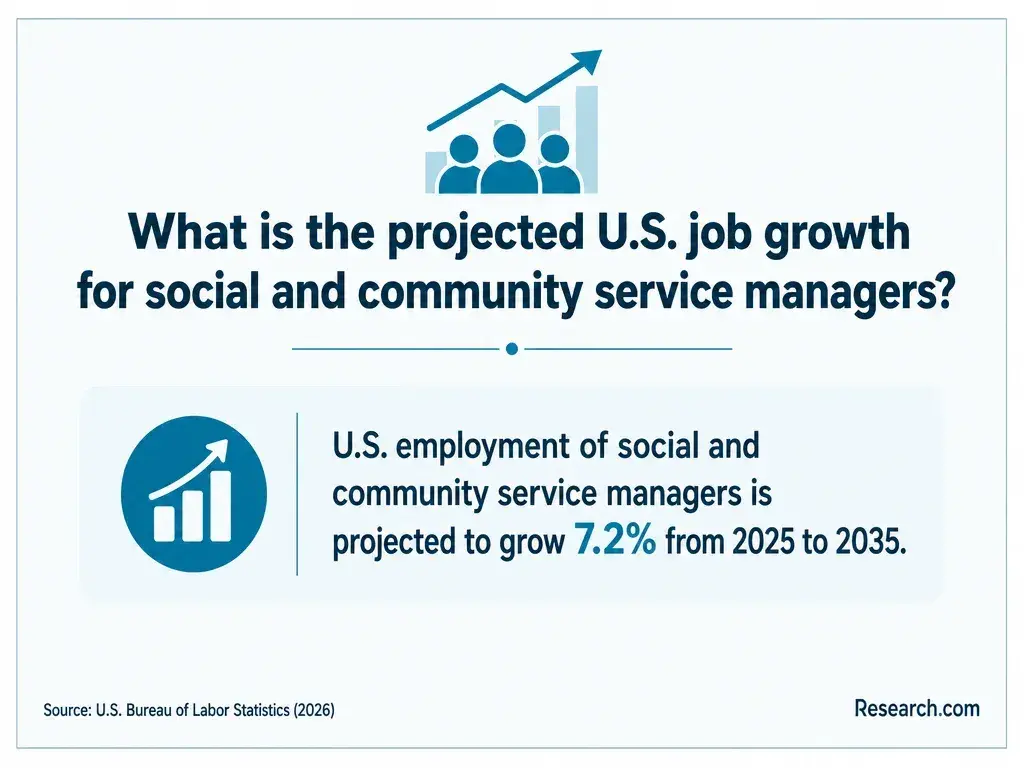
Potential nonclinical directions include victim-services coordination, justice-program support, corrections-related administration, and research or evaluation assistance. Hiring depends on location, work authorization, relevant experience, and the employer's job requirements. A graduate with strong research skills may compete for different work from someone whose experience is primarily direct service.
No single "forensic psychology MS salary" describes these jobs. For a U.S. salary comparison, identify the exact target occupation and location, then consult the U.S. Bureau of Labor Statistics Occupational Outlook Handbook or employer salary range for that occupation. An occupation-wide median includes workers with different credentials and experience; it is not a forecast of what this degree's graduates earn. Where a role is accessible through relevant experience or less expensive study, compare that route with budget-friendly online psychology graduate degrees before committing to a specialized MS.
Does a Forensic Psychology Master's Lead to Licensure or Certification?
Not automatically. A nonclinical forensic psychology MS does not by itself qualify its holder to practice as a licensed psychologist, independently assess defendants, diagnose conditions, provide psychotherapy, or give expert opinions as a licensed forensic practitioner. Rules for protected titles and regulated work depend on the jurisdiction and profession; certification, where relevant, has separate eligibility criteria.
If your intended job is licensed psychological assessment, identify the licensing board's qualifying degree, supervised experience, and examination rules before applying. If your goal is counseling, evaluate programs designed around that profession's requirements and its full cost, including considerations covered in mental health counseling degree fees and aid planning. A U.S. credential also needs separate recognition checks in any country where you intend to practice. Choose the forensic MS for its verified academic and nonclinical value, not as an assumed shortcut to a license.
Other Things You Should Know About Psychology
Ask the graduate admissions office. Some schools can offer preliminary guidance from scanned records; others require an approved evaluation before making any determination. A preliminary opinion may not be binding.
Possibly. Ask whether provisional records are accepted for application review and when official proof of graduation must arrive. The answer may depend on your proposed start term.
Do not assume so. The receiving doctoral program decides whether graduate courses satisfy its requirements, and credit acceptance does not establish admission or shorten supervised professional training.
Only with the permissions and oversight required by the employer and university. Access to records for your job does not automatically permit academic use; ask about confidentiality, data-use rules, and whether research review is needed before proposing the project.
- Research Your Options: U.S. Online Learning | EducationUSA https://educationusa.state.gov/your-5-steps-us-study/research-your-options/online-learning
- Evaluation of Foreign Degrees - United States Department of State https://www.state.gov/global-community-liaison-office/family-member-employment/family-member-employment-in-the-d-c-area/evaluation-of-foreign-degrees
- How to Become a Licensed Psychologist | Texas Behavioral Health Executive Council https://bhec.texas.gov/texas-state-board-of-examiners-of-psychologists/applying-for-a-psychology-license/how-to-become-a-licensed-psychologist/
- Requirements & Deadlines | umich.edu https://admissions.umich.edu/apply/international-applicants/requirements-deadlines
- A Career in Forensic and Public Service Psychology | apa.org https://www.apa.org/education-career/guide/subfields/forensic/education-training
- Psychology - Limited Enrollment Program https://www.lep.umd.edu/psychology.html
- International Degree Equivalencies - Graduate School https://gradschool.cornell.edu/admissions/application-steps/transcripts/international-degree-equivalencies/
- Foreign Degree and Credit Equivalency Report Requirements - Office of Educator Licensure https://www.doe.mass.edu/licensure/academic-prek12/teacher/foreign-degree-and-credit-equivalency.html
- Instructions for Graduate Applicants | Graduate School https://gradschool.unc.edu/admissions/instructions/
- Do I Need a Degree in Psychology to Apply to Graduate School? | William James College https://www.williamjames.edu/news/do-i-need-a-degree-in-psychology-to-apply.html