2027 Online BA in Psychology - Addictions: How to Evaluate Tutoring Included in Online Tuition
Audited and Verified:
Our Editorial and Data Verification Process
Research.com uses government datasets, official education statistics and primary institutional information to support its career and degree guides. Our review process checks factual accuracy, occupational definitions, source dates and the requirements associated with the credentials discussed.
How This Article Was Fact-Checked
Our editorial team verifies salary estimates, employment projections, education requirements and program information against original data providers and official organizations. Salary figures are checked against the relevant occupational definitions and reporting periods. Information about licensure, accreditation and required in-person training is reviewed separately.
Fact-checked and verified on:

Co-Founder and Chief Data Scientist
"Tutoring included in tuition" sounds reassuring, but it may mean anything from scheduled statistics appointments to access to a general writing center. For a prospective online BA student interested in addictions, that difference matters: research methods, scientific writing, and addiction-focused coursework may call for different kinds of help. This guide shows you how to verify what support you can actually use, compare its value against the full cost of a program, and avoid mistaking academic support for professional training or a counseling qualification.
Key Things You Should Know
- Ask whether tuition covers appointments with tutors who can help with psychology research methods, statistics, scientific writing, and addiction-related assignments - not merely general study skills.
- Check appointment limits, live-session hours, time zones, wait times, and access during accelerated terms; "included" does not necessarily mean unlimited or available when you need it.
- Compare tutoring alongside accreditation, required credits, fees, and any placement obligations. Strong tutoring cannot compensate for a program that does not fit your academic or credential goal.
What Is an Online Psychology Degree in Addictions?
An online BA in psychology with an addictions focus is an undergraduate psychology degree that adds study of substance use, behavior, prevention, and recovery. The focus might be an officially named concentration, a cluster of electives, or a description used in marketing; those distinctions affect what appears on a transcript and which courses you must complete. Confirm the exact credential and requirements in the catalog for your intended entry term.
The degree can build a foundation for research, community services, or further study. It is not, by itself, a qualification to diagnose substance use disorders or provide psychotherapy. If you are comparing named undergraduate options, accredited addiction psychology undergraduate education is a useful starting point, but verify each school's current catalog and support policies directly.
How Does Tutoring Included in Online Tuition Work?
Typically, "included" means eligible enrolled students can use a university tutoring center or a contracted service without paying separately for ordinary sessions. It does not establish who the tutors are, which courses they cover, or how quickly an appointment is available. Course instructors' office hours, academic advising, writing-center feedback, and one-to-one tutoring are different services; ask which of them the claim includes.
For an online addictions student, a useful service might help interpret a statistics assignment, organize a literature review, or work through a research-design question. It should teach you how to do the work, not complete it for you. Some services offer live appointments, while others accept written questions or drafts for later feedback. Confirm whether access continues during short terms and whether any course-specific assistance requires a separate charge. Tutoring is only one part of the budget: paying for a substance abuse counseling bachelor's degree also involves checking aid eligibility and expenses beyond advertised tuition.
How Can You Evaluate Tutoring Services Before Enrolling?
Request the tutoring policy in writing and test it against a course you are likely to take, such as psychological statistics or research methods. A general promise of "academic support" is less useful than a clear answer about tutor expertise, appointment access, and the assignments on which tutors may provide feedback.
Use the same questions for every school so that you compare usable support rather than marketing language:
- Ask for the current list of supported psychology, statistics, and addictions courses, plus the qualifications expected of tutors in those subjects.
- Request a sample booking calendar or the service's published hours; check evening, weekend, time-zone, and short-term availability against your actual schedule.
- Confirm session-length and frequency limits, whether individual appointments are offered, and what happens when no appropriate tutor is available.
- Ask whether tutors can review research proposals and citation practices, and where their help must stop under the academic-integrity policy.
- Find out whether access begins with enrollment, continues between terms, and extends to students taking a reduced course load.
Ask an admissions representative to identify the office that owns the policy and to provide the version applicable to your entry term. This scrutiny applies across online psychology specializations: when reviewing forensic psychology degree formats and academic requirements, for example, the same "included tutoring" claim still needs to be checked against the courses actually required. Do not treat support advertised for one program as proof that another receives it.
Start with the institution. Check its current institutional accreditation in the U.S. Department of Education's database and confirm that the online BA is offered by that institution. Then ask whether the addictions focus carries any separate recognition relevant to your goal. Do not assume the American Psychological Association accredits undergraduate psychology majors; its professional accreditation covers specified graduate psychology programs and training settings, not a general BA.
Accreditation and tutoring answer different questions. Institutional accreditation matters to the standing of the degree and can affect federal aid eligibility, but it does not establish that statistics tutoring is available on weekends. Likewise, an accredited BA does not establish eligibility for an addiction-counselor credential. If that credential is your objective, compare the BA's courses and supervised-experience opportunities against your state's rules; an addiction counseling program selection guide can help distinguish counseling-oriented programs from psychology concentrations.
Requirements vary, but a psychology BA generally combines foundational psychology with research methods and statistics. An addictions focus may examine substance use, prevention, recovery, social context, and service systems. Read course descriptions rather than relying on the concentration name: one program may emphasize psychological science, while another gives more space to applied human-services topics.
This curriculum tells you which tutoring will matter most. A tutor who can explain statistical reasoning or give feedback on an evidence review may be more useful than one who can only check grammar. Ask whether instructors, not tutors, supervise any applied assignments involving sensitive information. Studying screening or treatment approaches in class does not authorize a student to assess or treat clients.
If your longer-term aim is research-oriented graduate study, check whether the BA leaves you with methods coursework and opportunities to demonstrate independent analysis. That preparation can matter more than the addictions label when later comparing options for finding a lower-cost psychology master's degree; a low graduate price will not fill an undergraduate methods gap on its own.
Schools set their own freshman and transfer admission rules, and admission to a university does not always mean immediate admission to every major or concentration. Review the current application instructions for transcripts, prior coursework, deadlines, and any separate major requirements. If you are returning to college, request a written degree audit before estimating your remaining time or tuition.
In that audit, distinguish credits the school accepts from credits it applies to psychology, statistics, general education, and residency requirements. A transferred statistics course, for instance, might count as elective credit without replacing the major's required course. The institution makes the final equivalency decision; evaluating transfer options before psychology enrollment can help you frame questions, but it cannot substitute for the school's approved audit.
Completion time depends on accepted credits, how those credits apply to requirements, course sequencing, and the number of courses you can manage each term. Online delivery alone does not mean every required course runs whenever you need it. Ask for a term-by-term plan showing statistics, research methods, addictions electives, and any capstone or field experience.
Tutoring availability belongs in that schedule. An accelerated course may leave little time to wait for written feedback or the next tutor appointment. If you are considering later faster pathways through graduate psychology coursework, first make sure your undergraduate plan develops the methods skills that graduate work will expect; a faster calendar is not a substitute for preparation.
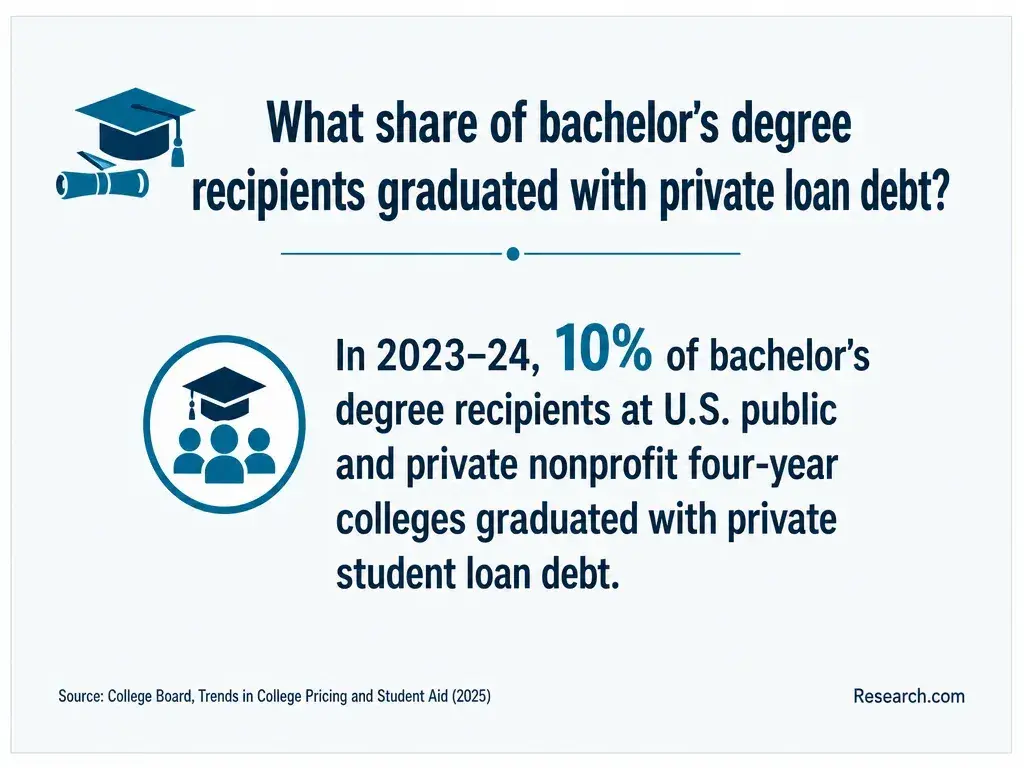
There is no reliable single price for an online addictions psychology BA. Obtain a written estimate for your expected remaining credits and compare tuition with mandatory fees, books, technology, and any travel or placement expenses. Ask whether the tutoring described as "included" has appointment caps, excluded services, or charges for optional support.
The following comparison separates a bundled benefit from the costs that may still change your total. Use each school's current estimate rather than an advertised starting price.
| Cost or support item | What the stated price may cover | What may remain uncertain |
| Tuition | Instruction for enrolled courses | Rate changes, required remaining credits, and repeat courses |
| Included tutoring | Eligible standard sessions | Subject coverage, booking limits, and optional paid services |
| Fees and materials | Items specifically listed in the estimate | Course materials, technology, and other required charges |
| Applied experience | Course credit if included in the plan | Travel, scheduling, and possible unpaid time |
For a fair comparison, calculate the cost of the courses you still need after the degree audit - not the price of an idealized full program. Undergraduate substance use counseling study on a budget offers an adjacent comparison, but check whether its program requirements and professional aim match the psychology BA you want. A cheaper advertised rate is not automatically the cheaper path to graduation.
Depending on the employer and your experience, a BA may support applications for nonclinical roles in recovery-service outreach, program administration, intake support, case coordination, or research assistance. The work may involve documentation, referrals, community communication, or data collection under appropriate supervision - not independent diagnosis or therapy. Hiring requirements can include relevant experience, background checks, or a separate credential.
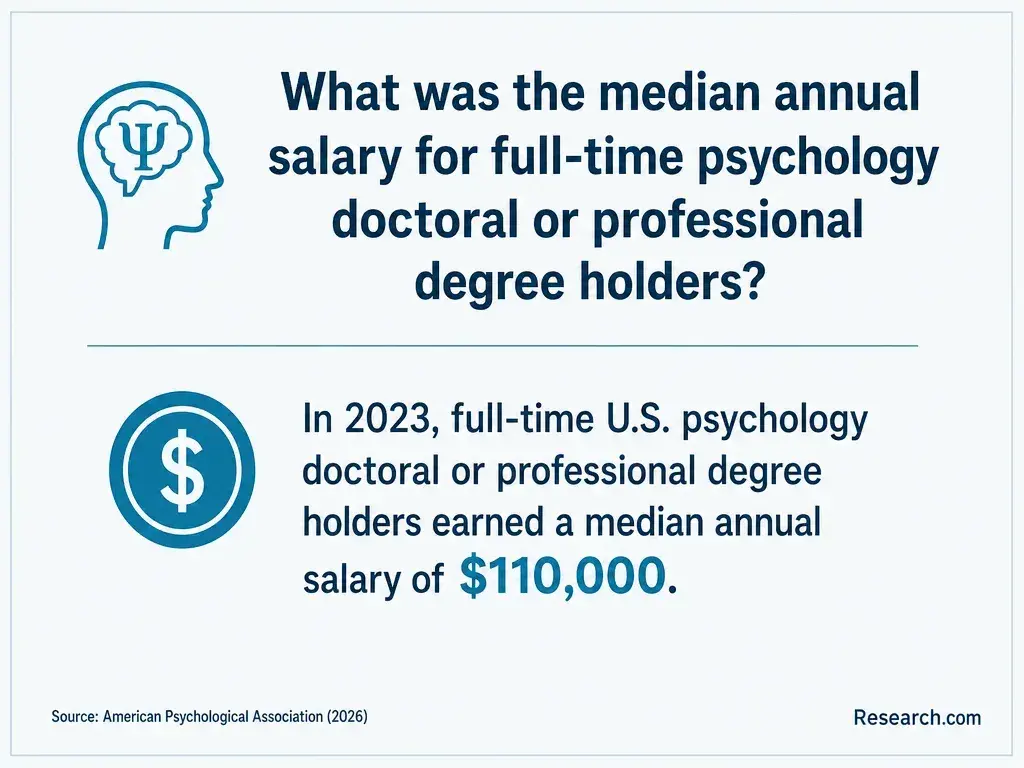
Judge the degree and its tutoring by the work you want to demonstrate. For research support, look for methods courses and a project you can discuss accurately; for community services, look for ethical communication, service-system knowledge, and approved applied experience. Tutoring may help you master coursework, but it does not replace supervised workplace practice. Be cautious about applying earnings claims from a different specialty: forensic psychology master's careers and earning potential concern a different degree level and occupational mix, not the expected pay of addictions BA graduates.
What Licensing and Certifications Follow an Addictions Psychology Degree?
No addiction-counselor license automatically follows from a psychology BA or an addictions concentration. State rules may specify particular coursework, supervised experience, examinations, and application procedures; permitted job titles and duties also vary. Before enrolling, identify the exact credential and state where you hope to work, then ask the responsible board or certifying body whether the proposed courses meet its educational rules. Get the school's response in writing as well, but do not treat it as a substitute for the credentialing authority's decision.
If your goal is psychotherapy, investigate a qualifying professional education pathway rather than assuming undergraduate addictions coursework or tutoring will shorten licensure requirements. Counseling degrees have their own program and state-specific criteria, making financial planning for accredited counseling degrees a separate decision. Include any later education and supervised training in your comparison before paying more for a BA solely because it advertises strong tutoring.
Other Things You Should Know About Psychology
Yes. Contact the school's accessibility office to discuss available accommodations and how they apply to tutoring appointments. Do not assume that a tutoring vendor automatically receives or implements an academic accommodation.
Not without authorization under your course, site, and confidentiality rules. Use an approved fictional example or an instructor-approved version that contains no restricted information.
Follow the course's academic-integrity policy. Feedback on reasoning, organization, or citations may be permitted, while submitting someone else's analysis or undisclosed generated text as your own may not be.
Save the published claim, your appointment records, and your attempts to resolve the issue. Ask the tutoring manager or academic-support office for a remedy, then use the institution's formal complaint process if needed.
- Training Health Services Psychologists for Research Careers in Addiction Science - PMC https://pmc.ncbi.nlm.nih.gov/articles/PMC7453841/
- Qualified Ed expenses | Internal Revenue Service https://www.irs.gov/credits-deductions/individuals/qualified-ed-expenses
- How High-Quality, Small-Group Tutoring Can Accelerate Learning | IES https://ies.ed.gov/learn/blog/how-high-quality-small-group-tutoring-can-accelerate-learning
- How to Become an Addiction Counselor: 5 Key Steps (2026) | Touro University Worldwide https://www.tuw.edu/health/how-to-become-an-addiction-counselor/
- Online Bachelor's Degree in Psychology in Addictions | Purdue Global https://www.purdueglobal.edu/degree-programs/psychology/bachelor-psychology-addictions/
- Your success toolkit: tutoring, coaching, advising, and SI explained | Office of the Provost https://www.uab.edu/provost/news-events/provost-news/your-success-toolkit-tutoring-coaching-advising-and-si-explained
- Tutoring | Academic Success Center | Kent State University https://www.kent.edu/asc/univ-tutoring
- Fees, Rentals, and Other Charges | suny.edu https://www.suny.edu/sunypp/documents.cfm
- iSchool Fees - SJSU - School of Information https://ischool.sjsu.edu/ischool-fees
- Applied Psychology: Addictions Studies, B.S. - CPS, CPSO | University of New Hampshire https://www.unh.edu/program/bachelor-science/applied-psychology-addictions-studies