2027 Online BA in Psychology - Addictions: How to Compare a Required Capstone Versus a Final Seminar
Audited and Verified:
Our Editorial and Data Verification Process
Research.com uses government datasets, official education statistics and primary institutional information to support its career and degree guides. Our review process checks factual accuracy, occupational definitions, source dates and the requirements associated with the credentials discussed.
How This Article Was Fact-Checked
Our editorial team verifies salary estimates, employment projections, education requirements and program information against original data providers and official organizations. Salary figures are checked against the relevant occupational definitions and reporting periods. Information about licensure, accreditation and required in-person training is reviewed separately.
Fact-checked and verified on:

Co-Founder and Chief Data Scientist
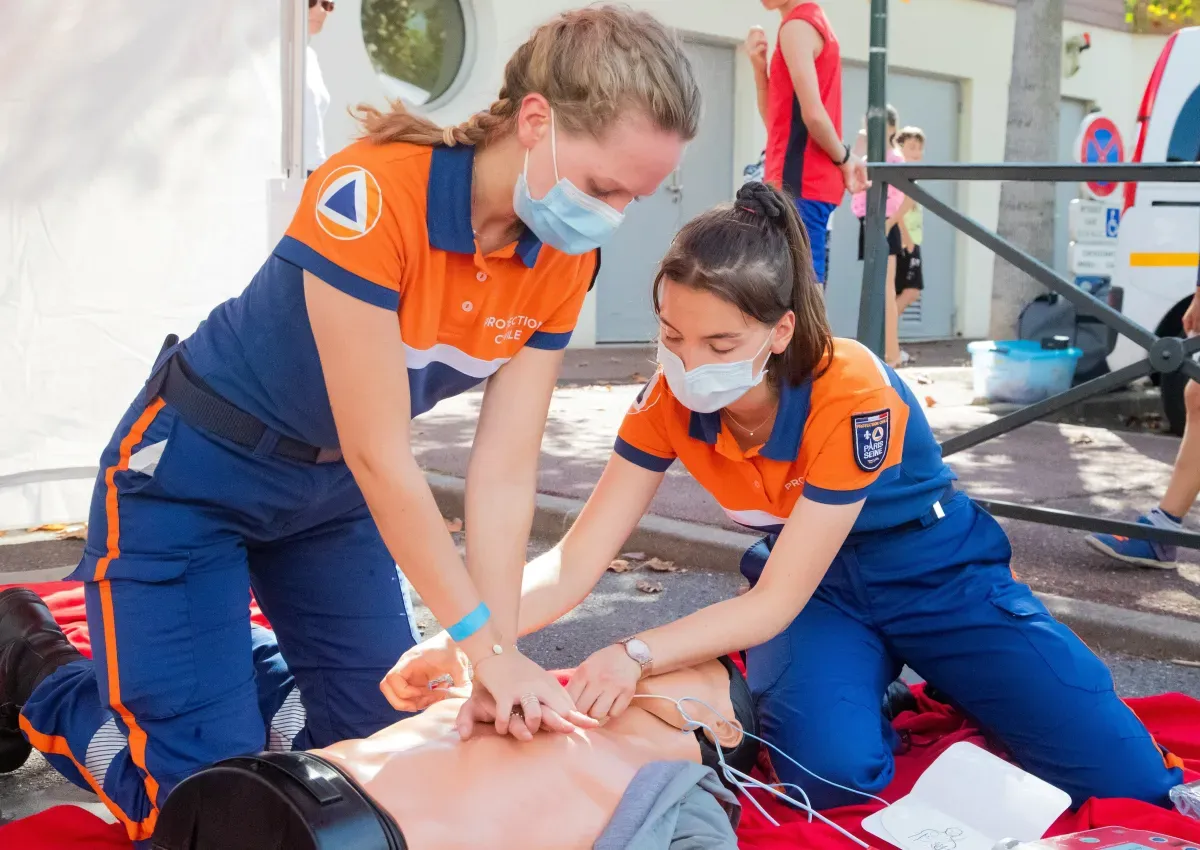
A required capstone and a final seminar can look similar in a course catalog but demand very different work. For students considering an online BA in Psychology-Addictions, that difference can affect scheduling, access to research or community partners, and the evidence of skills they leave with.
This guide explains what each requirement may involve, how to check the actual graduation rules, and which option better fits an academic or nonclinical career goal. It also flags the degree, cost, and credential details worth checking before enrollment.
Key Things You Should Know
- A capstone usually centers on a defined final product; a final seminar usually centers on guided reading, discussion, and synthesis. Course titles alone do not establish the workload.
- Compare the required deliverable, supervision, data permissions, meeting times, and grading rubric - not just whether the course is online.
- Neither a capstone nor a seminar turns a psychology bachelor's degree into a counseling license; check the target role's separate credential rules.
What Is an Online BA in Psychology-Addictions?
An online BA in Psychology-Addictions is a bachelor's degree in psychology with a stated focus on substance use, addiction, and recovery. The exact designation matters: one school may award a psychology BA with an addictions concentration, while another offers only related electives. Ask whether the focus appears on the transcript and which courses are required to complete it.
The degree can prepare students to interpret addiction research and contribute to nonclinical prevention or support services. It does not, by its name, establish eligibility to counsel clients. If becoming a substance-use counselor is the primary goal, compare the psychology curriculum with a degree focused on bachelor's-level substance use counseling tuition and career value, then check the relevant state credential rules. The most direct academic route depends on those rules, not on which degree title sounds more specialized.
How Do Capstones and Final Seminars Differ in Addiction Psychology Programs?
A capstone generally asks a student to integrate prior learning into an assessed product, such as a literature review, research proposal, or nonclinical program-evaluation plan. A final seminar generally emphasizes advanced reading, discussion, presentations, and synthesis; it may still require a substantial paper. These are common models, not universal definitions. The syllabus and graduation audit - not the course title - determine what a student must do.
The comparison below identifies features most likely to change the experience of an online student. Neither column describes a guaranteed feature of a particular program.
| Decision factor | Required capstone | Final seminar |
| Typical center of work | A scoped project and final artifact | Advanced course discussion and synthesis |
| Possible assessment | Proposal, drafts, final paper or presentation | Participation, presentations, papers or exams |
| Scheduling risk | Approval, feedback, and revision deadlines | Scheduled discussions or group presentations |
| Portfolio potential | Often a substantial writing sample if sharing is permitted | May yield a strong paper, depending on assignments |
For an addiction-focused capstone, a feasible topic might be a proposal to compare published evidence on recovery-support approaches or a plan for evaluating a prevention program. A proposed survey is not a validated instrument, and an evaluation plan is not evidence that a program works. If a project involves participants, agency information, or client records, the student needs the appropriate faculty and site permissions and must check consent, privacy, and review requirements before collecting or using data. A literature-based project may avoid those access barriers while still demonstrating careful research reasoning.
Choose the capstone when an independently developed artifact would serve a clear purpose and adequate supervision is available. A seminar may fit better when structured discussion and predictable assignments matter more than producing a project. To test either option, request recent syllabi and ask what students actually submit, how often they meet live, and whether the requirement can be completed without a placement. When evaluating online bachelor's study in addiction psychology, compare those answers across schools rather than assuming similarly named courses are equivalent.
Is an Online Psychology Bachelor's Degree Accredited?
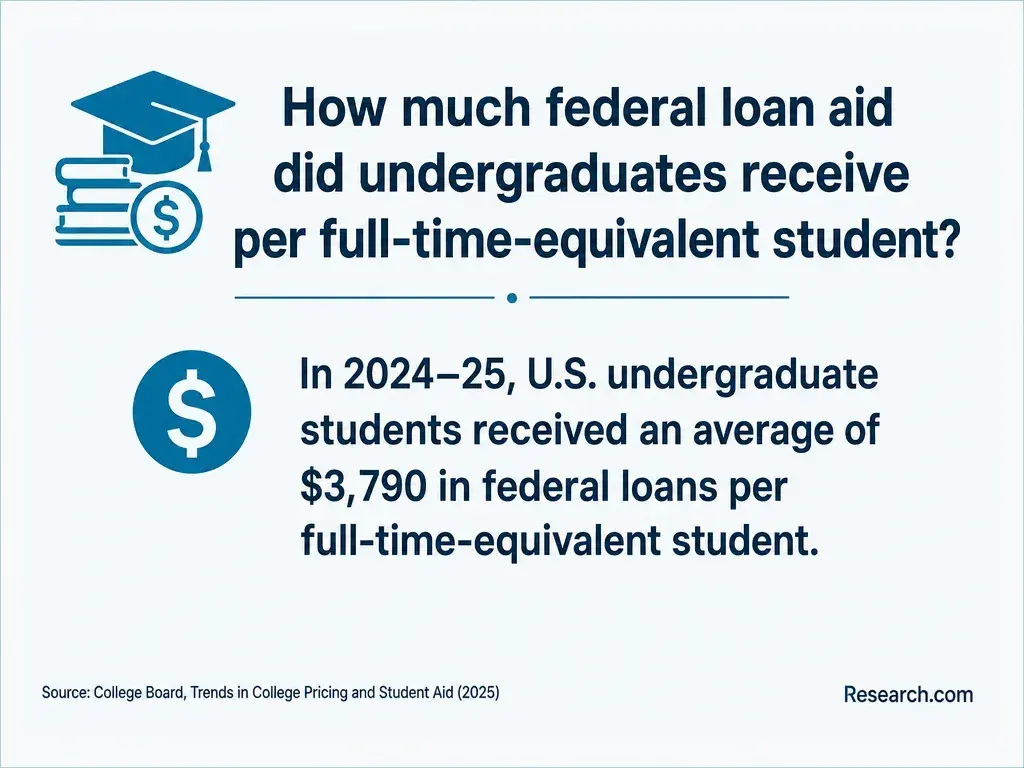
An online bachelor's degree is covered by its institution's accreditation when it is offered within that accredited institution's scope. Verify the institution and the exact degree offering through the accreditor and school, and check any location or authorization restrictions that affect enrollment. Do not mistake institutional accreditation for approval of an addiction counseling credential.
The American Psychological Association does not accredit general psychology bachelor's programs. Accreditation claims for a different professional program at the same university also do not automatically apply to this BA. Ask the school to identify its institutional accreditor, confirm that the advertised addictions focus is part of the degree you would enter, and put any claims about credential preparation in writing. If your intended route is counseling, planning a degree focused on addiction counseling calls for a separate check of program content against your state's educational requirements.
Expect a psychology foundation that may include research methods, statistics, development, social psychology, biological or behavioral foundations, and the academic study of psychological disorders. Addiction-focused courses may examine substance use, prevention, recovery, and service systems. Schools differ in which subjects are required, which are electives, and whether methods courses must precede the final experience.
Course sequencing is especially important for a capstone. A student proposing to review intervention evidence needs practice judging study design and limitations; a student planning an evaluation also needs to understand measurement and ethical data access. A seminar may draw on the same foundations but assess them through discussion or shorter assignments. Request the degree map and check the prerequisites for the final course before comparing electives.
Other specializations are not interchangeable with addictions study. For example, comparing forensic psychology curricula and career fit serves a different academic interest; a forensic elective would not replace preparation in addiction research or recovery systems unless the school explicitly accepts it toward the requirement.
First-year applicants generally need to meet the institution's undergraduate admission requirements; transfer applicants also need an evaluation of prior coursework. Admission to the university, acceptance of credits, and satisfaction of psychology-major requirements are separate decisions. A previously completed statistics course, for example, may transfer as credit without satisfying the major's methods sequence.
Before applying, request a written degree audit showing remaining general education, major, addictions-focus, and residency requirements. Ask whether the capstone or seminar has a minimum-credit standing or prerequisite rule and who approves substitutions. For returning students, evaluating transfer options before psychology enrollment is more useful than relying on an advertised maximum number of accepted credits: the decisive question is which requirements those credits fulfill.
Completion time depends on accepted credits that apply to the degree, enrollment pace, course availability, and the final requirement's sequence. A capstone may require a proposal or earlier methods course; a seminar may be offered only in certain terms. Neither format is inherently faster.
Ask an advisor to map your remaining courses term by term, including the first eligible term for the capstone or seminar. Confirm whether live meetings, group work, or site activities conflict with employment or caregiving commitments. A school advertising a short route in another specialty - for instance, fast-track bachelor's study in forensic psychology - does not establish the completion time for an addictions focus or for your transfer record.
The relevant price is the cost of your remaining degree requirements, not the advertised tuition rate alone. Ask for an estimate based on your written audit: tuition for remaining credits, mandatory online or course fees, materials, and any charges associated with extending enrollment. If the final requirement needs travel, software, or an unpaid site commitment, include those costs and the time away from paid work.
Compare the capstone and seminar only after establishing whether either changes the number of credits or terms required. A project with no extra tuition can still be expensive if it requires site access or delays graduation; a seminar with scheduled meetings can carry a scheduling cost. If the long-term plan includes further study, psychology master's fees and total study costs should be considered separately rather than treated as part of the BA's quoted price.
Depending on employer and state requirements, graduates may seek nonclinical work in recovery-support organizations, prevention programs, community outreach, intake support, or service coordination. Duties can include sharing approved resources, arranging referrals, documenting services, and helping a program monitor its activities. An employer may require experience, training, or a separate credential even for a role that does not provide therapy.
The final course can help demonstrate different strengths. An ethically scoped capstone might provide a writing sample for an evaluation or program-support application; a seminar might provide evidence of evidence appraisal, presentation, and collaborative discussion. Neither replaces supervised workplace experience. Explore understanding career progression in addiction recovery by comparing actual job descriptions with your coursework and experience, especially where a position involves direct client contact.
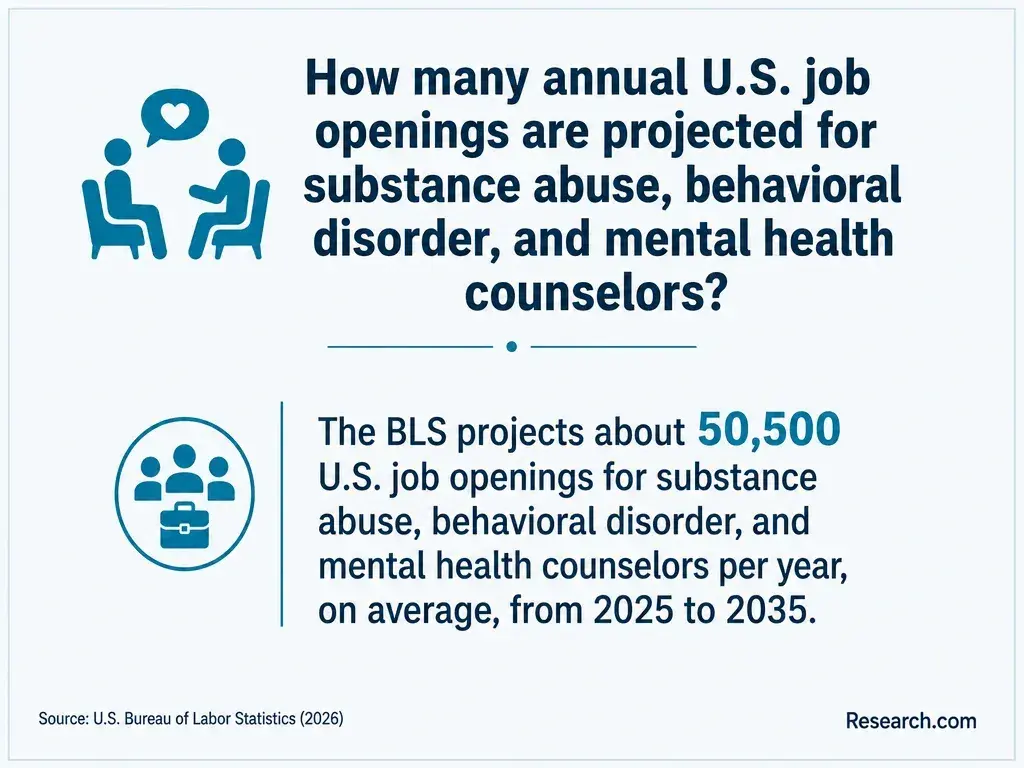
There is no single salary or employment projection for graduates of a psychology BA with an addictions focus. U.S. Bureau of Labor Statistics occupation figures describe people working in defined jobs, not outcomes for one concentration. Substance-use counselor figures, for example, include workers whose qualifications and responsibilities may differ substantially from those of a new BA graduate seeking nonclinical support work.
For a useful comparison, select a target job title and location, then check its published occupation definition, typical entry requirements, and local postings before applying a wage figure to your plans. Avoid importing salary expectations from a different specialty: understanding pay and entry requirements in forensic psychology careers concerns different roles and, often, different qualifications. A capstone or seminar is best judged by the skills it helps you demonstrate, not by an assumed salary premium.
What Licenses and Certifications Follow an Addictions Psychology Bachelor's Degree?
The BA itself grants no license to diagnose a substance-use disorder or provide independent counseling. State rules determine whether a particular addiction counselor credential accepts bachelor's-level education and what additional coursework, supervised experience, examination, or application steps are required. Peer-support credentials and their permitted duties also vary. Check the state authority for the specific title and work you want before choosing a degree or final-course project.
If the goal is licensed mental health counseling rather than nonclinical addiction-support work, investigate a qualifying graduate pathway and its supervised-practice requirements. Fast-track mental health counseling master's planning still requires careful review of state eligibility and the program's placement obligations. A BA capstone on treatment research may strengthen academic preparation, but it cannot substitute for the education or supervised clinical training a regulated role requires.
Other Things You Should Know About Psychology
Usually, you can discuss your own academic work, but check school and site rules before sharing it. Remove confidential information and identify a proposal as a proposal, not a completed study or approved agency product.
Not necessarily. Some projects may rely on published research rather than a site. Confirm the permitted project types, approval process, and any placement requirement in the syllabus.
Only if the school permits the substitution for your catalog year and degree plan. Obtain written approval before assuming the courses are interchangeable.
Request a recent syllabus and grading rubric. Ask about weekly live attendance, major deadlines, group work, required approvals, and the form of the final submission.
- Evidence-based practices for substance use disorders - PMC https://pmc.ncbi.nlm.nih.gov/articles/PMC3678283/
- Recommended Course Sequence | Texas Higher Education Coordinating Board https://www.highered.texas.gov/data-submission-reporting/recommended-course-sequence/
- Understanding College Costs | studentaid.gov https://studentaid.gov/resources/prepare-for-college/students/choosing-schools/consider-costs
- Evidence-Based Practices Resource Center | samhsa.gov https://www.samhsa.gov/libraries/evidence-based-practices-resource-center
- Distance Education and Innovation | Federal Register https://www.federalregister.gov/documents/2020/09/02/2020-18636/distance-education-and-innovation
- Capstone Requirement - Undergraduate Studies - Mizzou https://undergraduatestudies.missouri.edu/students/academics/capstone-requirement/
- What Is a Capstone Project? - Boston University Questrom https://www.bu.edu/questrom/blog/what-is-a-capstone-project/
- What Is a Capstone Project? | National University https://www.nu.edu/blog/what-is-a-capstone-project/
- How Much Should We Assign? Estimating Out of... - Rice CTE https://cte.rice.edu/blog/2016/workload
- How Does Online Learning Work at CSU? | colostate.edu https://online.colostate.edu/faqs/online-learning.dot