2027 Online MS in Psychology - Forensic Psychology for Work in Correctional Staff Training Departments: Compare Degree Fit and Hiring Requirements
Audited and Verified:
Our Editorial and Data Verification Process
Research.com uses government datasets, official education statistics and primary institutional information to support its career and degree guides. Our review process checks factual accuracy, occupational definitions, source dates and the requirements associated with the credentials discussed.
How This Article Was Fact-Checked
Our editorial team verifies salary estimates, employment projections, education requirements and program information against original data providers and official organizations. Salary figures are checked against the relevant occupational definitions and reporting periods. Information about licensure, accreditation and required in-person training is reviewed separately.
Fact-checked and verified on:

Co-Founder and Chief Data Scientist
If you work in corrections and want to train staff, an online MS in psychology with a forensic concentration may deepen your understanding of behavior and justice settings. It may not, however, be the qualification your agency values most. Training departments also need instructors who understand facility operations, teach adults effectively, and meet agency hiring standards.
This guide compares the degree with those requirements, explains where it adds value, and helps you decide whether graduate study or a more targeted route is the better next step.
Key Things You Should Know
- A forensic psychology MS can support behavioral-health and evidence-informed training, but it does not replace correctional experience, instructor competence, or agency-required qualifications.
- Compare the exact vacancy's minimum education, experience, and screening rules before enrolling, a master's may be preferred, required, or unnecessary depending on the employer.
- Use occupation-wide training specialist pay data only as context, not as a forecast of correctional trainer pay or the financial return on this degree.
What is an online MS in psychology with a forensic psychology concentration?
It is a graduate psychology degree with coursework focused on behavior in legal and justice-system contexts. An MS in psychology names the degree; a forensic psychology concentration identifies an area of study within it. Schools may instead award an MS in forensic psychology, so confirm the credential that will appear on the transcript.
For a correctional staff trainer, the useful question is whether the curriculum connects psychological research to instruction on communication, crisis response, trauma, behavioral health, and professional decision-making. Forensic subject matter alone is less valuable if the program offers little practice designing instruction or evaluating whether staff learned it. Compare actual course lists and degree names when reviewing forensic psychology academic pathways and tuition.
The concentration does not confer authority to investigate crimes, conduct forensic evaluations, diagnose people, or practice as a psychologist. Its strongest fit here is usually nonclinical education and program improvement, not forensic practice.
What jobs can a forensic psychology master's degree qualify you for in corrections?
The degree may strengthen an application for staff development or training work, but eligibility comes from the employer's complete job specification. The comparison below separates work a psychology MS can support from qualifications it cannot supply by itself.
| Potential role | Where the MS helps | Other qualifications to check |
| Correctional trainer or academy instructor | Explaining behavior, evaluating evidence, and teaching sensitive topics accurately | Facility experience, instructional ability, and agency instructor requirements |
| Training curriculum specialist | Designing learning objectives and assessing training outcomes | Curriculum-development experience, policy knowledge, and stakeholder review |
| Training coordinator or supervisor | Supporting program evaluation and staff development | Scheduling, records, management experience, and supervisory eligibility |
| Licensed forensic psychologist | Possible academic background only | Separate doctoral, licensure, and practice requirements; the MS alone is insufficient |
If your intended assignment is narrowly focused on substance-use education, compare the MS with relevant work experience and more targeted preparation, including lower-tuition bachelor's pathways in substance use counseling. Even subject-specific study does not authorize a trainer to provide addiction treatment without the appropriate credential.
What hiring requirements apply to correctional staff training department roles?
There is no single nationwide qualification for correctional staff trainers. A state agency, federal employer, county department, or contractor may set different minimum degrees, relevant-experience thresholds, internal promotion rules, and instructor qualifications. Public-sector applicants also need to distinguish a vacancy's minimum requirements from its preferred qualifications: an MS earns little practical advantage if the missing requirement is correctional service or approved instructor training.
Read the current classification specification and the specific posting together. Check what experience counts, whether academy or training-unit work is required, and how the employer assesses teaching ability. Hiring can also involve background screening and facility-access requirements. Internal candidates should ask human resources whether a master's affects eligibility, the pay grade, or neither; do not assume a degree triggers promotion.
If the target posting requires a bachelor's degree and you have associate-level study, obtain an official degree audit before committing to a master's plan. Guidance on applying associate-level credits to psychology study can help frame questions, but the receiving institution decides which credits satisfy degree requirements.
Accreditation belongs to a specific institution or program, not to online delivery as a category. Verify the university's current institutional accreditation and its scope through the recognized accreditor and institution. Then check whether the employer accepts the degree and whether the school makes any separate, substantiated professional-recognition claims.
Do not mistake institutional accreditation for an APA-accredited forensic psychology MS. APA accreditation applies to specified professional psychology programs and training, not to general nonclinical psychology master's programs simply because they teach forensic topics.
Likewise, coursework that discusses counseling is not evidence that a degree meets a state's counselor-licensure criteria. If counseling is the intended career instead, compare the qualifying program's recognition, supervised-training requirements, and online mental health counseling master's timelines separately.
An online format may let an employed correctional professional study without relocating. It does not establish that classes are asynchronous or that every project can be completed from home. Ask about live meetings, group work, campus visits, field experiences, and whether a faculty member can supervise a project relevant to staff training.
A campus program may offer easier access to local research teams or agency partnerships; an online program may better accommodate rotating shifts if deadlines and live-session requirements are workable. Neither format substitutes for access to approved agency information or a willing workplace supervisor. Compare the full schedule and total charges, not delivery labels alone. If a bachelor's degree is still the immediate requirement, economical online psychology program choices may be a more direct comparison than graduate programs.
Course titles vary, but programs may combine psychology research methods and statistics with forensic psychology, psychopathology as an academic subject, ethics, and behavior in justice settings. For a training-department goal, examine the assignments as closely as the titles. A useful methods course should help you judge evidence behind a training claim; an applied project should allow you to communicate findings without exposing confidential staff or incarcerated-person information.
Look for opportunities to practice adult-learning design, accessible instruction, evaluation, and careful communication about crisis behavior. These may sit outside a forensic psychology curriculum, so an employer-approved instructor course or educational-design certificate could fill a gap more directly. If the assignment centers on addiction-related training, compare the actual coverage with distance learning bachelor's degrees in addiction psychology rather than assuming a forensic concentration provides depth in that subject.
Applicants generally need a completed bachelor's degree, but schools differ on acceptable majors, prerequisite psychology and statistics courses, GPA policies, recommendations, statements, and work-experience expectations. A criminal justice, education, or other non-psychology background need not rule you out, it may instead reveal a research-methods or statistics gap. Verify formal prerequisites with each program rather than treating recommended preparation as a mandatory course list.
In an application, a correctional professional can connect concrete training, supervision, policy, or program-evaluation experience to the proposed graduate study. If you have not completed a bachelor's, resolve that requirement first. Options for accelerating a forensic psychology bachelor's degree are worth examining only after a school evaluates your existing credits and confirms a feasible course sequence.
Completion time depends on required credits, course availability, enrollment pace, and any thesis, capstone, or field component. Published tuition may not include technology fees, books, travel, or charges incurred if a project extends into another term. A fast advertised schedule may also be incompatible with rotating shifts or agency approval delays.
Request a written plan showing required credits, per-credit or per-term charges, fees, and the courses available at your intended pace. Ask whether a workplace-based project is permitted, who must approve it, and what happens financially if it cannot proceed. Compare that plan with employer tuition assistance and the cost of targeted instructor training; graduate aid or reimbursement should not be assumed. Reviews of accelerated forensic psychology master's costs and outcomes can provide comparison questions, but confirm every price and schedule with the school.
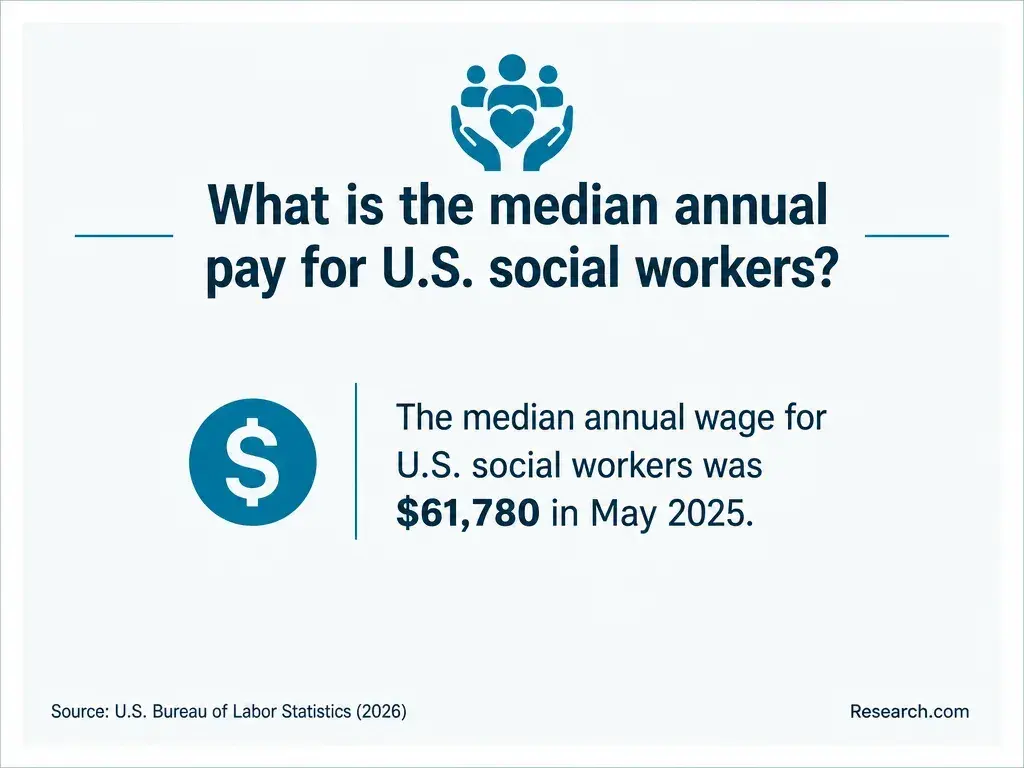
There is no reliable occupation-wide salary or growth figure for "forensic psychology MS graduates working in correctional staff training." The U.S. Bureau of Labor Statistics' training and development specialists occupation is a useful broad labor-market comparison, but it includes many industries and does not isolate correctional agencies or master's holders. A published occupational median or growth projection therefore cannot establish what this degree will pay you.
For a better estimate, compare current trainer classifications and posted pay ranges at agencies where you could work. Check whether your employer's pay schedule rewards graduate education, whether promotion requires an open position, and what you would forgo while studying. If the realistic entry route is a bachelor's degree plus agency experience, selecting an online psychology bachelor's program may deserve attention before an MS.
Does a forensic psychology master's degree require licensure or certification?
A nonclinical forensic psychology MS does not itself require a psychology license merely to be earned, and ordinary staff-training work is not the same as licensed psychological practice. An employer may nevertheless require academy instructor approval, job-specific certification, continuing training, or authorization to teach particular material. Verify those rules with the hiring agency.
Licensure becomes a separate issue if the intended job includes regulated assessment, diagnosis, or psychotherapy. The forensic concentration alone does not qualify someone to use the protected title of psychologist or provide those services. If you actually want a counseling role, compare the jurisdiction's qualifying-degree rules and supervised-practice requirements alongside shorter online counseling master's financial comparisons. For a trainer role, first secure the vacancy requirements; then choose the least costly education or training that closes a documented gap.
Other Things You Should Know About Psychology
Only with the agency's permission and the program's approval. Ask about data access, confidentiality, publication restrictions, and whether institutional research review is needed before collecting information.
Possibly. Agencies may use approved staff as part-time or subject-matter instructors. Ask the training unit about instructor approval, release time, and duties before relying on that route.
Not automatically. The university decides whether prior learning qualifies for credit and whether any awarded credit applies to this specific degree.
Check agency policy first. A self-created, nonconfidential sample lesson or evaluation plan is often safer than sharing internal procedures, staff records, or information about incarcerated people.
- Workforce Issues in Corrections - National Institute of Justice https://nij.ojp.gov/topics/articles/workforce-issues-corrections
- NIC Learn Center | learn.nicic.gov https://learn.nicic.gov/
- Our Hiring Process | bop.gov https://www.bop.gov/jobs/hiring_process.jsp
- Training Menu | Search All WSCJTC Courses https://cjtc.wa.gov/search-all-wscjtc-courses
- Correctional Officers | NC DAC https://www.dac.nc.gov/correctional-officers
- Skills You'll Build in a Master's Degree in Forensic Psychology | Neumann https://learn.neumann.edu/neuperspectives/skills-built-in-a-masters-degree-in-forensic-psychology
- A Career in Forensic and Public Service Psychology | apa.org https://www.apa.org/education-career/guide/subfields/forensic/education-training
- Forensic Psychology, MS | Monroe University Catalog https://catalog.monroeu.edu/catalog/schools-academic-programs/criminal-social-justice/forensic-psychology-ms/
- Master's Degree in Criminal Justice or Forensic Psychology? | ASU Online https://asuonline.asu.edu/newsroom/asu-online-news/masters-of-criminal-justice-or-forensic-psychology/
- How to Become a Forensic Psychologist in California (2026) | Touro University Worldwide https://www.tuw.edu/psychology/how-to-become-a-forensic-psychologist-in-california/