2027 Online BA in Psychology - Addictions vs. an Associate Degree in Human Services: Compare Curriculum, Cost, and Career Fit

Co-Founder and Chief Data Scientist
If you want to work in addiction recovery or community services, an online psychology BA with an addictions focus and a human services associate degree can both look relevant - but they prepare you for different work and may lead to different next steps.
This comparison is for prospective students and career changers weighing a faster route into support roles against broader undergraduate study. It explains the curriculum, likely costs, field experience, career options, and credential limits of each path so you can choose based on the job you actually want.
Key Things You Should Know
- A human services associate degree is commonly designed around roughly 60 credits; a psychology BA commonly requires roughly 120. Transfer credit and course availability can change the time needed for either degree.
- The associate degree generally offers a more direct route to entry-level service support. The BA offers deeper psychology and research preparation and meets a bachelor's-degree requirement where an employer or graduate program has one.
- Neither degree alone authorizes independent addiction counseling or psychotherapy. Check your state's credential rules before choosing courses or a placement.
What Is the Difference Between an Online BA in Psychology-Addictions and a Human Services Associate Degree?
The online BA in psychology-addictions is a bachelor's degree in psychological science with coursework focused on substance use, behavior, prevention, or recovery. The focus might be a formally named concentration or simply a set of electives; check the transcript designation rather than relying on a program's advertising. The human services associate degree is a shorter undergraduate credential usually centered on helping people access services, documenting needs, and working within community agencies.
The practical distinction is depth versus directness. The BA usually devotes more room to research methods and psychology across the lifespan; the associate program may bring students to supervised service settings sooner. Neither name guarantees a particular field placement or credential. Specialization also matters: undergraduate forensic psychology programs by completion time illustrate why an appealing psychology focus should be judged against the work you intend to do, not speed alone.
Which Degree Has Better Career Options in Addiction and Human Services?
For someone seeking entry-level agency work soon, the associate degree may fit roles such as service aide, intake support worker, or referral assistant. These employees may help clients navigate resources, maintain records, and coordinate with supervisors - not diagnose substance use disorders or deliver therapy. Employers may also value relevant experience, local knowledge, and reliable documentation skills.
The BA can be useful when a posting requires a bachelor's degree or when you want broader options in program coordination, outreach, research support, or preparation for graduate study. It does not automatically outrank an associate graduate with substantial service experience for every front-line job. Compare actual job postings in your area, including required credentials, before paying for additional credits. For a closer look at distinct support and treatment roles, see education routes for recovery-related careers.
How Do Curriculum and Coursework Compare Between the Two Degrees?
Course titles overlap, but the amount of scientific study and applied practice can differ substantially. This comparison shows what to look for in each school's required courses - not a promise that every program includes them.
| Curriculum feature | Psychology BA with addictions focus | Human services associate degree |
| Core emphasis | Psychological theory, development, behavior, and substance-use topics | Service systems, client support, communication, and community resources |
| Research preparation | Typically includes statistics and research methods | May include limited research or evaluation coursework |
| Applied learning | Internship or capstone varies by program | Practicum or agency experience may be required; verify the hours and site rules |
| Graduate-study preparation | Provides a bachelor's credential, subject to the next program's prerequisites | Usually requires transfer and further undergraduate study first |
If graduate study is possible, check for statistics, research methods, and upper-level psychology - not just addictions electives. If immediate agency work is the goal, examine supervised practice and documentation training. Comparing online psychology degree curricula can help you identify differences that a concentration name alone will not show.
For either option, first verify that the institution holds accreditation recognized by the U.S. Department of Education or the Council for Higher Education Accreditation, and that its status covers the school awarding the degree. Institutional accreditation matters for matters such as federal aid eligibility and credit review, but it does not establish that a program meets an addiction-counselor board's educational requirements.
Ask the relevant state credentialing body whether it requires particular courses, supervised hours, or program recognition. Do not expect American Psychological Association accreditation for a general undergraduate psychology BA; APA accreditation applies to specified professional psychology training programs, not every psychology degree. The same scope check matters when evaluating adjacent specialties: forensic psychology degree program quality checks should not be mistaken for verification of addiction-counselor eligibility.
An associate degree commonly totals about 60 semester credits and is often planned for two years of full-time study. A BA commonly totals about 120 credits and is often planned for four. Part-time enrollment, transferred credits, prerequisites, and limited course offerings can change those timelines. Online delivery does not reduce the credits required.
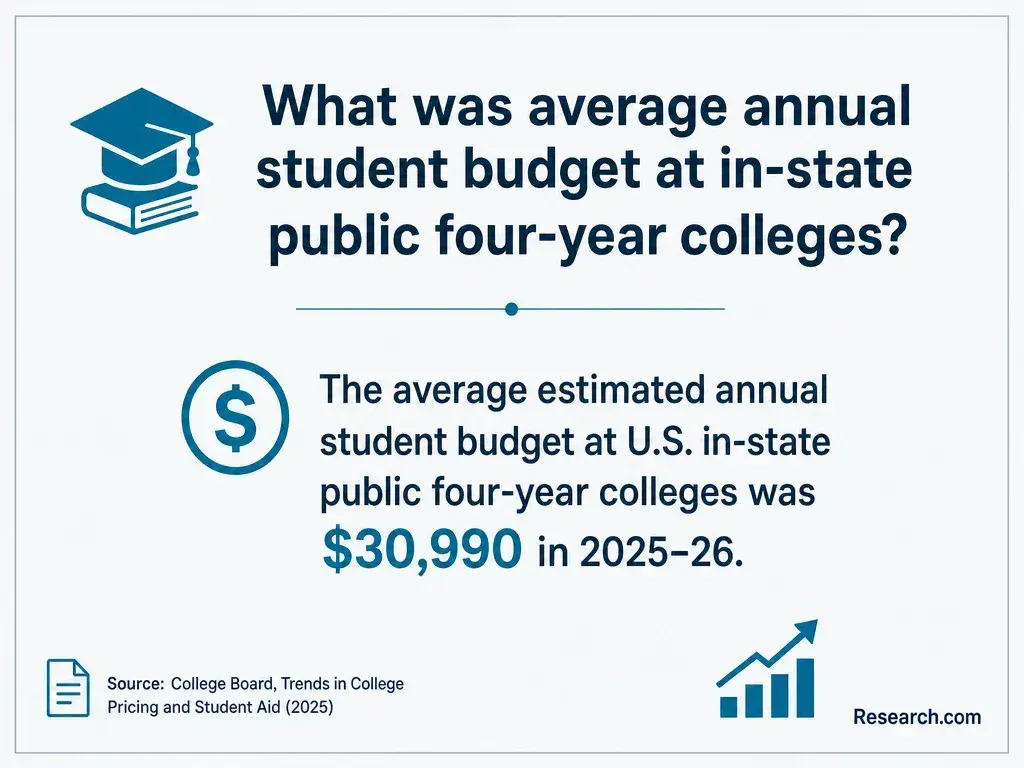
No single tuition figure fairly represents these degree types. Compare each school's remaining credits multiplied by its tuition rate, then add mandatory fees, books, technology, and any placement travel or unpaid time. Subtract grants or employer assistance only when you know you qualify. A lower price per credit can still lead to a higher total bill if fewer prior credits apply. When comparing BA prices, inexpensive undergraduate substance use counseling degree choices are worth examining - but check whether their curricula serve the same goal as a psychology BA.
Both routes generally ask for a high school diploma or equivalent and an application. A community college associate program may use placement or advising to determine starting courses. An online BA may also have separate requirements for entry to the psychology major or to an upper-division degree-completion track. Requirements vary by institution; an advertised online program is not necessarily open to every applicant in every state.
If you already have college credit, request a written degree audit before enrolling. It should distinguish credits the school accepts from credits that actually satisfy general education, statistics, psychology-major, and residency requirements. This is especially important when transferring from an applied associate program: its service courses may be useful professionally without replacing BA research requirements. See remaining coursework after transferring into psychology for the questions to bring to a transfer adviser.
Possibly, but neither degree grants a credential by itself. States set different education, supervised-experience, examination, and application rules for substance-use-disorder counselors; credential levels and permitted duties also differ. In some jurisdictions, an associate degree may support entry toward a supervised credential. Elsewhere, the target level may require a bachelor's or qualifying graduate education. An addictions-focused BA may supply relevant coursework without satisfying every required subject or supervised hour.
Before enrolling, find the state board's rules for the exact credential and ask the school to map required courses and placements to them in writing. If your goal is independently providing psychotherapy, investigate a qualifying professional graduate pathway rather than assuming either undergraduate option is enough. Comparing clinical counseling master's completion times can inform longer-term planning, but speed does not replace state licensure eligibility or supervised practice.
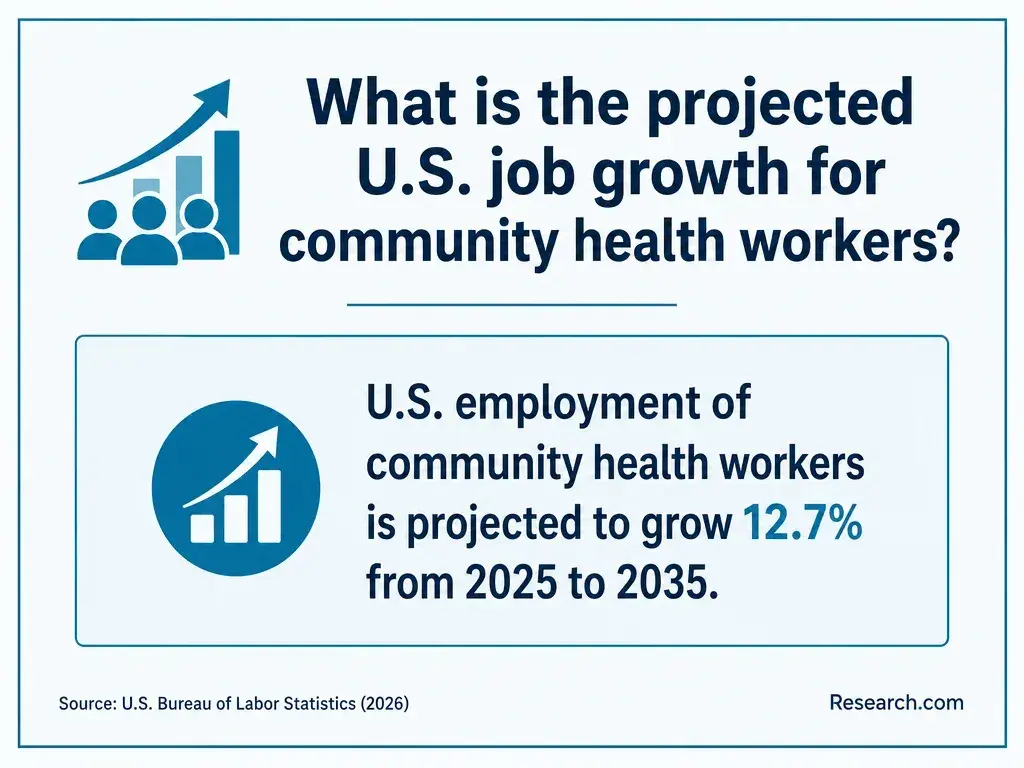
Occupational figures describe jobs, not the earnings of everyone holding a particular degree. The U.S. Bureau of Labor Statistics reported a May 2024 median annual wage of $45,120 for social and human service assistants, an occupation that includes support work for which employers may accept varied education and experience. For substance abuse, behavioral disorder, and mental health counselors, the May 2024 median was $59,190, and BLS projected employment growth of 17% from 2024 to 2034. Many counselor positions require a master's degree or a state credential, so that larger figure is not a BA or associate graduate's expected starting pay.
Use local postings to check wages for roles you can actually pursue now. When weighing further study, compare the added cost and time with the requirements of the specific job - not with an occupation-wide median. That distinction also matters when reviewing clinical counseling master's duration and earning potential.
Online classes may make lectures and readings easier to fit around work, but live meetings, group projects, proctored activities, and placement shifts can still have fixed times. Campus-based associate programs may offer nearby agency relationships, while online BA students may need to locate an approved site themselves. Neither format guarantees an internship.
Ask each program who secures placements, whether they are required, where students may complete them, who supervises them, and whether existing employment can count. Confirm that duties involving client information meet site confidentiality and school approval rules. An agency placement in intake or referrals is valuable applied learning, but it is not a clinical practicum merely because it takes place in a treatment setting. If later online study is part of your plan, shorter completion routes for psychology master's students warrant the same schedule and experience checks.
Which Degree Is Best for Your Education and Career Goals?
Choose the human services associate degree if you want a potentially shorter, lower-cost path toward supervised community-service work and its courses match nearby entry-level postings. Choose the online psychology BA with an addictions focus if you need a bachelor's credential, want substantial psychology and methods preparation, or plan to apply to a graduate program that requires a bachelor's degree. Neither is automatically the most direct route to a state-regulated addiction-counselor credential.
Before committing, name one target job and one possible next credential. Check their actual requirements, obtain a course-by-course degree plan and total-cost estimate from each school, and verify placement and transfer policies. If your goal is instead another specialty, make that a separate comparison; even forensic psychology master's study with faster pacing would answer a different career question. The best value is the route that closes your specific qualification gap without paying for coursework that does not advance it.
Other Things You Should Know About Psychology
Often, yes. Ask an organization about training, supervision, confidentiality, and role boundaries. Volunteering does not automatically count as academic fieldwork or credential-supervised hours.
It can provide a foundation in methods and statistics. Look for supervised research opportunities if that is your goal; the degree title alone does not establish research experience.
No. Peer support draws on lived experience and may have its own state training or certification rules. Counseling is a distinct role with jurisdiction-specific qualifications and permitted duties.
Compare the required courses and your target role. The BA-versus-BS label matters less than relevant methods training, applied experience, and any courses a future program or credential requires.
- Approved Human Services Degrees | ny.gov https://oasas.ny.gov/credentialing/approved-human-services-degrees
- B.S. Human Services/Substance Abuse and Addiction | Columbia Southern University https://www.columbiasouthern.edu/online-degree/view-all-programs/bachelors/bs-human-services-substance-abuse-and-addiction
- Finish the degree you started (without starting over) | Newman Today https://news.newmanu.edu/finish-the-degree-you-started-without-starting-over/
- How Long Are Community College Programs? | Edison State Community College https://www.edisonohio.edu/blog/how-long-are-community-college-programs
- Online Bachelor's Degree in Psychology in Addictions | Purdue Global https://www.purdueglobal.edu/degree-programs/psychology/bachelor-psychology-addictions/
- How to Become an Addiction Counselor: 5 Key Steps (2026) | Touro University Worldwide https://www.tuw.edu/health/how-to-become-an-addiction-counselor/
- Applied Psychology: Addictions Studies, B.S. - CPS, CPSO | University of New Hampshire https://www.unh.edu/program/bachelor-science/applied-psychology-addictions-studies
- What Degree Do I Need to Become a Counselor or Therapist? | Palo Alto University https://paloaltou.edu/resources/blog/what-degree-do-i-need-become-counselor-or-therapist
- BS in Psychology vs. Social Work vs. Human Services | Walden University https://www.waldenu.edu/online-bachelors-programs/resource/difference-between-bs-in-psychology-vs-social-work-vs-human-services
- Online Health & Human Services Degrees | 2026 | Public Health - https://www.publichealthonline.org/human-services/online-degree-programs/