2027 Online BA in Psychology - Addictions for College Admissions Representatives: Compare Transferable Skills and Degree Requirements
Audited and Verified:
Our Editorial and Data Verification Process
Research.com uses government datasets, official education statistics and primary institutional information to support its career and degree guides. Our review process checks factual accuracy, occupational definitions, source dates and the requirements associated with the credentials discussed.
How This Article Was Fact-Checked
Our editorial team verifies salary estimates, employment projections, education requirements and program information against original data providers and official organizations. Salary figures are checked against the relevant occupational definitions and reporting periods. Information about licensure, accreditation and required in-person training is reviewed separately.
Fact-checked and verified on:

Co-Founder and Chief Data Scientist
College admissions representatives already explain complex requirements, build trust, document conversations, and connect people with appropriate resources. An online BA in psychology with an addictions focus may deepen those skills, but it is not automatically the best route to advancement - or a qualification to counsel people with substance use disorders.
This guide compares your existing experience with the degree's coursework, transfer and scheduling requirements, costs, and possible career paths. It will help you decide whether a full bachelor's degree, targeted training, or a different professional pathway fits your goal.
Key Things You Should Know
- An admissions representative's interviewing, documentation, and referral skills transfer to some nonclinical support roles; addiction counseling has separate state-specific credential requirements.
- A psychology BA commonly requires about 120 semester credits overall, but only an approved degree audit can show which prior credits meet major, general education, and residency requirements.
- The U.S. Bureau of Labor Statistics projects 17% employment growth from 2024 to 2034 for the broad occupation combining substance abuse, behavioral disorder, and mental health counselors - not for psychology BA graduates specifically.
What is an online BA in psychology with an addictions focus?
It is a bachelor of arts degree that combines broad psychology study with coursework on substance use, prevention, recovery, or related service systems. "Addictions focus" may mean a formally recorded concentration, a group of electives, or simply a program description. Ask which designation will appear on the transcript; the wording alone does not establish a separate credential.
For an admissions representative, the strongest reason to pursue this degree is a defined next step: completing a first bachelor's degree, moving toward research or nonclinical recovery services, or meeting prerequisites for later professional study. If the goal is promotion within admissions, compare the curriculum with the employer's actual hiring criteria. Enrollment management experience, data skills, and supervisory development may be more directly useful than addiction-specific electives. You can review addiction psychology degree options for undergraduate students while checking each school's current catalog for its exact degree and concentration rules.
What accreditation should an online addictions psychology bachelor's program have?
Start with institutional accreditation recognized by the U.S. Department of Education or the Council for Higher Education Accreditation, and confirm that it covers the institution offering the degree. Then check the catalog for the online program's status and the institution's eligibility to enroll students in your state. Accreditation supports academic quality review; it does not guarantee that another school will accept credits or that a licensing board will recognize particular courses.
Do not look for American Psychological Association accreditation of a general psychology BA: APA accreditation applies to specified professional psychology programs and training, not ordinary bachelor's majors. If a student's actual destination is licensed counseling, evaluate the relevant graduate program and state rules separately. Comparing lower-cost accredited counseling degree pathways may clarify why an accredited psychology BA and a licensure-oriented counseling degree serve different purposes.
What careers can an online addictions psychology degree prepare you for?
Your admissions background is relevant to roles involving structured conversations, accurate records, outreach, and referrals. The degree can add psychological-science knowledge, but employers still assess experience, training, and the permitted duties of a specific job. This comparison separates skills you may already demonstrate from gaps a career change could expose.
| Potential direction | Relevant admissions experience | Preparation still to verify |
| Recovery-service outreach or intake support | Explaining options, listening, recording information, and referring people | Agency protocols, confidentiality training, crisis escalation, and any required credential |
| Community-program coordination | Event planning, follow-up, partnerships, and service communication | Knowledge of local services, accessibility practices, and program reporting |
| Student support or retention work | Navigating institutional policies and connecting students with campus resources | Position-specific advising, data, or supervisory qualifications |
| Addiction counseling | Rapport and documentation provide a starting point, not clinical competence | State-approved education, supervised practice, examination, or licensure as applicable |
Before changing careers, compare local job postings by duties and required credentials, not title alone. A supervised volunteer or entry-level support position can test your interest without assuming that a psychology BA authorizes treatment. For a closer look at nonclinical and credentialed roles, use recovery support career planning.
Expect general education alongside psychology foundations such as introductory psychology, development, social psychology, statistics, and research methods. An addictions focus may add courses on substance use, health behavior, prevention, recovery, or abnormal psychology. The exact requirements and whether an internship or capstone is offered vary by institution.
For an admissions representative, methods and statistics can be particularly useful for interpreting retention data or evaluating an outreach initiative. Addiction coursework can improve communication about service systems, but studying assessment or treatment does not authorize a graduate to diagnose or provide therapy. Ask for the course sequence: a statistics prerequisite, an infrequently offered upper-level elective, or a placement requiring daytime hours can change the practical value of an online schedule.
If applicants are weighing addictions against a justice-oriented specialization, compare the actual target role rather than assuming the concentrations are interchangeable. Forensic psychology graduate career value and qualifications illustrates a distinct pathway; neither specialization alone confers clinical or investigative authority.
Schools commonly request prior transcripts and evidence that an applicant meets their first-year or transfer admission criteria. Some admit students to the institution before a separate major review; others admit directly to psychology. As an admissions professional, keep those decisions separate from transfer-credit evaluation and graduation eligibility - your ability to explain policy is not authority to approve course equivalencies.
The distinctions below matter most if you have an associate degree, earlier college study, or employer-sponsored education. They show why an admission offer alone cannot establish a completion date.
| Decision | What it establishes | Who to confirm with |
| Institutional admission | Permission to enroll under stated conditions | Admissions office |
| Credit acceptance | Which prior courses receive institutional credit | Registrar or transfer-credit office |
| Requirement application | Whether accepted credits satisfy psychology, general education, or elective requirements | Authorized academic evaluator or department |
| Graduation audit | Remaining courses, minimum grades, and residency requirements | Academic advising and registrar |
Request a written audit using official transcripts and course descriptions for any disputed psychology, statistics, or research-methods equivalency. If you already hold a bachelor's degree, ask whether the intended job needs another undergraduate degree at all; finding a lower-cost psychology master's degree is relevant only after confirming that graduate study - not targeted training or experience - serves your goal.
A bachelor's degree commonly totals about 120 semester credits and takes roughly four years of full-time study from the beginning. For a working admissions representative, the meaningful figure is the credits remaining after an approved audit, not the number of credits a school initially accepts. Part-time enrollment, prerequisites, course availability, and any internship can extend the schedule.
Ask an advisor to map remaining requirements by term, including courses offered only once a year and any residency minimum. Then compare that plan with peak recruitment seasons and the hours required for live classes or supervised work. Advertised three-year online forensic psychology degree options provide a useful reminder that accelerated timelines depend on program structure and starting credits; they do not predict how quickly an addictions-focused BA will fit your record.
There is no reliable universal price. Compare each school's published tuition for your enrollment category with required fees, books, technology, and any travel or unpaid placement costs. Multiply the applicable per-credit charge by remaining billable credits only after receiving an audit; accepted credits that do not satisfy requirements may leave the program nearly as long as expected.
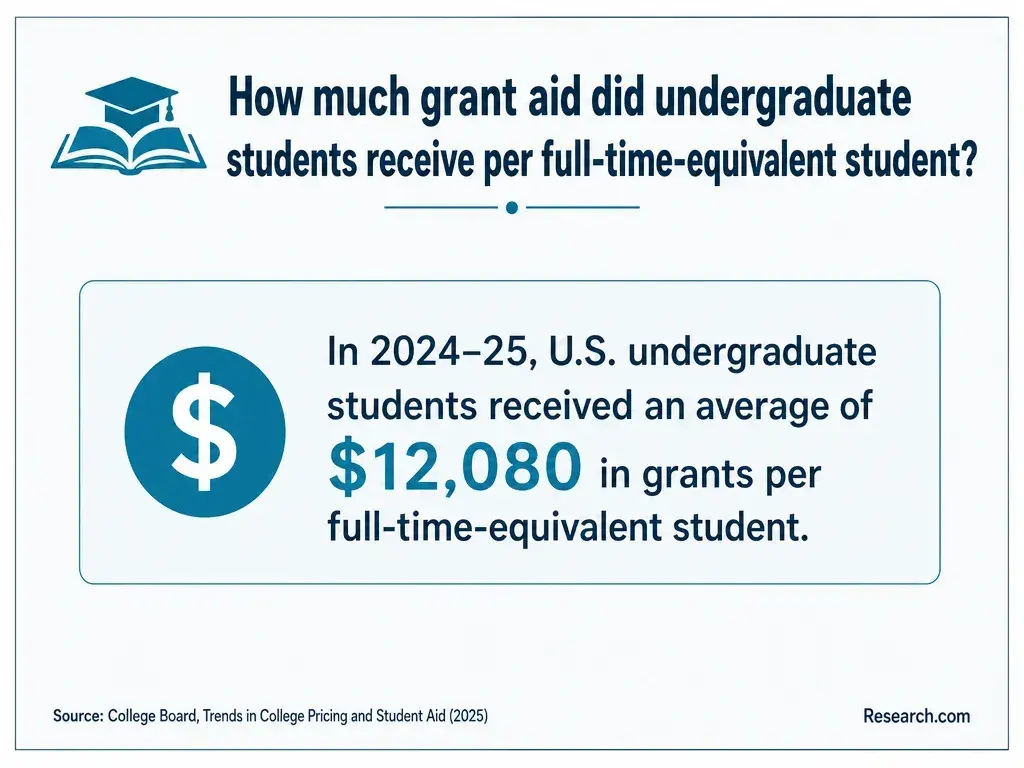
Ask the financial-aid office how your enrollment intensity, prior degree status, and satisfactory academic progress affect aid eligibility. Also check whether your employer offers tuition assistance and whether it requires a work commitment or minimum grade. Comparing grants for undergraduate addiction counseling study can help frame funding questions, but it cannot establish your personal award. A lower tuition rate is not necessarily a lower total cost if more courses or a longer period of enrollment are required.
Online study can remove a commute and widen program choice, but "online" does not necessarily mean asynchronous. Live meetings, group research, exams, and local placements can still collide with evening information sessions or travel-intensive recruitment periods. Campus study may offer easier access to faculty, research teams, and nearby agencies, while requiring a less flexible commute and timetable.
Compare the same practical features at each school: scheduled class hours, upper-level course rotation, faculty contact, research access, placement approval, and student support. Review online psychology programs with faster pacing only after checking whether their compressed terms leave enough time for your work and academic commitments. The best format is the one in which you can complete the required learning and any approved experience - not merely attend lectures.
Requirements depend on the state, credential level, employer, and work performed. A state may distinguish entry-level addiction counseling credentials from independent clinical licenses, with different rules for approved education, supervised experience, examinations, and permitted titles. Peer-support certification is another distinct route; it is not interchangeable with a counseling license. A psychology BA or addictions concentration alone does not authorize psychotherapy, diagnosis, or independent practice.
Before recommending a program to a prospective student - or enrolling yourself - identify the exact job title and state, then ask the responsible licensing board or credentialing authority whether the program's courses meet its educational rules. Obtain confirmation of how supervised hours must be earned; an undergraduate internship should not be presumed to count. If the intended role requires a qualifying counseling master's, shorter routes through mental health counseling graduate study warrant scrutiny for their actual curriculum, fieldwork, and state eligibility rather than speed alone.
What salary and job outlook can psychology graduates expect?
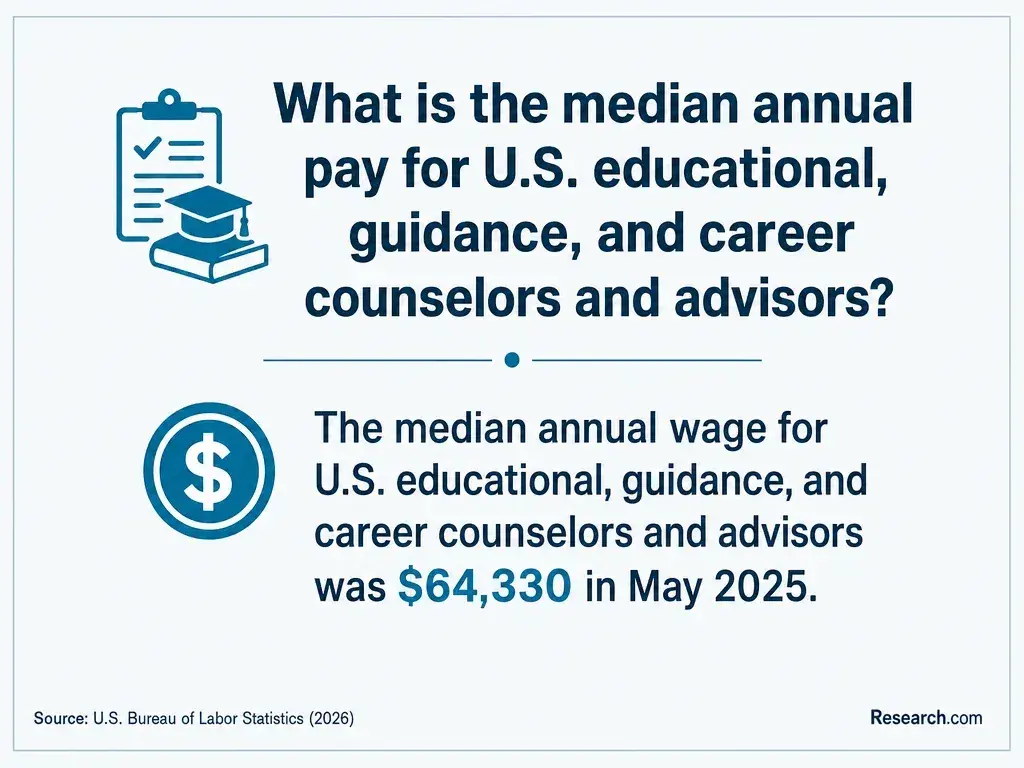
There is no single salary or employment forecast for graduates of an addictions-focused psychology BA. Compensation depends on the occupation, location, employer, experience, and credential. The U.S. Bureau of Labor Statistics reports a 2024 median annual wage of $59,190 and projects 17% employment growth from 2024 to 2034 for the combined occupation of substance abuse, behavioral disorder, and mental health counselors. That occupation includes workers with different qualifications; its median is not an expected starting salary for an admissions representative changing careers or for every BA graduate.
For a realistic comparison, obtain local pay ranges for the specific admissions, support, or counseling roles you would pursue, then account for tuition, any lost earnings, and additional credentialing time. If higher-paid licensed counseling is the goal, compare the full education and supervision pathway - not just a bachelor's degree or an accelerated graduate timetable. Guidance on accelerated clinical counseling degrees and study length can help identify time commitments to verify before treating a projected salary as a return on investment.
Other Things You Should Know About Psychology
Not simply to ask about a degree. Admissions staff should explain published requirements without soliciting sensitive health information or treating personal experience as a substitute for academic or professional qualifications.
They can provide approved information about campus or community resources and follow institutional safety procedures. They should not diagnose, recommend treatment, or present an academic conversation as counseling.
Often, but the school's catalog controls whether the change is permitted and which completed courses still meet degree requirements. An advisor can produce a revised audit before the student changes plans.
No. Lived experience may be relevant to peer-support work, but certification can require specific training, supervision, and other conditions set by the applicable state or certifying organization.
- Substance Use Disorder Professional (SUDP) | Washington State Department of Health https://doh.wa.gov/licenses-permits-and-certificates/professions-new-renew-or-update/substance-use-disorder-professional/certification-requirements
- Licensure & Certification | ECU https://dars.ecu.edu/programs/clinicalcounseling/licensure-certification/
- General Education Program | Undergraduate Courses, Curricula, and Academic Standards https://oucc.dasa.ncsu.edu/courses/general-education-program/
- Applied Psychology: Addictions Studies, B.S. - CPS, CPSO | University of New Hampshire https://www.unh.edu/program/bachelor-science/applied-psychology-addictions-studies
- Foundations in Addictions and Substance Use Disorders | maricopa.edu https://www.maricopa.edu/degrees-certificates/behavioral-science-human-services/workforce-development-foundations-addictions-substance-use-disorders-5894n-ccl
- Psychology, General-Experimental Concentration, (BS) | tusculum.edu https://catalog.tusculum.edu/preview_program.php
- How Do Asynchronous Classes Work? | Hopkins EP Online https://ep.jhu.edu/news/how-do-asynchronous-classes-work/
- Class Formats | Ivy Tech Community College https://www.ivytech.edu/classes/class-formats/
- Applied Psychology BA | Adult Education - [email protected] https://gpem.luc.edu/portal/program
- Advising Competencies | Colorado State University https://advising.colostate.edu/advising-competencies/