
2027 Best Online Colleges for Parents

Co-Founder and Chief Data Scientist
Choosing an online college while raising children is less about finding a famous name than finding a program you can finish around work, childcare, and family routines. The stakes can be substantial: the U.S. Bureau of Labor Statistics (BLS) reports a 2024 median annual wage of $93,600 for registered nurses, though a degree alone does not qualify someone for every nursing role.
This guide helps parents compare colleges and graduate program fields, spot scheduling and licensure obstacles, estimate costs, and identify the questions to ask before applying.
Key Things You Should Know
- Start with institutional accreditation, then confirm that the specific online program fits your schedule; online courses can still require live meetings or in-person work.
- Compare the cost and time to your credential after aid, accepted credits, fees, and required travel - not tuition rates or advertised completion times alone.
- Match the credential to the job: BLS reports a 2024 median annual wage of $133,080 for software developers, but that occupational figure is not a salary forecast for graduates.
Top 10 Best Online Colleges for Parents
Business Programs
An online MBA suits parents seeking broad management preparation; specialized master's degrees in accounting, finance, or analytics may fit a narrower goal better. Compare part-time course sequences, group-project meeting times, quantitative prerequisites, and total tuition. Some programs require work experience or a capstone. An MBA is not necessary for every management job, and an accounting master's does not by itself satisfy every state's CPA requirements. Choose the curriculum and schedule that serve your next role, not the degree with the broadest name.
Healthcare Programs
Online master's degrees in healthcare administration or public health can prepare parents for organizational, policy, or population-health work. Compare management-focused coursework with public-health research methods, and check for internships, applied projects, and scheduled live sessions. Healthcare management jobs commonly require relevant experience; a master's does not automatically confer a clinical license or a leadership position. Parents seeking direct patient care should instead investigate a program tied to the specific clinical credential they need.
Information Technology Programs
Master's programs in information technology, cybersecurity, or information systems often emphasize networks, cloud systems, security, and organizational technology. They may suit parents with technical experience who want deeper expertise or a career shift, but foundation courses can extend the path for newcomers. Ask whether labs are remote, team projects require live collaboration, and the curriculum aligns with the jobs you want. Certifications and hands-on experience may matter alongside the degree, particularly for security roles.
Computer Science Programs
An online computer science master's typically emphasizes algorithms, software, data, or computing theory. It is a better fit for parents seeking advanced technical study than for someone who only needs introductory coding skills. Programs may require prior programming and mathematics; bridge coursework can add time and cost. Compare thesis and project options, access to remote computing resources, and whether required classes run frequently enough for part-time study. A portfolio and experience can still be important in hiring.
Nursing Programs
Online MSN programs serve licensed nurses pursuing areas such as leadership, education, or advanced practice. Admission commonly depends on an active nursing license and prior nursing education. Online coursework does not eliminate clinical placements, and advanced-practice pathways have specialty-specific certification and state licensure requirements. Before applying, confirm eligibility in your state, who arranges clinical sites, required placement hours, and whether those shifts fit your childcare plan. Parents without a nursing license need an entry-to-practice route instead.
Psychology Programs
An online psychology master's can support research, behavioral-health-adjacent, or organizational work, depending on the concentration. It does not automatically qualify graduates to practice as licensed psychologists; that occupation generally requires doctoral education and state licensure. Counseling is a distinct pathway with its own accredited-program and supervised-practice considerations. Parents should check practicum requirements, state rules, and the jobs graduates actually pursue before choosing a program based on its title.
Education Programs
Online master's programs in education may focus on curriculum, instructional design, leadership, or teacher preparation. A degree for practicing teachers differs from an initial-licensure program, which may require student teaching and state-specific approvals. Parents should verify evening or asynchronous coursework, school-based placements, and whether their state recognizes the pathway. If the goal is a salary increase or endorsement, ask the employer or licensing agency which credentials count before paying for a degree.
Criminal Justice Programs
An online criminal justice master's may cover policy, leadership, research, or crime analysis. It can fit experienced public-safety professionals seeking specialized knowledge, but many entry-level law-enforcement roles do not require a master's. Compare analytical training, internship expectations, and employer tuition assistance with the cost of enrolling. Parents considering policing or federal work should check separate hiring, training, and eligibility rules; a graduate degree does not replace them.
Engineering Programs
Online engineering master's programs can help engineers deepen a specialty while working, but they vary considerably in prerequisites and delivery. Some require an engineering background, scheduled laboratory work, team design projects, or occasional campus attendance. Compare coursework with the technical duties you want and ask how part-time students complete a thesis or capstone. Professional engineer licensure follows separate state education, experience, and examination rules; earning an online master's does not automatically grant it.
Social Work Programs
An online MSW is a practice-oriented option for parents pursuing social work, but field education requires substantial supervised, in-person time. Advanced-standing routes generally require an eligible bachelor's in social work and have separate admission rules; applicants from other majors usually follow a longer route. Confirm program accreditation by the Council on Social Work Education, placement support near home, and your state's licensure requirements. Do not assume that online classes make daytime field hours optional.
What makes an online college a good choice for parents?
The best online college for a parent is one whose specific program is accredited, affordable to finish, and workable during ordinary childcare disruptions. A flexible college may still be a poor choice if a required course is offered infrequently or a placement conflicts with work hours.
These established online providers are starting points, not a ranked list. Their offerings and policies differ by credential, so use the comparison to decide which program details to verify.
| College or online division | Why a parent might consider it | What to confirm for the chosen program |
| Western Governors University | Competency-based study may suit students able to make steady progress independently. | Term expectations, tuition structure, and any clinical or field requirements. |
| Southern New Hampshire University | A broad online catalog offers multiple undergraduate and graduate paths. | Assignment deadlines, course sequence, and the full cost after transfer evaluation. |
| University of Maryland Global Campus | Its adult-focused online offerings may appeal to working parents. | Program availability, transfer applicability, and any scheduled sessions. |
| Arizona State University Online | A large university catalog provides options across multiple fields. | Requirements for the exact major, including labs or experiential work. |
| Oregon State University Ecampus | Its online degree catalog offers another public-university option to compare. | Course rotation, residency-based pricing, and program-specific in-person work. |
For each finalist, request a degree plan showing remaining requirements and when required courses run. That is more useful to a parent than an institution-wide claim that classes are "flexible."
How can parents verify an online college's accreditation?
Check accreditation at two levels: the college's institutional status and, where relevant, the program's specialized accreditation. Institutional accreditation matters for federal aid eligibility and may affect credit recognition; professional fields can have additional requirements.
Use this sequence before submitting an application, especially if you expect to transfer or seek licensure:
- Find the college's legal name and accreditor in its official catalog, then confirm its current status with the accreditor and the U.S. Department of Education's accreditation database.
- Check the programmatic accreditor when the intended profession calls for one, such as social work or certain nursing pathways.
- Ask the relevant state licensing board whether the specific program meets educational requirements where you plan to work.
Accreditation is not a promise that credits will transfer or that a licensing board will approve every graduate. Get program and state-specific answers in writing.
Which online degree programs offer flexible schedules for parents?
For parents, the most flexible program is usually one that permits part-time enrollment, posts materials for asynchronous access, offers required courses predictably, and sets clear deadlines. Business, IT, and some general education programs may offer more remote coursework than nursing, teaching, counseling, or social work, where placements can control the schedule.
A competency based degree can be worth comparing if you already know much of the material and can study consistently. It is not automatically self-paced in every respect: terms, assessments, and program requirements still apply. Ask for a sample course calendar, expected weekly workload, live-session rules, and a plan for missed work when childcare falls through.
What online degree options lead to in-demand careers?
Start with an occupation, then identify the credential employers or regulators actually require. Computing can offer technical roles, nursing can lead to licensed patient-care work, and education and social work can serve regulated professions. Each route has different prerequisites, experience expectations, and location-specific obligations.
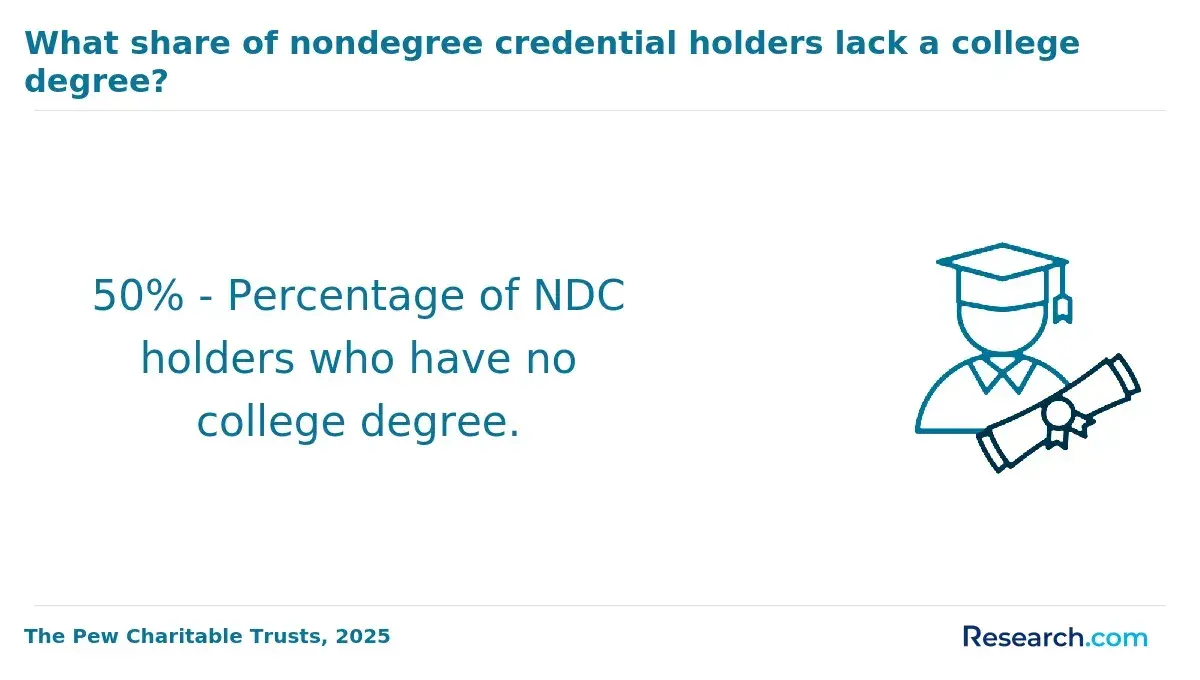
A shorter credential may be a better first step when you are testing a career change or need a specific skill. Compare certificate programs that pay well with degree pathways, but check whether employers recognize the credential and whether it builds toward your longer-term goal. Be wary of choosing a degree solely because a related occupation has a high median wage.
How do online classes compare with campus-based programs for parents?
Online study removes many commutes, not the need for protected study time. Campus programs may provide easier access to facilities and face-to-face support, while online programs can give parents more control over where they complete coursework.
This comparison highlights scheduling differences to test against your childcare and work arrangements; neither format is inherently easier.
| Consideration | Online program | Campus-based program |
| Class attendance | May be asynchronous or require live meetings. | Usually tied to a fixed class location and time. |
| Hands-on requirements | May still require local placements, labs, or visits. | Facilities may be on campus; off-site placements can still apply. |
| Family logistics | Less commuting, but home study needs reliable time and internet. | Travel and childcare may be necessary for each class meeting. |
If you learn best through in-person discussion or lack a quiet place to study, a nearby campus or hybrid option may be the stronger choice.
What are the admission requirements for online colleges?
Admission depends on the credential and program, not merely on whether the college teaches online. Undergraduate applicants typically provide prior school records; transfer applicants should request a course-by-course evaluation. Graduate programs commonly require a bachelor's degree and may specify prerequisites, a GPA threshold, professional experience, recommendations, or an active license. Selective nursing and other practice programs can set requirements beyond general university admission.
If a bachelor's degree is not yet the right step, an associates degree online may offer an entry point. Before enrolling, ask which credits would satisfy a later bachelor's major rather than transferring only as electives. Likewise, do not assume undergraduate credits apply to a master's degree.
How long do online degrees take and how much do they cost?
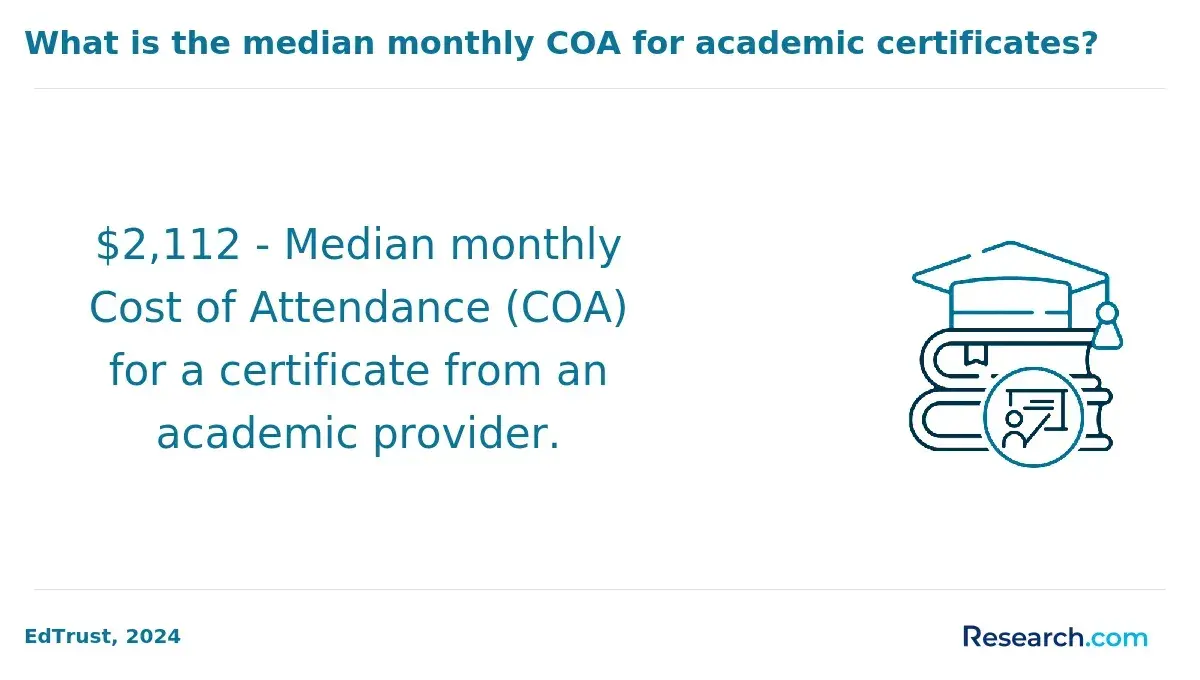
Completion time depends on remaining credits, enrollment pace, required course availability, prerequisites, and placements. A parent attending part time may take longer than an advertised full-time timeline; accepted transfer credits can shorten an undergraduate plan only when they satisfy actual degree requirements.
These cost categories help distinguish a low advertised tuition rate from the amount a family may need to budget to finish.
| Cost category | Why it changes the comparison |
| Tuition and mandatory fees | Rates may vary by program, credit load, or residency. |
| Books, technology, and supplies | Requirements differ across courses and technical fields. |
| Placements and travel | Clinical work, student teaching, or campus visits can add expenses and reduce work hours. |
| Remaining coursework | Accepted credits may lower cost; prerequisites and repeated courses may raise it. |
Request a written estimate for your remaining program, including required fees and the likely part-time schedule. Compare that figure with available aid and the earnings you may give up during fieldwork - not just the price per credit.
What financial aid options are available to student parents?
Parents can explore federal grants and loans, state aid, institutional scholarships, employer tuition assistance, and, where available, aid for childcare. Eligibility varies by credential, enrollment status, financial circumstances, and school. Complete the Free Application for Federal Student Aid (FAFSA) and confirm that the specific school and program qualify for the aid you expect; a starting point for comparing schools is this guide to FAFSA approved online colleges.
Ask each financial aid office for a net-cost estimate showing grants separately from loans. Check whether part-time enrollment changes aid, whether employer benefits require staying on the job, and whether childcare support is available. Borrow only after comparing the likely total debt with your career plan.
What careers, salaries, and job outlooks can online degrees offer?
An online degree can support career entry or advancement, but the occupation - not the delivery format - determines typical work and credential requirements. BLS reports a 2024 median annual wage of $133,080 for software developers. That figure describes workers across experience levels and employers; it is not the expected pay for a new computer science graduate.
Software development employers commonly value programming ability and experience. Registered nurses need state licensure, while clinical social work requires additional supervised experience and licensure. Management roles often call for relevant work history as well as education. Before committing, compare BLS occupation descriptions and outlooks with local job postings, then ask whether the program's coursework, placement opportunities, and credential actually match those requirements.
Other Things You Should Know About
Some programs allow remote academic coursework, but labs, clinicals, practicums, student teaching, or residencies may require attendance elsewhere. Check the requirements for the exact program.
Employers evaluate factors such as institutional accreditation, relevant skills, experience, and the credential itself. An online format does not remove professional licensing or hiring requirements.
Ask whether the program permits part-time enrollment and when each required course runs. A workable course sequence matters more than a school's general promise of flexibility.
Compare a written degree plan, the full estimated cost after aid, accreditation, live and in-person requirements, and support available when your schedule changes.
References
- Accreditation in the U.S. | ed.gov http://www.ed.gov/laws-and-policy/higher-education-laws-and-policy/college-accreditation/accreditation-in-the-us
- Cost of Attendance (Budget) | 2025-2026 Federal Student Aid Handbook https://fsapartners.ed.gov/knowledge-center/fsa-handbook/2025-2026/vol3/ch2-cost-attendance-budget
- 4 Flexible Ways to Earn a College Degree on Your Schedule | stjohns.edu https://www.stjohns.edu/news-media/johnnies-blog/4-flexible-ways-earn-college-degree-your-schedule-0
- Attendance and Tardiness | Hondros College of Nursing (HCN) | American Public University System https://catalog.apus.edu/hondros/academic-programs/academic-policies-standards/attendance-and-tardiness/
- § 1-501 | Student Code | Illinois https://studentcode.illinois.edu/article1/part5/1-501
- Online Tuition & Cost Calculator - ASU Online https://asuonline.asu.edu/what-it-costs/
- Transfer Credit - Military Students | Waldorf University https://waldorf.edu/online/military-students/transfer-credit/
- Credit for Prior Learning FAQs | CUNY SPS https://sps.cuny.edu/academics/credit-prior-learning/credit-prior-learning-faqs
- Student parent resources - Financial Aid and Scholarships https://financialaid.ucdavis.edu/undergraduate/types/defined-assistance/student-parent-resources
- Best Colleges for Single Parents and Students With Children https://www.bestcolleges.com/blog/best-colleges-students-with-children/


