
2027 Best College Programs With Low GPA Options

Co-Founder and Chief Data Scientist
A low GPA can narrow your college options, but it does not settle your future. The right path depends on whether you need a bachelor's degree, a career credential, or admission to a specific master's program. The stakes are practical: the U.S. Bureau of Labor Statistics reported a 2024 median wage of $93,600 for registered nurses, yet nursing programs often have separate, selective entry requirements.
This guide compares program families, explains where flexible admission may exist, and shows you how to check requirements, costs, and career eligibility before applying.
Key Things You Should Know
- A low GPA does not automatically rule out college, but admission to a college and admission to a selective major or graduate program are separate decisions.
- Conditional admission, prerequisite courses, and certificate-to-degree pathways can help; applicants must confirm the policy for their exact program and education level.
- Career demand is not proof of easy admission. BLS projected 33% employment growth for information security analysts from 2023 to 2033, but employers may also expect substantial technical experience.
Top 10 Best College Programs With Low GPA Options
Business Programs
A master's in business administration, management, or accounting may suit applicants seeking advancement rather than entry into an entirely new profession. Some programs review work experience, recommendations, and recent coursework alongside undergraduate GPA; others maintain firm minimums or prerequisite requirements.
Ask whether conditional admission applies to your intended concentration and whether a GMAT waiver has separate eligibility rules. Compare total tuition and required foundation courses, not just the advertised program length. Accounting applicants should also check their state's CPA education requirements before choosing a curriculum.
Healthcare Programs
Master's programs in healthcare administration or public health can fit applicants interested in operations, policy, or population health without preparing them for clinical licensure. Admissions committees may consider professional experience or stronger grades in recent courses, but policies vary by program.
Check for statistics prerequisites, internships, and whether a concentration requires an in-person placement. A healthcare administration degree does not qualify its holder to practice medicine, nursing, or therapy. If your goal is a licensed clinical role, choose a program built for that profession's requirements instead.
Information Technology Programs
A master's in information technology, cybersecurity, or information systems may be worth exploring if your overall GPA understates your recent technical ability. Programs differ on whether they require prior computing coursework and whether they consider certifications or work experience in admission.
Ask about bridge courses, hands-on labs, and the availability of evening or online sections. A flexible GPA review does not remove the need to master technical foundations; compare the curriculum with the systems, security, or analytics work you want to do.
Computer Science Programs
Master's-level computer science usually demands more mathematical and programming preparation than a general IT program. An applicant with a low cumulative GPA but strong grades in algorithms, calculus, or related subjects may have a more persuasive case than one lacking prerequisites.
Some programs offer preparatory coursework, which can increase both cost and completion time. Compare applied capstones with research or thesis tracks. If you need foundational coding skills rather than advanced computer science study, a lower-cost certificate or undergraduate courses may be a better first step.
Nursing Programs
Master's nursing pathways commonly require an active RN license and prior nursing education; direct-entry options have different requirements. A school may have flexible graduate admission generally while its nursing program requires a higher GPA, specific science grades, or clinical experience.
Verify the exact track, clinical-placement responsibilities, and whether it meets requirements for your state and intended advanced role. Do not assume conditional university admission extends to nursing or that an online curriculum eliminates in-person clinical hours.
Psychology Programs
A master's in psychology can support research, organizational work, or preparation for further study, but it does not automatically lead to psychologist licensure. Applicants with uneven grades should ask whether recent methods or statistics coursework can strengthen their file and whether the program considers a statement explaining earlier performance.
Check whether the degree is research-focused or designed for a specific practice pathway. If you want to provide clinical services, verify your state's licensing rules and the program's eligibility before enrolling.
Education Programs
Master's programs in education serve different goals: initial teacher preparation, advancement for licensed teachers, and non-licensure work such as curriculum design. That distinction matters more than a broadly flexible graduate admissions policy.
Ask whether a low-GPA applicant can enter conditionally, whether teaching experience is required, and whether student teaching or fieldwork can be completed locally. For initial licensure, confirm that the specific program meets your state's requirements; an education master's degree alone may not qualify you to teach.
Criminal Justice Programs
A master's in criminal justice, criminology, or public safety may suit working professionals seeking policy, analysis, or leadership preparation. Relevant employment and strong recent coursework may help explain a low undergraduate GPA where a program uses holistic review; neither guarantees admission.
Compare research-oriented degrees with applied programs that include a capstone. Check whether your target job actually requires graduate study: many law-enforcement roles have separate academy, background-check, and agency requirements that a degree cannot replace.
Engineering Programs
Engineering master's programs often assess both overall GPA and performance in mathematics and discipline-specific courses. Applicants changing fields may face prerequisite sequences even if admitted. Compare professional, project-based degrees with research tracks, and confirm laboratory or campus requirements before choosing an online option.
If professional engineer licensure is your goal, investigate your state board's education and experience rules; a master's degree is not a substitute for every required step. Recent technical coursework may strengthen an application, but ask the department how it is evaluated.
Social Work Programs
A master of social work is a professional pathway toward social-work practice, but admission and licensing are distinct. Programs may consider service experience and a strong personal statement, while still imposing GPA, prerequisite, or field-placement requirements.
Applicants who already hold an eligible bachelor of social work should ask about advanced-standing eligibility; it is not available merely because someone has work experience. Confirm program accreditation, local field-placement support, and your state's post-degree supervision and examination rules before applying.
What College Programs Accept Students With Low GPAs?
Programs that may offer a route for students with low GPAs include community college certificates and associate degrees, bachelor's completion programs, and selected master's programs with holistic or conditional admission.
None of these categories guarantees acceptance. "Low GPA" has no universal cutoff: a college's general-admission rule may differ from a nursing cohort's rule or a graduate department's rule.
Use this comparison to identify a sensible starting point before checking individual program policies. The key distinction is whether you need initial college admission, entry to a selective major, or graduate admission.
| Program type | When it may fit | Admission issue to verify |
| Community college certificate or associate degree | You need a new academic record, career training, or a transfer route | Placement rules and separate admission to selective fields |
| Bachelor's or degree-completion program | You need an undergraduate credential or have applicable prior credits | Transfer-grade rules and requirements for the intended major |
| Master's with holistic or conditional review | You hold a bachelor's degree and can show relevant preparation | Published program-specific GPA and conditional-admission terms |
A practical "best" choice is one you can enter, afford, complete, and use for your goal, not simply the program with the lowest stated GPA threshold.
How Can You Get Into College With a Low GPA?
Start by calculating the GPA that matters to each program: cumulative undergraduate GPA, GPA in the last portion of your degree, major GPA, or prerequisite-course GPA. Schools may use different measures, and an admissions office should confirm which one governs your application. A missing published minimum is not evidence that GPA plays no role.
Then build an application around evidence of current readiness. The following steps help you spend time and application fees on plausible options:
- Ask each program whether it has a firm cutoff, holistic review, conditional admission, or an appeal process for your applicant category.
- Request a transcript review to identify missing prerequisites and whether recent coursework could improve your case.
- Explain the circumstances behind weak grades briefly, then document what changed through stronger courses, relevant work, or references.
- Apply to a balanced set of programs, including a certificate, community college, or transfer pathway if direct entry is unlikely.
Do not assume that a strong essay can override a mandatory cutoff. For master's admission, ask whether a graduate certificate can later apply toward the degree; credit is not automatic.
Are Online Colleges Better Options for Students With Low GPAs?
Online colleges can improve access, but online delivery does not make admission easier by itself. The same institution may apply one policy to general online admission and a stricter one to an online nursing, engineering, or graduate program. Some online courses also require live meetings, fixed deadlines, proctored exams, or in-person fieldwork.
Compare online, hybrid, and campus programs by the support and scheduling you actually need. An applicant rebuilding academic confidence may value accessible tutoring and predictable instructor contact more than maximum scheduling freedom.
When reviewing nationally accredited online colleges, check the institution's current accreditor and your intended program's transfer, aid, and licensure implications rather than relying on the label alone.
Before enrolling, request the course schedule and any residency or placement requirements in writing. A program that fits your calendar is useful only if you can also meet its academic and career requirements.
Which Degree and Certificate Pathways Offer Flexible Admission?
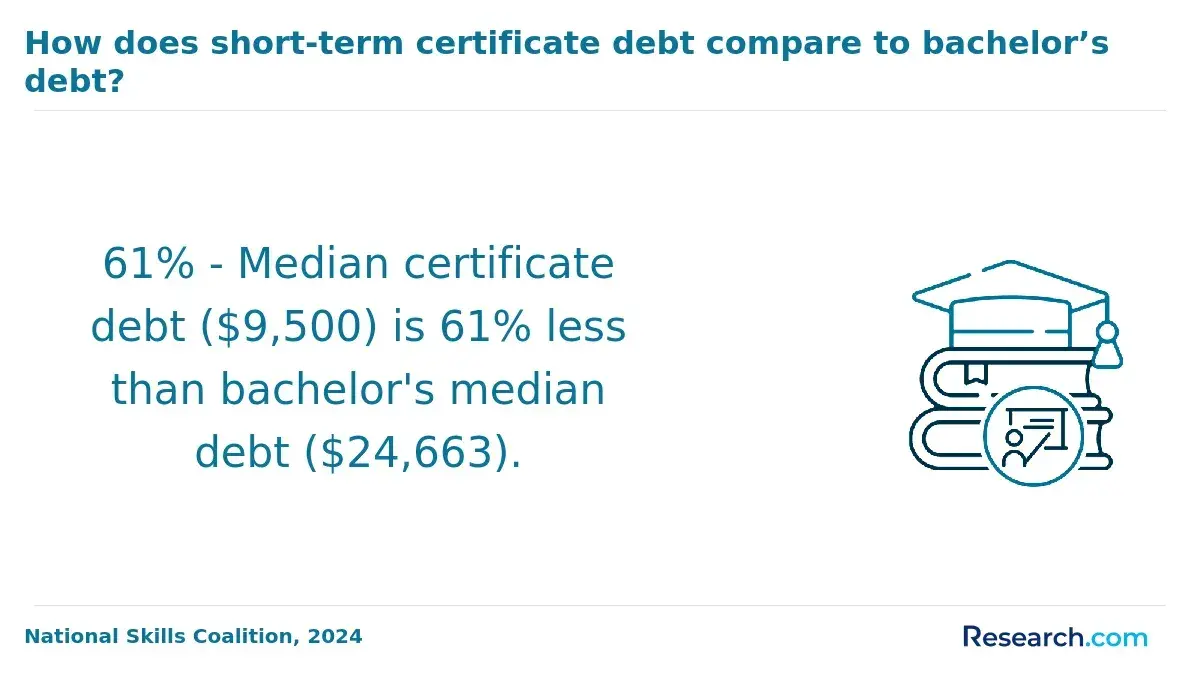
Certificates, associate degrees, transfer pathways, bachelor's completion programs, and some graduate certificates offer different ways forward. A certificate can demonstrate recent academic performance, but it is valuable as a bridge only if the receiving degree program confirms how its courses will count.
Returning students considering degrees for older adults should request an evaluation of previous coursework before committing. Ask which credits satisfy general education, major, or elective requirements; whether grades or course age affect acceptance; and how many credits must be completed at the new institution. Work or military experience may be eligible for a published prior-learning assessment, but experience itself does not automatically earn credit.
At the master's level, confirm that any proposed bridge uses graduate-level credits accepted by the target program. Prior undergraduate credits generally cannot be assumed to reduce graduate-degree requirements.
What Do Low-GPA College Programs Cost and How Long Do They Take?
There is no single price or completion time for a "low-GPA program." Costs depend on the credential, required coursework, enrollment intensity, residency status, fees, and accepted credits. A conditional offer can add foundation courses, while clinicals or student teaching can limit how quickly someone finishes.
The comparison below separates the expenses most likely to change your total bill. Use a school's written degree audit and tuition schedule to estimate what you would still need to complete.
| Pathway | Main cost and time variables | Potential hidden expense |
| Certificate or associate degree | Required courses, local tuition rules, and course availability | Books, supplies, labs, or courses that do not transfer |
| Bachelor's completion | Credits accepted toward the degree and remaining residency requirements | Repeated major courses or added prerequisites |
| Master's degree | Program tuition, foundation courses, and capstone or fieldwork sequence | Program fees, travel, and placement-related expenses |
For an undergraduate starting point, College Board's published 2024-25 average in-district tuition and fees at public two-year colleges was $4,050. That figure is not the cost of a full credential or a master's program; it illustrates why comparing tuition alone can mislead.
Explore the most affordable online colleges as a starting list, then compare your full estimated cost and confirm aid eligibility with each school. Federal aid depends on the institution, program, enrollment, and student eligibility.
How Can You Verify Accreditation for a Low-GPA College Program?
Accreditation matters for federal aid, transfer evaluation, and some professional pathways. Start with the institution's current accreditor, then investigate programmatic accreditation if your intended occupation or licensing board requires it. Institutional accreditation alone does not establish eligibility for every license.
Use this short verification sequence before paying a deposit:
- Find the institution in the U.S. Department of Education's accreditation database and confirm its current status and covered campuses.
- Check the relevant programmatic accreditor's directory for the exact degree and location or delivery format.
- Ask the state licensing board whether that program meets the education requirements where you intend to work.
- Get written clarification if accreditation is pending, the program is new, or school and accreditor listings differ.
Be wary of an admissions claim that "accredited" means every credit will transfer or every graduate can obtain a license. Receiving schools and state boards make their own determinations.
Which Careers Can Low-GPA Programs Prepare You For?
Match the program to a realistic occupation before using career outcomes to justify its cost.
Business and healthcare administration programs may support operations roles; IT and computer science can build technical skills; education, nursing, and social work pathways may be designed around regulated practice. Psychology and criminal justice degrees serve several purposes, so the course of study should match the work you want.
Entry requirements can differ sharply even within one field. An information security analyst role may require technical experience; a registered nurse needs state licensure; a schoolteacher typically needs a state credential.
If your aim is career entry rather than advancement, ask employers which credential and practical experience they expect. For a management goal, ask whether relevant work history matters more than an additional degree.
What Salaries and Job Outlook Can Graduates Expect?
BLS reported a 2024 median wage of $124,910 for information security analysts. That is an occupational median across workers, not the expected salary for someone completing an IT or cybersecurity program. The same distinction applies to wage figures for nursing, business, and other fields: experience, location, job duties, and required credentials affect outcomes.
Demand also differs by occupation. BLS's projection of 33% growth for information security analysts from 2023 to 2033 signals opportunity, but it does not mean every graduate will enter that role.
When comparing the most lucrative college majors, check whether the cited occupation typically requires the credential you plan to earn. Weigh total program cost against realistic entry roles, rather than a senior worker's median wage.
Which Licenses or Certifications Do These Careers Require?
Licensure and certification requirements belong to the occupation, not to the fact that a college admitted you. The examples below show why you should confirm the rules for your intended role and state before choosing a program.
| Career goal | Requirement beyond program admission |
| Registered nurse or advanced practice nurse | Applicable nursing education, examination, and state licensure; advanced roles have additional requirements |
| Public school teacher | State-approved preparation and applicable state certification requirements |
| Licensed social worker | State-specific degree, examination, and, for some licenses, supervised-experience requirements |
| Licensed psychologist | State-specific education, supervised practice, and examination requirements; a master's alone is generally insufficient for independent psychologist licensure |
| Professional engineer | State board requirements that may include qualifying education, examinations, and experience |
Industry certifications in IT can demonstrate particular skills, but they are not usually a substitute for a state professional license. Ask the relevant board or credential issuer about the exact program, not merely whether the school offers the subject.
Other Things You Should Know About the Best College Programs
Possibly. Some programs use holistic or conditional review, while others enforce a minimum. Ask the specific department which GPA it evaluates and what evidence can support an application.
Community colleges can offer an accessible starting point, but admission to selective programs such as nursing may have separate academic requirements. Check both policies.
They may demonstrate improvement where a program considers recent coursework. They generally do not erase earlier grades or override a firm cutoff; ask how the program calculates GPA.
No. Confirm that you can afford and complete it, that its credits serve your goal, and that it meets any accreditation or licensing requirements for your intended career.
References
- Financial Aid Eligibility | Federal Student Aid https://studentaid.gov/understand-aid/eligibility
- Accreditation in the U.S. | ed.gov http://www.ed.gov/laws-and-policy/higher-education-laws-and-policy/college-accreditation/accreditation-in-the-us
- School-Determined Requirements | 2025-2026 Federal Student Aid Handbook https://fsapartners.ed.gov/knowledge-center/fsa-handbook/2025-2026/vol1/ch1-school-determined-requirements
- Academic Renewal | Admissions and Record s https://admissions.fullcoll.edu/grades/academic-renewal/
- Repeating a Course & Grading for Repeated Courses | University of Arizona Catalog https://catalog.arizona.edu/policy/courses-credit/grading/course-repeat
- Admission Status and Classification of Students - UNLV Catalog https://catalog.unlv.edu/content.php
- Why Is Accreditation Important? | ACE Blog https://ace.edu/blog/why-is-accreditation-important/
- Undergraduate Admission | csustan.edu https://catalog.csustan.edu/content.php
- Conditional Admission | University of Texas at Rio Grande Valley https://www.utrgv.edu/admissions/graduate/resources/conditional-admission/index.htm


