
2027 Best College Programs With Credit for Military Experience

Co-Founder and Chief Data Scientist
Your military training may be worth college credit, but the answer changes dramatically between a bachelor's degree and a master's program. For veterans, service members, and military spouses comparing their next credential, that distinction can determine both cost and time to completion.
The U.S. Department of Veterans Affairs generally provides up to 36 months of Post-9/11 GI Bill benefits to eligible students, making it important to use those months strategically. This guide compares master's program fields, explains how military learning is evaluated, and shows what to verify before choosing a school.
Key Things You Should Know
- Best fit depends on the degree. Business, IT, and criminal justice master's programs may align closely with military training, but experience does not automatically become graduate credit.
- Check where credit lands. A school might accept military learning toward an undergraduate elective yet award no credit toward a particular master's program.
- Eligible students generally have up to 36 months of Post-9/11 GI Bill benefits. Required credits, fees, and any in-person work determine how far those benefits go.
Top 10 Best College Programs With Credit for Military Experience
Business Programs
An MBA or master's in management can suit veterans whose leadership, logistics, or operations experience supports a move into civilian management. Prior service may strengthen an application or qualify a student for a foundation-course waiver, but it does not necessarily reduce graduate credits.
Compare concentrations, prerequisite courses, internship options, and whether the school grants graduate credit for documented military education. Choose a specialized supply chain or accounting program instead when the target job calls for deeper technical preparation.
Healthcare Programs
A master's in healthcare administration can build on military medical administration, logistics, or supervisory experience without preparing students to practice clinical medicine. Clinical healthcare master's programs have different prerequisites and may require an existing license.
Ask whether any previous graduate-level coursework, not merely occupational experience, meets program requirements. Compare healthcare administration with public health according to the intended role: organizational operations versus population health, policy, or research.
Information Technology Programs
A master's in information technology or cybersecurity may fit veterans with military communications, systems administration, or security experience. Programs can emphasize management, applied security, or technical architecture; the right choice depends on the work you want to do.
Certifications and military courses may help with admission or prerequisite placement, but graduate credit requires a separate evaluation. Check for technical prerequisites, hands-on projects, and any restrictions on using older technology coursework.
Computer Science Programs
A master's in computer science is often more mathematical and programming-intensive than a general IT master's. Military technology work can provide useful context, but applicants without coursework in algorithms, programming, and discrete mathematics may need bridge classes.
Compare research-oriented programs with applied, project-based options. A shorter path on paper may cost more if prerequisite courses do not count toward the degree; request a written assessment before committing.
Nursing Programs
A master of science in nursing generally requires a nursing license and prior nursing education; military medical service alone is not a substitute. Tracks such as nurse education, administration, and advanced practice lead to different requirements. Advanced-practice routes can involve supervised clinical hours and state licensure.
Veterans with military healthcare training but no RN license should first investigate an appropriate prelicensure nursing pathway, then ask whether any military learning applies to that earlier credential.
Psychology Programs
A master's in psychology can support research, program evaluation, or preparation for further study, but it does not automatically qualify graduates to practice as licensed psychologists. Veterans interested in counseling should compare programs specifically designed for the applicable state license, including required clinical training.
Military behavioral health experience may inform an application; it usually cannot replace supervised practicum requirements. Verify the intended occupation before selecting a broadly named psychology degree.
Education Programs
A master's in education may appeal to veterans interested in teaching, training, curriculum, or educational leadership. A degree for licensed teachers differs from an initial teacher-preparation program.
If classroom teaching is the goal, confirm state approval, student-teaching arrangements, and whether the program leads toward initial licensure. Military instruction experience may support admission or a portfolio, but do not assume it substitutes for state-required teaching practice.
Criminal Justice Programs
A master's in criminal justice or homeland security can connect military leadership and security experience with policy, administration, or analysis roles. It is less useful if the target agency primarily values entry-level eligibility, an academy, or relevant employment rather than a graduate credential.
Compare the curriculum's emphasis on research, emergency management, and leadership. Ask whether military professional education has been evaluated for graduate-level equivalency, not simply whether the university accepts military credit in general.
Engineering Programs
A master's in engineering often requires an engineering bachelor's degree or substantial math and science prerequisites. Military technical experience can strengthen an application but rarely replaces advanced engineering coursework, laboratories, or a design project.
Distinguish engineering management, which may welcome broader technical backgrounds, from a specialized engineering discipline. If professional engineer licensure matters, investigate the state board's education and experience rules separately from graduate admission.
Social Work Programs
A master of social work can prepare students for social work practice, including work with veterans and families. Look for Council on Social Work Education accreditation and a program that satisfies the intended state's licensing pathway.
Field placements remain essential even when a student has extensive military service. Advanced standing is generally intended for applicants with an eligible accredited bachelor's in social work, not for military experience alone; other applicants should compare standard-program placement requirements and schedules.
What Is College Credit for Military Experience?
College credit for military experience is academic credit a school awards after evaluating documented military training, education, or other qualifying learning against its own standards.
The American Council on Education's Military Guide provides credit recommendations for many military courses and occupations, but a recommendation is not a college's award of credit. The school decides whether to accept it and whether it fulfills a degree requirement.
This distinction matters especially for the master's fields above. Military learning may reduce remaining requirements in an undergraduate program yet not qualify as graduate-level work. If you still need a bachelor's degree, compare how the easiest online bachelor degree option applies accepted credit to the major, not just to free electives.
Which Colleges Accept Military Training and Experience for Credit?
Some colleges publish procedures for evaluating military learning. University of Maryland Global Campus, Thomas Edison State University, and Excelsior University are examples to investigate for undergraduate military-credit pathways.
Their inclusion is not a promise of credit in every program or at the graduate level. Published policies can change, so confirm the current catalog and obtain a program-specific evaluation.
For a master's degree, focus the comparison on the graduate program's policy. Ask whether it considers military graduate-level coursework, previously completed graduate courses, prerequisite waivers, or admission based on professional experience. A university-wide statement that it is military-friendly does not answer those questions.
How Does Military Experience Transfer Into College Credits?
Start by requesting your Joint Services Transcript, if applicable, and transcripts from any colleges you attended. Air Force personnel and veterans should also obtain the applicable Community College of the Air Force record.
Submit the records to each prospective school and request an evaluation against the specific degree plan. The registrar or program determines equivalency, acceptable credit levels, and where approved credit applies.
Compare evaluations before enrolling: one school may apply a course to the major while another counts it only as an elective. Check transfer limits, minimum grades where applicable, how recently technical courses must have been taken, and credits that must be earned at the awarding institution.
Accelerated programs for career changers can be worth considering, but advertised timelines may assume substantial accepted credit and full-time study.
What Accreditation Should Military-Friendly Colleges Have?
Start with recognized institutional accreditation for the college awarding the degree. Confirm the institution and its current status through the U.S. Department of Education's accreditation database or the recognized accreditor. This check is important for aid eligibility and can affect how another school evaluates future transfer work.
Then check programmatic requirements tied to your goal. For example, social work licensure pathways typically call for a CSWE-accredited program, while nursing and teacher-preparation requirements depend on the credential and state. Institutional accreditation alone does not establish that an online program meets a particular state's licensing rules.
Are Online or Campus Programs Better for Military Students?
Online study can reduce commuting and help students manage work or relocation, while campus study can provide more direct access to laboratories, peers, and local placements. Neither format changes a school's obligation to evaluate military credit against degree requirements. The comparison below highlights scheduling constraints that often matter more than the delivery label.
| Format | Potential advantage | Constraint to verify |
| Online | Study from a wider range of locations | Live sessions, deadlines, proctoring, and local placements |
| Hybrid | Combines remote coursework with in-person activities | Frequency and location of required visits |
| Campus | Regular in-person access to facilities and faculty | Commute, relocation, and class schedule |
If duty schedules vary, investigate online college classes at your own pace, but verify whether the actual degree has fixed terms or live meetings. Clinical placements, laboratories, and student teaching may still require in-person attendance.
What Degree Programs Offer the Best Career Paths for Veterans?
The strongest career path depends on your existing credential and target occupation, not simply on how closely a degree title resembles your military specialty. These comparisons show when selected master's fields may fit and when another credential could be a better first step.
| Program family | Potential fit | Important limitation |
| Business or healthcare administration | Operations and organizational leadership | Management roles commonly require relevant experience |
| IT or computer science | Technical specialization or transition | Prerequisites and demonstrable technical skills matter |
| Nursing, education, or social work | Defined professional pathway | Licensure, placements, or an existing credential may be required |
| Criminal justice or psychology | Policy, analysis, or further study | A broadly titled degree may not lead to the intended licensed role |
If you already hold a bachelor's degree, compare the total requirements of an online masters degree with a certificate, employer-supported training, or direct job entry. Military credit is useful only if it removes requirements you would otherwise have to complete.
How Much Do College Programs With Military Credit Cost?
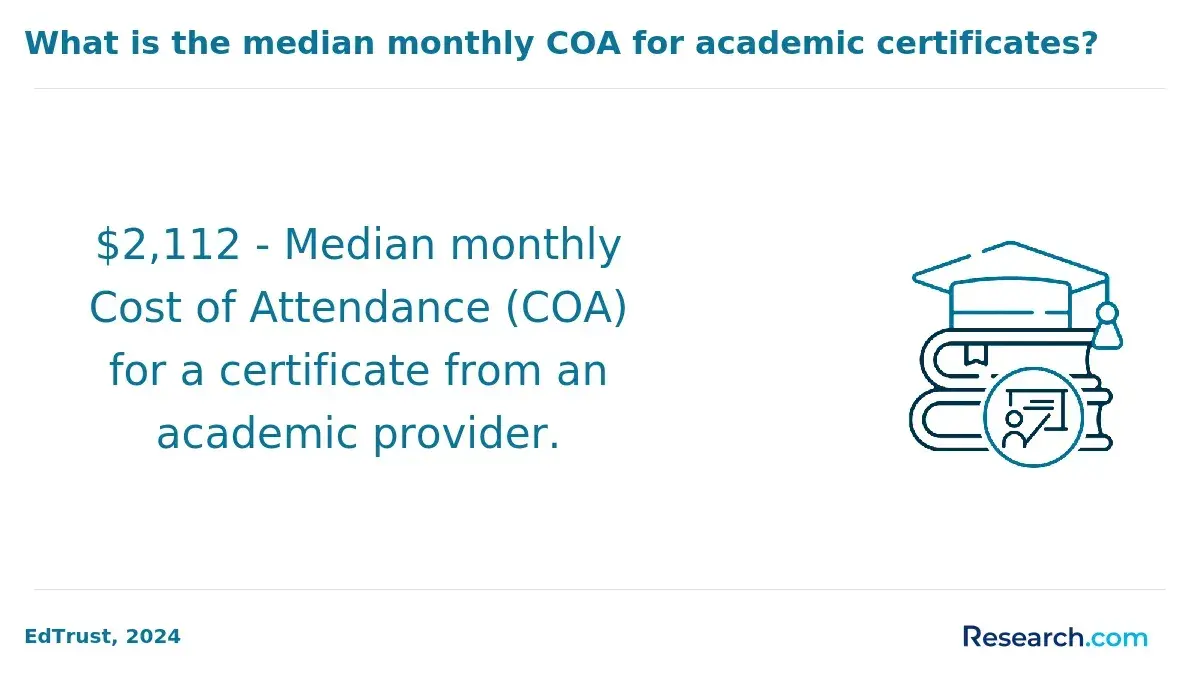
The relevant price is the cost of completing your remaining requirements, not just published tuition per credit.
Request a degree audit and a written estimate covering tuition, mandatory and program fees, books or equipment, and travel for any residency or placement. A lower per-credit rate can cost more overall if fewer prior credits apply or extra prerequisites are required.
Review your individual eligibility and remaining entitlement with the VA and the school's certifying official. Post-9/11 GI Bill payments depend on factors including eligibility level, enrollment, school type, and benefit rules.
Yellow Ribbon participation, scholarships, employer assistance, and federal aid may change the amount you pay. Before enrolling, compare what each school will actually bill for the courses left in your plan.
What Salaries and Job Outlook Can Graduates Expect?
Occupational pay offers context, not a forecast of what a program's graduates will earn. The U.S. Bureau of Labor Statistics reports a May 2024 median annual wage of $93,600 for registered nurses and $133,080 for software developers.
These are occupation-wide figures across workers with different experience and education; an MSN is not required for every RN job, and a computer science master's is not required for every software developer job.
Use BLS Occupational Outlook Handbook projections for the exact occupation you want, then check local postings for required licenses, technical skills, and experience. Demand for a broad field does not establish that a particular master's degree will improve your prospects enough to justify its remaining cost.
How Can You Choose a Reputable College for Military Credit?
Compare schools using the same proposed degree and the same records. A useful enrollment decision follows these steps:
- Confirm institutional accreditation and any program accreditation or state approval required for your intended occupation.
- Submit military and college transcripts, then request a written, program-specific account of accepted credits, waived prerequisites, and remaining requirements.
- Ask about the school's credit limits, minimum institutional coursework, course availability, placements, and realistic completion schedule.
- Compare the full remaining cost and verify benefits with the school's certifying official before paying a deposit.
Treat promises of automatic credit for service, a guaranteed completion date, or a licensed career based solely on admission as red flags. If a school cannot explain where proposed credit fits in your degree audit, do not count that credit in your time or cost estimate.
Other Things You Should Know About the Best College Programs
No. GI Bill benefits help eligible students pay for education. The college separately decides whether documented military learning earns academic credit.
Sometimes, but do not assume it will. Ask the graduate program whether it accepts evaluated military education for credit or offers a prerequisite waiver; undergraduate credit policies may not apply.
Send your military and college transcripts to each school and request a written evaluation for your intended program. Check which requirements the approved credits fulfill.
Only if accepted credit replaces courses you still need and the remaining courses are available when you need them. Prerequisites, institutional coursework, and clinical or practicum requirements can still determine your finish date.
References
- Joint Services Transcript FAQ | doded.mil https://jst.doded.mil/faq.html
- Undergraduate And Graduate Degrees | Veterans Affairs https://www.va.gov/education/about-gi-bill-benefits/how-to-use-benefits/undergraduate-graduate-programs/
- College Credit for Military Training & Experiences | dantes.mil https://www.dantes.mil/credit4training/
- JST: Joint Services Transcript | militaryonesource.mil https://www.militaryonesource.mil/benefits/joint-services-transcript/
- Student Guide to Credit For Prior Learning | acenet.edu https://www.acenet.edu/Programs-Services/Pages/Credit-Transcripts/Student-Guide-to-Credit-for-Prior-Learning.aspx
- Military to Civilian Jobs: Best Degrees for Veterans | National University https://www.nu.edu/blog/military-to-civilian-jobs-best-degrees-for-veterans/
- About ACE Credit | Earn College Credit for BridgeTEFL Courses | Bridge TEFL https://bridge.edu/tefl/course-ace-credit


