
2027 Best Colleges With Credit for Work Experience

Co-Founder and Chief Data Scientist
Your work may have taught you college-level skills, but it will not automatically reduce the credits needed for a degree. Some accredited colleges assess that learning through portfolios, exams, and professional training reviews. This guide compares colleges with published prior-learning pathways and shows how to check whether credit will actually apply to your program.
The stakes are practical: the Bureau of Labor Statistics reports that workers with a bachelor's degree had median weekly earnings of $1,543 in 2024, though a degree does not guarantee any individual's earnings. For returning adults, the right credit policy can make finishing more manageable.
Key Things You Should Know
- Thomas Edison State University, Charter Oak State College, Excelsior University, University of Maryland Global Campus, and Purdue Global publish pathways for assessing prior learning; each evaluates what you learned, not simply how long you worked.
- A bachelor's degree commonly requires about 120 credits, but accepted prior-learning credit helps only when it satisfies your specific degree requirements and the college's residency rules.
- Published work-experience pathways mainly concern undergraduate study. Do not assume professional experience will replace graduate coursework, clinical training, or licensing requirements.
Top 10 Best Colleges With Credit for Work Experience
Business Programs
For an MBA or specialized business master's degree, management experience may strengthen an application without earning graduate credit. Some schools consider previously completed graduate courses for transfer, but work-based portfolio credit must be explicitly authorized by the particular program. If your goal is to finish a bachelor's degree before applying, an undergraduate business program with prior-learning assessment may be the more useful comparison. Ask whether documented training can satisfy business major requirements or only electives.
Healthcare Programs
Master's programs in healthcare administration or public health may value professional experience for admission, projects, and internships. That does not mean employment substitutes for graduate credits. Distinguish these programs from clinical degrees, which may require supervised practice and program-specific accreditation. If you have healthcare training, ask the school to evaluate it against a named undergraduate course or credential pathway before assuming it shortens a master's degree.
Information Technology Programs
IT master's programs may welcome applicants with systems administration, cybersecurity, or networking experience, sometimes alongside required technical foundations. Certifications can demonstrate knowledge, but graduate credit depends on a published institutional or program policy. A portfolio-friendly undergraduate IT degree may offer more ways to apply assessed professional learning. Compare that option with direct entry into a master's program if you already hold a bachelor's degree.
Computer Science Programs
A computer science master's degree commonly expects preparation in programming, algorithms, and mathematics. Software-development experience can support admission but may not replace those prerequisites or earn credit. Applicants without the required background should compare bridge or foundation courses with a second bachelor's degree that assesses prior learning. Confirm whether any accepted credit fulfills a core requirement rather than merely adding an elective.
Nursing Programs
Master of Science in Nursing pathways generally require an eligible nursing credential and may have licensure, clinical, and specialty-specific admission rules. Employment as a nurse does not automatically replace graduate clinical hours or coursework. RN-to-BSN programs may offer separate ways to recognize prior nursing education, but those undergraduate policies should not be assumed to apply to an MSN. Check the program's accreditation and your state board's requirements before enrolling.
Psychology Programs
Psychology master's degrees serve different goals: some support research or related careers, while others prepare students for further clinical training. Counseling licensure requirements vary by state and cannot be met merely by receiving credit for workplace experience. A psychology bachelor's program may assess relevant learning, but graduate programs may require specific courses, supervised practica, or a thesis. Choose based on the occupation and licensing rules you intend to pursue.
Education Programs
Education master's programs may be designed for licensed teachers, career changers seeking initial licensure, or professionals pursuing non-licensure roles. Teaching or training experience can be relevant to admission without replacing graduate credit or student teaching. Before applying, confirm which applicant group the pathway serves, whether your state recognizes it for licensure, and whether any prior coursework - not just experience - can meet program requirements.
Criminal Justice Programs
Experience in policing, corrections, or public safety may make a criminal justice master's degree more relevant to your career goals, but it rarely establishes an automatic credit award. An undergraduate criminal justice program with portfolio assessment may be a better fit if you still need a bachelor's degree. Ask how assessed learning applies to the major and whether the graduate curriculum adds skills you cannot gain more directly through professional training.
Engineering Programs
Engineering master's degrees typically build on substantial mathematics and discipline-specific undergraduate preparation. Technical employment may help explain an applicant's readiness, but it should not be treated as a substitute for graduate laboratory, design, or research requirements. If professional engineering licensure is your goal, verify the undergraduate degree pathway and your state board's rules; a master's degree or prior-learning award alone may not establish eligibility.
Social Work Programs
Master of Social Work programs include supervised field education and may offer advanced standing to eligible graduates of accredited bachelor's social work programs. Advanced standing recognizes a qualifying prior degree; it is not general credit for employment in human services. Applicants without that degree should compare standard MSW pathways and check program accreditation, field-placement expectations, and state licensure rules. Work experience cannot be assumed to waive required field hours.
What is credit for prior learning and how does it work?
Credit for prior learning (CPL), also called prior-learning assessment, awards academic credit for demonstrated college-level knowledge gained outside a conventional college course. A job title or number of years employed is not enough: a school must evaluate the learning against its academic standards. Methods can include a documented portfolio, a course challenge exam, or an evaluation of qualifying professional or military training.
A workplace credential can provide useful evidence, but completing one of the available certification programs online does not itself guarantee college credit. Ask which assessor reviews it and which degree requirement an award would satisfy.
Which accredited colleges offer credit for work experience?
These accredited institutions are useful starting points because they publish ways to assess prior learning, including portfolio-based routes relevant to professional experience. This is a comparison of pathways, not a claim that every program awards credit for every job. Confirm the current policy for your degree before applying.
| College | Published prior-learning route to investigate | Best question to ask |
| Thomas Edison State University | Portfolio assessment and other credit-by-assessment options | Can my documented learning satisfy a required course in my chosen degree? |
| Charter Oak State College | Portfolio assessment of college-level learning | Which major requirements, if any, permit portfolio credit? |
| Excelsior University | Portfolio-based prior-learning assessment | Will the assessment produce credits that apply to my degree plan? |
| University of Maryland Global Campus | Prior-learning assessment, including portfolio evaluation | Am I eligible to use this route in my undergraduate program? |
| Purdue Global | Prior-learning portfolio assessment | What documentation, fees, and program limits apply? |
A college belongs on your shortlist only if its current catalog supports the assessment route and your intended program can use the resulting credit. Compare its remaining course requirements, tuition, assessment fees, scheduling, and minimum credits that must be earned there.
How much college credit can work experience earn?
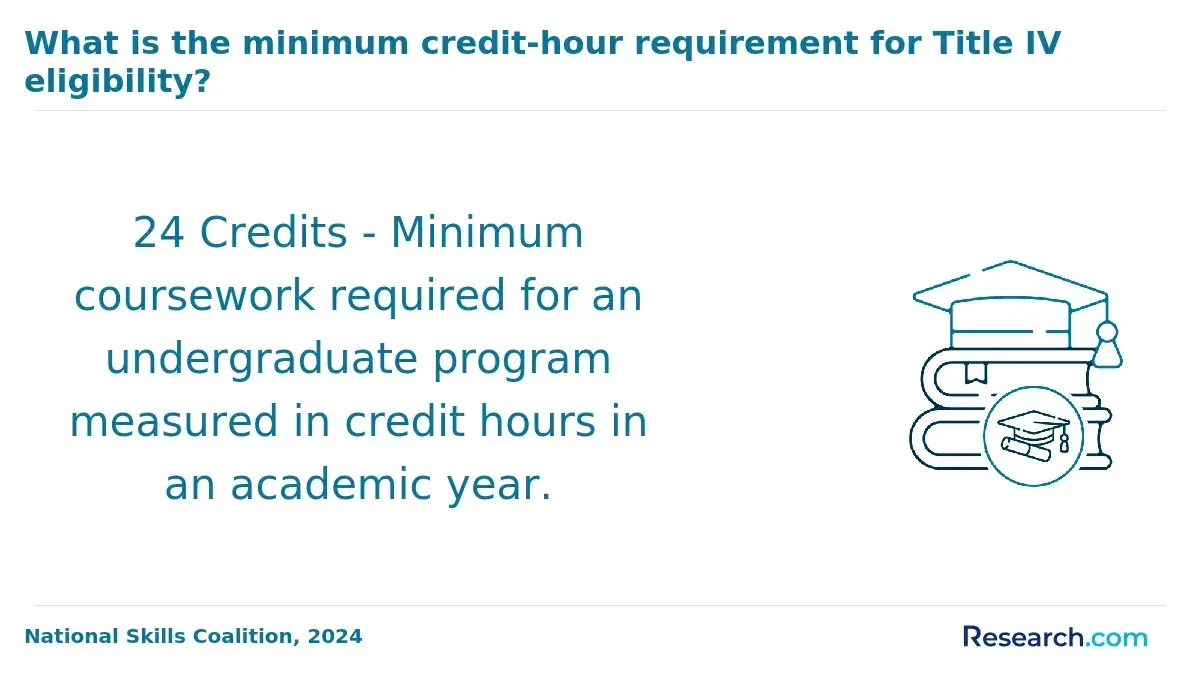
There is no universal award for work experience. An assessor might recommend credit for one course, several applicable courses, or none. A college's overall transfer or alternative-credit maximum is a ceiling across eligible sources - not a promise that a portfolio alone will earn that amount. Schools may also require a minimum number of credits completed through their own courses.
Request a written degree audit showing prior college transfer credit, proposed CPL, remaining major and general education courses, and institutional residency requirements separately. That reveals whether an award reduces the work left to finish, rather than simply appearing on a transcript as excess elective credit.
What types of work experience qualify for college credit?
Potentially relevant experience includes workplace training, military education, industry certifications, apprenticeships, and projects that demonstrate knowledge equivalent to a college course. Independent learning may also qualify when a school offers a suitable assessment. The important distinction is between performing tasks and demonstrating assessable learning: supervising a team, for example, is not automatically equivalent to a management course.
Keep training records, certification results, project artifacts, and explanations of your own role. Protect confidential employer and client information when preparing evidence. A school may reject otherwise substantial experience if it cannot be documented or does not match an available course outcome.
How do colleges assess professional experience for academic credit?
Portfolio assessment commonly asks students to identify a course-equivalent subject, explain what they learned, and provide evidence tied to learning outcomes. A faculty or other authorized evaluator determines whether the evidence meets the institution's standard. Exams and evaluated training follow different rules, so ask which method fits your background before paying an assessment fee.
Follow this sequence to avoid spending time on evidence that cannot help your degree:
- Choose the degree and obtain its current requirements.
- Ask an adviser which requirements permit prior-learning credit and which assessment methods are accepted.
- Confirm fees, documentation standards, deadlines, and whether evaluation is available before enrollment.
- Submit evidence and request an updated degree audit after the decision.
Can online colleges accept more work experience credits than campus programs?
Online delivery does not, by itself, increase the amount of work-experience credit a college will accept. Credit limits, residency requirements, course equivalencies, and program restrictions come from institutional and academic policies, whether classes are online or on campus. An online program may also have scheduled meetings or in-person clinical work.
Compare online options by their applicable credit awards and remaining requirements, not by format alone. Likewise, lists of easiest online degrees cannot establish that a particular program will recognize your professional learning or meet your career goals.
What are the admission requirements for colleges awarding prior-learning credit?
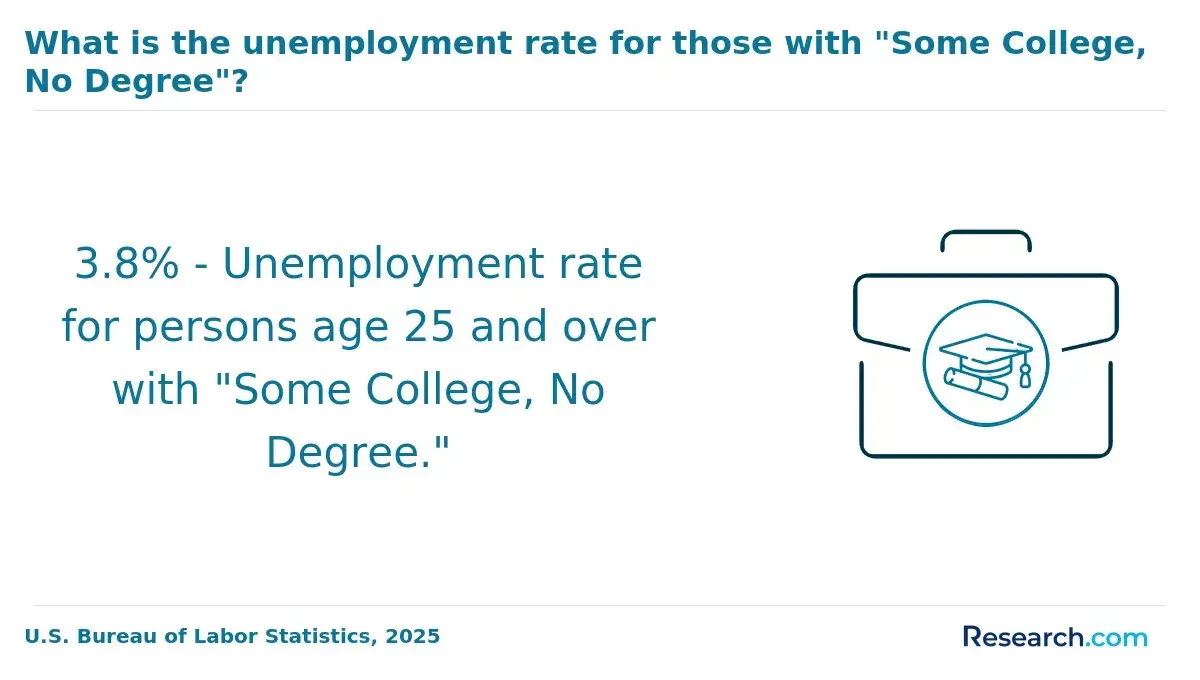
Students usually must meet the college's ordinary admission requirements before using its CPL process. Undergraduate applicants may need prior transcripts and proof of secondary education; a selective nursing or other professional program may impose additional prerequisites or licensure requirements. Graduate admission and graduate-credit rules must be checked separately from undergraduate CPL policies.
Ask when an official prior-learning evaluation can occur and whether admission guarantees access to the assessment method you want. If upfront application costs matter, comparing online colleges no application fee can narrow your search, but a waived application fee says nothing about portfolio fees or credit eligibility.
How much time and money can work experience credits save?
Applicable credit can reduce courses, tuition charges, and time in school, but savings depend on the courses waived and the fees charged to assess learning. A portfolio award that replaces a required course is generally more valuable than excess electives. Course scheduling matters, too: a remaining prerequisite or capstone may determine your finish date even after a successful assessment.
Compare the total cost to finish: remaining tuition and required fees, assessment charges, books or technology costs, and any change in financial aid eligibility. If a degree is not essential to your goal, short certificate programs that pay well online may be worth comparing - but verify that employers value the specific credential and that its cost serves your career plan.
How do work experience credits affect degrees, careers, and licensing?
Once awarded and applied, prior-learning credits can help satisfy degree requirements, but their usefulness beyond that degree is not automatic. Another college, graduate program, employer, or licensing board may evaluate the underlying education differently. An award also does not replace required clinical hours, student teaching, supervised practice, examinations, or a professional license.
The most costly mistake is choosing a college because it advertises a generous credit maximum without checking where your credits fit. Before committing, obtain a degree audit, verify institutional and any relevant programmatic accreditation, and check licensing rules with the appropriate state board. Choose the school that leaves you a feasible, affordable path to the credential you actually need.
Other Things You Should Know About
Usually not. Colleges assess demonstrated college-level learning through an approved method, not employment duration or a job title alone.
Schools that award it generally record the credit according to their transcript policies. Ask how it is labeled and whether another institution would accept it before planning a later transfer.
Not always. Depending on the college and subject, an exam or evaluation of professional training may be available. A portfolio is useful when you can document learning that matches specific course outcomes.
Do not assume so. The undergraduate policies many colleges advertise may not apply to graduate study. Ask the specific master's program whether it awards graduate credit for assessed experience and which requirements cannot be waived.
References
- Credit for Prior Learning - Ohio Department of Higher Education https://highered.ohio.gov/initiatives/access-acceleration/credit-for-prior-learning
- TNReconnect | Prior Learning Assessment Information https://tnreconnect.gov/Choose-a-Degree-College-Path/Prior-Learning-Assessment-Information
- Academic Credit for Prior Learning | bellevuecollege.edu https://www.bellevuecollege.edu/admissions-aid/getting-started/transfer/awarding-non-traditional-credit/
- Credit for Prior Learning Policies: A Database of Findings from the ACE-CAEL 50-State Analysis | acenet.edu https://www.acenet.edu/Pages/CPL-Inventory.aspx
- College Credit for Work and Life Experience | Purdue Global https://www.purdueglobal.edu/transfer-students/work-life-experience/
- Academic Policies | newhaven.edu https://catalog.newhaven.edu/content.php
- Credit for Prior Learning | University of Arizona Catalog https://catalog.arizona.edu/policy/courses-credit/credit/credit-prior-learning
- Credit for Prior Learning - Wayne State College Nebraska https://www.wsc.edu/records-registration/credit-prior-learning


