2027 Best Online Colleges With High Acceptance Rates

Co-Founder and Chief Data Scientist
A high acceptance rate can make an online college look accessible, but it may tell you little about admission to the degree you actually want. This matters especially if you are returning to school, changing careers, or considering a selective graduate program. The U.S. Bureau of Labor Statistics reports that workers with a bachelor's degree had median weekly earnings of $1,543 in 2024; that figure describes a broad group, not the payoff from any particular college. This guide shows you how to assess admissions access alongside program fit, cost, accreditation, and career requirements.
Key Things You Should Know
- An institution's undergraduate acceptance rate does not establish your chances of entering a specific online master's, nursing, or licensure program.
- Compare published admissions policies for your applicant category: a 100% institutional acceptance rate is not a promise that every applicant qualifies for every degree.
- Before applying, confirm accreditation, the complete online and in-person requirements, and your estimated total cost - not just the advertised acceptance rate.
Top 10 Best Online Colleges With High Acceptance Rates
Business Programs
Online MBA and specialized business master's programs can serve applicants seeking management preparation or deeper expertise in accounting, analytics, or finance. A college with accessible undergraduate admissions may still require a bachelor's degree, relevant coursework, or professional experience for its MBA. Check whether a program offers foundation courses for career changers and whether its schedule fits your job. For accounting licensure, compare coursework with your state's CPA education rules; an MBA alone may not meet them.
Healthcare Programs
Healthcare administration and public health master's programs generally prepare students for organizational, policy, or population-health work - not clinical licensure. Applicants may need a bachelor's degree, and some programs prefer relevant experience. Compare applied projects, internship expectations, and whether a concentration matches your intended role. If you want to diagnose or treat patients, seek the appropriate clinical degree instead; an accessible general graduate admissions policy does not establish admission to a clinical program.
Information Technology Programs
Online IT master's programs often emphasize systems, cybersecurity, cloud infrastructure, or technology leadership. Some admit career changers through introductory coursework; others expect prior computing preparation. Ask which prerequisites must be completed before or during the degree and whether hands-on labs require particular equipment or scheduled participation. A professional certification may be a less costly first step if you need one defined technical skill rather than a graduate credential.
Computer Science Programs
A computer science master's typically goes deeper into algorithms, software, data, or research than a general IT degree. Admissions can be selective even at an institution with a high undergraduate acceptance rate, particularly when mathematics and programming prerequisites apply. Compare bridge coursework, thesis versus project options, and the total credits you would need. If your goal is an entry-level programming role, assess whether a bachelor's pathway or targeted technical preparation would better address your starting skill level.
Nursing Programs
Online nursing master's programs commonly require an active RN license and a nursing degree or an approved bridge pathway. Nurse practitioner tracks also involve supervised clinical placements and state-specific licensure requirements; online classes do not remove those obligations. Confirm that the school can enroll students in your state, supports required placements, and meets the intended credential's educational rules. Neither a college's general acceptance rate nor admission to a nonclinical master's predicts entry to its nursing program.
Psychology Programs
An online psychology master's may focus on research, applied psychology, or preparation for further study. It should not be confused with a license-qualifying clinical psychology degree. Applicants should compare research-methods prerequisites, thesis or capstone requirements, and the specific occupations graduates pursue. If your goal is counseling or independent clinical practice, check your state board's required degree, program accreditation, supervised experience, and examinations before treating any online option as eligible.
Education Programs
Education master's programs differ sharply between degrees for licensed teachers and initial-licensure pathways for new entrants. The latter can require student teaching, background checks, and state-approved preparation even when coursework is online. Ask whether admission presumes an existing teaching credential and whether the program qualifies for certification where you intend to work. A flexible graduate admissions policy is useful only if the specific pathway matches your license status and state.
Criminal Justice Programs
An online criminal justice master's can support study in policy, administration, or research. It does not itself confer police certification or guarantee entry to federal law enforcement. Some programs welcome applicants from other majors, while others expect prior coursework or experience. Compare curriculum and applied projects against the jobs you want; for positions with agency-specific hiring, fitness, or background requirements, investigate those requirements separately before paying for a graduate degree.
Engineering Programs
Engineering master's programs may emphasize advanced technical design, management, or a particular discipline. Admission often depends on undergraduate mathematics and engineering preparation, so a college's broad acceptance rate offers limited guidance. Verify remote access to labs, any campus visits, and whether a thesis or project is required. For professional engineer licensure, review your state board's education and experience rules; a master's degree alone does not automatically grant a license.
Social Work Programs
An online master of social work generally combines remote coursework with in-person field education. Programs may offer a standard track and a separately restricted advanced-standing track for qualifying BSW graduates. Confirm program accreditation, field-placement arrangements near you, and your state's clinical licensing requirements. Advanced standing is not an ordinary transfer benefit available to every applicant, and an institution's undergraduate acceptance rate does not describe admission to its MSW.
What Are Online Colleges With High Acceptance Rates?
Online colleges with high acceptance rates are institutions that admit a large share of applicants to a specified admissions population, usually first-time undergraduates. An acceptance rate is admitted applicants divided by applicants; it is not a measure of teaching quality, graduation prospects, or admission to every program. Some broadly accessible colleges use open admissions rather than a conventional selective application process, so a reported rate may not provide a useful comparison.
The distinctions below help you decide which admissions figure, if any, answers your question.
| Admissions information | What it can tell you | What it cannot establish |
| Institutional undergraduate acceptance rate | How many applicants in the reported undergraduate group were admitted | Your chances for an online master's or restricted major |
| Open-admission policy | Whether applicants meeting the published baseline criteria can generally enter the covered institution or pathway | Eligibility for every major, graduate degree, or clinical placement |
| Program-specific requirements | Whether you meet published prerequisites for your intended degree | An admission decision when capacity or holistic review also applies |
Because comparable program-level acceptance rates often are not published, no defensible ranking of the "highest-acceptance" online colleges can be inferred from institution-wide figures alone. Treat any college list without a stated applicant population and reporting period as a starting point for research, not a prediction of admission.
How Do You Verify Online College Accreditation?
Verify institutional accreditation before comparing acceptance rates. Search the U.S. Department of Education's accreditation database or the Council for Higher Education Accreditation's directory using the institution's legal name, then check the accreditor's current status and the school's identity. This is especially important when a school's marketing name differs from its accredited institution name.
For regulated fields, make a second check: identify the relevant programmatic accreditor and ask the state licensing board whether the specific online program satisfies its rules. Institutional accreditation does not, by itself, establish eligibility for nursing, teaching, social work, counseling, or another license. Also verify that the institution is authorized to enroll students where you live when the program requires it.
What Are the Admission Requirements for Online Colleges?
Requirements depend on the degree and the applicant. Undergraduate admission commonly calls for a high school diploma or equivalent and transcripts; transfer applicants may also need college records. Graduate applicants generally need a bachelor's degree, and individual programs may impose prerequisites, GPA thresholds, professional experience, an interview, or other review. A test-optional undergraduate policy says nothing about a master's program's rules.
If graduate study is your goal, compare the eligibility and remaining coursework for the exact degree rather than relying on a college-wide rate. Even online 1 year masters programs may presume substantial prior preparation or intensive enrollment. Ask admissions to confirm your applicant category and whether any foundational courses add time and cost before you apply.
How Much Do High-Acceptance Online Colleges Cost?
There is no single price for a high-acceptance online college. Your relevant figure is the estimated cost to finish your degree after an evaluation of applicable credits and aid. Compare tuition by credit or term, required fees, books and equipment, any in-person travel, and the number of credits you still must complete. A lower advertised rate can cost more if fewer of your previous courses count toward the major.
If a flexible schedule matters as much as price, comparisons of the cheapest self-paced online college can suggest alternatives. Verify both the full program cost and whether "self-paced" applies to your intended degree rather than assuming every course follows that format.
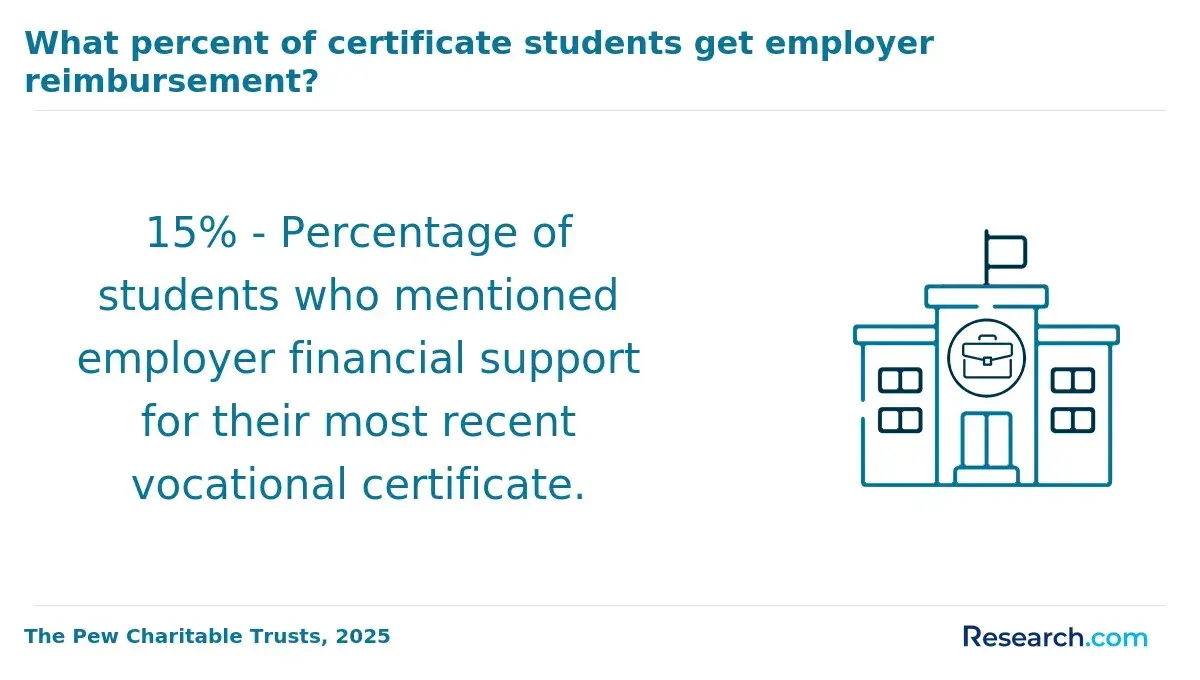
For undergraduate study, check the school's federal-aid eligibility and use its net price calculator as an estimate, not a final award. Graduate students should ask about institutional aid, employer assistance, and loan terms. Avoid choosing on tuition alone without a written account of mandatory costs and remaining requirements.
How Long Does an Online Degree Take to Complete?
Completion time follows the work you have left, not the college's acceptance rate. A conventional bachelor's degree is commonly planned around four years of full-time study from the start; an associate degree around two. Master's timelines vary by credits, enrollment pace, prerequisites, course sequencing, and thesis or fieldwork requirements. Part-time enrollment can extend any of these paths.
Claims about 2 year accelerated bachelor degrees deserve a close look at their assumptions. A shorter completion plan may depend on previously earned credits, an intensive course load, or both. Request a degree audit showing how accepted credits satisfy general education and major requirements, along with the minimum credits you must earn at the new institution. Short classes alone do not make the entire degree short.
What Do You Learn in Online Degree Programs?
Online degrees typically combine foundational coursework, major requirements, electives, and an applied or culminating assignment. What that means in practice differs substantially: business students might analyze organizational decisions, computer science students build software, and education students complete supervised teaching. Online delivery changes where some instruction occurs; it does not necessarily remove labs, practicums, clinical work, or scheduled meetings.
If you need a specific skill rather than a full credential, 6 week courses with certificates may be worth comparing with degree coursework. Check what the certificate demonstrates and whether the college will apply it toward a future degree. A short course is not equivalent to completing a six-week degree.
Are Online Colleges Better Than Campus-Based Programs?
Neither format is inherently better. An online college may help you keep a job or avoid relocating, but it can still impose fixed deadlines, live sessions, proctored assessments, and local placements. Campus study may make laboratories and face-to-face support easier to access, while adding commuting or relocation costs.
Choose by the requirements of your specific program. Ask for a sample weekly schedule and a complete list of in-person obligations. If you need clinical training or student teaching, judge the feasibility of placements where you live - not simply whether lectures are online.
What Careers and Salaries Can Online Degrees Lead To?
Career outcomes depend on the occupation, your qualifications, and local hiring conditions, not the college's acceptance rate. As one benchmark, the Bureau of Labor Statistics reports a May 2024 median annual wage of $93,600 for registered nurses. That is an occupational figure, not an expected salary for graduates of an online nursing program; RN licensure and appropriate clinical preparation are separate requirements.
Other degrees can connect to business, technology, education, public-service, or research roles, but job titles alone can hide additional barriers. Compare postings for the work you want with the program's curriculum, required credential, and experience expectations. Ask a school for clearly defined outcomes for your particular program and student population rather than treating general career services as evidence of job placement.
How Do You Choose a Reputable Online College?
Start with colleges offering your intended degree online, then compare admissions access for your applicant category. Western Governors University, University of Maryland Global Campus, and Southern New Hampshire University are examples of institutions with substantial online offerings to investigate - not a verified ranking by acceptance rate. Their admission rules, delivery models, and program availability differ, so none should be labeled a high-acceptance choice for your intended program without checking its current published criteria.
A practical comparison can follow this sequence:
- Find the current institutional admissions policy and any separate requirements for the exact degree, major, and applicant category you intend to enter.
- Confirm institutional accreditation, relevant program approval, state eligibility, and every required in-person component.
- Request a transfer or prior-learning evaluation showing which credits meet degree requirements and what must still be completed.
- Compare written estimates of remaining tuition and fees, realistic completion schedules, available aid, and support for your career goal.
Be wary of a school that highlights a high acceptance rate but will not explain its denominator, program restrictions, costs, or licensing implications. The best choice is one you can realistically enter, complete, afford, and use toward your goal.
Other Things You Should Know About
No. Admission measures entry, not course difficulty, student support, or completion. Review the program's requirements and available outcomes separately.
Not necessarily. Graduate programs have separate eligibility rules and may require a bachelor's degree, prerequisites, experience, or selective review.
Some are, but acceptance rate does not establish accreditation. Check the institution's current status and any program approval needed for your career.
They may. The college must evaluate them, and credits help most when they satisfy remaining degree requirements rather than counting only as unused electives.
References
- Cost of Attendance (Budget) | 2025-2026 Federal Student Aid Handbook https://fsapartners.ed.gov/knowledge-center/fsa-handbook/2025-2026/vol3/ch2-cost-attendance-budget
- Accreditation in the U.S. | ed.gov http://www.ed.gov/laws-and-policy/higher-education-laws-and-policy/college-accreditation/accreditation-in-the-us
- College Scorecard - Department of Education https://collegescorecard.ed.gov/
- Transfer Application Requirements - Undergraduate Admission https://admission.gatech.edu/transfer/application-requirements
- Admissions Information | Norfolk State University https://www.nsu.edu/transfer/admissions-information
- Tuition & cost of attendance | UC Admissions https://admission.universityofcalifornia.edu/tuition-financial-aid/tuition-cost-of-attendance/
- Admissions Policies & Procedures | scsu.edu https://scsu.edu/admissions/admissions_policies.php
- Undergraduate Costs - Financial Aid https://finaid.gatech.edu/costs/undergraduate-costs
- Transfer Requirements - Undergraduate Admissions https://admissions.ua.edu/transfer/requirements/
- Selectivity: Acceptance Rates at 4-Year Colleges - National Association for College Admission Counseling (NACAC) https://www.nacacnet.org/selectivity-acceptance-rates-at-4-year-colleges/