
2027 Best Online Majors for Job Security

Co-Founder and Chief Data Scientist
A promising online major is not necessarily a secure career path. The better question is whether its coursework prepares you for jobs with sustained demand - and whether you can meet any licensing or experience requirements. For perspective, the U.S. Bureau of Labor Statistics (BLS) reports a 2024 median annual wage of $93,600 for registered nurses, an occupation that requires licensure as well as education.
This guide compares fields for career changers, first-time students, and working professionals, then shows how to check program fit, online requirements, and total cost before committing.
Key Things You Should Know
- Nursing offers a direct route to a large, essential occupation, but an online degree alone does not qualify someone for RN licensure; approved clinical training and a licensing exam matter.
- Information security is a strong growth option: BLS projects 29% employment growth for information security analysts from 2024 to 2034, though many roles require related experience.
- Compare a major against the job you actually want. Institutional accreditation, required in-person work, state eligibility, and total program cost can matter more than an appealing degree title.
Top 10 Best Online Majors for Job Security
Business Programs
Online business majors and specialized master's programs in accounting, finance, or supply chain management can prepare students for work across industries. Accounting may offer a clearer occupational target than a general business degree, but CPA eligibility depends on state education and examination rules. A master's in business administration is usually better suited to professionals seeking advancement than to applicants expecting an immediate management job. Choose a concentration with demonstrable employer demand and opportunities to build analytical, communication, and industry-specific skills.
Healthcare Programs
Healthcare administration, health information management, and public health are distinct online paths. Administration emphasizes operations and finance; health information focuses on records, data, and compliance; public health addresses population-level programs. Related master's degrees can support specialization, but management positions often require healthcare experience. These paths may suit students who want to work in healthcare without providing direct patient care. Check whether a desired role expects a specific credential or certification rather than assuming any healthcare degree will qualify.
Information Technology Programs
Online IT majors commonly cover networks, cloud systems, databases, and security. A cybersecurity or information systems master's may help experienced practitioners specialize, but it does not replace hands-on troubleshooting or automatically open senior roles. Entry-level applicants should look for labs, internships, and projects that demonstrate practical ability. Compare the curriculum with local job postings: a program centered on general IT support may be a poor match for someone targeting security engineering.
Computer Science Programs
Computer science emphasizes programming, algorithms, software design, and mathematical foundations. Online bachelor's programs can prepare students for software roles; a master's may support deeper study in areas such as artificial intelligence or systems. Job security depends partly on adaptable skills because tools and employer needs change. Choose programs with substantial coding and collaborative projects, not just software demonstrations. Students seeking a narrowly focused technical role may find a targeted certificate or portfolio-building route more appropriate than a second degree.
Nursing Programs
Nursing offers several different online pathways. RN-to-BSN programs generally serve people who already hold RN licensure; online master's programs may prepare eligible nurses for leadership, education, or advanced practice. Initial RN preparation still requires supervised clinical learning, and advanced practice adds role-specific clinical and state licensing requirements. Before applying, confirm the program accepts students in your state, supports required placements, and meets your intended licensing board's rules. An online nursing degree is not a substitute for clinical eligibility.
Psychology Programs
Online psychology majors build research, statistics, and human-behavior knowledge useful in varied workplaces. They do not, by themselves, qualify graduates to practice as psychologists. Clinical psychology generally requires a doctoral degree and licensure; counseling pathways have different graduate, supervised-practice, and state requirements. A psychology master's can serve specific research or applied goals, but applicants should identify the exact occupation first. For a direct route into licensed helping work, compare counseling and social work requirements rather than relying on the broad psychology label.
Education Programs
Education majors and master's programs may prepare students for teaching, curriculum work, or educational leadership, but those destinations have different entry rules. Initial teacher licensure usually requires an approved preparation route and supervised student teaching; leadership roles commonly require teaching experience. Online coursework can reduce campus trips without removing school-based placements. Confirm that a program leads to the credential recognized in the state where you plan to teach. If you already hold a teaching license, a specialized master's may make more sense than another initial-preparation degree.
Criminal Justice Programs
Criminal justice programs examine law enforcement, courts, corrections, and policy. An online bachelor's can provide relevant knowledge; a master's may suit experienced professionals pursuing analysis or administration. Neither credential guarantees a law enforcement job, which may involve academy training, background checks, and agency-specific standards. Security-minded students should compare this major with cybersecurity or accounting if they prefer technical investigation or financial compliance. Ask employers which qualifications they actually use in hiring before paying for an advanced degree.
Engineering Programs
Engineering majors can connect to infrastructure, manufacturing, energy, and other essential work, but online availability varies considerably by discipline. Check how an undergraduate program delivers laboratories and whether it has applicable ABET accreditation, especially if professional engineer licensure is a goal. Online engineering master's programs often serve people who already have technical preparation. They may be a poor starting point for someone without the required math and engineering foundation. Compare the specific discipline with the work you want rather than treating engineering as one interchangeable major.
Social Work Programs
Social work has a comparatively defined professional pathway. An online bachelor of social work can support entry-level roles, while a master of social work is generally the key educational step toward clinical practice. Field placements remain in person, and clinical licensure requires additional supervised experience and state approval. Look for Council on Social Work Education accreditation where applicable. Students who want direct client work may find this route more relevant than general psychology, but should account for placement hours, local supervision availability, and occupational pay.
What online majors offer the strongest job security?
The strongest online majors for job security are those connected to continuing needs and a realistic entry route: nursing and social work for licensed services; IT and computer science for technical operations; and accounting or healthcare information for specialized organizational work. "Job security" means a stronger basis for finding and retaining work, not immunity from layoffs or a guaranteed offer.
This comparison separates career relevance from the main obstacle to entering each field. It can help you rule out an attractive major that does not match your time, background, or willingness to complete in-person training.
| Major or field | Why consider it | Important constraint |
| Nursing | Direct connection to patient care | Clinical training and RN licensure |
| IT or computer science | Organizations depend on software and secure systems | Skills evidence and, for many roles, experience |
| Accounting | Recurring reporting, tax, and compliance work | CPA roles have separate state requirements |
| Social work | Defined path into human services | Field education and possible clinical licensure |
| Healthcare information | Connection to records and healthcare operations | Job titles require different technical backgrounds |
Choose the occupation before the major. A general degree can be versatile, but a regulated occupation may offer a clearer pathway only if you can complete every required step.
Which online degrees lead to the fastest-growing careers?
Among the careers connected to these fields, information security stands out for projected growth. BLS projects employment of information security analysts to grow 29% from 2024 to 2034. That is an occupational projection - not a forecast that cybersecurity graduates will be hired at that rate. Security analysts often bring related IT experience, so an entry-level applicant may need to begin in systems, networking, or support work.
Healthcare and advanced nursing roles also merit investigation, but fast growth alone is not a reason to choose a major. Compare the number and type of jobs available near you, the credential needed to enter, and whether you would enjoy the daily work. If you want to test a technical field before committing to a degree, relevant 6 month certificate programs may offer a smaller first step; verify their employer value rather than assuming a certificate replaces a degree or experience.
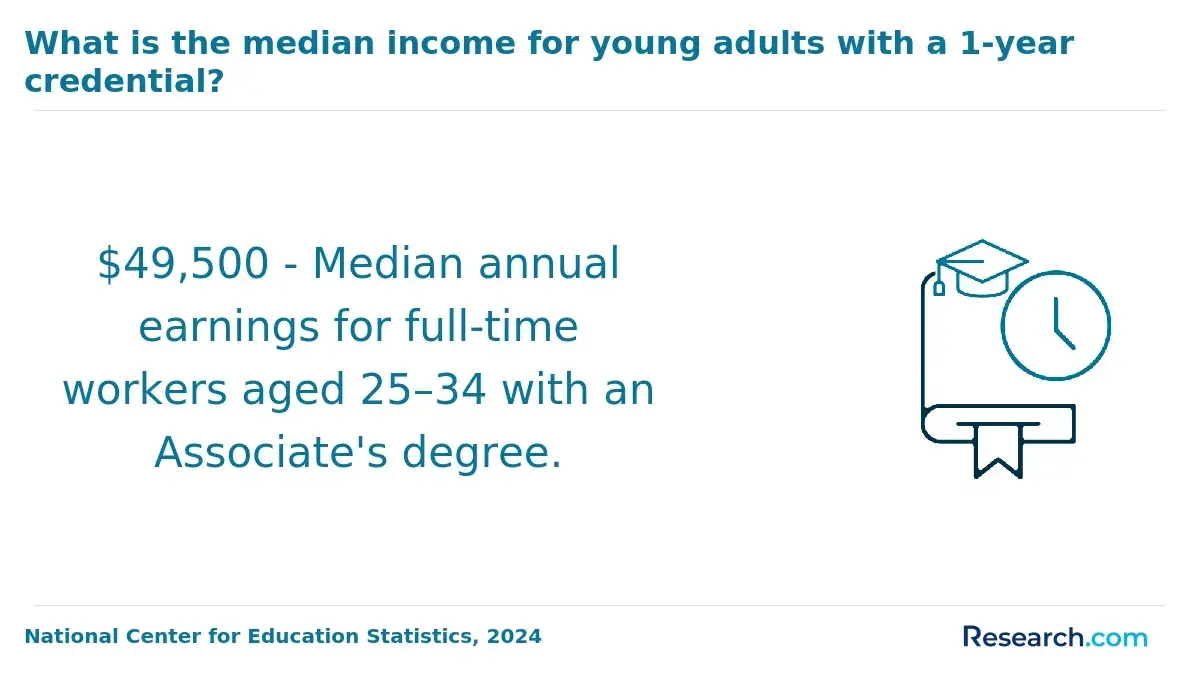
How much do graduates of secure online majors earn?
There is no single reliable salary for "graduates of secure online majors." Pay varies by occupation, location, experience, and credential. BLS occupational medians offer a useful comparison, but they are not starting salaries or evidence that a particular degree caused the earnings.
These BLS 2024 median annual wages show the range across possible destinations. Check the role's entry requirements before using its wage to judge a program's return on investment.
| Occupation | 2024 median annual wage | Qualification context |
| Registered nurses | $93,600 | Approved nursing education and RN licensure |
| Information security analysts | $124,910 | Typically related education and often relevant experience |
| Software developers | $133,080 | Strong programming ability; hiring requirements vary |
| Social workers | $61,330 | Requirements depend on role and state |
For a personal comparison, weigh likely entry-level pay against total education costs, time out of work, and any further training required. A higher occupational median does not automatically make a more expensive degree the better investment.
Which online majors require licenses or professional certifications?
Nursing, teaching, clinical social work, and some counseling or psychology roles have legal licensing requirements beyond graduation. Engineering practice may require professional engineer licensure for particular duties; CPA status has separate state rules. In contrast, many IT and software jobs do not require a state professional license, though employers may value certifications.
The distinction matters most when shopping for an online program: institutional accreditation alone does not prove a degree meets every state board's curriculum, placement, examination, or supervised-practice rules. Ask the school which credential its program is designed to support in your state, and confirm the answer with the relevant board before enrolling.
How can you verify an online college's accreditation?
Start by checking the institution in the U.S. Department of Education's accreditation database. Confirm that the accreditor is recognized and that the listing applies to the institution awarding your degree. Next, check programmatic accreditation where the intended career calls for it - for example, nursing, social work, engineering, or certain professional preparation programs. Finally, verify approval with your state licensing board if the occupation is regulated.
Accreditation is a screening step, not a quality guarantee or proof of licensure eligibility. When comparing non profit universities, inspect the specific online major as well as the institution: delivery, placements, and professional recognition can differ between programs.
What coursework do high-demand online majors typically include?
High-demand majors often share quantitative and communication coursework, but their career preparation differs. Business and healthcare administration emphasize operations and analysis; IT and computer science add technical labs and projects; nursing, education, and social work include supervised practice relevant to their professions.
Read the course map, not just the list of electives. Look for current tools, opportunities to apply skills, and a capstone or portfolio you can discuss with employers. In technical fields, AI tools may change how work is performed, making sound fundamentals, verification, and problem-solving more valuable than training on one product. In licensed fields, confirm that required practice hours and subject areas align with state rules.
How long and how much do online degree programs take?
A bachelor's degree commonly involves about 120 semester credits; a master's generally requires fewer additional credits, but prerequisites, clinical work, and course sequencing can extend completion. Full-time and part-time schedules differ, and "online" does not necessarily mean self-paced. Ask whether labs, placements, live meetings, or campus visits are required.
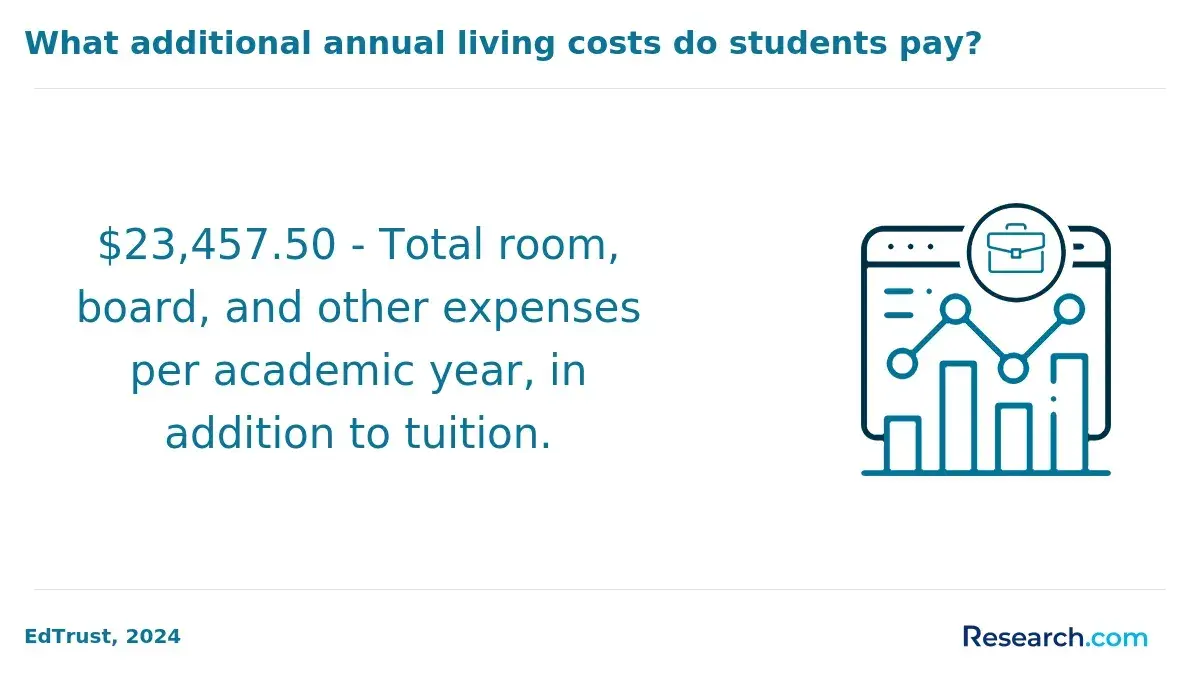
Compare the total cost to finish: remaining credits multiplied by applicable tuition, plus mandatory and program fees, books, equipment, travel, and placement expenses. Financial aid eligibility and employer assistance can change your out-of-pocket cost. An accelerated bachelor's degree is worth considering if its pace is workable; confirm how much of any advertised time saving assumes transferred credits. Request a written evaluation showing which prior courses satisfy your major - not merely which ones count as electives.
What are the admission requirements for online majors?
Undergraduate applicants generally need a high school credential or its equivalent, while master's applicants need a bachelor's degree. Individual programs may also require prerequisite courses, a minimum GPA, experience, recommendations, or evidence of professional licensure. Nursing and other practice-based programs may have separate, selective admission processes even when the university's general admission is less restrictive.
Ask admissions which requirements apply to your specific major and entry route. A career changer considering graduate study should compare prerequisites with the remaining work in a second bachelor's or certificate; the shortest-looking option may require substantial foundation courses. Searches for the easiest master degree should not substitute for checking whether its admission requirements, workload, and outcomes fit the intended job.
How should you choose an online major and reputable school?
Begin with two or three target occupations, then compare the education and experience each actually requires. Shortlist online majors that prepare you for those requirements and fit your budget and schedule. Before accepting an offer, use these checks to identify costly mismatches:
- Verify institutional accreditation and any program approval or state licensure eligibility required for your goal.
- Request the full curriculum and written details on live classes, labs, campus visits, and local placements.
- Obtain a personalized credit evaluation and an estimate of remaining tuition and mandatory expenses.
- Compare entry-level job postings with the program's taught skills, projects, and available career support.
Watch for claims that a degree guarantees employment, a salary, or licensure. A reputable school should explain limitations plainly. The best choice is the one you can realistically complete that moves you toward a specific occupation - not necessarily the cheapest, fastest, or most heavily advertised program.
Other Things You Should Know About
Often, if it leads to an appropriate accredited credential and builds the skills employers seek. For regulated jobs, verify that its placements and state approvals meet the same professional requirements.
It depends on the target job and your existing credits or experience. IT may offer multiple technical entry points; nursing and social work have more defined training routes but substantial practice requirements.
Demand is promising, but analyst roles may require prior IT experience. Look for programs with practical labs and a plausible route through entry-level technical work.
Choose the credential your intended role requires and your background supports. A master's can build on an existing degree, but it may not replace foundational coursework, initial licensure preparation, or professional experience.
References
- Education pays: U.S. Bureau of Labor Statistics https://www.bls.gov/emp/chart-unemployment-earnings-education.htm
- Undergraduate Degree Fields - COE https://nces.ed.gov/programs/coe/indicator/cta
- Room for Progress in College Graduates' Transition to the Labor Market - Public Policy Institute of California https://www.ppic.org/blog/room-for-progress-in-college-graduates-transition-to-the-labor-market/
- Graduate Outcomes - Job Market https://www.naceweb.org/job-market/graduate-outcomes
- Underemployment by Field of Study, 2018-2024 | Opportunity Data https://opportunitydata.org/underemployment-by-field.html
- The Labor Market for Recent College Graduates | newyorkfed.org https://www.newyorkfed.org/research/college-labor-market


