2027 Best Online Majors for Remote Jobs

Co-Founder and Chief Data Scientist
Choosing an online major for a remote career means looking beyond whether classes happen online. The work itself must be feasible off-site, and some careers still require licenses, experience, or in-person training. The U.S. Bureau of Labor Statistics (BLS) projects employment of information security analysts to grow 29% from 2024 to 2034, making cybersecurity worth investigating - but not every security job is remote. This guide compares majors by realistic job paths, preparation, cost, and work-location limits so you can choose a degree that fits both your career goal and your life.
Key Things You Should Know
- Computer science, information technology, and business offer broad paths to computer-based work; healthcare and education can also lead to remote roles, but the specific job matters more than the major's name.
- BLS reports a $124,910 median annual wage for information security analysts in 2024. That is an occupational median, not a starting salary or a guaranteed outcome of an online degree.
- "Online degree" does not mean "remote job" or "no in-person requirements." Check each program's labs, placements, live sessions, and applicable licensing rules before enrolling.
Top 10 Best Online Majors for Remote Jobs
Business Programs
An online MBA or master's in accounting, analytics, marketing, or project management can support remote work in financial analysis, digital marketing, operations, and consulting.
Choose the specialization around the work you want: analytics emphasizes data tools, while accounting prepares students for financial reporting and may contribute toward CPA education requirements.
Employers often expect relevant experience for management positions. An MBA is most useful when you can connect its cost to a plausible advancement goal; an entry-level applicant may benefit more from demonstrable technical skills and experience.
Healthcare Programs
Online master's programs in health administration, public health, and health informatics prepare students for different kinds of work. Informatics aligns closely with remote data and systems roles; administration may support remote operations or revenue-cycle work, though leadership jobs often require healthcare experience.
Public health roles may involve research, evaluation, or community-facing work. Check for practicums, internships, and employer expectations. A healthcare degree does not itself qualify someone to practice a licensed clinical profession.
Information Technology Programs
An online master's in information technology, cybersecurity, or information systems may suit people interested in cloud operations, systems analysis, or security. Security monitoring and technical documentation can be done remotely, but hardware access, incident response, and employer security policies can require on-site work.
Compare curricula for networking, cloud platforms, scripting, and hands-on projects. Some programs expect prior computing coursework; others offer foundation courses. A master's can deepen expertise, but employers may also value experience and role-specific certifications.
Computer Science Programs
An online master's in computer science commonly covers algorithms, software systems, and advanced electives such as artificial intelligence or databases. It fits applicants targeting software development, data engineering, or technical specialization.
Applicants without a computing background should check mathematics and programming prerequisites; bridge courses can lengthen the program.
Remote-capable development work still depends on employer policy and collaboration needs. For someone seeking an initial coding job, a less expensive bachelor's pathway, focused training, or a strong portfolio may be a better first step.
Nursing Programs
Online MSN programs may prepare licensed registered nurses for informatics, education, leadership, or advanced practice. Nursing informatics and some nurse education roles can involve substantial remote work; bedside nursing generally cannot.
An MSN does not replace an RN license, and advanced-practice tracks typically require supervised clinical hours and state authorization.
Verify whether a program accepts students in your state, helps arrange placements, and meets the requirements for your intended credential. This is usually an advancement path for nurses, not a route into nursing from another field.
Psychology Programs
An online master's in psychology can support research coordination, user research, or people-operations work when paired with suitable methods and experience. It generally does not, by itself, qualify graduates to practice as licensed psychologists; that occupation commonly requires a doctorate.
Counseling is a separate, licensure-oriented path with supervised fieldwork and state-specific requirements. Telehealth may permit remote client sessions after licensure, but training and practice rules still apply. Choose the program for a clearly identified role, not the assumption that any psychology degree enables remote therapy.
Education Programs
Online master's programs in instructional design, educational technology, or curriculum and instruction can lead toward remote course design and training roles. Instructional design is a different path from school teaching: teachers generally need the appropriate state credential, and licensure-track programs may require in-person student teaching.
Compare programs for portfolio projects using learning platforms and accessibility practices. A master's can help experienced educators change roles, but applicants should check whether target employers prefer classroom experience, design experience, or both.
Criminal Justice Programs
An online master's in criminal justice can be relevant to policy analysis, compliance, intelligence research, or program administration. These are more plausible remote targets than patrol or investigative fieldwork, but sensitive information and government security rules may restrict off-site access.
Some analyst roles favor statistics, cybersecurity, or accounting skills over a general criminal justice credential. Review job postings before choosing electives, and do not assume a graduate degree substitutes for agency experience, a background investigation, or specialized training.
Engineering Programs
Online engineering master's programs may offer concentrations in systems, software, industrial, or electrical engineering. Modeling, simulation, technical analysis, and some design work can be remote; testing, equipment work, and site visits often cannot.
Programs may require an engineering background, specific mathematics courses, or occasional lab attendance. Check whether the curriculum supports your target specialty and whether professional engineer licensure matters for the work you want. An online master's does not independently confer a PE license.
Social Work Programs
An online MSW can prepare students for social work practice, including roles that may eventually offer telehealth or remote case coordination. It is not a fully remote training path: supervised field placements are typically in person, and clinical practice requires state licensure and supervised experience after graduation.
Applicants with an eligible BSW may qualify for advanced standing, subject to program rules; others follow the standard track. Check program accreditation, placement support, and licensing eligibility in the state where you plan to practice.
What are the best online majors for remote careers?
For the widest range of remote-capable roles, start with computer science, information technology, and business analytics. They develop skills used in software, systems, data, and digitally delivered services.
Healthcare informatics and instructional design can also be strong choices for people with relevant professional backgrounds. The best major is the one that matches an actual job you would accept - not simply a field with high occupational pay.
At the bachelor's level, compare curriculum and target occupations across top degrees in demand for the future. If you already hold a bachelor's degree, decide whether a specialized master's adds skills or eligibility you could not gain more efficiently through experience or targeted training.
Which remote jobs pay the most with an online degree?
Software development and information security are examples of well-paid occupations with work that may be performed remotely. BLS reports a 2024 median annual wage of $133,080 for software developers. This figure covers workers across experience levels and work arrangements; it is not a forecast for graduates or a measure of remote-only pay.
Higher-paying roles in management, advanced analytics, and specialized engineering may also allow remote work, but they commonly require substantial experience. Compare job postings for your intended role and location: a remote listing may limit applicants to certain states or require periodic office visits.
How do you choose an accredited online major for remote work?
Start by confirming the institution's accreditation with the U.S. Department of Education or the Council for Higher Education Accreditation. Then check programmatic accreditation when it affects your intended license or profession, especially in social work, counseling, nursing, and some engineering pathways. Accreditation is necessary for many purposes, but it does not prove that a particular program meets every state's licensing rules.
Compare the actual major - not just the university - across most reputable online universities. Ask for the curriculum, total required credits, tuition and mandatory fees, course schedule, and any campus or placement requirements. A red flag is a program that calls itself "fully online" without clearly explaining required clinical, lab, or fieldwork components.
What coursework prepares students for remote careers?
Useful remote-career coursework combines field expertise with work that can be demonstrated digitally. Depending on the major, look for programming or data analysis; cloud and security labs; digital marketing campaigns; financial modeling; health-information systems; or instructional-design portfolios.
Writing, documentation, accessibility, and collaborative projects matter because remote teams must communicate decisions clearly.
A capstone that produces a reviewable project can help you show employers what you can do. Check whether internships or practicums can be completed near home and whether the program supports, rather than merely permits, finding a placement.
What are the admission requirements for online degree programs?
Bachelor's applicants generally submit prior school records, while master's applicants need a bachelor's degree and may face program-specific prerequisites. Computing programs may require programming and mathematics; RN-to-MSN routes require nursing credentials; and some professional programs ask for experience or a statement of purpose.
GPA thresholds, tests, and conditional admission policies vary, so verify the requirements for the exact program and applicant type.
If you are choosing an undergraduate starting point, an easiest bachelor's degree is not necessarily the best preparation for your target role. Ask admissions to evaluate previous credits against major requirements, not just the institution's transfer maximum.
How long do online majors take and how much do they cost?
Time and cost depend on the degree level, remaining credits, enrollment pace, prerequisites, and experiential requirements. A bachelor's degree usually takes longer than a master's, but a career changer entering a master's program may need foundation courses first.
An advertised accelerated timeline may assume transferable credits, an eligible BSW, an RN license, or full-time enrollment.
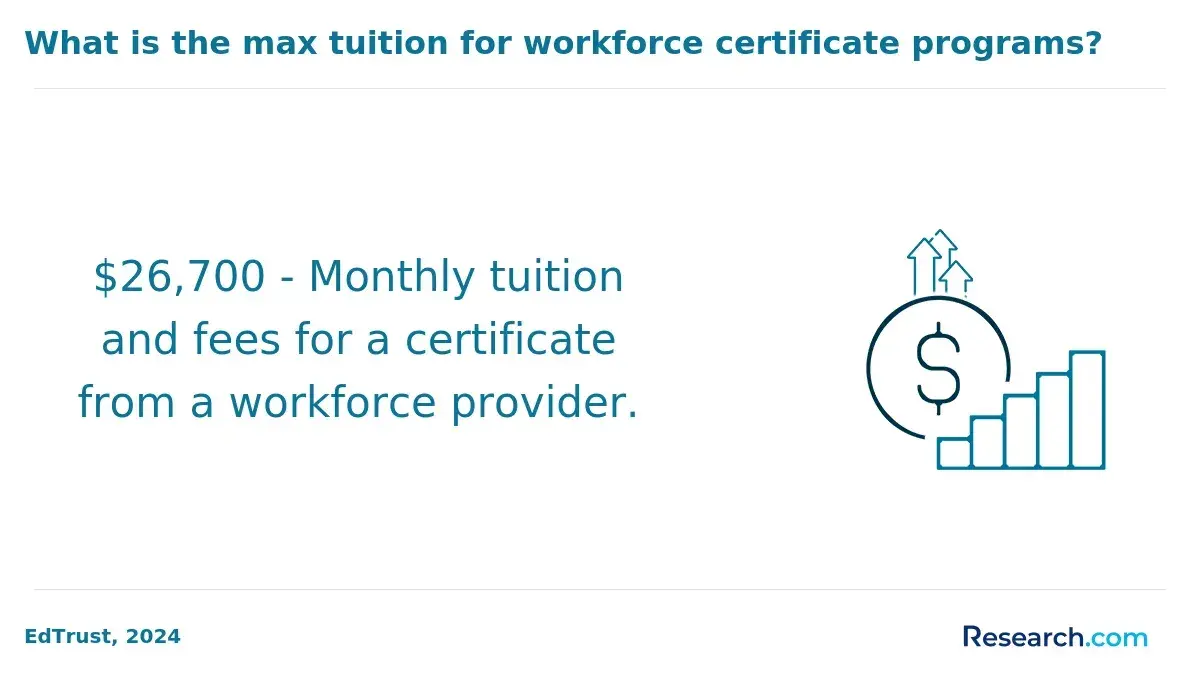
For a useful price comparison, request an estimate of remaining credits multiplied by tuition per credit, plus mandatory fees and required travel or placement expenses. Ask when transfer credits will be evaluated and how many credits must be completed at the institution.
Students considering a shorter undergraduate entry route can explore 1 year associate degree programs online, but should confirm which credits would actually apply to a later bachelor's degree. Federal aid eligibility and employer tuition benefits depend on the student and program.
Which careers require licenses or professional certifications?
Remote delivery does not remove professional rules. Registered nurses need state licensure; advanced-practice nurses face additional state and certification requirements. Clinical social workers and counselors generally need qualifying education, supervised practice, examinations, and state licensure before independent clinical work.
Public-school teachers need credentials appropriate to their state and assignment. CPA and professional engineer requirements likewise vary by jurisdiction and career goal.
By contrast, a software or business degree does not usually confer a mandatory occupational license. Voluntary technical certifications may help demonstrate particular skills, but they are not substitutes for a required professional license.
Before enrolling in a licensure-oriented online program, get written confirmation of how its coursework and placements align with the state where you intend to work.
What remote jobs can you get with each online major?
The table connects each major family with plausible remote-capable work and its main limitation. These are career directions, not jobs guaranteed by a degree; employer policies, experience, and credentials determine eligibility.
| Major family | Remote-capable work to investigate | Important qualification |
| Business | Financial analysis, digital marketing, operations analysis | Management roles often require experience |
| Healthcare | Health informatics, revenue-cycle analysis, program evaluation | Clinical roles have separate licensing rules |
| Information technology | Systems analysis, cloud support, security analysis | Some systems or incidents require on-site access |
| Computer science | Software development, data engineering | Employers may assess projects and technical skills |
| Nursing | Nursing informatics, nurse education, some telehealth roles | RN licensure and, for some roles, added credentials are required |
| Psychology | User research, research coordination, people operations | Clinical practice requires a separate licensed pathway |
| Education | Instructional design, curriculum development | School teaching has distinct credential requirements |
| Criminal justice | Compliance, policy analysis, intelligence research | Security restrictions may limit remote access |
| Engineering | Simulation, systems analysis, some design roles | Testing and site work may be in person |
| Social work | Some telehealth and case coordination roles | Fieldwork and clinical licensing requirements apply |
How strong is the job outlook for remote-friendly careers?
Growth projections can identify occupations worth researching, but they do not measure remote openings. BLS projects strong growth for information security analysts from 2024 to 2034; for a prospective student, that supports examining cybersecurity preparation, not assuming an easy entry-level search.
AI and automation also make it important to evaluate whether a curriculum teaches students to use, assess, and explain new tools rather than only perform routine tasks.
Before committing, search current remote job postings for your intended occupation. Note recurring skills, experience levels, state restrictions, and required office visits. If most suitable openings demand experience you do not yet have, plan for an on-site or hybrid entry role rather than making remote work your only acceptable first step.
Other Things You Should Know About
Possibly, but an online credential does not determine work location. Entry-level remote roles can be competitive, and some employers require experience or occasional office attendance.
Choose computer science for software and computing foundations; choose IT for systems, networks, or security operations. Both can lead to remote-capable work if the curriculum and your projects match the role.
Do not assume so. Online coursework may be paired with required in-person clinical or field placements; verify the exact program and your state's rules.
Ask for a written account of total required credits and costs, accepted transfer credit, live-session and in-person requirements, and - if applicable - licensing eligibility in your state.
References
- Choosing a School | Federal Student Aid https://studentaid.gov/resources/prepare-for-college/students/choosing-schools
- Occupational Employment Projections Data: U.S. Bureau of Labor Statistics https://www.bls.gov/emp/data/occupational-data.htm
- Accreditation in the U.S. | ed.gov http://www.ed.gov/laws-and-policy/higher-education-laws-and-policy/college-accreditation/accreditation-in-the-us
- Math and graduation: Interested in STEM? Get going on math | Utah System of Higher Education https://ushe.edu/interested-in-stem-get-going-on-math/
- Major Requirements | Mathematics - Natural Sciences https://naturalsciences.uoregon.edu/mathematics/undergraduate-programs/major-requirements
- Indicator: Hybrid Work | Gallup.com https://www.gallup.com/401384/indicator-hybrid-work.aspx
- Best College Majors for Remote Work | chmura.com https://www.chmura.com/blog/best-college-majors-for-remote-work