
2027 Best Majors With Weekend Classes

Co-Founder and Chief Data Scientist
A weekend class can make college possible around a workweek, but the right major depends on more than when lectures meet. Clinical hours, labs, internships, and course sequencing can still require weekday time. The stakes are meaningful. The U.S. Bureau of Labor Statistics (BLS) projects employment of information security analysts to grow 29% from 2024 to 2034, yet a convenient schedule alone will not prepare you for that career.
This guide compares weekend-friendly fields, with particular attention to master's options, and shows working adults how to check schedules, costs, credentials, and career requirements before enrolling.
Key Things You Should Know
- Business, information technology, and some computer science programs are often easier to fit around work than majors with required clinical hours or student teaching; confirm the schedule for your specific program.
- A bachelor's degree commonly requires about 120 semester credits, but the time left depends on accepted transfer credits, course availability, and enrollment pace, not the weekend format itself.
- Compare career fit as well as convenience. BLS reports a 2024 median wage of $133,080 for software developers, an occupational figure that is not a promised salary for computer science graduates.
Top 10 Best Majors With Weekend Classes
Business Programs
Master of Business Administration (MBA), management, and accounting programs are strong weekend candidates because discussions, case studies, and team projects can often be scheduled in blocks. An MBA may suit experienced professionals seeking broader responsibilities; a specialized accounting master's better fits a defined accounting goal.
Ask whether "weekend" means every class, occasional residencies, or only selected courses. Group work may still happen on weekdays, and a master's degree does not replace the experience commonly needed for management roles.
Healthcare Programs
Master's programs in healthcare administration, health informatics, and public health can offer weekend coursework for professionals who want nonclinical roles. Healthcare administration emphasizes operations and finance; public health may emphasize population health and research.
Check whether an internship, field placement, or employer-based project can be completed outside working hours. These degrees do not confer a clinical license, and applicants should confirm whether a program expects prior healthcare experience or specific foundation courses.
Information Technology Programs
Master's programs in information technology, cybersecurity, and information systems may combine weekend seminars with online labs and independent projects. IT often fits professionals seeking to build on systems, networking, or security experience.
Ask when lab support and live sessions are available; a weekend lecture is less useful if required team exercises meet midweek. Compare technical prerequisites carefully: an IT master's designed for career changers may start at a different level from one intended for experienced practitioners.
Computer Science Programs
A computer science master's can be worthwhile for software professionals seeking deeper study in algorithms, systems, or artificial intelligence. Some programs accommodate weekend attendance, but substantial coding and mathematics work continues between meetings.
Applicants without a computer science background may need prerequisite courses that extend the timeline. Choose this path for its technical curriculum, not simply because software jobs pay well; a portfolio and relevant experience also matter to employers.
Nursing Programs
Master of Science in Nursing (MSN) programs may schedule lectures on weekends, particularly leadership and education tracks. Nurse practitioner and other advanced clinical tracks also require supervised clinical hours, which may not be available on weekends.
Admission commonly requires an active registered nurse license and appropriate prior nursing education. Before applying, verify clinical-placement support, state authorization, specialty accreditation, and whether the program meets the requirements for your intended certification and license.
Psychology Programs
Psychology master's programs can offer weekend classes in areas such as applied psychology or counseling. These paths have different outcomes: an applied psychology degree does not automatically qualify someone to practice therapy.
Licensure-oriented counseling programs typically require supervised practicum or internship work and must meet state-specific rules. Ask for the exact degree title and licensing pathway before choosing a schedule; convenient classes cannot make up for a program that misses your state's requirements.
Education Programs
Master's programs in curriculum and instruction, educational leadership, and special education may use weekend classes to serve working educators. A program for licensed teachers may differ substantially from one leading to initial teacher certification.
Classroom observations, fieldwork, or student teaching may require weekday availability. Confirm admission prerequisites, local placement arrangements, and state approval if your goal is an endorsement or license rather than professional development alone.
Criminal Justice Programs
A criminal justice master's may suit professionals interested in policy, administration, or research and can accommodate weekend seminars and independent study. Compare concentrations: data analysis and public policy support different goals from practitioner-focused leadership courses.
Most criminal justice jobs do not require a master's, and law enforcement hiring has separate agency standards. Review whether the curriculum matches a specific advancement opportunity before taking on graduate tuition.
Engineering Programs
Engineering management and some professional engineering master's programs can place lectures on weekends, especially for employed engineers. Lab-intensive specializations may be harder to schedule that way. An engineering management degree focuses more on projects, operations, and leadership than an advanced technical engineering degree.
Check prerequisite mathematics and engineering coursework, required labs, and whether a capstone can use a workplace project. A master's degree does not by itself grant a professional engineer license.
Social Work Programs
Master of Social Work (MSW) programs sometimes schedule classes on weekends, but field education remains a major constraint. Placements depend on agency hours, supervision, and program rules; students should not assume they can complete them at their current job.
Applicants with an eligible accredited bachelor's degree in social work may qualify for a separate advanced-standing pathway. Verify accreditation, placement arrangements, and state licensure preparation before treating a weekend MSW as compatible with full-time work.
What majors offer the best weekend class options for working adults?
The best weekend major is the one whose entire required schedule, not just its lectures, fits your work and career goal.
Business, IT, and many nonclinical healthcare tracks are reasonable starting points. Nursing, education, counseling, and social work can also work, but their supervised requirements need closer scrutiny. The comparison below highlights the scheduling constraint most likely to change your decision.
| Major or field | Why weekend study may fit | Requirement to check first |
| Business | Projects and case discussions can be scheduled in blocks | Required live meetings and group-work expectations |
| IT or computer science | Much technical work can be completed independently | Live labs, prerequisites, and project deadlines |
| Healthcare administration | Often emphasizes nonclinical coursework | Internship or applied-project hours |
| Nursing, education, counseling, or social work | Some classroom meetings may occur on weekends | Clinical, teaching, or field-placement schedules |
If you are beginning college, consider whether an associate degree with transferable credits is a better first step than committing immediately to a bachelor's major. Available online degrees can broaden that search, but check the actual meeting times and how credits would apply to your intended bachelor's program.
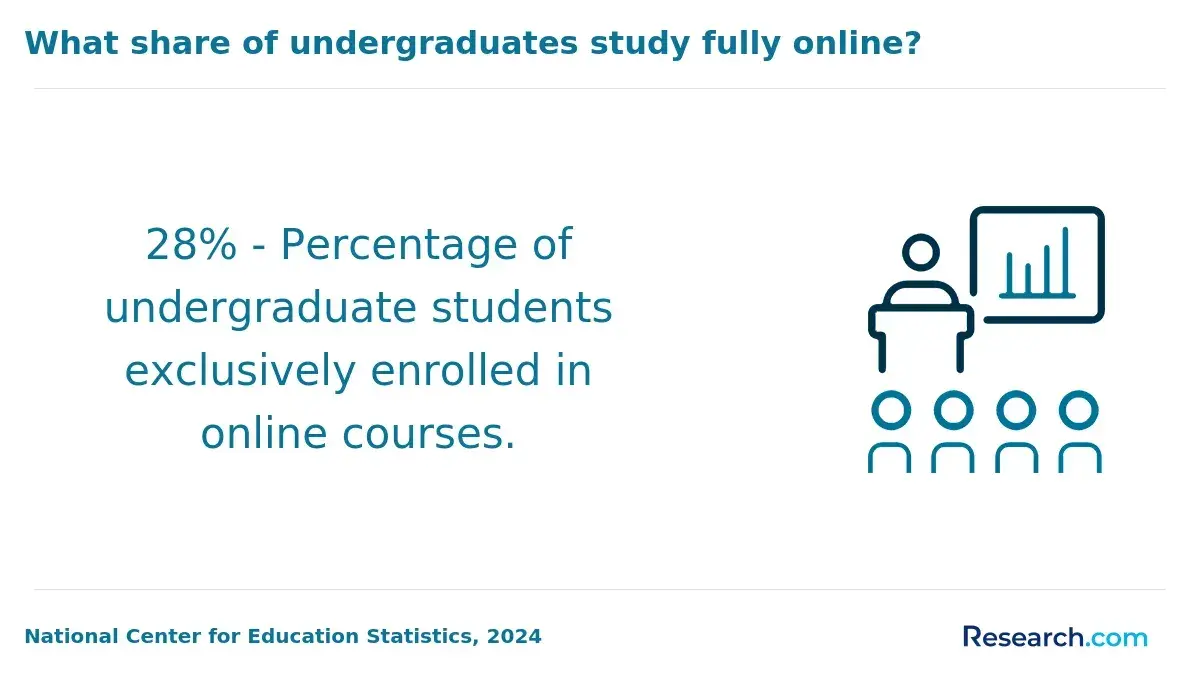
Are weekend degree programs available online, on campus, or in hybrid formats?
Weekend programs may be online, campus-based, or hybrid. Online does not mean asynchronous: a live Saturday video class still requires attendance, while an asynchronous course may have fixed weekly deadlines. The format comparison below helps distinguish where you study from when you must be available.
| Format | Potential advantage | Scheduling limit |
| Campus weekend | Predictable in-person meetings | Travel and possible weekday requirements |
| Live online weekend | No routine commute to class | Required attendance at set times |
| Hybrid | Fewer campus trips for some coursework | Required visit dates may be inflexible |
| Asynchronous online | Choice of study hours | Deadlines, labs, or placements may still be fixed |
If fixed Saturday meetings conflict with work or caregiving, the cheapest self paced online college search may reveal another scheduling approach. Verify both the total cost and whether the specific major permits self-paced study; flexibility advertised by a college may not extend to every program.
How can you verify accreditation for a weekend college program?
Start with the institution's accreditation status, then check whether the intended program needs separate accreditation or state approval. Institutional accreditation matters for federal aid eligibility and can affect credit transfer. Programmatic accreditation is especially consequential in fields such as nursing and social work; licensure rules may impose additional conditions.
Confirm the institution and program directly through the U.S. Department of Education's accreditation database and the relevant accreditor or state licensing board. Match the approved credential, campus or delivery location, and state to the program you intend to enter. A common mistake is assuming that an accredited university makes every degree an approved route to professional licensure.
What coursework do popular majors with weekend classes typically include?
Coursework should be evaluated against your goal, not the convenience of the timetable. Business students may study accounting, strategy, and operations. IT and computer science students may encounter programming, databases, security, and systems projects. Healthcare administration often includes finance and policy, while education and social work add practice-focused coursework and field requirements.
At the master's level, compare prerequisites, electives, and the culminating requirement. A thesis may suit a research goal; a capstone or applied project may be more relevant to workplace practice. A 1 year online masters option is worth comparing only after checking whether its credit load, prerequisite assumptions, and course schedule are manageable alongside your job.
What admission requirements apply to weekend degree and certificate programs?
Undergraduate applicants generally need a high school diploma or equivalent; transfer applicants also submit previous college transcripts. Graduate applicants generally need a bachelor's degree, but prerequisites vary.
Computer science may require programming and mathematics, while an MSN may require nursing preparation and an active RN license. Selective programs can add GPA standards, recommendations, experience, interviews, or other requirements.
Ask admissions to evaluate prior coursework against the specific major before you commit. Credits accepted by a college may count only as electives rather than satisfy major requirements. For a weekend cohort, also ask whether missing a prerequisite delays entry until the next scheduled course or cohort.
How long do weekend major programs take, and how much do they cost?
Weekend attendance does not shorten a degree by itself. A bachelor's program commonly totals about 120 semester credits; a master's varies substantially by field and may add prerequisites, a capstone, or supervised practice.
Part-time enrollment, limited weekend course offerings, and placement availability can extend completion time. Accepted transfer credit may reduce remaining undergraduate work, but the school must determine how each credit applies.
Compare the cost to finish, not just the advertised rate per credit. Tuition, mandatory and program fees, books, travel, unpaid placement time, and courses excluded from employer tuition assistance can change the calculation.
Compare online affordable master's programs using the same remaining-credit estimate, then ask each school for a written cost and course plan. Confirm federal aid eligibility and employer-benefit rules before assuming either will cover a weekend schedule.
Which careers can you pursue with a major completed through weekend classes?
Weekend study can lead toward the same kinds of careers as study at other times; employers evaluate the credential, skills, experience, and any required license rather than the day classes met.
Business may support work in operations or accounting; IT and computer science can support technical roles; healthcare administration can prepare students for organizational work. Prior experience may still be essential for management positions.
For regulated careers, work backward from the occupation. A prospective RN needs an approved nursing education and licensure route; an aspiring teacher or clinical social worker must check state-specific education and supervised-practice requirements.
If you need one targeted skill rather than a new degree, a certificate, industry certification, or employer-sponsored training may require less time and money.
What salaries and job outlooks do weekend-friendly majors offer?
Occupational data can help you test a career goal, but it cannot predict your pay after graduation. The figures below are BLS national medians for workers in each occupation in 2024, not starting salaries or outcomes for weekend-program graduates.
| Occupation | 2024 median annual wage | Important qualification |
| Software developer | $133,080 | Employers assess technical skills; a computer science master's is not universally required |
| Information security analyst | $124,910 | Related IT experience and credentials may matter |
| Registered nurse | $93,600 | Requires nursing licensure, not simply a weekend nursing degree |
Demand also differs by role: BLS projects 29% employment growth for information security analysts from 2024 to 2034. That outlook may make relevant IT preparation attractive, but it does not establish local hiring demand or justify paying for a degree an employer does not require. Compare job postings in your area with the program's curriculum and your existing experience.
Do weekend majors require professional licenses or industry certifications?
Some paths require credentials beyond a degree. Registered nurses need state licensure; teachers generally need state certification for public school roles; clinical social work and counseling require state-specific education, supervised experience, and examinations.
Nursing specialties can have additional certification requirements. Business, IT, computer science, and criminal justice graduates may pursue industry credentials, but requirements depend on the particular job.
Before enrolling, identify the exact occupation and state where you plan to work, then compare its licensing board's rules with the program's published outcomes. Do not assume that weekend delivery changes eligibility, or that completion of a degree automatically grants a license or certification.
Other Things You Should Know About the Best Majors
Sometimes, but confirm that every required course is offered on weekends and ask about labs, exams, internships, clinicals, and other placements. Request a term-by-term plan rather than relying on a general "weekend program" description.
They should meet the same academic requirements for the credential. Weekend meetings may compress classroom time into longer sessions, with substantial reading, projects, or practice between them.
Many students do, but feasibility depends on your course load and required hours outside class. Check placement schedules and peak assignment periods before choosing how many courses to take.
Ask for the upcoming course schedule, required in-person dates, a review of transferable credits, an estimated total cost, and written confirmation that the program meets any licensing requirements for your intended state.
References
- Field of degree: Occupational Outlook Handbook | bls.gov https://www.bls.gov/ooh/field-of-degree/
- Estimate your college cost | USAGov https://www.usa.gov/estimate-college-cost
- Transfer Requirements | UIC Admissions https://transfer.uic.edu/
- Transfer Credit Policies - Johns Hopkins University Admissions https://apply.jhu.edu/how-to-apply/transfer-students/transfer-credit-policies/
- Internships, Readings, Service Learning, or 4000-level Course | missouri.edu https://omd.missouri.edu/interdisciplinary-studies/capstone-internships-readings-service-learning-or-4000-level-course
- Paths to a Clinical Laboratory Scientist Career | UC Berkeley Extension https://voices.berkeley.edu/sciences-mathematics-and-biotechnology/paths-clinical-laboratory-scientist-career
- Basic costs include tuition, food and housing. - The Ohio State University https://undergrad.osu.edu/cost-and-aid/basic-costs
- Cost of Attendance | Columbus State Community College https://www.cscc.edu/services/financial-aid/cost-of-attendance.shtml
- Evening/Weekend Programs - BMCC - CUNY https://www.bmcc.cuny.edu/academics/learning-options/evening-weekend/
- Adult Education and Learning in Higher Education | schev.edu https://www.schev.edu/students/adult-learner




