2027 Best Online Career Programs for Students With Some College Credit

Co-Founder and Chief Data Scientist
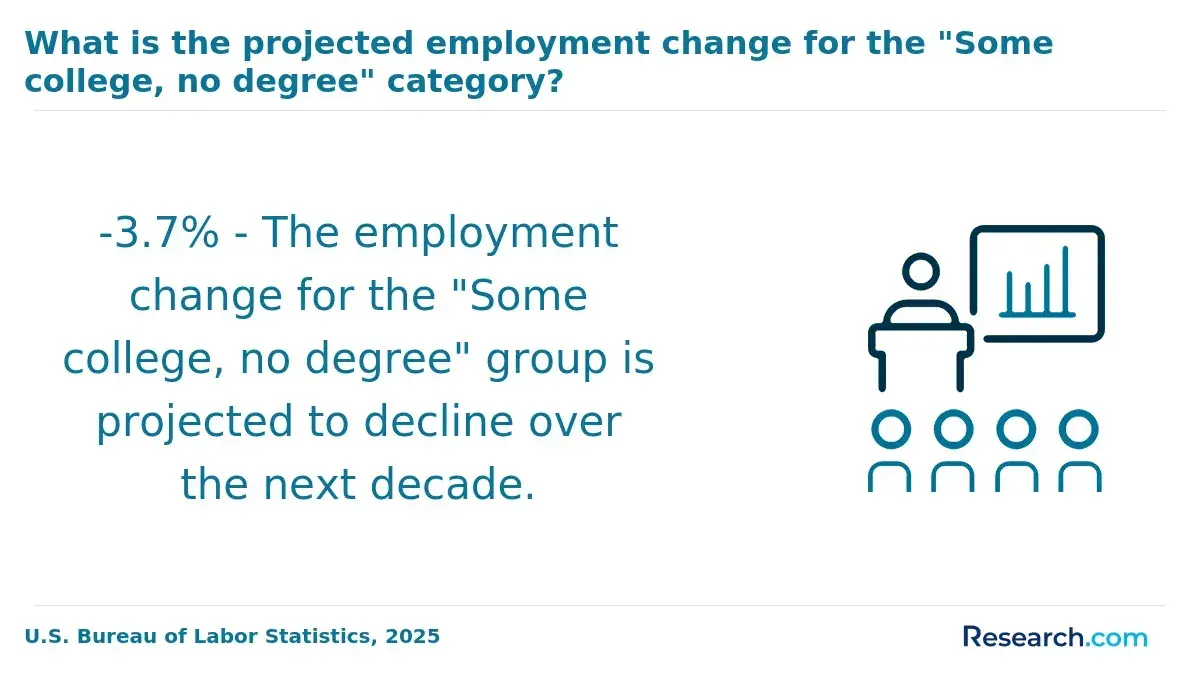
Already earned college credits but never finished a degree? Your next decision is not just which career to pursue - it is which program will actually count the work you have done. According to the U.S. Bureau of Labor Statistics (BLS), workers with some college but no degree had median weekly earnings of $1,020 in 2024. That figure does not predict anyone's earnings, but it underscores why completing a useful credential deserves careful consideration.
This guide compares online career paths, explains where previous credits may fit, and helps you identify the costs and requirements to check before enrolling.
Key Things You Should Know
- Start with a credential you are eligible to enter: a master's program normally requires a completed bachelor's degree, even if you already have substantial college credit.
- Transfer capacity is not the same as credit applied to your major. Some online bachelor's programs advertise acceptance of up to 90 credits, but their evaluations determine which requirements those credits satisfy.
- Check the occupation as well as the program: online coursework alone does not replace required nursing clinicals, teacher preparation, or supervised practice for licensed professions.
Top 10 Best Online Career Programs for Students With Some College Credit
Business Programs
Online MBA and specialized master's programs in accounting, finance, and business analytics suit graduates seeking advancement or a career change. They generally require a bachelor's degree, not merely unfinished college coursework; some also expect quantitative preparation or work experience. If you have not graduated, compare transfer-friendly bachelor's programs in business first.
Ask whether your accounting or economics credits meet major requirements rather than counting only as electives. An MBA can support management development, but it does not substitute for the experience employers expect or automatically meet CPA education rules.
Healthcare Programs
Online master's programs in healthcare administration, public health, and health informatics prepare bachelor's graduates for organizational, population-health, or data-focused work. They are different from clinical programs that qualify students to treat patients. Prior undergraduate credits can help you finish the bachelor's degree needed for admission, but they generally do not become graduate credits.
Compare programs by required statistics courses, internships, and whether projects can be completed near home. Choose administration or informatics for nonclinical goals; investigate a profession-specific accredited pathway if you want a clinical license.
Information Technology Programs
Master's programs in cybersecurity, information systems, and IT management can serve professionals moving toward specialized or leadership work. A bachelor's degree is normally required, although some programs admit graduates from unrelated majors with foundation courses.
Students with unfinished college credit may find a transfer-friendly IT bachelor's degree or targeted certification more accessible initially. Check whether past networking and programming courses satisfy prerequisites, particularly if technology has changed since you took them. Online labs may be virtual, but scheduled group projects or proctored assessments can still affect your timetable.
Computer Science Programs
Online computer science master's degrees typically emphasize algorithms, software systems, or artificial intelligence. Some are designed for computing graduates; others offer prerequisite sequences for career changers who already hold a bachelor's degree. If you have some college but no degree, first compare bachelor's completion programs in computer science or software development.
Confirm whether older programming and mathematics credits satisfy current major requirements. Graduate admission, missing prerequisites, and capstone or thesis options matter more than an advertised short course length when estimating how long the full pathway will take.
Nursing Programs
Online MSN programs generally serve licensed registered nurses and may prepare them for education, leadership, or advanced practice. An online classroom component does not eliminate required clinical training or state-specific approval.
Students who have college credit but are not RNs should investigate approved prelicensure nursing programs instead; licensed RNs without a bachelor's degree can compare RN-to-BSN and eligible RN-to-MSN bridges. Ask how science credits transfer, whether they expire under program policy, and who arranges clinical placements. An MSN alone does not confer an advanced-practice license.
Psychology Programs
Online master's programs in psychology may focus on research, applied behavior, or preparation for further study. A general psychology master's degree should not be confused with a state-approved counseling or clinical licensure pathway. Applicants normally need a bachelor's degree and may need statistics or research-methods coursework.
If your credits are unfinished undergraduate work, compare bachelor's completion programs first and request a major-specific evaluation. Before choosing a graduate program, determine whether your intended job requires a doctorate, supervised clinical training, or a particular professional degree.
Education Programs
Online master's programs in curriculum, educational leadership, and teaching have different audiences. Some serve licensed educators seeking advancement; initial-licensure programs may accept bachelor's graduates without a teaching license but require student teaching and state approval.
Previous college credits can help an aspiring teacher complete an undergraduate degree, yet they do not bypass graduate admission or classroom-placement requirements. Verify that the specific program meets rules in the state where you plan to teach. A flexible online course schedule may still be difficult to combine with daytime student teaching.
Criminal Justice Programs
Online criminal justice master's programs commonly cover policy, leadership, or analysis for graduates interested in public-sector or related work. They generally require a bachelor's degree and do not replace academy training, security clearances, or agency hiring standards.
If you have some college credit, an undergraduate completion program may be the immediate option; compare how your prior courses count toward the major. For a specific investigative or analytical role, check job postings before paying for graduate study: relevant experience or a different technical credential may matter more.
Engineering Programs
Online engineering master's programs can support specialization in fields such as electrical, mechanical, or systems engineering. Admission often calls for a relevant bachelor's degree and substantial mathematics preparation. Students with unfinished undergraduate credit should check whether an online engineering or engineering-technology bachelor's program is available and whether required labs can be completed locally.
Engineering technology and engineering degrees are not interchangeable for every job or state licensing pathway. If professional engineer licensure is a goal, verify the undergraduate program's accreditation and your state board's rules before enrolling.
Social Work Programs
Online MSW programs prepare bachelor's graduates for professional social work practice and typically require supervised field education in person. Some offer advanced standing specifically to graduates of qualifying accredited BSW programs; having unrelated college credits does not establish eligibility.
Without a bachelor's degree, compare BSW completion options and ask how general education and social work prerequisites transfer. Verify program accreditation, placement support, and the rules of the state where you intend to practice. Clinical social work generally requires additional supervised experience and a license after graduation.
What Are the Best Online Career Programs for Students With College Credit?
The best online career program depends on two things: the credential you already hold and the job you want next. For students with credits but no bachelor's degree, a transfer-friendly bachelor's completion program is usually the most direct route to fields that require a degree. A career certificate or associate degree may make more sense when it directly matches an entry-level role. The master's families above become options after bachelor's completion, subject to their admission requirements.
This comparison shows how starting point changes the value of each pathway. "Best" means the program accepts useful prior work, can be completed in a workable format, and prepares you for a realistic next step - not simply that it advertises a fast finish.
| Starting point and goal | Program to compare first | Decisive question |
| Some college; degree-required career | Online bachelor's completion | How many credits satisfy general education and major requirements? |
| Some college; specific entry-level skill | Career certificate or associate degree | Does the credential match local employer requirements? |
| Completed bachelor's; specialization or advancement | Relevant online master's program | Are prerequisites, experience, and in-person requirements manageable? |
| Licensed professional seeking advancement | Profession-specific bridge or graduate program | Does it meet licensing rules in the intended state? |
If finishing the bachelor's degree is your priority, compare a best accelerated bachelor's degree online option against a standard completion program. A shorter advertised timeline is useful only if your accepted credits, course load, and remaining requirements make it achievable.
Which Online Career Programs Accept the Most Transfer Credits?
Programs with high published transfer limits may be good starting points, but the most valuable policy is one that applies your credits to the credential you want. For example, Southern New Hampshire University advertises transfer of up to 90 credits toward a bachelor's degree, subject to evaluation. University of Maryland Global Campus also advertises up to 90 transferable credits toward a bachelor's degree. These are ceilings, not offers to accept every course or waive every major requirement; check the current policy for your specific program.
Request a written, program-specific evaluation before committing when the school permits it. Compare accepted credits in three categories: general education, major requirements, and electives. Then confirm the minimum credits you must complete at the new institution, required upper-level coursework, course-age or minimum-grade rules, and any capstone or clinical requirements. Undergraduate credits do not ordinarily count toward a later master's degree merely because the same university offers both.
How Do You Choose an Accredited Online Career Program?
Choose an institution accredited by an accreditor recognized by the U.S. Department of Education. Institutional accreditation matters for federal student aid and can affect future credit transfer, but it does not guarantee that another school will accept particular courses. For regulated careers, check the relevant programmatic accreditation and state approval separately; nursing, social work, teacher preparation, and some engineering pathways require especially close review.
Before applying, verify the exact online program - not just the university - on the school's official catalog and ask whether any labs, residencies, field placements, or campus visits are required. If your long-term plan includes doctoral research, apply the same accreditation and total-cost checks to a cheap online PhD; low tuition alone does not establish that a program fits your research or career goal.
Which Career Programs Offer Certificates, Associate Degrees, or Bachelor's Degrees?
Certificates concentrate on a narrower skill set and can be useful when an employer recognizes that skill or the credits later stack into a degree. Associate degrees often combine career coursework with general education. Bachelor's degrees provide broader preparation and are commonly required before master's admission. Compare each credential with actual job requirements: a short program can be a good choice for an accessible role but a detour if your intended occupation requires a bachelor's degree or license.
Distinguish a school-awarded certificate from an industry certification, which may require a separate exam. If you need a shorter route into work, compare quick certifications that pay well with degree programs. Confirm employer recognition, examination costs, and whether any coursework can later count toward your next credential.
What Are the Admission Requirements for Online Career Programs?
Online undergraduate programs commonly request previous college transcripts and proof of secondary-school completion; transfer admission rules and minimum course grades vary. Selective majors may have separate prerequisites or admission decisions even when the university admits you. Master's programs normally require a completed bachelor's degree and may also require foundation courses, a minimum GPA, relevant experience, or a professional license.
Send transcripts from every institution attended, including courses that may not transfer. Ask admissions staff when the official transfer evaluation occurs and whether admission to the university also means admission to your chosen major. A missing published test or GPA requirement is not proof that the program has none.
How Long Do Online Career Programs Take and What Do They Cost?
Time depends on credits applied to your actual program, enrollment pace, course availability, and experiential requirements. A bachelor's degree often comprises about 120 semester credits, but accepted transfer work may reduce what remains. Graduate requirements vary by field; a clinical placement or sequential prerequisite courses can extend a program beyond the time suggested by its online course format.
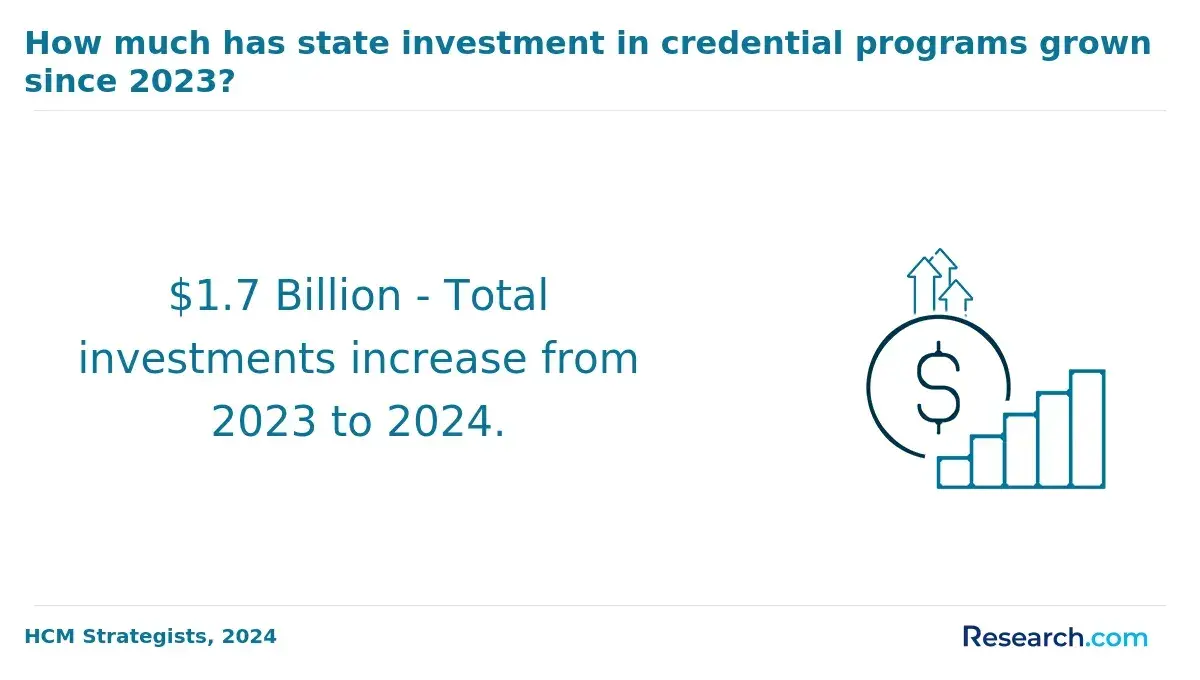
Compare the cost of remaining required credits, not just a school's per-credit tuition. Include mandatory and program fees, books or equipment, proctored exams, travel, and potential lost work time during placements. Ask each school for an itemized estimate based on your transfer evaluation and aid eligibility. Federal aid generally depends on enrollment in an eligible program and individual qualifications; employer assistance may have separate grade or repayment conditions. The lowest advertised tuition is not necessarily the lowest completion cost.
What Do Online Career Programs Teach and How Are Courses Delivered?
Career programs combine field knowledge with work-related practice: business students may analyze operations, IT students may complete virtual labs, and nursing or education students may undertake supervised work in person. Depending on the program, online courses can have recorded lessons, live meetings, fixed weekly deadlines, group projects, or proctored assessments. "Online" does not necessarily mean asynchronous or self-paced.
Ask for a sample term schedule and check who arranges any local placement before enrolling. Some competency-based master's degrees assess demonstrated skills rather than relying entirely on conventional course pacing, but they still have admission, assessment, and completion requirements. Compare that model with scheduled classes based on how you learn and the time you can reliably devote.
What Careers, Salaries, and Job Outlook Follow These Programs?
Career outcomes depend on the occupation, location, experience, and licenses - not the program name alone. For context, BLS reports that registered nurses had a U.S. median annual wage of $93,600 in 2024. That is an occupational wage across employed nurses, not a predicted salary for graduates of an online nursing program; RN practice requires an approved education pathway and licensure.
Use the BLS Occupational Outlook Handbook to compare current wages, projected employment, and typical entry requirements for the particular role you want. Technology programs may lead toward technical roles, while business and healthcare administration programs may support advancement after experience. Consider the trade-off between a specialized credential and a broader degree, particularly as employers adopt new software and AI tools. Ask programs for clearly defined outcomes, but do not mistake career services or an employer partnership for a job guarantee.
Which Licenses and Professional Certifications Do Graduates Need?
A degree, professional certification, and state license are different credentials. RNs must satisfy state nursing-board requirements and pass the applicable licensing examination. Public-school teachers must meet state preparation and certification rules. Clinical social workers typically need an accredited qualifying degree, supervised post-degree practice, and a state license. Other occupations, including many business and IT roles, may value voluntary certifications without requiring a state license.
Check the licensing board where you intend to work before enrolling, particularly if your online school is based in another state. Confirm required program approval, examinations, placements, and supervision. A common costly mistake is assuming that admission to an online degree program means its graduates are eligible for every state's license.
Other Things You Should Know About
Usually not. Most master's programs require a completed bachelor's degree; compare undergraduate completion options first.
Not necessarily. The receiving school evaluates course equivalency, grades, and program requirements. Credits accepted as electives may not shorten your major.
It depends on the field. Online classes may still include live meetings, labs, clinicals, internships, or student teaching at an approved location.
Ask for a program-specific transfer evaluation, an estimate of remaining tuition and required fees, a course schedule, and written details of any in-person or licensure requirements.
References
- Credentials: U.S. Bureau of Labor Statistics https://www.bls.gov/ors/factsheet/credentials.htm
- Transitional B Alternative Teacher Preparation Program | nysed.gov https://www.nysed.gov/college-university-evaluation/transitional-b-alternative-teacher-preparation-program
- Credit for Prior Learning | Kansas Board of Regents https://kansasregents.gov/students/credit-for-prior-learning
- Cost of Attendance (Budget) | 2025-2026 Federal Student Aid Handbook https://fsapartners.ed.gov/knowledge-center/fsa-handbook/2025-2026/vol3/ch2-cost-attendance-budget
- Do Old College Credits Still Count? Common Questions Adults Ask About Finishing Their Degree | Fresno Pacific University https://www.fresno.edu/sunnys-blog/academics-university/do-old-college-credits-still-count-common-questions-adults-ask
- Ways to Earn Credit at UW-Madison | wisc.edu https://policy.wisc.edu/library/UW-1048
- Transfer & Prior Learning Credit | Manhattan Area Technical College https://manhattantech.edu/student-life/registrar/transfer-prior-learning-credit
- How to Get College Credit for Work Experience | post.edu https://post.edu/blog/pla-101-can-a-prior-learning-assessment-get-me-college-credit-for-work-experience/
- Transfer Credit Services | usc.edu https://arr.usc.edu/transfer-credit-services/
- Effective Practices That Support Transfer Students | acenet.edu https://www.acenet.edu/Research-Insights/Pages/Student-Support/Effective-Practices-Transfer-Students.aspx