2027 Best College Programs With 2.0 GPA Admission

Co-Founder and Chief Data Scientist
A 2.0 GPA can make choosing a college program confusing: an institution may admit you while the program you want does not. That distinction matters especially for master's degrees, which generally require a bachelor's degree and may set separate academic standards. The U.S. Bureau of Labor Statistics (BLS) reports median weekly earnings of $1,840 for workers with a master's degree in 2024, across fields - not a payoff any program guarantees.
This guide compares program families, identifies where a 2.0 may create an admissions barrier, and shows you what to verify before spending money on applications.
Key Things You Should Know
- A 2.0 GPA does not establish eligibility for any specific master's program; check the published graduate minimum, how GPA is calculated, and whether conditional admission is available.
- Open-admission associate programs, some bachelor's pathways, and graduate programs use different admissions rules. A 2.0 that meets one institution's general threshold may not meet a selective major's threshold.
- For regulated careers, admission is only the first test: confirm program accreditation, required fieldwork, and state licensing eligibility before comparing tuition or online convenience.
Top 10 Best College Programs With 2.0 GPA Admission
Business Programs
Master of Business Administration (MBA) and specialized management master's programs can suit applicants seeking broader business skills or a change in function. Compare programs by whether they assess the full application, offer conditional admission, or require foundation courses. Work experience may strengthen an application, but it does not automatically override a GPA minimum. Ask whether the rule applies to cumulative undergraduate GPA or more recent coursework. A specialized certificate or undergraduate business coursework may be a better first step if the master's minimum is firm.
Healthcare Programs
Master's programs in public health, health administration, and health informatics prepare students for different work; none should be treated as a substitute for clinical licensure. Applicants with a 2.0 should check both graduate-school and department GPA rules, prerequisite science or statistics courses, and any relevant experience requirements. An informatics program may emphasize data skills, while health administration may expect professional experience. If your goal is a licensed clinical role, verify the precise credential and state requirements before choosing a broadly named healthcare program.
Information Technology Programs
Master's programs in information technology may cover networks, cybersecurity, systems management, or applied computing. Some are designed for career changers; others assume prior technical coursework. That distinction can matter as much as GPA: foundation courses may add time and cost even if admission is possible. Ask whether applicants with a 2.0 can receive a documented conditional offer and which grades they must earn to continue. A technical certificate can provide a narrower alternative when a master's program is not yet accessible.
Computer Science Programs
A computer science master's typically demands stronger preparation in programming and mathematics than a general IT program. A 2.0 GPA may be especially difficult to overcome if grades in those prerequisites are also low. Compare bridge or preparatory coursework with programs intended for applicants who already hold a computing degree. Ask whether recent graded courses can demonstrate readiness, but do not assume they replace the stated admission minimum. For software work, a degree is one possible route; demonstrable technical skills also matter.
Nursing Programs
Master of Science in Nursing (MSN) programs commonly require an eligible nursing degree and an active registered nurse license; tracks may add clinical experience and higher prerequisite-GPA standards. A university's general graduate admission policy is not evidence that its MSN accepts a 2.0. Check the exact track's GPA calculation, clinical-placement rules, accreditation, and eligibility for the intended state license. Applicants without nursing credentials should investigate an appropriate entry-level nursing pathway rather than assuming an MSN provides direct entry.
Psychology Programs
Psychology master's degrees vary from research-oriented study to programs connected with counseling or other practice. A general psychology degree does not automatically qualify graduates for therapist licensure. For a 2.0 applicant, the first comparison is whether a program permits conditional review and requires psychology or statistics prerequisites; the second is whether its curriculum meets the intended state's professional requirements. Research experience or recent strong coursework may help where holistic review is permitted, but cannot be assumed to waive a published minimum.
Education Programs
Master's programs in teaching, curriculum, or educational leadership serve different applicants. Initial-licensure programs may require student teaching, background checks, and state-specific coursework; leadership tracks may require a teaching license or professional experience. A 2.0 undergraduate GPA may meet neither the graduate-school nor the teacher-preparation standard. Ask the program to confirm admission eligibility and licensure alignment in writing. If admission is unavailable, targeted undergraduate coursework or an approved alternative certification route may better match your starting point.
Criminal Justice Programs
Criminal justice master's programs may emphasize policy, administration, research, or public safety. Choose by the work you want to do, not the assumption that an advanced degree is required for every law-enforcement job. Applicants with a 2.0 should compare published graduate GPA rules, conditional-admission procedures, and whether professional experience receives consideration. Request the remaining degree requirements too: an internship or research project can affect scheduling. Government jobs may impose separate hiring, background, or training requirements.
Engineering Programs
Engineering master's programs often depend on substantial prior mathematics and discipline-specific coursework. A graduate certificate or bridge sequence may help an applicant close preparation gaps, but it is not proof that a 2.0 meets master's admission standards. Compare research and professional tracks, required prerequisites, laboratory access, and whether certificate credits can later count toward the degree. Anyone pursuing professional engineer licensure should separately verify their undergraduate education and state board requirements; a master's degree alone does not settle eligibility.
Social Work Programs
A Master of Social Work (MSW) is a practice-oriented path that includes supervised field education. Standard and advanced-standing pathways have different entry requirements; advanced standing generally depends on an eligible prior social work degree, not simply work experience. For applicants with a 2.0, verify the MSW program's own GPA policy and whether conditional admission exists. Also check social work accreditation, placement arrangements, and state licensing steps. Field hours can make an otherwise convenient online schedule difficult to manage.
What college programs accept students with a 2.0 GPA?
There is no single list of college programs that accepts every applicant with a 2.0 GPA. The most accessible starting point is often an open-admission community college. Bachelor's transfer and master's programs require closer review because the institution, major, and applicant category may each have different rules. These pathways are options to investigate, not verified offers of admission.
The comparison below shows where to look for a workable pathway and what evidence would establish that it fits your GPA.
| Program pathway | What to verify with the school | Best fit when |
| Open-admission associate program | Entry rules, placement, and any selective-major requirements | You want to rebuild your academic record or prepare to transfer |
| Bachelor's or transfer program | Minimum transferable GPA and separate major admission | You need a bachelor's degree before graduate study |
| Graduate certificate | Its own GPA policy and whether credits can apply to a master's | You have a bachelor's degree and need recent relevant coursework |
| Master's program | Published graduate and program-specific minimums or a documented conditional route | You already meet degree and prerequisite requirements |
If graduate admission is not currently available, an associate's degree can be a starting point for further study - not a substitute for the bachelor's degree normally required for a master's.
What admission requirements apply to students with a 2.0 GPA?
First establish which GPA the program evaluates: cumulative undergraduate, last completed coursework, major, prerequisite, or transfer GPA. A 2.0 on one measure may differ from another. Graduate applications ordinarily require proof of a bachelor's degree and transcripts; a program may also require recommendations, a statement, experience, tests, an interview, or a professional license.
Contact graduate admissions and the program separately. Ask whether a 2.0 is eligible for regular or conditional review, what conditions would apply, and whether prerequisite grades have their own minimum. Do not interpret a missing GPA figure on a webpage as a no-minimum policy, or assume that strong experience overrides a stated rule.
Are online college programs available with 2.0 GPA admission?
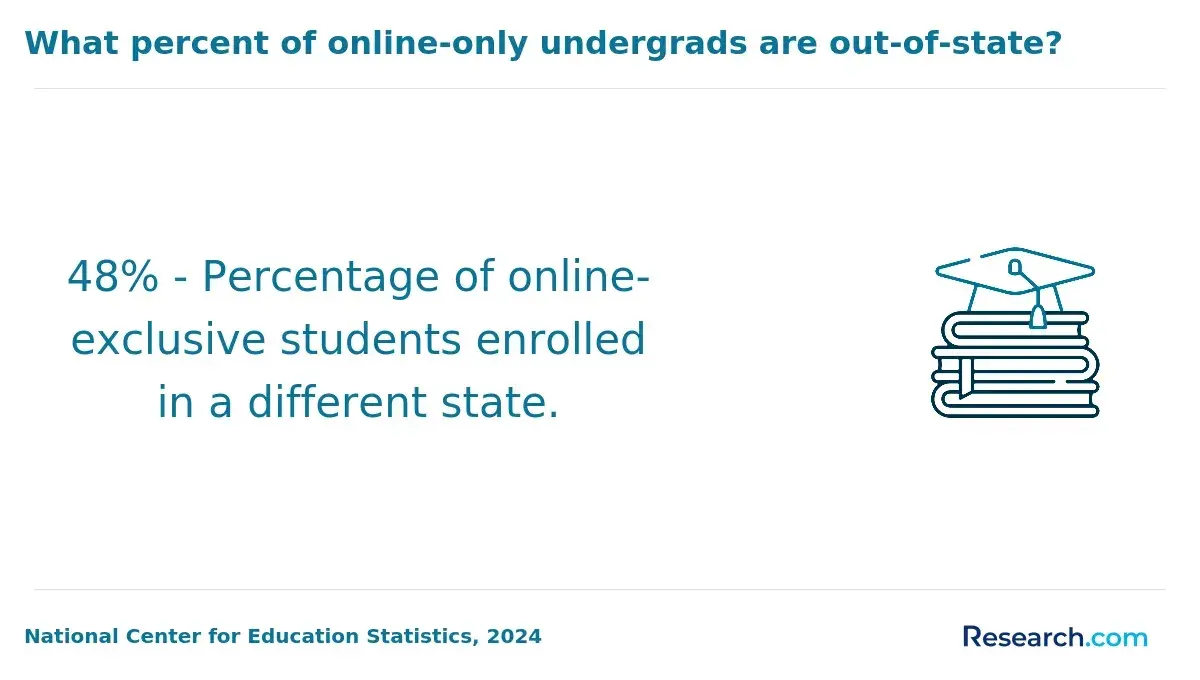
Online study exists across these fields, but online availability does not change a program's admission rules. Confirm that the specific degree and track - not merely the university - are offered online and will consider your academic record. Then check for scheduled live classes, campus visits, proctored assessments, and local internships or clinical placements.
Online study can make attendance easier without making coursework self-paced. Compare weekly scheduling and placement responsibilities before enrolling. Students considering technology or administrative careers may also want to explore work from home degrees, while recognizing that a remote job depends on the employer and role, not the degree's delivery format.
Which certificate programs can students enter with a 2.0 GPA?
Undergraduate career certificates at community colleges and some graduate certificates are worth investigating, but a 2.0 is not a universal certificate-admission standard. Entry rules depend on the institution and subject. Clinical, technical, and graduate-level certificates may require prerequisites, a prior degree, professional credentials, or selective admission.
Choose a certificate by its purpose: job-specific skills, preparation for further study, or a defined professional requirement. Before paying, confirm the published GPA rule, whether aid is available for that certificate, and whether credits would apply to a later degree. A certificate should not be mistaken for a professional license.
How long do 2.0 GPA college programs take to complete?
Completion time depends on the credential and what you have already completed. An associate or bachelor's pathway may include general education and major requirements; a master's may add prerequisites, a capstone, research, or supervised practice. Part-time enrollment and infrequently offered courses can extend any timeline.
If you already have a bachelor's degree, compare your remaining requirements rather than an advertised fastest-case schedule. Some quick masters degrees online assume uninterrupted enrollment or particular prior preparation; a 2.0 applicant may need additional graded coursework before entry. Ask for an individualized degree plan showing which requirements remain and when each course is offered.
How much do college programs accepting a 2.0 GPA cost?
A program's cost is its remaining total expense, not just its tuition rate. Compare the school's current tuition schedule and mandatory fees against the courses you would actually need. Conditional admission, prerequisite classes, or repeated courses can increase that total; accepted transfer credits may reduce it only if they satisfy degree requirements.
Request an itemized estimate covering tuition, program and technology fees, books, and any travel or placement costs. Then check the school's aid eligibility and your individual award before comparing out-of-pocket costs. Federal Pell Grants generally serve eligible undergraduates rather than students pursuing a master's degree. A low advertised tuition rate is not the best value if required extras or a poor career fit outweigh the savings.
What careers can students pursue after these college programs?
The appropriate career depends on the specific credential and your prior qualifications. Business and IT programs can support work in their respective functions; computer science may prepare students for software roles; an eligible nursing or social work program may form part of a licensed-practice pathway. A criminal justice degree does not replace agency hiring requirements, and a psychology degree does not independently authorize clinical practice.
Match a program's coursework and experiential requirements to actual job descriptions before applying. Research-oriented goals may eventually call for further study, including PhD programs online; verify research supervision and any in-person requirements rather than assuming the master's or doctorate alone secures a particular job.
What salaries can graduates of these programs expect?
Occupational pay provides context for comparing career goals, not a salary forecast for graduates. These BLS median annual wages for May 2024 describe all workers in each occupation, including people with different credentials and experience.
| Occupation | U.S. median annual wage | Important qualification |
| Registered nurses | $93,600 | State licensure is required; an MSN is not generally required for entry |
| Software developers | $133,080 | A particular master's degree is not a universal hiring requirement |
| Social workers | $61,330 | Requirements vary by position; clinical practice requires state licensure |
Use the wage for your intended occupation alongside the program's full cost and entry requirements. The higher-paying occupation is not necessarily the better investment if its training, licensing, or work does not fit your goals.
How can students verify accreditation and licensing requirements?
Verify the institution and, where relevant, the exact program. Start with the U.S. Department of Education's accreditation database and the accreditor's own directory. For licensed work, consult the state board for the state where you plan to practice; ask the school to identify the program's accreditation status and explain whether its curriculum meets that state's educational requirements.
Do this before paying a deposit, particularly for online nursing, social work, counseling-related, or teacher-preparation study. A common mistake is relying on institutional accreditation alone when a profession or state has additional program, supervised-practice, examination, or licensing rules. Keep written confirmation of admissions and licensing answers, since a general website description may not address your track or location.
Other Things You Should Know About
Possibly, but no admission should be assumed. You need a bachelor's degree and must meet the specific graduate program's rules. Ask whether it permits conditional review and what evidence or recent coursework it considers.
Not necessarily. Your prior institution's repeat policy and the receiving program's GPA calculation may differ. Ask admissions how it treats repeated courses before paying to retake one.
Only if a program uses that test and permits other evidence to offset a low GPA. A score does not automatically waive a published minimum.
Check eligibility first. Send the program your credential, relevant GPAs, and prerequisites, then request its written policy for applicants in your situation. This can help you avoid applications to programs that cannot consider you.
References
- Admission Criteria for Undergraduate Nursing Programs - PMC https://pmc.ncbi.nlm.nih.gov/articles/PMC12475341/
- Community College Program Outcomes | iowa.gov https://educate.iowa.gov/higher-ed/community-colleges/program-outcomes
- General Schedule Qualification Policies | U.S. Office of Personnel Management https://www.opm.gov/policy-data-oversight/classification-qualifications/general-schedule-qualification-policies/
- Program Integrity Questions and Answers - Satisfactory Academic Progress | U.S. Department of Education http://www.ed.gov/laws-and-policy/higher-education-laws-and-policy/program-integrity-information-questions-and-8
- Cost of Attendance (Budget) | 2025-2026 Federal Student Aid Handbook https://fsapartners.ed.gov/knowledge-center/fsa-handbook/2025-2026/vol3/ch2-cost-attendance-budget
- What you should know about competitive majors | Admissions https://admissions.colostate.edu/2017/09/19/know-competitive-majors/
- Admission | University of Connecticut Academic Catalog https://catalog.uconn.edu/graduate/admission/
- GSH Section 2 - Admissions | Graduate School https://gradsch.osu.edu/graduate-school-handbook-gsh/gsh-section-2-admissions
- Provisional and Conditional Admission to the Graduate School | University of Louisiana at Lafayette https://louisiana.edu/graduateschool/admissions/after-you-apply/provisional-and-conditional-admission-graduate-school
- How to Apply As a Transfer Student | The University of Arizona https://www.arizona.edu/admissions/undergraduate/transfer