2027 Best Online Colleges With the Best ROI

Co-Founder and Chief Data Scientist
An online college can fit your schedule and still be a poor financial choice if its total cost is high or its degree does not support your career goal. This guide is for prospective undergraduate and graduate students comparing value, not just tuition.
The stakes vary by occupation: the U.S. Bureau of Labor Statistics (BLS) reports a 2024 median annual wage of $133,080 for software developers, but a degree alone does not secure that job. You'll find a college shortlist, field-specific trade-offs, and a way to compare costs and outcomes before enrolling.
Key Things You Should Know
- No online college has the best ROI for everyone: compare the specific program's net cost, likely borrowing, completion prospects, and relevance to your target occupation.
- BLS reports a 2024 median annual wage of $93,600 for registered nurses; that is an occupational figure, not the expected earnings of graduates from an online nursing program.
- Verify delivery before applying: an online degree may still require live meetings, laboratories, clinical placements, student teaching, or other in-person work.
Top 10 Best Online Colleges With the Best ROI
Business Programs
An online MBA or specialized master's in accounting, finance, or analytics can make financial sense when it supports a defined promotion or career change. Compare total tuition and fees with your employer's reimbursement policy and the experience required for your target role.
An MBA rarely substitutes for management experience; accounting students should check whether a program supplies coursework needed for their state's CPA requirements. A less expensive, narrower certificate may be sufficient if you need one skill rather than another degree.
Healthcare Programs
Online master's programs in healthcare administration or public health generally prepare students for organizational, policy, or population-health work - not clinical licensure. BLS reports a 2024 median annual wage of $117,960 for medical and health services managers, but employers commonly expect relevant experience; that wage is not a graduate outcome.
Compare internships, employer connections, and program fees alongside tuition. Students seeking direct patient care should choose a credential that meets the appropriate profession's clinical and licensing requirements instead.
Information Technology Programs
Online master's degrees in information technology, cybersecurity, and information systems can help experienced workers specialize or move toward technical leadership. BLS reports a 2024 median annual wage of $124,910 for information security analysts, an occupation that typically also calls for related experience.
Look for hands-on projects and coursework that match the tools employers use. If you are entering IT for the first time, compare the cost of a master's with a bachelor's pathway, relevant experience, or a targeted certification.
Computer Science Programs
An online master's in computer science may suit developers seeking deeper study in algorithms, systems, or artificial intelligence. Programs vary substantially in math prerequisites, foundation courses, project work, and access to advanced electives; extra prerequisites can change both cost and completion time.
AI-related demand does not make every concentration equally valuable. Compare the curriculum with the work you want to do, and ask whether a portfolio of projects or employer-funded training would meet your goal at lower cost.
Nursing Programs
An online MSN can prepare a licensed registered nurse for areas such as leadership, education, or advanced practice. Admission commonly depends on nursing credentials, and clinical specialties have supervised, location-specific requirements even when coursework is online.
Compare placement support, required clinical hours, and eligibility for the license or certification you intend to pursue in your state. An MSN is not a route into registered nursing for every applicant; entry-to-practice pathways have different admissions and clinical requirements.
Psychology Programs
An online master's in psychology can support research, organizational work, or preparation for further study, depending on its curriculum. It generally does not qualify graduates to practice independently as psychologists; that occupation typically requires doctoral education and state licensure.
If your goal is therapy, compare licensed counseling or clinical social work pathways and their supervised-practice requirements instead. Check whether any required research, practicum, or campus component fits your schedule before comparing prices.
Education Programs
Online master's degrees in education may serve practicing teachers seeking specialization or advancement. A degree designed for current license holders is not necessarily an initial-teacher-licensure program.
Before paying for one, confirm whether its student teaching, examinations, and coursework meet your state's requirements and whether your school district rewards the credential. For an already licensed educator, employer tuition assistance can materially improve ROI; for a career changer, a qualifying licensure pathway matters more than a low advertised price.
Criminal Justice Programs
An online master's in criminal justice can build knowledge of policy, analysis, and agency administration, particularly for people already working in the field. It does not automatically lead to a federal position, supervisory appointment, or pay increase.
Ask employers whether they value the credential for the job you want, then compare that benefit with tuition and time away from work. Students seeking technical investigative skills may find more direct preparation in a specialized certificate or employer training.
Engineering Programs
Online engineering master's programs can help engineers deepen a specialty without leaving work, but laboratory access, prerequisites, and employer recognition differ by program. Some roles depend on professional engineer licensure, which has state-specific education, examination, and experience rules separate from earning a master's.
Compare the concentration with your intended work and confirm any campus or laboratory requirements. Employer sponsorship can change the financial case substantially, especially when a graduate degree is preferred rather than required.
Social Work Programs
An online MSW may be appropriate for students pursuing clinical or other advanced social work roles, but field placements take place in person. For licensure-oriented study, verify Council on Social Work Education accreditation, your state board's rules, and who arranges local placements.
Some schools offer advanced standing to eligible BSW graduates; it is not available to every applicant. Compare the remaining credits and placement schedule with full-time or part-time work before treating an advertised completion timeline as your own.
What makes an online college offer a strong return on investment?
Return on investment (ROI) asks whether the benefits of an education justify its full cost. For an online college, consider tuition and mandatory fees, books and technology, interest on borrowing, time spent studying instead of earning, and the likelihood that you will finish. Then compare those costs with credible outcomes for the same credential and field - not the highest salary associated with a broad occupation.
Start with your intended job, then compare the program in college that prepares you for it. A low-cost degree can have weak ROI if it does not meet a licensing requirement; a more expensive one may be worthwhile when it supplies necessary training and your borrowing remains manageable. Treat salary data as context, not a promise of what the degree will cause you to earn.
Which online colleges have the best value for tuition and career outcomes?
Western Governors University, University of Florida Online, University of Maryland Global Campus, and Southern New Hampshire University are useful starting points - not a defensible universal ranking. Each offers online degrees, but the best value depends on the program, your residency and transfer credits, financial aid, and what it takes to complete the credential. Published tuition alone cannot establish which college has the highest graduate ROI.
This comparison shows a distinct reason to investigate each institution and the program-level question that could change its value for you.
| Online college | Example to investigate | Potential value | Check before applying |
| Western Governors University | Online business or IT degrees | Competency-based, term-priced study may suit students who can progress steadily | Program eligibility, term costs, transfer evaluation, and a realistic study pace |
| University of Florida Online | Online bachelor's in business administration | A public-university option worth comparing on net cost | Your applicable tuition rate, program availability, and remaining requirements |
| University of Maryland Global Campus | Online bachelor's in cybersecurity technology | Career-focused study that may suit students with prior credit | Applicable tuition category and how accepted credits meet degree requirements |
| Southern New Hampshire University | Online bachelor's in psychology or business administration | Per-credit pricing makes a personalized completion estimate possible | Credits still needed, fees, and outcomes for the intended field |
Request a written cost and credit evaluation from each school. Compare the resulting estimates with U.S. Department of Education College Scorecard field-of-study earnings and debt where available, keeping in mind that reported cohorts may differ from you and some results are suppressed. None of the schools above is automatically the best-value choice in every field.
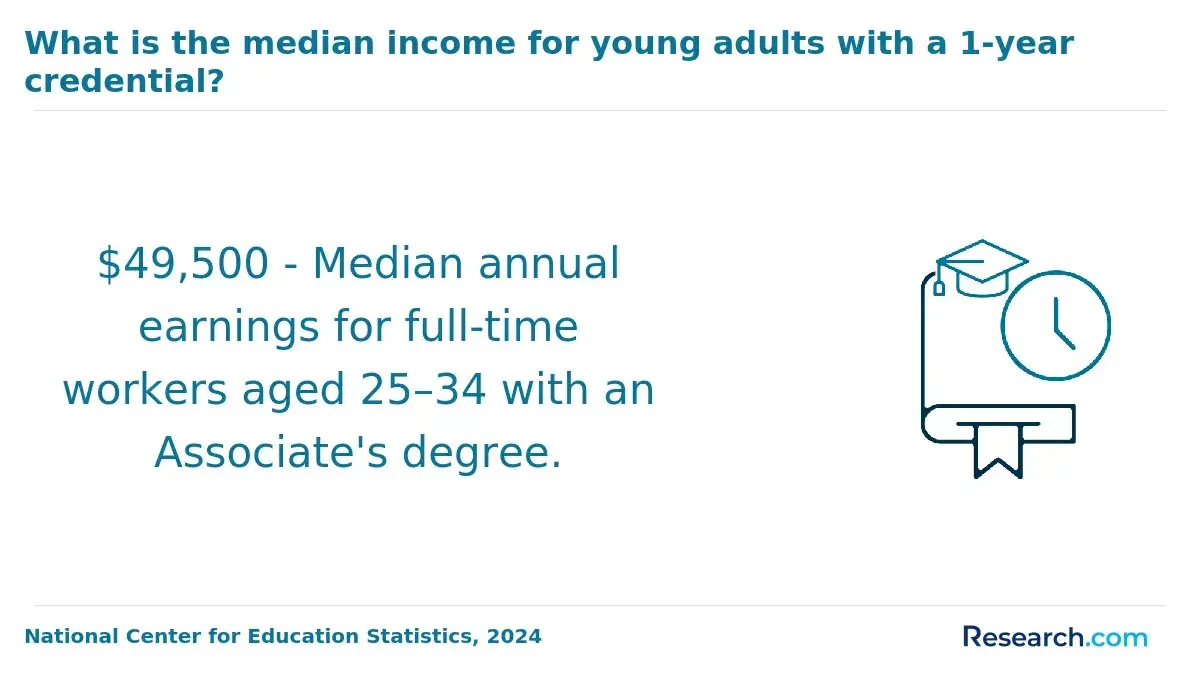
Are online degrees from accredited colleges respected by employers?
Yes, employers can respect degrees earned online from accredited colleges, but recognition depends more on the institution, the relevant program, and what an applicant can do than on a blanket claim about online learning. Check institutional accreditation and, where relevant, programmatic accreditation. Employers may also assess projects, experience, certifications, or eligibility for a professional license.
Do not assume accreditation alone makes a degree suitable for every career. A licensed occupation may require a particular program approval, supervised training, examinations, or state authorization. Ask the school how its program supports your intended occupation and verify the answer with the applicable licensing body.
How do online degree programs compare with campus-based programs?
Online and campus programs can teach the same subject, but their schedules and practical requirements can differ. Use the comparison below to identify which format you can realistically complete - not merely which one looks more convenient.
| Factor | Online study | Campus-based study |
| Scheduling | May allow remote access, but classes can have live meetings and fixed deadlines | Usually requires travel and scheduled attendance |
| Practical work | May require local clinicals, placements, labs, or campus visits | May offer on-site facilities, though placements can still occur elsewhere |
| Costs beyond tuition | May reduce commuting costs; technology and travel requirements can add expense | May add commuting or housing costs; on-site resources may be easier to access |
Ask for the actual course schedule and placement rules. "Online" does not mean asynchronous, self-paced, or free of in-person obligations, and those differences can affect both your ability to finish and your ROI.
Which online degrees lead to the highest-paying careers?
Software, computing, engineering, and some healthcare careers have relatively high occupational wages, but the highest-paying occupation is not automatically the best degree investment. BLS reports a 2024 median annual wage of $133,080 for software developers. That figure covers employed people across experience levels; it does not predict a new graduate's pay or show what an individual college adds to earnings.
Compare your target job's usual entry requirements with the program's curriculum and total cost. For some technical roles, experience and demonstrable skills matter alongside a degree; quick certifications that pay well may be worth comparing when you need a narrower skill, but they are not substitutes for every degree or professional license.
How much do online college programs cost after financial aid?
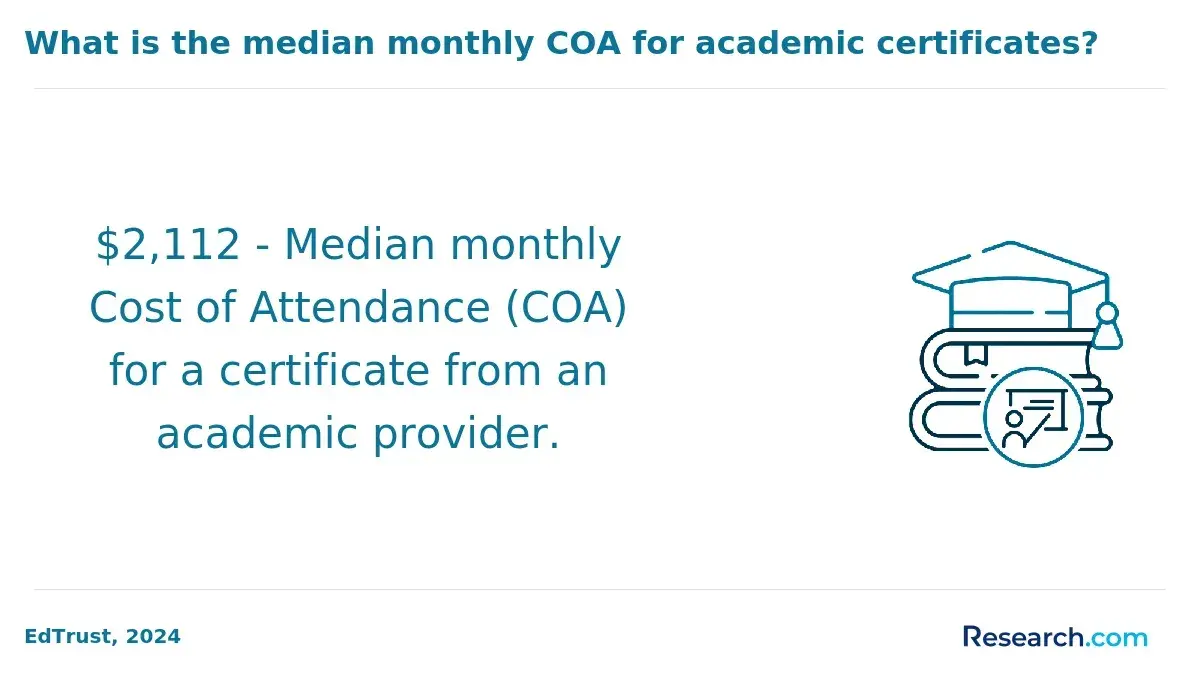
The amount you pay after aid is your net cost, not the tuition displayed on a program page. Your offer may include grants, scholarships, employer assistance, and loans; loans lower the bill due now but still have to be repaid. Include mandatory fees, required materials, technology, travel, and any clinical or residency expenses when estimating the full program.
For each college, request a personalized aid offer and an estimate based on credits that actually apply to your degree. Then separate grants from loans and compare your expected remaining cost through graduation - not just for the first term. Application charges are a smaller consideration, but no application fee online colleges may help you avoid an upfront expense while assembling your shortlist.
What admission requirements do online colleges typically have?
Requirements depend on the credential and program. Undergraduate applicants commonly provide a high school transcript or evidence of an equivalent credential; transfer applicants submit prior college records. Master's programs generally require a bachelor's degree and may specify prerequisite courses, a GPA, professional experience, recommendations, or other materials. Nursing, education, and licensure-oriented programs can have separate eligibility rules.
Check the admissions page for your exact program and applicant category rather than relying on a college-wide policy. Ask whether missing prerequisites add time or cost, whether testing is required, and when you can receive an official transfer evaluation. Admission to a university does not necessarily mean admission to a selective professional program.
How long does it take to complete an online degree program?
Completion time depends on the credential, required credits, course availability, enrollment intensity, and any placements or prerequisites. A bachelor's student entering with substantial applicable credit may finish sooner than a student starting from scratch; a working professional taking fewer courses may take longer. Short course terms do not mean the entire degree is short.
Ask each college for a degree audit showing remaining requirements, including any residency-credit minimum and capstone or clinical work. If a bachelor's degree is not needed for your target job, compare the best associate's degrees to get for that goal - but verify that the credential meets employer or licensing expectations. Transfer credit saves time only when it applies to requirements you would otherwise need to complete.
How can you verify an online college's accreditation and student outcomes?
Start with the U.S. Department of Education's accreditation database and the college's accreditor; for regulated careers, also check the relevant programmatic accreditor and state licensing board. Then examine College Scorecard outcomes for the institution and, when reported, the intended credential and field. Its earnings and debt figures describe past cohorts, not guaranteed results for you.
Before enrolling, request the current program catalog, tuition and fee schedule, delivery requirements, and a written evaluation of previous credits. Ask the school how it calculates completion, employment, and salary claims and whether those figures cover online students in your program. Red flags include unclear accreditation, unsupported earnings promises, and refusal to explain required in-person work or the total cost to finish.
Other Things You Should Know About
Often, but feasibility depends on course load, live meetings, deadlines, and practical placements. Ask for a sample schedule before committing.
No. Credits help only if the college accepts them and applies them to remaining degree requirements. Request a written evaluation before comparing completion costs.
Not automatically. Compare net cost through graduation, required fees, likely borrowing, program fit, and credible outcomes for your field.
Yes. Confirm eligible programs, annual limits, grade requirements, and any repayment obligation if you leave your job; then compare your remaining out-of-pocket costs.
References
- Cost of Attendance (Budget) | 2025-2026 Federal Student Aid Handbook https://fsapartners.ed.gov/knowledge-center/fsa-handbook/2025-2026/vol3/ch2-cost-attendance-budget
- Field of Study in College and Lifetime Earnings in the United States - PMC https://pmc.ncbi.nlm.nih.gov/articles/PMC5198720/
- COE - Loans for Undergraduate Students and Debt for Bachelor's Degree Recipients https://nces.ed.gov/programs/coe/indicator/cub
- Data Home | College Scorecard https://collegescorecard.ed.gov/data
- Accreditation in the U.S. | ed.gov http://www.ed.gov/laws-and-policy/higher-education-laws-and-policy/college-accreditation/accreditation-in-the-us
- Estimate your college cost | USAGov https://www.usa.gov/estimate-college-cost
- Tuition & Fees | St. Cloud Technical & Community College https://sctcc.edu/tuition
- Why Is Accreditation Important? | ACE Blog https://ace.edu/blog/why-is-accreditation-important/
- A First Try at ROI: Ranking 4500 Colleges | CEW Georgetown https://cew.georgetown.edu/cew-reports/collegeroi/
- Online Tuition & Cost Calculator - ASU Online https://asuonline.asu.edu/what-it-costs/