
2027 Best Degree Programs for Military Spouses

Co-Founder and Chief Data Scientist
A permanent change of station can interrupt a degree just as easily as a job. Military spouses need programs that remain workable after a move and lead toward careers they can pursue in a new location. Cost matters, too: the College Board reported average published in-state tuition and fees of $11,610 at public four-year colleges for 2024-25. That figure excludes many living and program expenses. This guide compares master's degree fields, explains where online study does - and does not - solve portability problems, and shows how to check benefits, licensing, and total cost before enrolling.
Key Things You Should Know
- For spouses who already hold a bachelor's degree, business, IT, and computer science master's programs often offer the most location flexibility; nursing, education, and social work can be portable only after accounting for state licensing.
- The Military Spouse Career Advancement Accounts program offers eligible spouses up to $4,000 for approved training, but it generally does not fund master's degrees; confirm eligibility and covered credentials before budgeting.
- Compare the entire degree - not just online tuition - including required credits, fees, placements, and moves. Published in-state tuition and fees averaged $11,610 at public four-year colleges in 2024-25, but graduate prices vary by program.
Top 10 Best Degree Programs for Military Spouses
Business Programs
An MBA or master's in accounting, finance, human resources, or supply chain management suits spouses seeking roles across industries. Accounting may lead toward CPA licensure, which has separate state requirements; an MBA alone does not qualify someone for management. Compare part-time scheduling, group-project meeting times, concentrations, and the school's career support. A general MBA offers breadth, while a specialized master's may fit a spouse with a specific occupation in mind. Ask whether courses and exams can continue uninterrupted after a move.
Healthcare Programs
A master's in healthcare administration or public health can prepare spouses for administrative, policy, and population-health work without necessarily requiring a clinical license. These programs may suit applicants with healthcare experience, but requirements differ; some accept career changers. Compare epidemiology, finance, leadership, and internship requirements against the job you want. An online degree can be easier to continue through a relocation, yet internships and local employer expectations may still affect access to work. Neither credential automatically qualifies a graduate for a clinical role.
Information Technology Programs
A master's in information technology, cybersecurity, or information systems can fit spouses interested in cloud infrastructure, systems management, or security operations. Look for applied labs and coursework in networking, risk, and governance; employers may also value relevant experience and certifications. Online delivery can support a move, but scheduled team projects and proctored assessments can limit flexibility. A cybersecurity degree alone does not confer a security clearance, and some positions require one. Choose a program whose technical focus matches the roles you plan to pursue.
Computer Science Programs
A computer science master's usually emphasizes algorithms, software development, data systems, or artificial intelligence. It may appeal to spouses seeking software roles or a technical career change, although career changers may first need programming and mathematics prerequisites. Compare bridge coursework, project or thesis options, and whether courses require live attendance. A portfolio of working software can complement the degree when applying for jobs. Applicants primarily interested in IT operations may find an applied IT program more directly relevant than a theory-heavy computer science curriculum.
Nursing Programs
An MSN can support registered nurses pursuing education, leadership, or advanced practice. Entry typically requires an appropriate nursing degree and RN licensure; advanced-practice tracks add clinical placements and separate certification and state authorization requirements. For a relocating spouse, the decisive question is whether the school can arrange or approve clinical sites in the next state. An online classroom does not remove in-person clinical work. Compare tracks by the exact nursing role you want, not by the MSN label alone.
Psychology Programs
A master's in psychology may emphasize research, human behavior, or applied workplace topics. It does not, by itself, qualify someone to practice as a licensed psychologist; that generally requires doctoral education and additional state requirements. Spouses interested in counseling should instead check whether a specific clinical mental health counseling program meets the licensing board's education and supervised-training rules where they expect to work. Research-oriented psychology can be a stronger fit for further study or nonclinical roles than for immediate independent practice.
Education Programs
A master's in education can help an existing teacher develop expertise in curriculum, instructional design, or leadership. A master's designed for initial teacher licensure is a different pathway and may require student teaching and state exams. Spouses expecting frequent moves should ask how the program handles out-of-state placements and whether its coursework satisfies requirements in the intended state. Instructional design may offer roles beyond schools, while classroom teaching requires closer attention to state credentials and local placement opportunities.
Criminal Justice Programs
A criminal justice master's can focus on policy, administration, investigations, or public safety. It may suit professionals seeking advancement, but hiring for law enforcement and federal roles has separate experience, screening, training, and sometimes location requirements. A degree is not a substitute for an agency academy. Compare the curriculum with your target employer's qualifications; a concentration in data analysis or emergency management may be more transferable across sectors than a narrow agency-specific focus.
Engineering Programs
An engineering master's can deepen expertise in fields such as electrical, mechanical, or systems engineering, usually building on substantial undergraduate mathematics and engineering preparation. Online coursework may travel well, but labs, research, and employer location can limit portability. For work requiring a professional engineer license, check state board rules; a master's alone does not replace examination and experience requirements. Spouses changing careers without an engineering background should ask about prerequisites before comparing completion times.
Social Work Programs
An MSW is the standard graduate route toward many professional social work positions. For future licensure, prioritize a program accredited by the Council on Social Work Education and confirm its field-placement arrangements. Clinical practice additionally requires supervised experience and a state license after graduation. Advanced-standing MSW options generally require an eligible BSW and have separate admission rules; they are not shortcuts available to every applicant. Moves can disrupt both placements and post-degree supervision, so plan around both stages.
What degree programs offer the most portable careers for military spouses?
Business, IT, and computer science often offer the most geographically portable master's-level options because many related employers do not require a state professional license. Portability is not the same as guaranteed remote work: an employer may require on-site attendance, restrict where remote employees can live, or require a security clearance.
Healthcare administration and instructional design can also transfer across locations. Nursing, teaching, counseling, and social work may offer opportunities in many states, but their licenses, placements, or supervised-practice rules make moving more complicated. If you are still choosing an undergraduate foundation, compare best college majors for the future against the graduate prerequisites and occupations that interest you.
Are online degree programs better for military spouses than campus programs?
Online programs are often easier to continue through a move, but they are not automatically better. An asynchronous program may let you work around a service member's changing schedule; a campus program may offer easier access to labs, local placements, or professional contacts. Both can impose fixed deadlines.
The delivery format matters differently by field. The comparison below highlights the commitment most likely to affect a relocation.
| Format | Potential advantage | Commitment to verify |
| Asynchronous online | Coursework can often be completed at different times | Weekly deadlines, exam rules, and any in-person components |
| Scheduled online | Regular interaction with faculty and classmates | Live meeting times across time zones |
| Hybrid or campus | Direct access to facilities and local networks | Attendance and whether credits will remain usable after a move |
Before enrolling, request the program's attendance and placement requirements in writing. For a licensed field, ask whether the school can support students living in your current state and a likely destination state.
Which military spouse education benefits can help pay for college?
Start by separating benefits that can pay for a master's degree from those restricted to other credentials. Eligibility depends on the service member's status, benefit elections, program approval, and the spouse's circumstances.
These are the main funding routes to check and the limitation most likely to change your plan:
- Transferred Post-9/11 GI Bill benefits: A service member must meet transfer rules and obtain approval while eligible; the spouse should verify remaining entitlement and the school's certification process.
- MyCAA: Eligible spouses may receive up to $4,000 for approved training toward certain portable careers, but master's degrees generally are not covered.
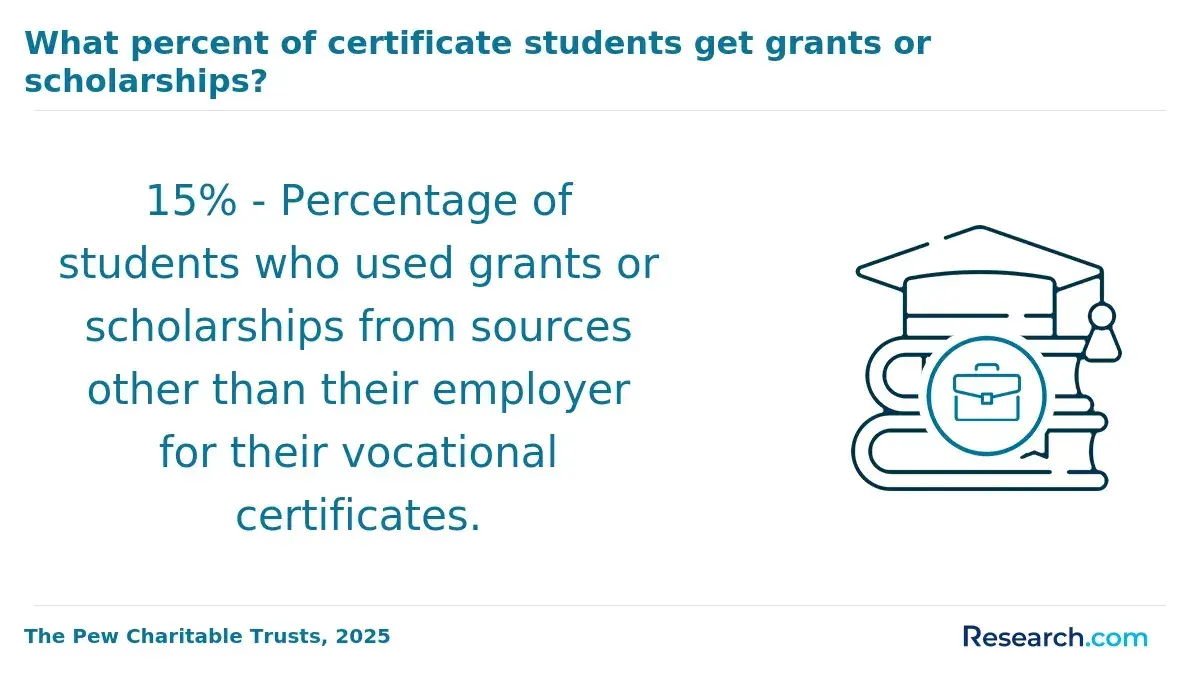
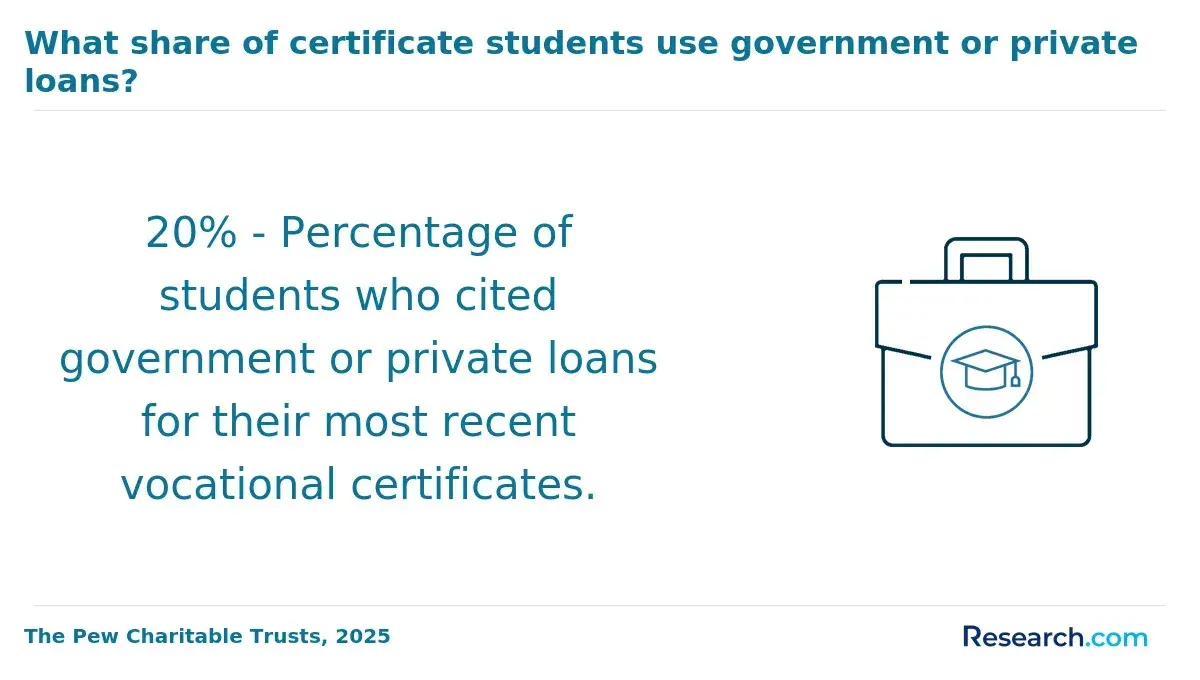
- Federal student aid: Eligible graduate students can submit the FAFSA for federal loans; grants commonly associated with undergraduate study should not be assumed available for a master's.
- School, employer, and military-community assistance: Ask about spouse scholarships, employer tuition assistance, and whether awards can be combined without reducing other aid.
Confirm current rules with the administering program before accepting admission. A benefit's maximum value is not a promise that it will cover your program's full tuition, fees, or living costs.
Which accredited schools offer flexible degree programs for military spouses?
Accredited institutions with online graduate offerings include University of Maryland Global Campus, Arizona State University, Southern New Hampshire University, and Western Governors University. They are starting points, not a ranked list or a claim that every program at each school can be completed after any move. Compare the specific degree, its schedule, total price, and authorization or placement rules rather than relying on institution-wide descriptions.
Use online schools for military spouses to build a shortlist, then verify institutional accreditation through the recognized accreditor and check programmatic accreditation when your intended occupation requires it. For nursing, teaching, counseling, and social work, obtain written confirmation of how the program handles a change of state before applying.
What admission requirements apply to military spouse degree programs?
These master's programs generally require a bachelor's degree and transcripts. Relevant undergraduate preparation varies: computer science and engineering may require technical prerequisites; MSN applicants generally need RN licensure; some advanced-standing MSW applicants need an eligible BSW. Schools may also request recommendations, a statement of purpose, a résumé, or work experience.
GPA thresholds, GRE or GMAT policies, prerequisite waivers, and selective admission vary by program and can change. Being a military spouse does not automatically waive them. Ask admissions to evaluate prior coursework before enrollment, particularly if a move forced you to change schools. Graduate transfer credit is not automatically accepted, and accepted courses may count as electives rather than replace required classes.
How long do military spouse degree programs take, and what do they cost?
Many master's programs are designed around roughly one to two years of full-time study, but part-time enrollment, prerequisites, course sequencing, a thesis, or supervised placements can extend that timeline. Advanced standing may shorten an eligible MSW pathway; it does not change the requirements for applicants without the qualifying BSW. Similarly, shorter course terms do not establish a shorter total degree.
For a useful price comparison, request an estimate covering all remaining credits, mandatory and program fees, books, technology, travel, and placement costs. Published tuition may exclude several of these expenses. If speed is important, compare shortest master's degree programs online only after checking the prior education and course load assumed by each timeline. A lower per-credit price can cost more overall if the program requires additional courses or a delayed placement.
What do military spouse degree programs teach through their coursework?
Coursework should be judged against the job and credential you want, not just an appealing degree title. Business programs may cover finance and organizational decisions; IT and computer science programs may emphasize systems, security, programming, or research. Practice-oriented programs add occupation-specific work: an MSN may require clinical hours, an MSW field education, and an initial-licensure teaching program student teaching.
Review the catalog for required courses, electives, prerequisites, and the final project or exam. Ask whether a thesis, capstone, lab, or placement can be completed after relocating. That question can reveal a substantial difference between programs that look equally flexible in an admissions brochure.
What careers, salaries, and job outlooks follow these degrees?
A degree can prepare you for a career, but it does not establish your job title or pay. U.S. Bureau of Labor Statistics median wages describe everyone employed in an occupation, across experience levels and educational backgrounds - not new graduates of these master's programs. Use them to assess the occupation's market, then compare it with your likely education cost and entry requirements.
The following BLS May 2024 medians provide salary context for three relevant occupations. Each has a different route into employment.
| Occupation | Median annual wage | Important qualification context |
| Software developer | $133,080 | A computer science master's is one route; the occupation does not generally require one. |
| Registered nurse | $93,600 | RN licensure is required; an MSN alone is not a substitute. |
| Social worker | $61,330 | Requirements vary by role and state; clinical practice requires additional licensure. |
BLS employment projections indicate demand across these occupations, but national growth does not predict openings near a particular installation or guarantee remote work. For another view of earnings by educational field, consult highest paying bachelor degrees without treating bachelor-level comparisons as expected master's outcomes.
Which licenses and certifications do military spouse careers require?
Licensing is the biggest distinction between an academically portable degree and a portable occupation. An RN, teacher, clinical social worker, or counselor must satisfy the rules of the jurisdiction where they intend to practice. A professional engineer or CPA may face state-specific requirements as well. National certifications can strengthen an application, but they do not automatically replace a state license.
Before committing to a licensure-oriented program, check the current board rules in the state where you live and any state where you may move. Compare required accreditation, coursework, exams, supervised hours, and rules for an existing license. Interstate agreements or military-spouse provisions may help in some circumstances, but do not assume they grant immediate authority to practice. Confirm whether the school can provide the placements and documentation needed for your intended license.
Other Things You Should Know About
Business, IT, and computer science are strong options to compare if location flexibility is your priority. The best choice still depends on your background, target role, schedule, and total program cost.
Often, but ask the school first. State authorization, live classes, exams, clinical placements, and licensure rules may affect whether you can continue from the new location.
Generally, no. MyCAA supports certain approved credentials for eligible spouses; check its current rules and consider other aid sources for graduate study.
Not automatically. A new state may require an application, documentation, exams, or additional supervised practice. Check the destination licensing board before relying on reciprocity.
References
- School Program Approval - Education and Training https://www.benefits.va.gov/GIBILL/school_program_approval.asp
- Transferring Your Professional License | militaryonesource.mil https://www.militaryonesource.mil/benefits/transferring-your-professional-license/
- Federal Professional License Portability and State Registration | ca.gov https://www.dca.ca.gov/military/federal.html
- GI Bill And Other Education Benefit Eligibility | Veterans Affairs https://www.va.gov/education/eligibility/
- MyCAA Military Spouse Scholarship Program | northshore.edu https://www.northshore.edu/veterans/mycaa.html
- Portable degrees: education that travels with you | Capella University https://www.capella.edu/blog/inside-capella/portable-degrees-education-that-travels-with-you/
- Admissions, VA Benefits & Finances | John Jay College of Criminal Justice https://www.jjay.cuny.edu/student-life/military-veteran-services/admissions-va-benefits-finances
- Online Colleges For Military Spouses And Dependents | affordablecollegesonline.org https://www.affordablecollegesonline.org/college-resource-center/online-college-military-spouses-and-dependents/


