2027 Best Online Degree Programs With No Application Fee

Co-Founder and Chief Data Scientist
An online degree can fit your career goals and still be a poor choice if its costs or admission rules come as a surprise. This guide is for prospective master's students comparing programs that do not charge an application fee. The fee matters, but career fit, tuition, and any in-person requirements matter more.
The U.S. Bureau of Labor Statistics reported a 2024 median annual wage of $133,080 for software developers, for example, yet an IT degree does not automatically qualify someone for that role. You'll learn which fields to consider and what to verify before you apply.
Key Things You Should Know
- A no-fee application saves the application charge, not tuition, required fees, or possible travel and placement costs. Confirm the policy for your specific online master's program.
- Southern New Hampshire University advertises no application fee for online applicants and offers online master's options, including an MBA and an MS in Information Technology. Check its current graduate admissions terms before applying.
- Career fit and required credentials outweigh the fee. BLS reported a $133,080 median annual wage for software developers in 2024, but that occupational figure is not a predicted salary for degree graduates.
Top 10 Best Online Degree Programs With No Application Fee
Business Programs
An online MBA is a broad professional degree for people pursuing management, operations, or business leadership; a specialized master's in accounting or finance may fit a narrower goal better. Compare concentrations, prerequisite coursework, group projects, and whether classes meet live.
Southern New Hampshire University offers an online MBA and advertises no application fee for online applicants; confirm that the policy covers your application. An MBA does not by itself secure a management job, and accounting licensure has separate state requirements.
Healthcare Programs
Online master's programs in healthcare administration or public health can support administrative, policy, or population-health goals. They are not substitutes for clinical credentials. Compare coursework in finance, policy, data, and quality improvement, and ask whether a practicum or placement is required.
Before choosing a no-application-fee option, confirm that the fee policy covers the exact graduate program and that its online delivery works where you live. A lower application cost matters little if required placements or travel make the program impractical.
Information Technology Programs
An online MS in Information Technology commonly emphasizes applied systems, cloud services, cybersecurity, or IT management. It may suit professionals building on technical experience more than applicants seeking a software-development curriculum. Southern New Hampshire University offers an online MS in Information Technology and advertises no application fee for online applicants.
Verify the current policy for your intended start. Compare technical prerequisites, lab access, capstone requirements, and certification alignment. A degree and an industry certification serve different purposes, and neither guarantees employment.
Computer Science Programs
A computer science master's typically goes deeper into algorithms, software, and computing theory than a general IT degree. Applicants changing fields should ask about programming and mathematics prerequisites: foundation courses can increase both time and cost.
Compare project-based and research-oriented tracks according to your goal. If a school advertises free applications, verify that the waiver applies to its online computer science master's, not just undergraduate admission or a different program. Some tracks may also require scheduled exams or a thesis.
Nursing Programs
Online MSN programs generally require an active RN license and may require a BSN, clinical experience, or both. Nurse practitioner tracks have supervised clinical placements and state-specific authorization rules; an online classroom does not remove those obligations.
Compare placements, specialty accreditation, certification eligibility, and total fees before applying. Verify that any no-fee policy covers the MSN and your applicant category. Nurses seeking leadership or education roles should not assume a nonclinical track qualifies them for advanced clinical practice.
Psychology Programs
An online master's in psychology may emphasize research, applied behavior, or organizational work. It usually does not independently qualify graduates to practice as licensed psychologists; that occupation generally requires doctoral training and state licensure.
Counseling is a distinct pathway with its own accreditation, supervised practice, and licensing rules. Match the curriculum to your intended role before prioritizing a free application, and confirm whether the program includes a thesis, practicum, or required live sessions.
Education Programs
Online education master's degrees may focus on curriculum, instructional design, leadership, or initial teacher preparation. These purposes are not interchangeable: a nonlicensure degree may help an educator advance but will not necessarily qualify a new teacher for certification.
Check state approval, student-teaching arrangements, and whether your district recognizes the credential for pay or advancement. Confirm that a school's no-fee policy applies to the particular graduate education track, especially if licensure admission is handled separately.
Criminal Justice Programs
An online criminal justice master's may cover policy, administration, research, or emergency management. It can suit experienced public-service professionals, but many entry-level justice roles do not require a master's. Ask employers whether the credential affects eligibility or promotion before paying for it.
Compare research and capstone requirements, particularly if you want policy-analysis work. A school's general free-application claim should be checked against the exact online graduate program and any separate departmental application.
Engineering Programs
Online engineering master's degrees are often designed for applicants who already have engineering or closely related preparation. Specializations and prerequisites matter more than a broad "engineering" label; laboratory, project, or occasional campus requirements may also vary.
An engineering-management degree may serve a different goal from a technical MS. Verify online availability and the graduate application fee for the specific specialization. If professional engineer licensure is your goal, check your state board's education and experience rules separately.
Social Work Programs
An online MSW is a professional route toward social work practice, but it normally includes supervised field education completed in person. Applicants with an eligible BSW may qualify for a separate advanced-standing pathway; others generally follow a longer traditional route.
Check Council on Social Work Education accreditation, local placement support, and your state's clinical licensure rules. Before treating a free application as a saving, confirm the policy covers the MSW and ask whether field-placement travel or other charges affect total cost.
What are the best accredited online colleges with no application fee?
There is no defensible single "best" accredited no-fee online college for every master's applicant. Southern New Hampshire University is a useful starting point. It holds institutional accreditation from the New England Commission of Higher Education, advertises no application fee for online applicants, and offers online graduate options including an MBA and an MS in Information Technology.
Confirm the current fee policy for the degree and admission route you intend to use; accreditation and a free application alone do not establish that either program fits your goals. To build a shortlist, use the top online colleges as a discovery tool, then check each school's own graduate admissions page, catalog, tuition schedule, and online-program description.
Do not assume an undergraduate fee policy extends to master's applications. This is a verified starting example, not a claim that every field discussed above has a confirmed no-fee option at the same school.
Which online degree programs offer the strongest career outcomes?
The strongest outcome is the one aligned with an occupation you can realistically enter or advance in. An IT or computer science master's may deepen technical skills.
An MSN, MSW, or licensure-oriented education degree has a more specific professional pathway. No occupational wage proves what graduates of a particular program earn.
This comparison separates the degree's likely purpose from the additional qualifications an employer or regulator may require.
| Program family | Potential career direction | Important qualification check |
| Business | Operations or management advancement | Relevant work experience and employer expectations |
| IT or computer science | Systems, security, or software work | Demonstrable technical skills and role-specific experience |
| Nursing | Specialized clinical or nursing leadership work | RN eligibility, clinical hours, and any required certification |
| Social work | Social work practice | Accredited MSW, supervised experience, and state licensure |
For context, BLS reported a 2024 median annual wage of $133,080 for software developers. That describes workers in the occupation, not new graduates, and is most useful when paired with local job requirements and the full cost of a proposed degree. AI tools are also changing technical workflows, making current projects and adaptable skills worth assessing alongside a program's course titles.
How much do online degree programs with no application fee cost?
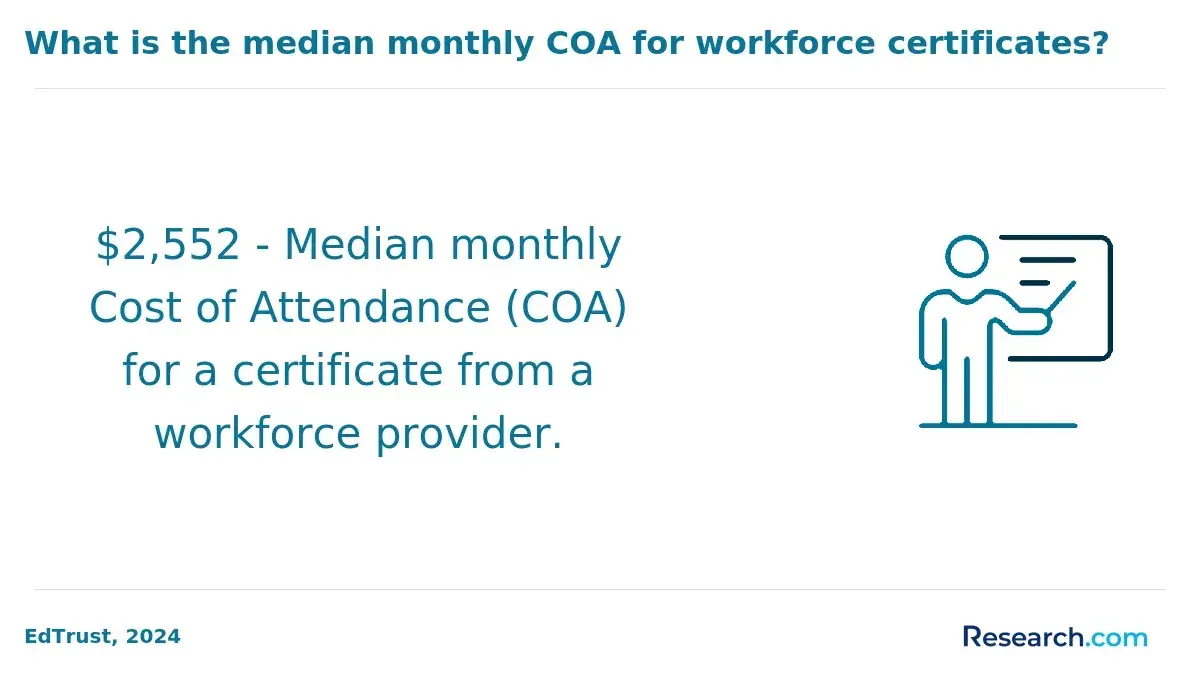
"No application fee" means the school does not charge the applicable applicant for submitting that application. It does not mean tuition-free study. Compare the price of completing the degree after any accepted transfer credit, not just a published per-credit rate.
Charges can include mandatory technology or program fees, books, proctored assessments, and travel for residencies or fieldwork. Employer assistance, scholarships, and eligible federal aid may reduce what you pay, but eligibility varies. The one price the title establishes is the application charge; all other amounts require a program-specific quote.
Request an itemized estimate for your expected enrollment pace and remaining credits. If undergraduate study is your next step instead, compare the most affordable online colleges separately. Their undergraduate prices and application policies do not establish graduate costs.
What admission requirements apply to no-fee online degree programs?
A master's application generally requires an eligible bachelor's degree and transcripts. Depending on the program, you may also need prerequisite courses, a résumé, recommendations, a statement of purpose, professional experience, a license, or a portfolio. A school may waive an application fee while retaining selective academic or departmental requirements; test policies can vary by program.
Before submitting, ask admissions to confirm in writing that your intended online master's program, start term, and applicant category incur no application fee. Ask the department separately about prerequisites and conditional admission. The absence of a published GPA cutoff is not proof that grades are ignored.
How long does it take to complete an online degree?
Completion time depends on required credits, enrollment pace, course sequencing, and any thesis, capstone, clinical, or field placement. A working student taking one course at a time may finish later than a full-time student in the same online program.
Advanced-standing MSW and other bridge pathways can shorten study only for applicants who meet their separate eligibility rules; transfer credit counts only if the institution accepts it toward the intended degree.
Ask for a degree plan showing what remains after your transcripts are evaluated. Do not mistake a short course term for the duration of the whole degree. If a doctorate is your eventual goal, compare cheap PhD programs online as a separate decision: master's credits do not automatically apply to doctoral requirements.
How do online degrees compare with campus-based programs?
Online study can reduce routine commuting and expand your choice of schools, while campus study may offer easier access to facilities and in-person contact. Neither format is automatically cheaper or more flexible.
Online classes can still have live meetings, fixed deadlines, proctored exams, or required local clinical and field placements. Engineering labs and practice-oriented degrees deserve particular scrutiny.
Choose by comparing the actual weekly schedule, required locations, available support, and total cost, not by the "online" label. A nearby campus or hybrid program may be the better fit if it makes essential hands-on work easier to arrange.
Which careers can you pursue with an online degree?
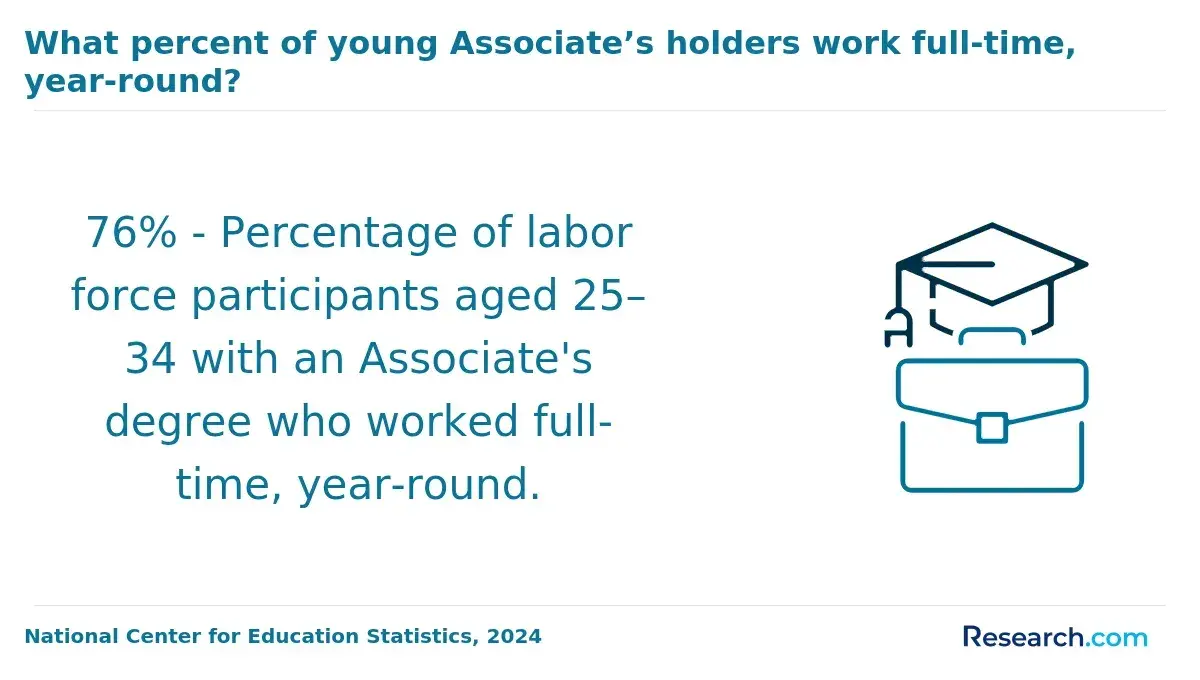
Possible directions include business operations, IT administration, software development, healthcare administration, education, and regulated professions such as nursing or social work. Your prior education and experience determine which roles are realistic: a master's in psychology is not a psychologist license, and a criminal justice master's is not a universal entry requirement for justice work.
Before enrolling, review openings for your target role and note their education, experience, and licensing requirements. Applicants concerned that a record may affect admissions, placements, or occupational licensing can start with what can a felon go to college for, then ask the relevant state board and placement site about the specific role. Do this before paying tuition, not after graduation.
Do online degree programs meet licensing and certification requirements?
Some programs meet licensure requirements, but online delivery and institutional accreditation alone do not establish licensure eligibility. Nursing, teaching, counseling, clinical social work, and certain engineering careers have distinct state rules. Programs may need specialized accreditation or approval, and students may still need supervised practice, exams, or an existing professional license.
Check the program's disclosures for the state where you intend to work, then confirm them with that state's licensing board. Ask who arranges required placements and whether any portion must be completed on campus. Treat an unclear answer about state eligibility as a reason to pause your application, even when applying is free.
How can you choose a reputable online degree program?
Start with the occupation or advancement goal, then identify the credential and any license it actually requires. Check institutional accreditation through the accreditor or U.S. Department of Education, and verify programmatic accreditation when the profession calls for it.
Read the catalog for curriculum and completion requirements, the admissions page for the applicable no-fee policy, and the tuition schedule for mandatory charges. Finally, ask for a written degree plan and cost estimate that reflect your prerequisites, evaluated transfer credit, enrollment pace, and any placements.
Compare at least one alternative, including a certificate or direct work experience where appropriate. Red flags include a free-application claim that applies only to undergraduates, an "online" degree with undisclosed travel, or salary claims that imply a degree guarantees a job.
Other Things You Should Know About the Best Online Degree Programs
No. It removes the qualifying application charge; tuition, mandatory fees, materials, and any placement or travel costs remain.
Yes, if each program's current policy covers your application. Check eligibility separately rather than assuming one school's policy applies to every degree.
Not necessarily. A waived fee does not waive prerequisites, academic review, professional licenses, or selective departmental admission.
Only if the program and your completed experience meet that state's rules. Confirm eligibility with the program and licensing board before enrolling.
References
- Yellow Ribbon Program Frequently Asked Questions | va.gov https://www.benefits.va.gov/GIBILL/yellow_ribbon/yellow-ribbon-frequently-asked-questions.asp
- Cost of Attendance (Budget) | 2025-2026 Federal Student Aid Handbook https://fsapartners.ed.gov/knowledge-center/fsa-handbook/2025-2026/vol3/ch2-cost-attendance-budget
- Programmatic Accrediting Agencies | U.S. Department of Education http://www.ed.gov/laws-and-policy/higher-education-laws-and-policy/college-accreditation/programmatic-accrediting-agencies
- FAQ - Winthrop University Online https://online.winthrop.edu/faq/
- Online Associate Degree Programs | SNHU https://www.snhu.edu/online-degrees/associate
- 2025-2026 Tuition and Fees - Student Account Services | University of Kentucky https://studentaccount.uky.edu/tuition-and-fees/past-tuition-and-fees/2025-2026-tuition-and-fees
- Tuition & cost of attendance | UC Admissions https://admission.universityofcalifornia.edu/tuition-financial-aid/tuition-cost-of-attendance/
- Tuition & Expenses | Student Financial Services https://financialaid.wsu.edu/tuition-and-expenses/