2027 Best Majors With Subscription Tuition

Co-Founder and Chief Data Scientist
A flat tuition rate can make college costs more predictable, but it does not make every major cheaper. The deciding factor is how much required work you can realistically finish before paying for another term. For context, the U.S. Bureau of Labor Statistics reports a 2024 median annual wage of $93,600 for registered nurses - an attractive career figure, but not a salary promised by a nursing degree. This guide compares majors and master's-level program families that may use subscription tuition, identifies fields where availability needs closer scrutiny, and shows you how to test a program's total cost and career fit.
Key Things You Should Know
- Business, IT, education, and some nursing programs are practical starting points for a subscription-tuition search; do not assume the same pricing applies to every major or degree level at a school.
- Compare the flat rate across the full billing period - often a six-month term - against the number of requirements you can actually complete, including any clinical or student-teaching work.
- A bachelor's degree commonly requires about 120 credits, while master's requirements vary substantially. Transfer evaluations and the school's assessment rules matter more than an advertised "self-paced" label.
Top 10 Best Majors With Subscription Tuition
Business Programs
Business is a strong fit when a school offers a clearly published flat rate for an MBA or a master's in management. Coursework may cover accounting, operations, strategy, and leadership, often ending in a capstone. Choose an MBA for broad management preparation; a specialized management degree may better fit a narrower goal. Before enrolling, confirm that the specific master's program uses subscription tuition, whether foundation courses are needed, and how many terms a working student is likely to purchase. Neither credential guarantees a management position.
Healthcare Programs
Healthcare administration master's programs can suit experienced professionals seeking operational or policy roles rather than clinical licensure. Compare the degree's stated tuition model with its capstone, internship, and prerequisite requirements: an experiential component may limit how quickly you can finish a paid term. A healthcare management concentration within an MBA is not the same credential as a dedicated healthcare administration master's. If your goal is patient care or a licensed profession, check the occupation's separate training and licensing requirements before choosing either route.
Information Technology Programs
A master's in IT management, cybersecurity, or data analytics may work well with subscription tuition if its assessments allow steady progress without a rigid course sequence. Match the curriculum to the work you want: IT management emphasizes systems and organizational decisions, while cybersecurity may demand deeper technical practice. Ask whether certifications are included, optional, or separately priced. Experience and a portfolio still matter to employers, and a flat rate offers little advantage if prerequisite skills slow your progress.
Computer Science Programs
A computer science master's can serve students seeking advanced computing theory, software development, or research preparation. Do not substitute an IT management or software engineering degree merely because it has subscription tuition: compare algorithms, computing foundations, electives, and any thesis or project. A student without prior programming or mathematics may need foundation work. Confirm that the named computer science master's carries a flat term rate; a school's subscription-priced bachelor's or IT degrees do not establish that its master's does.
Nursing Programs
Subscription-priced nursing master's options may focus on education or leadership and management. They generally target licensed nurses and may require an eligible nursing degree, an active RN license, and practice-related work. Compare the published term rate alongside clinical, field-experience, or preceptor requirements, which can delay completion. A nursing leadership or education master's does not automatically prepare a student for nurse practitioner licensure; that goal requires an appropriately designed advanced-practice pathway and applicable state and certification requirements.
Psychology Programs
Psychology is valuable for research, human services, and preparation for further study, but a subscription-priced psychology bachelor's does not establish that the same school offers a subscription-priced psychology master's. Verify the exact graduate credential and term-based rate before comparing costs. If your goal is clinical practice, distinguish a general psychology master's from a qualifying counseling, school psychology, or doctoral pathway. State licensing rules, supervised hours, and examinations may apply; the major name alone is not evidence of licensure eligibility.
Education Programs
Education offers a useful distinction between master's degrees for licensed teachers advancing their practice and initial-licensure teaching programs. Both may have a flat term rate, but student teaching, classroom placements, or state-specific approval can constrain the pace. Compare curriculum and instruction, educational leadership, and teaching degrees against your current license and intended role. Ask whether the program meets requirements in your state before treating fast academic progress as a faster route into a classroom or administrative position.
Criminal Justice Programs
A criminal justice master's may support study of policy, leadership, or public safety administration, but subscription pricing must be verified for the particular graduate program. Check whether courses run on fixed schedules and whether a thesis or capstone controls the finish date. The degree does not replace academy training, agency hiring standards, or experience required for many law-enforcement roles. For a specific job, compare the master's with employer training or a more targeted credential before paying for additional terms.
Engineering Programs
Engineering master's degrees often depend on sequenced technical courses, labs, or research, so a flat term rate is only useful if those requirements can be completed at the pace you expect. Verify that the engineering master's itself has subscription pricing; a subscription-priced software engineering bachelor's is not proof. If professional engineer licensure is your goal, check state board rules and the accreditation and educational requirements relevant to your discipline. A master's title alone does not establish eligibility.
Social Work Programs
A Master of Social Work is a distinct professional pathway, not interchangeable with psychology or human services. Do not assume a school's institution-wide flat rate covers an MSW - or that a term can be accelerated around required field placements. Before considering any subscription-priced MSW, verify its published tuition policy, Council on Social Work Education accreditation, placement support, and relevance to your state's licensing process. Students with a qualifying social work bachelor's can ask about advanced standing, which has separate eligibility rules.
What Is Subscription Tuition, and How Does It Work for College Majors?
Subscription tuition is a flat charge for an enrollment period rather than a separate tuition charge for each course or credit. Some schools pair it with competency-based education, allowing students to demonstrate mastery through assessments and move ahead when ready. Others retain more structured deadlines. The price usually buys access for a defined term - not an unlimited amount of time to finish a degree.
The value depends on your remaining requirements and realistic pace. Finishing more eligible work within a paid term may lower tuition per completed requirement; needing another term raises total tuition. Confirm when billing starts and ends, what happens if an assessment must be repeated, whether there are course-load limits, and which fees or required materials sit outside the flat rate. "Self-paced" should never be read as "no deadlines."
Which College Majors Offer Subscription-Based Tuition Programs?
The best-supported starting points are fields for which a school publishes both an eligible degree and a flat-rate billing policy. Western Governors University, for example, publishes six-month term tuition and offers degrees across business, technology, nursing, and education; eligibility and rates must still be checked on each current program page. The comparison below distinguishes promising searches from fields where a related degree is easy to mistake for an exact match.
| Major or field | Subscription-tuition decision | Requirement most likely to affect pace |
| Business | Compare named bachelor's, MBA, or management programs | Foundation courses and capstone |
| IT and cybersecurity | Check the exact technical degree and term rate | Prior technical preparation and assessments |
| Nursing | Check degree level, RN eligibility, and published pricing | Clinical or practice-related requirements |
| Education | Distinguish teacher advancement from initial licensure | Student teaching and state approval |
| Psychology, criminal justice, engineering, and social work | Require confirmation of an exact degree with subscription pricing; related programs are not substitutes | Research, fieldwork, accreditation, or licensing requirements |
Start with the occupation or graduate-study goal, then shortlist only degrees whose official pages confirm the tuition model. If the desired field lacks a verified subscription option, a conventional per-credit program may be the better choice. Readers still deciding among fields can compare best college majors for the future before narrowing the search by payment structure.
Are Subscription-Tuition Colleges Accredited and Financially Aid Eligible?
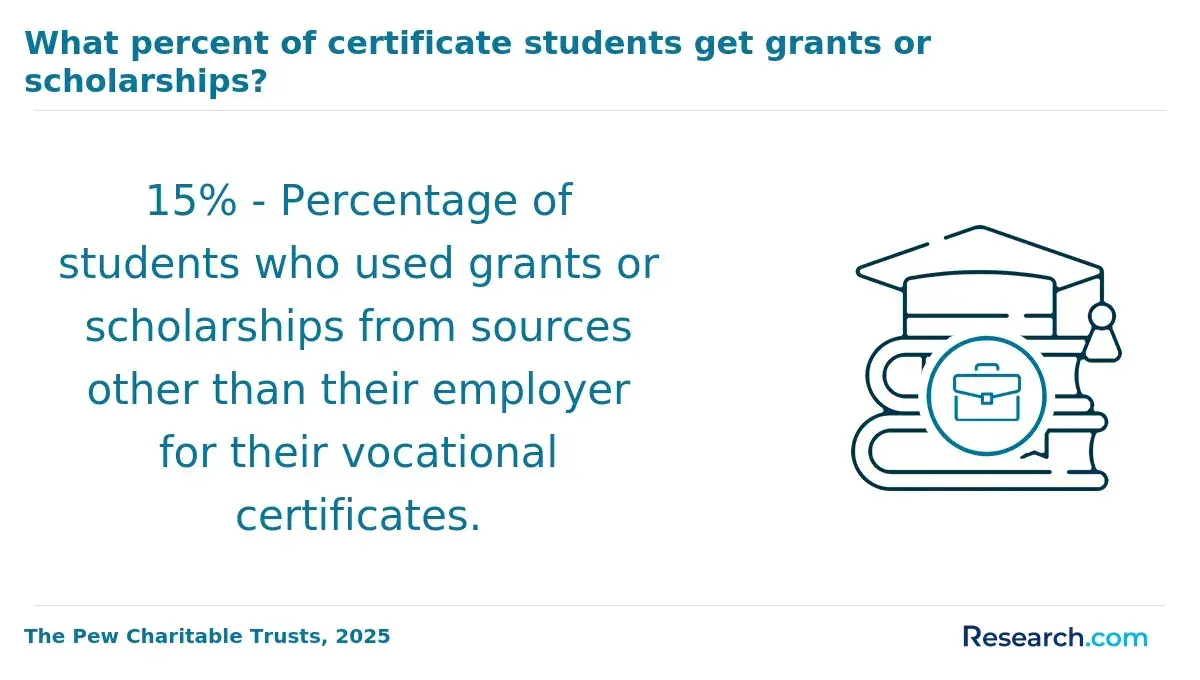
Yes, a subscription-tuition college can be institutionally accredited and eligible to participate in federal student aid programs, but the billing model proves neither. Verify institutional accreditation through the U.S. Department of Education's accreditation database and confirm aid eligibility with the school's financial aid office. Ask how the school defines enrollment and satisfactory academic progress in its competency-based or flat-rate format, because aid administration may differ from a conventional course schedule.
For regulated careers, institutional accreditation is only one check. Nursing, teacher preparation, social work, and certain engineering pathways may require particular program accreditation or state approval. Confirm the requirement with the relevant licensing board and the program before applying. A list of non profit schools can broaden a search, but nonprofit status does not establish a specific program's subscription price, aid eligibility, or licensure suitability.
How Do Subscription-Tuition Degree Programs Compare With Traditional Tuition?
Traditional programs commonly bill by credit, while subscription programs bill by period. Neither is automatically less expensive: the relevant comparison is the estimated cost to finish your remaining requirements, including fees and terms you might need if work, course sequencing, or placements delay you.
This table shows which costs to request from each school before making a like-for-like comparison. It does not assume that the lowest advertised price produces the lowest final bill.
| Cost factor | Subscription tuition | Per-credit tuition |
| Primary tuition calculation | Term rate multiplied by paid terms | Applicable rate multiplied by remaining credits |
| Main cost risk | Paying for an additional term after slower progress | Taking more chargeable credits than expected |
| Expenses to check separately | Mandatory fees, materials, assessments, placements, and travel | Mandatory fees, materials, placements, and travel |
| Benefit of accepted prior credit | May reduce the number of terms needed | May reduce credits billed |
Request a written estimate based on your evaluated transfer credits and likely study hours - not an idealized fastest finish. A common mistake is comparing one flat term with an entire per-credit degree. Compare complete pathways instead, and include any employer assistance or aid only after confirming eligibility and conditions.
What Are the Best Online Majors With Subscription Tuition?
For online study, the strongest candidates are majors whose required work fits both your career goal and a predictable pace: business for broad organizational roles; IT or computer science for distinct technology goals; and education or nursing when you meet entry requirements and can schedule any placements. "Best" is personal here. A degree with a higher term rate can cost less overall if its requirements align with your preparation, while a cheaper term can become costly if you repeatedly need more time.
Online delivery does not mean every activity happens on your own schedule. Ask about live meetings, proctored assessments, labs, internships, clinicals, student teaching, and state-based enrollment restrictions. For a licensed occupation, prioritize an eligible program over the convenience of an entirely remote course format.
What Coursework Do Subscription-Tuition Majors Typically Include?
Coursework depends on the credential, not on how tuition is charged. Business students may complete accounting, operations, and strategy; IT students may study networks, security, or data systems; education students may work through instructional design and classroom practice. Master's programs generally add advanced specialization and may culminate in a capstone, thesis, or applied project. Bachelor's degrees also include general education unless eligible prior coursework satisfies it.
Ask for a degree audit showing what remains after transfer review. Pay particular attention to prerequisite courses, course sequencing, assessment attempts, and experiential work: these can determine whether you can use a paid term efficiently. Prior work experience may help you learn faster, but it does not automatically earn credit or waive a requirement.
What Are the Admission Requirements for Subscription-Tuition Degree Programs?
Admission is set by the specific program. A bachelor's applicant generally needs a high school diploma or equivalent; a master's applicant generally needs a qualifying bachelor's degree. Graduate nursing may also require an RN license, while teaching and technical programs may require particular preparation. Minimum GPA, testing, professional experience, and prerequisite policies vary, and an institution's general admission policy may not apply to a selective major.
Before paying an application fee, request the program's current admissions checklist and a transfer evaluation where available. Ask whether prior credits fulfill major requirements or merely count as electives. If application costs matter, a guide to colleges with no application fee can help identify places to investigate, but check the fee for your exact program and applicant category.
How Long Do Subscription-Tuition Degrees Take to Complete?
There is no standard completion time for a subscription-tuition degree. A six-month billing term describes when tuition is charged, not how quickly a bachelor's or master's can be completed. Time depends on remaining credits or competencies, accepted transfer work, assessment pace, available study hours, and requirements that cannot be accelerated, such as clinical placements or student teaching.
Build a realistic timeline from your degree audit and the school's term schedule. Ask which courses are available when you need them, whether you may add work during a term, and what happens if a capstone extends into the next billing period. If you are searching for what degree can I get online in 6 months, distinguish an entire short program from one six-month subscription term; the latter is not a completion promise.
What Careers, Salaries, and Job Outlook Do These Majors Offer?
Career fit should drive the major choice, with subscription pricing used to test whether that path is financially sensible. Business can support a range of organizational roles; IT and computer science lead toward different technical specialties; education, nursing, and social work require especially careful checks of professional eligibility. Experience, location, employer requirements, and licensing all affect outcomes.
The occupational figures below are U.S. Bureau of Labor Statistics 2024 median annual wages, not earnings reported for graduates of subscription-tuition programs. They provide labor-market context rather than a promised return on tuition.
| Occupation | 2024 median annual wage | Education decision to check |
| Registered nurse | $93,600 | Confirm an eligible nursing pathway and state licensure requirements; an advanced nursing degree is not required for every RN role. |
| Software developer | $133,080 | Compare computer science and software-focused study with the skills and projects employers request; this occupation does not universally require a master's. |
Use wage data alongside total expected tuition, time away from work, and the actual credential required for your target job. A high occupational median is not evidence that an expensive or accelerated degree will pay for itself.
Other Things You Should Know About
No. The flat rate applies to a defined billing period, and schools may set course-load, assessment, or progress rules. Check the program's policy before estimating how much work you can finish.
Potentially. Credits that fulfill remaining degree requirements may help you finish in fewer paid terms. Request an official evaluation; accepted elective credits do not necessarily replace major courses.
The billing method does not determine a degree's standing. Check institutional accreditation, the curriculum, and any program approval or license eligibility your intended occupation requires.
Choose the program that meets your state's education and practice requirements, even if another major has a more appealing flat rate. Verify eligibility with the program and licensing board before enrolling.
References
- Policy Protecting Students from Fees and Penalties Due to VA Payment Delay - Education and Training https://benefits.va.gov/gibill/fgib/transition_act.asp
- Types of Financial Aid: Grants, Work-Study, and Loans | studentaid.gov https://studentaid.gov/understand-aid/types
- DAPIP | Homepage - Office of Postsecondary Education (OPE) https://ope.ed.gov/dapip/
- Cost of Attendance (Budget) | 2025-2026 Federal Student Aid Handbook https://fsapartners.ed.gov/knowledge-center/fsa-handbook/2025-2026/vol3/ch2-cost-attendance-budget
- Measuring Student Success In IPEDS: Graduation Rates (GR), Graduation Rates 200% (GR200), And Outcome Measures (OM) https://nces.ed.gov/ipeds/use-the-data/measuring-student-success-in-ipeds
- Semester Course Load and Student Performance - PMC - NIH https://pmc.ncbi.nlm.nih.gov/articles/PMC7568764/
- Completion Rates and Time to Degree Completion | Academic Affairs https://academicaffairs.uams.edu/irpa/office-of-institutional-studies/student-outcomes/completion-rates/
- Understanding Accreditation for Online Degrees | UMass Global https://www.umassglobal.edu/blog-news/online-degrees-accredited-identify-quality-distance-learning-programs
- Academic Rules - Course Catalog - Syracuse University https://coursecatalog.syracuse.edu/graduate/academic-rules/
- Enrollment Policy and Transfer of Credits for Financial Aid | Academics at Walden University https://academicguides.waldenu.edu/student-handbook/enrollment-transfer-credit