
2027 Best Majors With Evening Classes

Co-Founder and Chief Data Scientist
If you work during the day, the best major is not simply one with evening classes - it is one you can finish without unpredictable daytime requirements. That distinction matters in fields with clinical placements, labs, or internships.
The U.S. Bureau of Labor Statistics reports a 2024 median annual wage of $133,080 for software developers, illustrating the potential value of career-focused study while not predicting any graduate's earnings. This guide compares ten master's-level fields by schedule fit, career purpose, and completion barriers so you can identify programs worth investigating.
Key Things You Should Know
- Business, information technology, and many computer science master's programs are often easier to fit around daytime work; clinical, teaching, and field-placement requirements make other fields less predictable.
- Check the actual course schedule - not just an "online" or "part-time" label - and confirm that required courses, labs, and placements can fit your availability.
- Compare total cost and occupational requirements as well as wages: the 2024 U.S. median annual wage for information security analysts was $124,910, but a master's degree alone does not secure that role or salary.
Top 10 Best Majors With Evening Classes
Business Programs
An MBA or specialized master's in accounting, finance, or management can suit professionals seeking advancement while working full time. Evening courses may cover strategy, analytics, operations, and leadership; some programs add group projects or residencies outside normal class hours. Choose an MBA for broad management preparation or a specialized degree for a defined skill gap. Ask whether every required course runs after work often enough to support part-time completion. Accounting students should separately check state CPA education requirements.
Healthcare Programs
Master's programs in healthcare administration or public health can prepare students for management, policy, or population-health work without necessarily requiring clinical training. Evening lectures may be feasible, but internships, applied projects, and employer-based experiences can still occur during business hours. Healthcare administration is a better fit for operational goals; public health may suit prevention, research, or community programs. Neither degree independently qualifies someone for a licensed clinical occupation. Compare each program's experience requirements with your work schedule.
Information Technology Programs
A master's in information technology, cybersecurity, or information systems may fit working professionals because coursework often centers on systems, networks, security, and applied projects. Some programs schedule live evening sessions; others allow asynchronous study with fixed deadlines. Check prerequisites before applying: a nontechnical applicant may need foundation courses. Select a program by the work you want to do - IT operations, security, or systems leadership - rather than assuming any technology degree leads to the same jobs.
Computer Science Programs
A computer science master's typically emphasizes software, algorithms, data, or artificial intelligence. Evening or online coursework can work well for students with strong programming and mathematics preparation, though team projects and exams may impose set meeting times. Research-oriented options may require a thesis; professionally focused options may use a capstone. Career changers should verify prerequisite and bridge-course policies before comparing completion times. For a primarily operational technology goal, an IT degree may be a more direct match.
Nursing Programs
Master of Science in Nursing programs serve licensed nurses pursuing advanced practice, education, administration, or other specialties. Classroom instruction may be offered at night, but clinical hours, supervised practice, and site availability can make a fully evening schedule unrealistic. Admission commonly depends on an existing nursing credential and license; requirements vary by track. Confirm clinical placement support, location, and state authorization before enrolling. An MSN does not by itself confer advanced-practice licensure.
Psychology Programs
A psychology master's may focus on research, organizational behavior, or another specialty. Evening seminars can fit employment, but laboratory work, research participation, or internships may not. Match the degree to a specific goal: an industrial-organizational track differs substantially from preparation for clinical practice. A general psychology master's is not automatically a route to psychologist licensure; that occupation typically requires additional education and state-specific supervised experience.
Education Programs
Education master's programs may serve practicing teachers seeking subject expertise, curriculum roles, or leadership preparation. Evening classes can be convenient during the school year, especially when assignments connect to a current teaching job. Initial-licensure and some specialist tracks are less flexible because student teaching or school-based work generally follows school hours. Ask whether the program leads to the credential you need in your state; a master's in education does not automatically grant teacher or administrator licensure.
Criminal Justice Programs
A criminal justice master's may examine policy, research methods, leadership, or public safety administration. Evening study can appeal to people already working in government or related organizations, though a capstone or internship may require additional time. Choose it when the curriculum supports a defined advancement goal - not simply because the field sounds relevant. Many criminal justice occupations have separate hiring, training, experience, or physical requirements that a graduate degree does not replace.
Engineering Programs
Engineering master's programs can help employed engineers deepen technical expertise or move toward systems and project leadership. Some offer evening lectures, but labs, research facilities, and tightly sequenced courses can limit scheduling flexibility. Check whether a thesis, laboratory access, or prerequisite coursework fits your availability. If professional engineer licensure is your goal, verify your state board's education and experience rules rather than assuming a particular master's degree meets them.
Social Work Programs
A Master of Social Work can prepare students for social work practice and, with additional state requirements, clinical licensure. Evening classes may accommodate a daytime job, but supervised field education often requires substantial hours when agencies operate. Ask whether your employer can host an approved placement and whether evening placements are available; do not assume either. Advanced-standing routes may exist for eligible graduates of accredited bachelor's social work programs, but eligibility and remaining requirements are program-specific.
What are the best majors for students attending evening classes?
For working adults choosing among master's-level majors, business, information technology, and computer science often offer the clearest path to fitting coursework around daytime employment. Healthcare administration and criminal justice can also work when applied requirements are manageable. The best choice is the field that advances your specific goal and has a published schedule you can sustain - not a universally highest-ranked major.
If you are changing fields, compare prerequisite courses and the full route to your target job. Accelerated programs for career changers may be worth exploring, but a shorter advertised timeline is useful only if your prior preparation meets its entry requirements.
Are evening degree programs available online and on campus?
Yes. Evening classes may be held on campus, live online, or in hybrid programs; some programs instead offer asynchronous online coursework that students can complete outside set meeting times. These formats solve different scheduling problems. "Online" does not mean "no live meetings," and evening lectures do not guarantee evening placements.
The comparison below shows what to verify when a program describes itself as flexible.
| Format | Likely scheduling advantage | Requirement to check |
| Campus evenings | Predictable class meeting times | Commute, labs, and course rotation |
| Live online evenings | No routine classroom commute | Required attendance and time zone |
| Asynchronous online | Choice of study hours | Deadlines, exams, and group meetings |
| Hybrid | Fewer campus trips for coursework | Frequency and timing of in-person sessions |
Request a sample term schedule and a list of every in-person or scheduled requirement before deciding whether a format fits your work and family commitments.
How much do evening college programs cost and how long do they take?
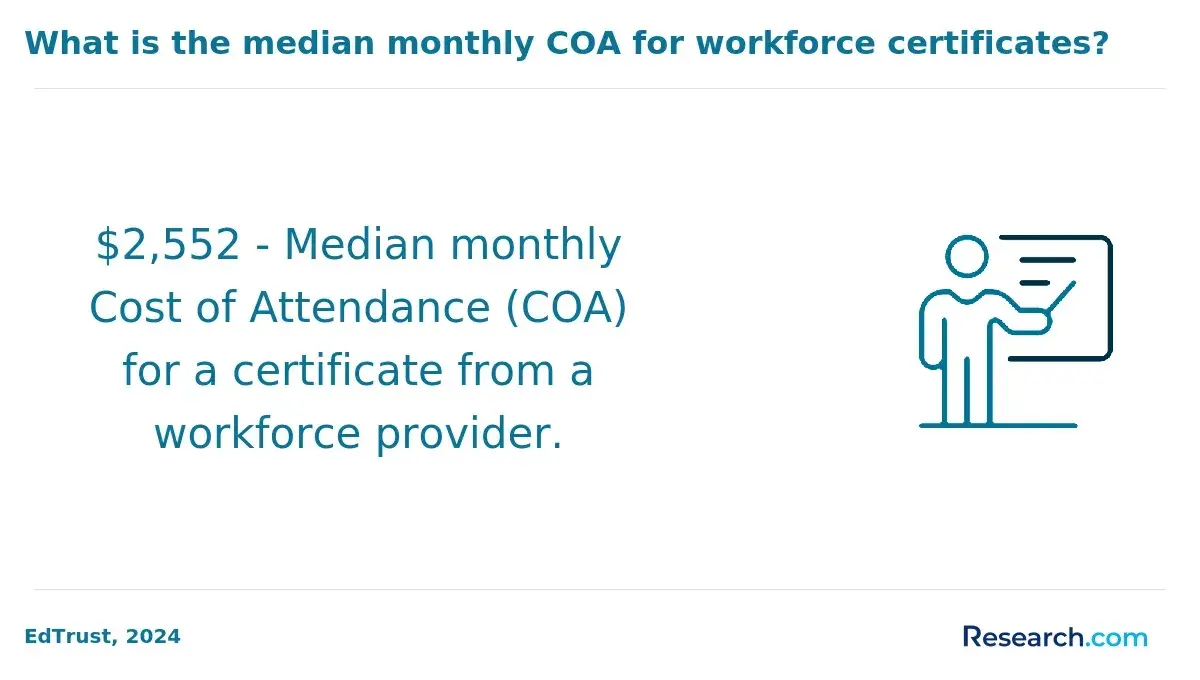
Evening scheduling usually does not determine tuition; the institution, degree, enrollment status, and required coursework do. Compare the total cost to finish: tuition, mandatory and program fees, books or software, travel, and any earnings lost to placements. Ask for an estimate based on your planned course load and an evaluation of eligible prior graduate coursework. Financial aid and employer tuition assistance may help, but eligibility and coverage vary.
Completion time depends on credits, prerequisites, how often required courses run, part-time enrollment, and thesis or field requirements. A shorter online master may be an option in some fields, but its advertised duration may assume full-time study or specific prior preparation. Ask for a term-by-term plan built around the hours you can actually attend.
What courses do students take in popular evening majors?
Courses should be judged against the career task you want to perform. Business students may study finance, operations, and strategy; IT and computer science students may take systems, security, programming, and data courses. Healthcare administration can include finance and policy, while education, social work, and nursing add practice-focused coursework tied to schools, agencies, or clinical settings.
Read the required-course list rather than relying on a concentration name. Check when prerequisites, electives, capstones, theses, labs, and field experiences are offered - especially if missing one course could delay graduation.
What are the admission requirements for evening degree programs?
Master's applicants generally need a bachelor's degree, but program-specific preparation matters. Computer science may require programming and mathematics; nursing tracks commonly require nursing licensure; other fields may consider relevant coursework or experience. Schools may also request transcripts, recommendations, a statement of purpose, or an interview. GPA and test policies differ, so confirm them with the program rather than assuming a university-wide rule applies.
If you do not yet hold a bachelor's degree, choose that foundation first. A discussion of what is the easiest bachelor's degree to get can help frame workload questions, but the better undergraduate choice also satisfies prerequisites for the master's and career you intend to pursue.
How can students verify accreditation for evening college programs?
First, confirm that the institution holds accreditation recognized by the U.S. Department of Education or the Council for Higher Education Accreditation. Then check any field-specific accreditation or approval relevant to your goal, particularly in nursing, social work, education, and licensure-oriented programs. Institutional accreditation and professional eligibility answer different questions.
Before paying a deposit, ask the program and your state licensing board whether the specific track and delivery format meet applicable education requirements where you plan to practice. A school's general accreditation does not establish that every program qualifies graduates for every state license.
Which careers and salaries can evening majors lead to?
Evening majors can support different paths: business graduates may pursue management or specialist roles; technology graduates may pursue software or security work; healthcare and social-service graduates may seek roles tied to their training and credentials. Previous experience often matters as much as the degree. For context, the Bureau of Labor Statistics reports a 2024 U.S. median annual wage of $93,600 for registered nurses. That is an occupational median, not an expected salary for MSN graduates.
Compare occupations - including highest paying jobs associated with different fields - against their usual entry requirements. Then weigh likely career benefits against program cost, time, and any license or experience you still need.
Which evening majors have the strongest job outlook?
Technology, healthcare, and some specialized service fields can offer promising demand, but a broad field's outlook does not describe every job within it. AI-related changes may alter the skills employers seek, making a current curriculum and hands-on projects important in computing and business. In regulated fields, local placement capacity and state requirements can matter more to an individual student than national demand.
Identify the occupation you want, then review its current Bureau of Labor Statistics outlook and job postings in your area. Look for repeated skill and credential requirements before choosing a major.
Do evening majors require professional licenses or certifications?
Some do. Nursing, clinical social work, teaching, and certain counseling or engineering roles can involve state licensure, examinations, supervised experience, or specific accredited education. An evening degree is an academic credential; it is not itself a professional license. Business, IT, and computer science jobs are generally less tied to state licensure, though employers may value role-specific certifications.
A costly mistake is choosing a convenient schedule before checking professional eligibility. Start with your intended job and state, confirm its requirements with the responsible board or employer, and then ask programs to document how their coursework and placements align.
Other Things You Should Know About
Often, but feasibility depends on course frequency, workload, and required daytime experiences. Ask for a part-time course plan before enrolling.
No. Evening describes meeting time; online describes location. Online classes may have required live sessions, while evening classes may meet on campus.
Choose the field tied to your target occupation, then check prerequisites and experiential requirements. IT or business may offer manageable schedules, but neither is the right choice for every career goal.
Possibly. Confirm eligible institutions, annual limits, grade rules, and repayment conditions with your employer before using the benefit in your cost estimate.
References
- Education pays: U.S. Bureau of Labor Statistics https://www.bls.gov/emp/chart-unemployment-earnings-education.htm
- Understanding College Costs | studentaid.gov https://studentaid.gov/resources/prepare-for-college/students/choosing-schools/consider-costs
- Certification Procedures - Questions and Answers http://www.ed.gov/laws-and-policy/higher-education-laws-and-policy/certification-procedures-questions-and-answers
- Cost of Attendance (Budget) | 2025-2026 Federal Student Aid Handbook https://fsapartners.ed.gov/knowledge-center/fsa-handbook/2025-2026/vol3/ch2-cost-attendance-budget
- 4 Flexible Ways to Earn a College Degree on Your Schedule | stjohns.edu https://www.stjohns.edu/news-media/johnnies-blog/4-flexible-ways-earn-college-degree-your-schedule-0
- Complying with Professional Licensure Requirements | wiche.edu https://wcetsan.wiche.edu/resources/complying-professional-licensure-requirements-beginners-checklist
- Course Formats | Blinn College https://www.blinn.edu/academics/course-formats.html
- How to choose an accredited online university that fits your goals | Inside Capella | Capella University Blog https://www.capella.edu/blog/inside-capella/how-to-choose-an-accredited-online-university-that-fits-your-goals/
- Choosing your major based on career goals | wisc.edu https://dcs.wisc.edu/blog/choosing-your-major-based-on-career-goals/
- Licensure - Office of Academic Compliance https://academic-compliance.provost.virginia.edu/professional-licensure


