2027 Best Majors With 5-Week Courses

Co-Founder and Chief Data Scientist
A five-week class can make a degree fit your calendar, but it does not make the degree itself five weeks long. That distinction matters when you are choosing a major around work, family, or a career change. The stakes can be substantial: the U.S. Bureau of Labor Statistics reported a $133,080 median annual wage for software developers in May 2024, although that figure describes an occupation, not graduates of a particular program. This guide compares major fields, explains where short terms may clash with hands-on requirements, and shows you what to verify before enrolling.
Key Things You Should Know
- Best fit: Business and some technology subjects may suit concentrated five-week classes; nursing, social work, and other practice-based fields require closer scrutiny of placements and licensing rules.
- Course length is not degree length: A 30-credit master's still requires ten three-credit courses, plus any prerequisites or culminating requirements.
- Verify the exact schedule: A school's accelerated calendar does not prove that every required course in your chosen major runs for five weeks.
Top 10 Best Majors With 5-Week Courses
Business Programs
MBA and specialized master's programs in management, marketing, accounting, or analytics may divide coursework into short, concentrated terms. Business is a practical choice if you can keep pace with case studies and group projects while working. Check whether every required class - not just electives - uses five-week terms, and whether group meetings are scheduled. Accounting students should confirm how the degree's credits and courses relate to their state's CPA eligibility rules; an accelerated calendar does not change those requirements.
Healthcare Programs
Master's programs in healthcare administration, public health, and health informatics can combine short academic courses with longer projects or field experiences. Choose administration if you want to study operations and leadership; consider informatics if your goal involves health data and systems. Public health concentrations may require an applied practice experience. These degrees do not, by themselves, grant a clinical license. Ask whether the particular concentration offers five-week required courses and how any practicum fits around them.
Information Technology Programs
Master's programs in information technology, cybersecurity, and information systems may suit five-week courses because individual classes can focus on a defined technical skill. The trade-off is sustained time for labs, troubleshooting, and team projects. Compare the curriculum with your target role rather than assuming all IT degrees lead to the same work. Ask how often required courses run, whether labs need special equipment, and whether a capstone extends beyond one short term. Employers may also value demonstrable experience and certifications.
Computer Science Programs
A computer science master's typically emphasizes computing theory and advanced software or systems work more than a general IT degree. Five-week classes can be demanding when algorithms, mathematics, or substantial programming assignments are compressed. Career changers should check for prerequisite programming and math courses that add time and cost. A thesis or research project may also follow a longer calendar than taught courses. Choose this route when the curriculum matches the technical depth you need, not solely for short terms.
Nursing Programs
Master of Science in Nursing pathways may prepare registered nurses for leadership, education, or advanced practice, but their requirements differ sharply. Some theory courses might use five-week terms; clinical hours and placements cannot be judged by course length alone. Applicants generally need nursing preparation and, for many pathways, an active RN license. If advanced practice is your goal, verify the program's accreditation, clinical placement rules, and eligibility for your intended state's certification and licensure before comparing schedules.
Psychology Programs
A master's in psychology can support research, applied work, or preparation for further study. It should not be confused with a license-qualifying counseling program or a doctoral pathway to psychologist licensure. Short research-methods or elective courses may be available, while a thesis can take longer. First identify the job or credential you want, then check whether the exact program meets its educational requirements. A five-week format is a poor bargain if it does not support that goal.
Education Programs
Master's programs in curriculum, educational leadership, and instructional design may include short courses suited to working educators. Teacher preparation and certain leadership credentials are different: they can require approved coursework, fieldwork, examinations, and state-specific eligibility. Confirm whether the program is designed for already-licensed educators or for initial licensure. Also check when required courses are offered; a five-week course that runs infrequently may delay graduation more than a longer course offered each term.
Criminal Justice Programs
A criminal justice master's may cover policy, administration, research, or public safety leadership. Short courses can work well for focused policy and analytical subjects, but internships or research projects may follow different timelines. This degree is not generally a substitute for an agency's hiring process, academy training, or experience requirements. Compare concentrations against the position you want, and ask whether required classes - not merely introductory electives - are consistently available in five-week terms.
Engineering Programs
Engineering master's programs can be professionally oriented, research-oriented, or both. A five-week format may suit a focused technical topic, but laboratories, design projects, prerequisites, and theses can limit how much the schedule accelerates. Check whether your specialization's required classes actually use short terms and whether equipment access or campus attendance is necessary. If professional engineer licensure is your goal, review your state board's education and experience rules separately; earning a master's alone does not confer the license.
Social Work Programs
Master of Social Work programs combine academic study with supervised field education. Some classroom courses may run for five weeks, but field placements have their own schedules and hour requirements. An advanced-standing route may shorten the overall program for eligible applicants with qualifying social work preparation; it is not available to everyone. If clinical social work is your goal, confirm program accreditation and your state's post-degree supervision and examination requirements. Prioritize a workable placement over the shortest advertised class term.
What Are the Best Majors Available Through 5-Week College Courses?
There is no universally best major for five-week courses. The best choice is a field that serves your career goal and has a published schedule allowing you to complete its required courses - not just a few electives - in that format. Short terms tend to be easier to plan around when work is primarily classroom-based; clinical, field, laboratory, and research requirements deserve extra attention.
This comparison highlights the scheduling constraint most likely to affect a decision. It does not claim that every program in these fields offers five-week classes.
| Major family | When short terms may fit | Requirement to check first |
| Business, IT, criminal justice | Focused courses can be taken sequentially | Availability of every required course and capstone |
| Computer science, engineering | Students can devote concentrated time to technical work | Prerequisites, labs, and research or design projects |
| Nursing, social work, healthcare | Academic courses fit around professional commitments | Clinical or field schedules and credential eligibility |
| Psychology, education | The program matches a clearly defined career goal | Thesis, fieldwork, and state-specific requirements |
If your priority is progress based on demonstrated mastery rather than a fixed five-week deadline, compare best competency-based colleges as a different scheduling model. Do not assume competency-based study is available for your intended major or license.
Are Five-Week College Courses Accredited and Transferable?
A five-week course can carry accredited college credit; its length does not determine accreditation. Check the institution's accreditation status and, when your career requires it, the applicable programmatic accreditation. For licensed fields, confirm requirements with the relevant state board before enrolling.
Transferability is a separate decision made by the receiving school. A course may be accepted as credit yet count only as an elective rather than fulfill a major requirement. Request a written evaluation showing how prior courses apply to the exact degree, and check grade, course-equivalency, age-of-credit, and minimum in-residence requirements. Graduate credits generally need a separate evaluation and should not be assumed to apply to another graduate program or a doctorate.
Can You Earn a Degree or Certificate With Five-Week Courses?
Yes, a student can earn a degree or certificate by completing courses offered in five-week terms if the institution provides all required coursework and the student completes every other program requirement. The credential is awarded for meeting those requirements, not for using a particular calendar. A certificate may require fewer courses than a degree, but it is not automatically stackable into one.
Ask for a degree map showing the required credits, course sequence, start dates, and any capstone, thesis, internship, or placement. Then request a personalized estimate based on accepted transfer credit and the number of courses you can realistically take at once. This is especially important if an advertised fast finish assumes previous coursework, an existing license, or advanced-standing eligibility.
Which Majors Offer Online Five-Week Courses?
Online five-week courses may appear in business, IT, computer science, criminal justice, education, and some healthcare, psychology, and engineering programs. Availability varies by institution, degree level, concentration, and term. Nursing and social work may deliver academic classes online while requiring supervised experiences at an approved site.
Online does not necessarily mean asynchronous. Ask whether courses have live meetings, fixed deadlines, proctored assessments, campus visits, labs, or local placements. A workable online option is one whose full schedule - including any in-person component - fits your location and weekly availability.
What Do You Study in a Five-Week College Course?
You study the same kinds of subjects a comparable longer-term course covers, but on a compressed schedule. Depending on the major, that could mean financial analysis, programming, research methods, healthcare policy, or educational assessment. Expect frequent assignments and less time between learning a concept and applying it.
Review a recent syllabus before enrolling. Look for weekly workload expectations, assignment deadlines, group projects, and the policy for falling behind. A five-week course may suit someone taking one subject at a time; it may be less manageable alongside another intensive course, full-time work, or a clinical placement.
What Are the Admission Requirements for Accelerated Programs?
Admission depends on the credential and field, not simply on the five-week format. Undergraduate applicants may need a high school credential and transcripts. Master's applicants typically need a bachelor's degree and may face program-specific prerequisites, professional experience requirements, or additional materials. Nursing pathways can require RN licensure; technical master's programs may expect relevant mathematics or computing preparation.
Ask admissions to distinguish admission to the institution from admission to your intended program. Confirm any GPA or testing policy on the current program page, and request a prerequisite review before paying a deposit. Conditional admission or a foundation course can provide a path forward, but either may add time before you reach the five-week courses you want.
How Much Do Five-Week Courses Cost and How Long Do Degrees Take?
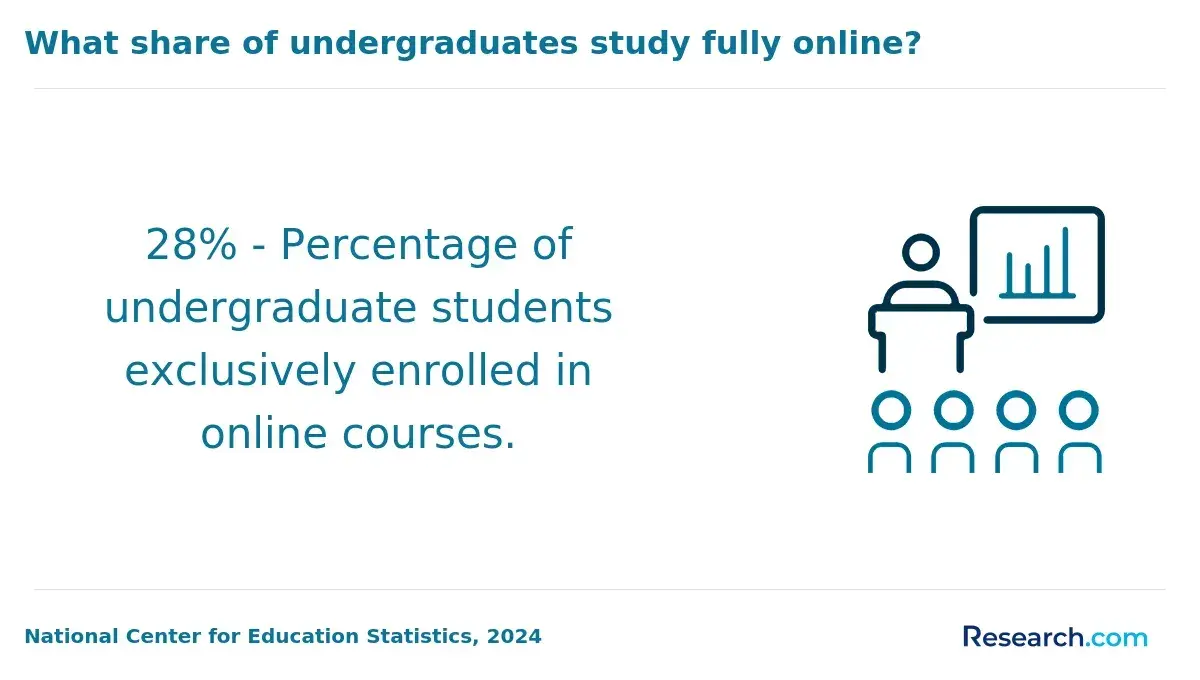
Five-week courses do not have a standard price or degree timeline. Schools may charge per credit, per course, or per term, with additional fees and different rates by residency status or program. Calculate the cost of the remaining degree, not just the first class. Compare a cheapest masters program against your own credit evaluation and required schedule; low advertised tuition may not produce the lowest total cost.
The distinction below helps separate a short course from a short - and affordable - path to graduation.
| Measure | What it tells you | What it does not tell you |
| Five-week course length | Time allotted to one class | When all remaining classes will be offered |
| Published tuition | Base charge under stated conditions | Total cost after mandatory fees and required expenses |
| Accepted prior credits | Which requirements you have already met | Whether prerequisites or a capstone can be shortened |
| Degree plan | Sequence of courses and other requirements | Completion date without a realistic enrollment load |
Request an itemized estimate covering tuition, mandatory and program fees, books or software, and any travel or placement costs. Confirm financial aid eligibility with the school: aid rules depend on the institution, credential, enrollment, and individual circumstances. Taking fewer courses at once may make the workload sustainable even if it extends the overall timeline.
What Careers and Salaries Can These Majors Lead To?
These majors can connect to very different occupations: business programs to organizational roles, computing programs to technical work, education programs to teaching-related work, and practice-oriented healthcare or social work programs to roles with specific credential rules. Your experience, location, specialization, and any required license matter alongside the degree.
For salary context, the Bureau of Labor Statistics reported a May 2024 median annual wage of $133,080 for software developers. That is the median for people employed in the occupation, not an expected salary for computer science or IT graduates, and a master's is not necessarily required for entry. Use occupational wages and hiring requirements together when assessing whether additional tuition makes sense.
Some goals require further education. For example, a psychology master's should not be treated as a shortcut to psychologist licensure. If your goal instead calls for doctoral research, compare cheapest online PhD programs separately, while checking research, residency, and professional requirements.
How Do You Choose a Reputable Five-Week College Program?
Start with the career or credential you need, then test whether the school's specific program offers a feasible five-week path. A claim about the institution's term calendar is not enough. These checks help uncover the common mistake of choosing a short first course while overlooking a long wait for the next required one.
- Confirm institutional and relevant programmatic accreditation, plus state eligibility if the occupation is licensed.
- Request a current degree map and course schedule identifying which required classes actually run for five weeks.
- Have prior credits evaluated in writing and identify remaining prerequisites, residency credits, and experiential requirements.
- Calculate total remaining cost and map a completion date using a course load you can sustain.
If cost is your main constraint, a comparison of what is the cheapest online college can help establish alternatives, but check the price and short-term availability of your intended program rather than relying on an institution-wide figure. Be wary of guaranteed graduation dates, vague accreditation claims, or promises that online classes automatically satisfy licensing rules.
Other Things You Should Know About
Generally, no. Five weeks describes an individual course term. Degree completion depends on remaining credits, course availability, enrollment load, and requirements such as a capstone or clinical placement.
Not necessarily. They compress work into a shorter period, so missed deadlines can be harder to recover from. Review the syllabus and weekly time commitment before enrolling.
Some programs offer online classes, but delivery varies by course. Check for live meetings, campus sessions, labs, proctored assessments, and required in-person fieldwork.
Possibly. The receiving school decides whether to accept them and whether they satisfy a specific degree requirement. Get that decision in writing before depending on the credits for a completion plan.
References
- Study on Best Practices in Credit Transfer | texas.gov https://reportcenter.highered.texas.gov/reports/data/board-x-m-transfer-of-course-credit-between-public-institutions-of-higher-education-10-18/
- Measuring Student Success In IPEDS: Graduation Rates (GR), Graduation Rates 200% (GR200), And Outcome Measures (OM) https://nces.ed.gov/ipeds/use-the-data/measuring-student-success-in-ipeds
- Cost of Attendance (Budget) | 2025-2026 Federal Student Aid Handbook https://fsapartners.ed.gov/knowledge-center/fsa-handbook/2025-2026/vol3/ch2-cost-attendance-budget
- Tuition & cost of attendance | UC Admissions https://admission.universityofcalifornia.edu/tuition-financial-aid/tuition-cost-of-attendance/
- Academic Regulations & Procedures | Carleton College https://www.carleton.edu/handbook/academics/
- Transfer Credit Policy | SUNY Niagara https://sunyniagara.edu/registration-records/transfer-credit-policy/
- Transferring Credits to UT Dallas https://enroll.utdallas.edu/transfer/transferring-credits/
- Dallas College Transferring Requirements https://catalog.dallascollege.edu/content.php
- SACSCOC Opens Pathway for Reduced-Hour Bachelor's Degrees - SACSCOC https://sacscoc.org/news-and-events/sacscoc-opens-pathway-for-reduced-hour-bachelors-degrees/