2027 Best Adult Degree Programs With the Best ROI
Audited and Verified:
Our Editorial and Data Verification Process
Research.com uses government datasets, official education statistics and primary institutional information to support its career and degree guides. Our review process checks factual accuracy, occupational definitions, source dates and the requirements associated with the credentials discussed.
How This Article Was Fact-Checked
Our editorial team verifies salary estimates, employment projections, education requirements and program information against original data providers and official organizations. Salary figures are checked against the relevant occupational definitions and reporting periods. Information about licensure, accreditation and required in-person training is reviewed separately.
Fact-checked and verified on:

Co-Founder and Chief Data Scientist
Returning to school can mean paying tuition while keeping a job, so the best adult degree program is not necessarily the one linked to the highest-paying occupation. It is the one that can improve your career prospects enough to justify its full cost and time commitment. The U.S. Bureau of Labor Statistics (BLS) reports a $93,600 median annual wage for registered nurses, but an MSN does not automatically raise a nurse's pay to that figure - or beyond it. This guide compares master's program families, career requirements, and adult-friendly formats so you can evaluate the likely payoff before enrolling.
Key Things You Should Know
- The strongest potential ROI often comes from a program tied to a specific advancement goal, such as an MSN for an eligible nurse or an IT master's for an experienced technologist - not from a field's occupational salary alone.
- BLS reports a $133,080 median annual wage for software developers; that is an occupational benchmark, not an expected salary for computer science master's graduates.
- Compare the amount you will actually pay and the work you may miss with the credential, experience, and license your target role requires.
Top 10 Best Adult Degree Programs With the Best ROI
Business Programs
An MBA or specialized master's in accounting, finance, or analytics may offer good ROI when it supports a defined promotion or career change. Working adults should compare part-time schedules, employer tuition assistance, and opportunities to apply coursework at work. An MBA is less compelling if the desired role primarily rewards experience you can gain without another degree. Check whether prerequisite courses add cost and whether employers in your target market value the school's program, rather than assuming the credential alone leads to management.
Healthcare Programs
Master's programs in healthcare administration or public health can fit adults moving toward operations, policy, or population-health work. Their ROI depends heavily on prior healthcare experience and the roles available locally. Administration programs do not generally qualify graduates for clinical practice. Compare applied projects, internship expectations, and access to healthcare employers; an inexpensive online program may offer less value if its required experience is difficult to arrange while working.
Information Technology Programs
Master's programs in cybersecurity, information systems, or IT management can help experienced professionals specialize or pursue leadership roles. Compare hands-on labs, cloud and security coursework, and the experience employers expect for your target job. Adults changing fields should check programming or networking prerequisites before estimating cost. A relevant certification or employer-funded training may be a cheaper first step if you need a specific skill rather than a graduate credential.
Computer Science Programs
A computer science master's may suit software professionals seeking deeper work in algorithms, systems, or AI. Research-oriented programs and applied programs serve different goals: compare thesis requirements, projects, and access to the courses you need. Career changers should ask whether foundation courses extend the timeline. Since many software jobs do not require a master's, the degree's potential ROI rests on the opportunities it adds beyond your existing skills and experience.
Nursing Programs
An MSN may prepare an eligible registered nurse for advanced practice, education, or leadership, but these paths have different admissions and licensing requirements. Nurse practitioner tracks generally require supervised clinical training and state authorization beyond the degree. Confirm your RN eligibility, clinical-placement responsibilities, and whether your state accepts the program for your intended role. A lower-priced program can become costly if clinical scheduling forces you to reduce paid shifts.
Psychology Programs
A psychology master's can support research, behavioral-health, or organizational work, but it does not by itself qualify someone to practice as a licensed psychologist. Counseling-oriented programs may lead toward a different license and require specific coursework and supervised practice. Before enrolling, identify the exact occupation and state requirements. If independent clinical practice is your goal, choosing a general psychology degree instead of an appropriate licensure pathway can be an expensive mistake.
Education Programs
A master's in education can make financial sense for a teacher whose district's published pay schedule rewards graduate credits or a qualifying degree. Curriculum, special education, and educational leadership tracks serve different roles; leadership may also require experience and state licensure. Compare the expected pay change with tuition and the time needed for student teaching or fieldwork, if required. An M. Ed. is not automatically an initial teacher-licensure program.
Criminal Justice Programs
A criminal justice master's may support advancement in public administration, policy, or specialized justice work, particularly when an employer requires or rewards graduate education. Many law-enforcement and corrections positions do not require it. Ask your employer about promotion rules and tuition benefits before paying out of pocket. Compare applied coursework and scheduling with a public administration degree if your goal is management outside justice agencies.
Engineering Programs
An engineering master's can help an employed engineer develop expertise in a specialty or move into technical leadership. ROI is strongest when the specialization matches actual openings and an employer contributes to tuition. Check undergraduate preparation, laboratory access, thesis versus project options, and whether required courses fit a working schedule. Professional engineer licensure is a separate state-regulated process; a master's alone does not confer it.
Social Work Programs
An MSW is a particularly clear pathway when your goal requires graduate social-work preparation, such as clinical social work. Admission routes and completion time differ for applicants with and without a qualifying BSW; advanced standing is not available simply because someone has related work experience. Compare field-placement hours, placement assistance, and state licensure eligibility. Required supervised practice and examinations after graduation can affect when a higher-level role becomes available.
What Are the Best Adult Degree Programs for Return on Investment?
Which programs offer the best ROI? For working adults considering a master's, programs with a clear credential-to-role connection deserve the closest look: an MSN for an eligible nurse, an MSW for a prospective social worker, or a qualifying education degree where an employer's pay schedule recognizes it. IT, computer science, business, and engineering can also pay off, but experience may matter more than the additional degree for some jobs.
This comparison shows what makes each pathway financially promising - and what could weaken its payoff. It compares program types, not individual schools or guaranteed graduate earnings.
| Program type | Potential ROI advantage | Main question to resolve |
| Licensure-linked: MSN or MSW | May be part of a defined path to a target role | Will the program meet your state's requirements, and when can you complete supervised training? |
| Employer-rewarded: education or business | A documented raise, promotion policy, or tuition benefit can clarify the payoff | Does your employer recognize this specific degree? |
| Skill-specializing: IT, computer science, or engineering | Can deepen expertise in a field where you already work | Would a degree add more value than targeted training or experience? |
If you are still choosing an undergraduate field, a comparison of highest paying majors can provide career context. Treat those figures as occupational clues, not evidence that a later master's will produce the same earnings.
Which programs connect to high salaries and demand? Technology and some advanced healthcare roles offer strong possibilities, but the relevant comparison is the occupation you can realistically enter from your starting point. BLS reports a $124,910 median annual wage for information security analysts. That figure covers workers across experience levels; an IT or cybersecurity master's is not, by itself, an entry ticket to the median wage.
For demand, examine openings in your location and whether postings ask for a degree, professional experience, certification, or a license. Cybersecurity employers may prioritize demonstrated systems experience. Advanced nursing roles have clinical and state requirements. In business and engineering, a master's may help with specialization, while leadership positions often still require a substantial work record. AI-related coursework can be useful, but judge it by the technical work and projects it teaches rather than a program's label.
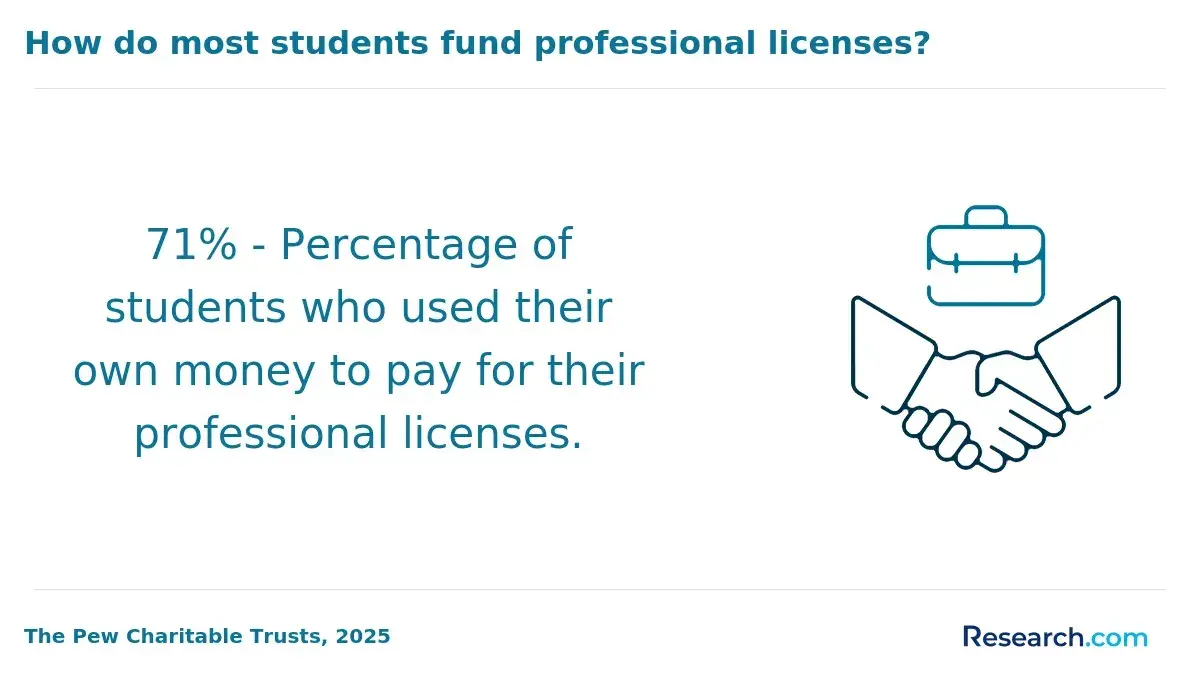
How much do these programs cost and how long do they take? There is no reliable field-wide price or completion time: required credits, prerequisites, enrollment pace, and experiential work vary by program. Request a written estimate covering tuition, mandatory and program fees, books or equipment, travel, and any income you expect to give up. Then subtract grants and employer benefits; do not treat a loan as a price reduction.
For a personal ROI test, compare the total net cost plus foregone earnings with a conservative estimate of the additional annual income your intended move might bring. Ask how long it would take to recover that investment, and repeat the calculation if the promotion arrives later than hoped. When considering one year masters programs, confirm that the advertised timeline fits your prerequisites, course load, and any clinical or capstone work. A short timeline can be poor value if it requires you to stop working.
Which online options work best for working adults? Look for the format you can complete consistently, not simply an "online" label. Asynchronous coursework can reduce scheduling conflicts, but it still has deadlines. Live classes, proctored exams, residencies, laboratories, clinical placements, and internships may require fixed hours or travel. Part-time availability matters only if the courses you need are offered when you need them.
Ask for a sample course schedule and a term-by-term plan based on your work hours. If frequent entry points would help you begin, compare best online colleges with weekly start dates - then verify the start dates for the specific graduate program. Flexible admission timing does not necessarily mean flexible class meetings or faster graduation.
What accreditation matters? Start by confirming that the institution holds recognized accreditation and that its current status applies to the school awarding your degree. Then check programmatic accreditation where your career requires it. For example, a social-work applicant should investigate CSWE accreditation, and a nursing applicant should check the applicable nursing accreditor and state approval. Requirements for teaching, counseling, and other licensed occupations vary by state and pathway.
Do not rely on a school-wide accreditation claim as proof of licensure eligibility. Ask the program and the licensing board in the state where you intend to work whether the exact degree and delivery pathway meet current educational requirements.
What will you need to apply? Master's programs generally require a bachelor's degree and transcripts, but field-specific preparation can determine both admission and total cost. Computer science or engineering programs may require technical coursework; an MSN pathway may require RN licensure; advanced-standing MSW admission requires a qualifying social-work background. Other programs may request recommendations, a statement of purpose, or professional experience.
Check the program's current admissions page rather than assuming a university-wide test or GPA policy applies. If you lack prerequisites, ask whether they must be completed before admission or can be taken after enrollment - and whether they count toward the degree.
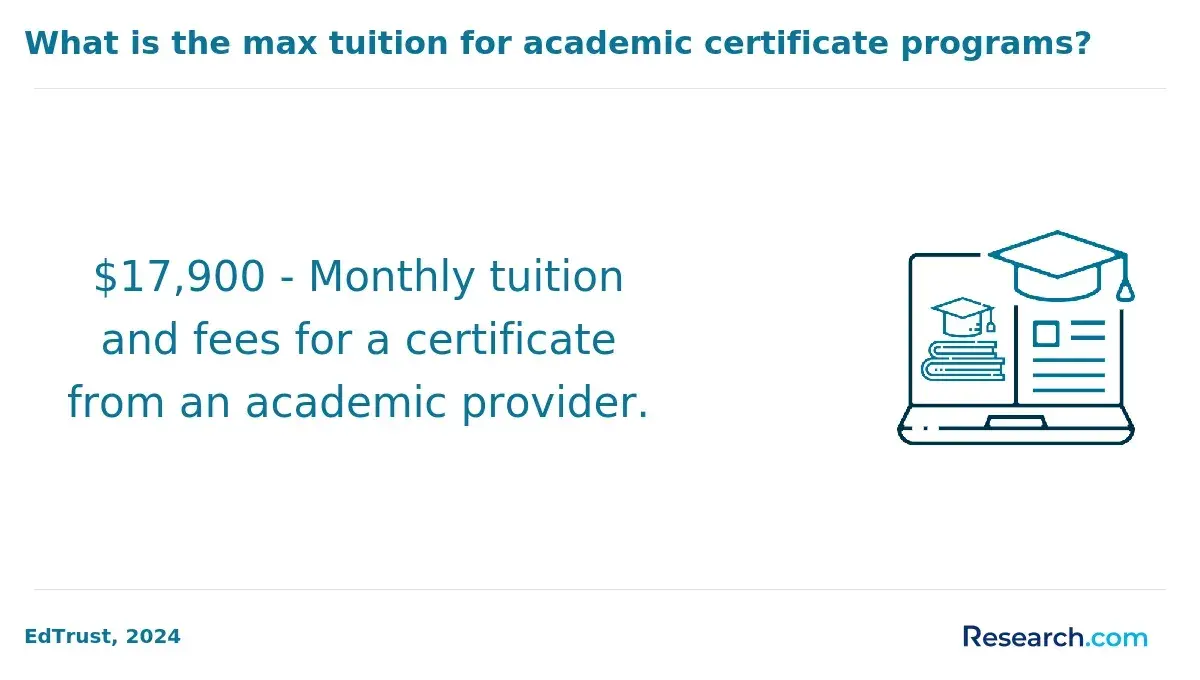
What careers can these programs lead toward? The answer depends on both the concentration and your prior qualifications. An MSN may be part of preparation for advanced nursing practice; an MSW can lead toward social-work roles; an education master's may support curriculum or school-leadership work. Business and healthcare administration programs can support organizational roles, while IT, computer science, and engineering programs can deepen technical specialization.
Work backward from a job posting you would genuinely apply for. Separate its required qualifications from preferred ones, then compare them with the program's curriculum and your existing experience. If the role does not require a master's, consider whether a certificate, employer training, or a direct job move would cost less.
Which additional credentials might you need? Advanced practice nursing and clinical social work involve state licensure requirements beyond graduation, including applicable examinations and supervised experience. Teaching and school-leadership roles may require state credentials. Engineering licensure follows a separate state process. In cybersecurity, an employer may value a professional certification, but its experience requirements and relevance vary by role.
Before enrolling in a licensure-oriented track, confirm the education, examination, placement, and post-degree practice requirements with the relevant state board. Ask who arranges required placements and whether you can complete them where you live; these details affect both cost and the date you can pursue the intended job.
How Can Adults Choose a Reputable Degree Program?
How can you choose a reputable program with a credible payoff? Shortlist programs only after identifying the job or advancement decision the degree must support. A nonprofit institution can be worth comparing, but tax status does not establish program quality, low cost, or career fit; use non profit online universities as a starting point, not a substitute for checking the exact program.
Before committing, complete these checks in order. They will expose the most expensive mismatches while you can still choose another path.
- Confirm institutional accreditation and, where needed, program accreditation and state licensure eligibility.
- Get a written degree plan showing prerequisites, accepted graduate transfer credit, course availability, and every remaining requirement.
- Compare total net cost, likely time away from paid work, and an employer's written tuition or promotion policy.
- Ask how the program supports working students with advising, placements, and course scheduling; do not mistake support services for a job guarantee.
Red flags include a salary claim presented as a typical graduate outcome without supporting evidence, an unclear placement policy, or an accelerated timeline that assumes qualifications you do not have. Choose the program whose requirements and cost still make sense under a cautious career scenario.
Other Things You Should Know About
It can be if it is required for your target role or an employer-recognized advancement path, and the likely benefit justifies your full cost. Compare it with cheaper ways to reach the same goal.
No field wins for everyone. An eligible nurse pursuing a qualifying MSN and an experienced technologist pursuing a specialized master's face different costs, requirements, and opportunities.
Experience may help with admission or career outcomes, but it does not automatically award graduate credit. Ask the program which prior graduate courses or formal pathways can satisfy degree requirements.
Delivery format alone is a poor quality test. Check institutional and relevant program accreditation, the curriculum, required practical work, and whether the degree meets your target occupation's requirements.
- Semester Course Load and Student Performance - PMC - NIH https://pmc.ncbi.nlm.nih.gov/articles/PMC7568764/
- Cost of Attendance (Budget) | 2025-2026 Federal Student Aid Handbook https://fsapartners.ed.gov/knowledge-center/fsa-handbook/2025-2026/vol3/ch2-cost-attendance-budget
- Frequently asked questions about educational assistance programs | Internal Revenue Service https://www.irs.gov/newsroom/frequently-asked-questions-about-educational-assistance-programs
- Data Home - College Scorecard - Department of Education https://collegescorecard.ed.gov/data/
- Annual Earnings by Educational Attainment - COE https://nces.ed.gov/programs/coe/indicator/cba/annual-earnings
- Research Summary: Education and Lifetime Earnings | ssa.gov https://www.ssa.gov/policy/docs/research-summaries/education-earnings.html
- Employer Tuition Reimbursement: How It Works and How to Pay for College | Winston-Salem State University https://ramsonline.wssu.edu/blog/employer-education-benefits/
- Costs - UGA Student Financial Aid - University of Georgia https://osfa.uga.edu/costs/
- Return to School | Employer Tuition Assistance Programs | UMass Global https://www.umassglobal.edu/blog-news/get-your-employer-pay-college-tuition-assistance-programs
- Employer Tuition Assistance: How to Use Your Workplace Education Benefits | American College of Healthcare Sciences https://achs.edu/blog/employer-tuition-assistance-workplace-benefits/