2027 Fastest College Degrees

Co-Founder and Chief Data Scientist
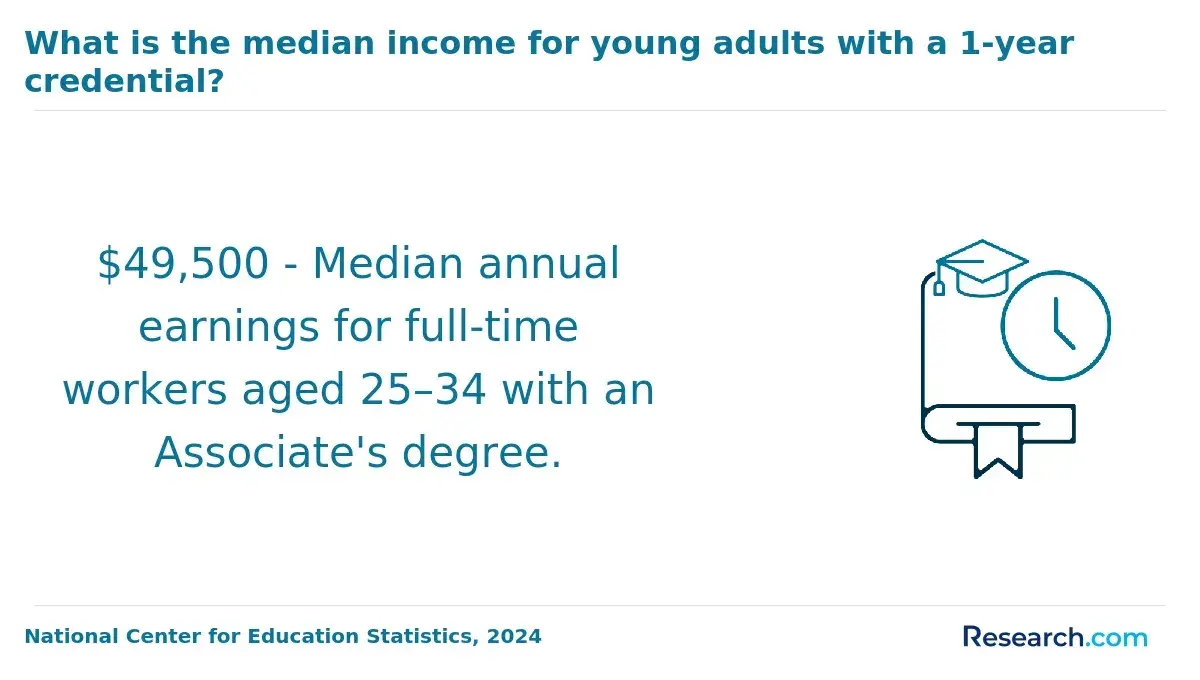
How quickly can you earn a degree without choosing a program that falls short of your career goal? The answer depends less on short classes than on the credits you already have, the courses you still need, and requirements such as clinical training. The U.S. Bureau of Labor Statistics reported median weekly earnings of $1,543 for workers with a bachelor's degree in 2024, compared with $1,840 for those with a master's degree.
Those figures describe workers, not guaranteed returns from a program. This guide helps first-time and returning students compare the fastest realistic paths and their trade-offs.
Key Things You Should Know
- For a student starting without college credit, an intensive associate degree may take about 12-18 months; a bachelor's degree usually takes longer because it generally requires around 120 credits.
- A bachelor's completion program can be much faster for someone whose previous coursework applies to the degree; an accelerated master's may take about 12-18 months after a qualifying bachelor's degree.
- The shortest advertised timeline is meaningful only if you meet its entry requirements and can complete every remaining course, capstone, and required placement on schedule.
Top 10 Fastest College Degrees
Business Programs
An accelerated Master of Business Administration or specialized master's in management, accounting, or analytics may offer a short route for applicants who already hold a bachelor's degree. Some programs compress coursework into a year or use year-round terms, but foundation courses, internships, and enrollment limits can extend completion. An MBA often fits experienced professionals seeking broader responsibilities; a specialized degree may fit a narrower skill goal. Check whether the timeline assumes full-time enrollment and whether a career change would require experience beyond the degree.
Healthcare Programs
Master's degrees in healthcare administration or public health can be quicker to complete than clinical degrees because they may not require supervised patient care. A full-time accelerated pathway can suit applicants with relevant undergraduate preparation, while prerequisites or a practicum can add time. Choose administration for organizational operations and public health for population-level work; neither is a shortcut to a clinical license. Confirm whether an internship, capstone, or in-person activity is required before relying on a published timeline.
Information Technology Programs
An accelerated master's in information technology, cybersecurity, or information systems can help a bachelor's degree holder deepen technical or management skills. Prior coursework may determine whether programming, networking, or security foundation classes are necessary. Project-based programs may move faster than those with a thesis, but shorter terms do not reduce the total work. Compare required credits, course sequencing, and whether your target job calls for the degree, practical experience, an industry certification, or a combination.
Computer Science Programs
A master's in computer science may have an accelerated track for applicants with substantial programming and mathematics preparation. Applicants from unrelated majors may need bridge courses before graduate study, making the total path longer than the advertised master's curriculum. A coursework-only option can be quicker than a research thesis, depending on scheduling. Choose this route for advanced computing study, not solely because its classes are short; verify the exact prerequisites and whether a capstone or thesis is required.
Nursing Programs
An accelerated Master of Science in Nursing is not a single pathway. A registered nurse with the required prior degree may qualify for one timeline, while an applicant seeking initial RN licensure faces different coursework and clinical requirements. Nurse practitioner tracks also require supervised clinical education and must meet applicable certification and state licensing rules. Ask which credential the timeline assumes, how placements are arranged, and whether the program prepares graduates for the specific role and state where they intend to practice.
Psychology Programs
An accelerated master's in psychology may serve students interested in research, behavioral science, or preparation for further study. A counseling-focused master's has a different purpose and may require a substantial supervised practicum. Neither should be mistaken for a quick route to becoming a licensed psychologist, which generally requires doctoral education and additional state requirements. Match the curriculum to the occupation first, then compare prerequisites, placements, and whether a thesis or capstone affects completion time.
Education Programs
A master's in curriculum and instruction or educational leadership may offer an accelerated route for practicing teachers whose existing credentials satisfy admission requirements. An initial teacher-preparation master's can take longer because student teaching, testing, and state approval matter in addition to coursework. Leadership roles may also require teaching experience or another credential. Before enrolling, check whether the short timeline applies to licensed educators and whether the program meets requirements in the state where you plan to work.
Criminal Justice Programs
An accelerated master's in criminal justice may be designed for professionals moving toward policy, administration, or specialized analysis. Coursework-only tracks can be quicker than tracks requiring a thesis or placement, although schedules vary. The degree does not replace agency hiring standards, academy training, or experience required for many law-enforcement roles. Compare the curriculum with the work you want to do; applicants seeking entry-level employment may find that a master's is not their fastest useful next step.
Engineering Programs
A coursework-based engineering master's may offer a faster path than a research-intensive thesis track for applicants with the right undergraduate engineering or mathematics background. Laboratories, prerequisite gaps, and courses offered only in certain terms can lengthen either option. A specialized master's can support technical advancement, but it does not automatically provide a professional engineer license; state rules govern that credential. Confirm the program's discipline, required credits, culminating work, and whether an accelerated timeline assumes a related bachelor's degree.
Social Work Programs
Advanced-standing Master of Social Work pathways are designed for eligible graduates of qualifying bachelor's social work programs. They can omit foundation content already covered, but still require graduate coursework and supervised field education. A student with an unrelated bachelor's degree generally needs the standard pathway instead. Because eligibility, field-hour arrangements, and state licensing requirements affect the real timeline, compare those details rather than treating an advanced-standing completion claim as available to every applicant.
What Are the Fastest College Degrees to Complete?
The fastest college degree depends on your starting point. For a new student, an intensive associate degree is generally the shortest degree-level route. For someone with applicable college credit, a bachelor's completion program may require fewer remaining terms. For a bachelor's graduate, an accelerated master's may be shortest - but it is a different education level with its own admission requirements.
This comparison shows why the same "fast" label can describe very different workloads. The ranges are planning estimates, not promises from a particular college.
| Degree pathway | Typical starting point | Potential fast timeline | Main condition |
| Intensive associate degree | Little or no college credit | About 12-18 months | Year-round availability and a heavy course load |
| Bachelor's completion degree | Substantial applicable undergraduate credit | About 12-24 months of remaining study | Accepted credits must fulfill degree requirements |
| Accelerated master's degree | Qualifying bachelor's degree | About 12-18 months | Prerequisites met; often full-time study |
Business, general studies, and some information technology pathways may have fewer externally scheduled placements than nursing, teaching, or social work. That can make scheduling easier, not guarantee faster graduation. If your goal is a specific skill rather than a degree, compare certificate programs that pay well with the qualifications employers actually request.
How Long Do the Fastest College Degrees Take?
A course lasting a few weeks is not a degree lasting a few weeks. Total time depends on required credits, how many you can take per term, when required courses are offered, and whether a capstone, laboratory, or placement has a fixed schedule. Associate degrees commonly require around 60 credits and bachelor's degrees around 120; master's requirements vary substantially by field.
Start with a written evaluation of your previous coursework. Ask which credits satisfy general education, major, and elective requirements; which remain; and how many credits you must earn at the new institution. Prior learning or professional credentials may count only when a college has an applicable assessment policy. Then map the remaining courses term by term, including prerequisites and summer availability. An advertised bachelor's completion timeline is not a timeline for starting a bachelor's degree from scratch.
For a narrow career goal, short certificate programs that pay well online may be worth comparing - but a certificate is not a substitute where an employer or licensing board requires a degree.
Which Fast College Degrees Lead to High-Paying Careers?
A fast degree can be valuable when it builds qualifications for an occupation you can realistically enter. It cannot, by itself, promise a high salary. For context, the Bureau of Labor Statistics reported a 2024 median annual wage of $93,600 for registered nurses. That is an occupational median, not the expected pay of a new nursing graduate; RN licensure is also required.
Business, computing, and engineering degrees may connect to well-paid work, but the relevant job can require experience, technical proficiency, or a different credential. Compare the total price to finish - tuition, mandatory fees, materials, and placement-related expenses - with the time you may be unable to work at your usual level. If your target job does not require another degree, certificate programs that pay well are another option to investigate before committing to a longer program.
Are Fast College Degrees Accredited and Recognized?
Yes, an accelerated degree can be recognized, provided the institution has appropriate accreditation and the program meets any field-specific requirements. Faster pacing does not itself weaken a credential; missing required preparation can. Verify the institution through the U.S. Department of Education's accreditation database and confirm its current status directly with the school.
For a regulated goal, check more than institutional accreditation. Ask the relevant state licensing board whether the specific program and delivery format meet its education rules, and check applicable programmatic accreditation where employers or licensing pathways expect it. Do this before enrolling in nursing, teaching, counseling, social work, or another licensure-oriented field. A program's approval in one state does not establish eligibility in every state.
Should You Choose an Online or Campus-Based Fast Degree?
Online study can eliminate a commute and broaden your choices, but it does not automatically shorten a degree. Scheduled live classes, fixed deadlines, proctored exams, and locally arranged clinical or student-teaching placements can still limit your availability. Campus study may be a better fit when you need regular access to laboratories, equipment, or in-person support.
Compare formats using the same term-by-term graduation plan: How many required courses can you actually take, and where must you be for each one? Some online degrees may suit students balancing work and study, but "online" and "accelerated" describe different features. Ask for required attendance times and in-person obligations in writing.
What Are the Admission Requirements for Accelerated Degrees?
Requirements depend on the credential. Associate and bachelor's applicants generally provide prior school transcripts; transfer applicants also need college transcripts for credit evaluation. Accelerated master's applicants need a bachelor's degree and may face minimum grades, field-specific prerequisites, professional experience, a portfolio, or a test requirement. Selective nursing, engineering, and licensure-oriented programs can have separate admission steps beyond general university admission.
Do not assume that admission means you qualify for the fastest track. Ask whether the published timeline requires a particular major, license, amount of accepted credit, or full-time enrollment. Request both an admission decision and a program-specific evaluation of what you would still need to complete.
What Courses Do Fast College Degree Programs Include?
Fast programs generally cover the same categories of requirements as their standard counterparts; they compress the calendar, recognize eligible prior study, or both. An associate or bachelor's degree can include general education, major courses, and electives. A master's may include advanced core courses, a specialization, and a thesis, project, or capstone.
The critical scheduling question is which requirements cannot be compressed. Sequential courses must be taken in order, while laboratories, internships, clinical rotations, field placements, and student teaching may depend on site availability. Ask for a sample plan showing every required course and culminating activity - not just the length of individual classes.
Do Fast College Degrees Require Licensure or Certification?
Some careers require a separate license or certification; others do not. A nursing degree does not itself grant an RN license, and an education degree does not automatically confer teaching certification. Clinical social work and counseling typically involve additional supervised experience and state-specific requirements. In information technology, an employer may value an industry certification, but its relevance depends on the role.
Work backward from your intended occupation and state. Identify the required education, program approval, examination, supervised practice, and application steps before comparing degree timelines. A quick program that does not meet a required step may be slower - and more expensive - to correct later.
How Do You Choose a Reputable Fast Degree Program?
Choose the fastest credible route for you, not the shortest number in an advertisement. First, identify the credential your target occupation requires. Then obtain a written credit evaluation and a term-by-term plan that includes prerequisites, required placements, and the earliest realistic graduation date. Compare accreditation and licensure fit before comparing price.
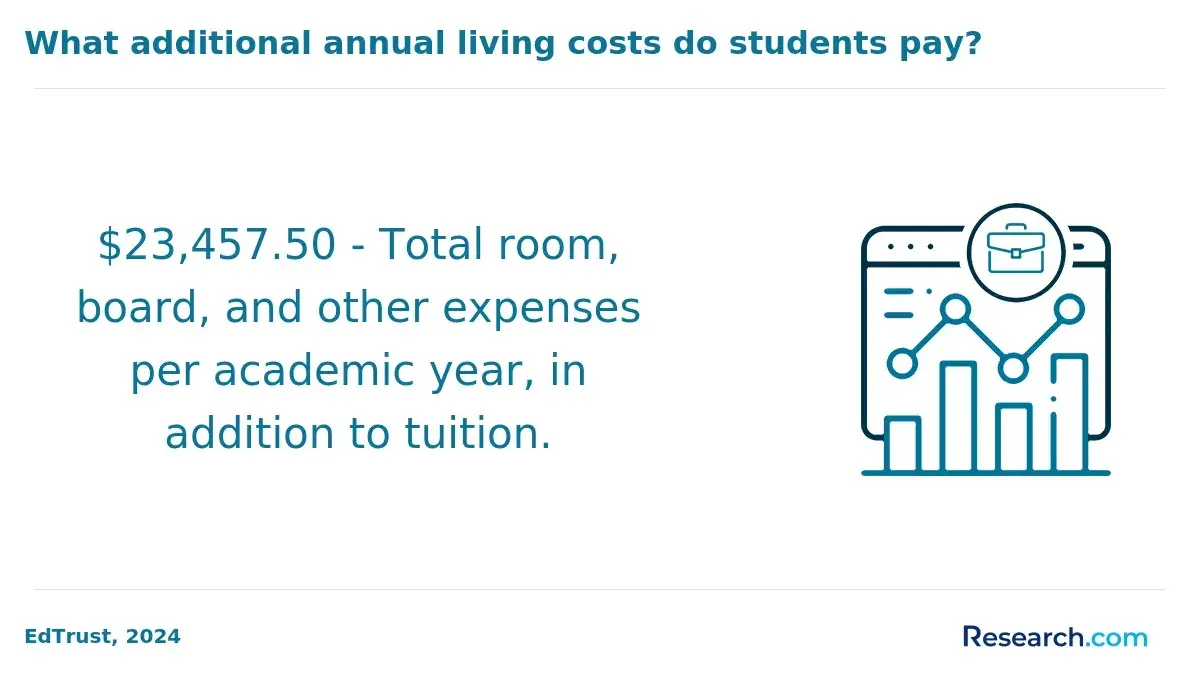
Calculate total cost using remaining credits, tuition, mandatory fees, books, travel, and any reduced work hours. A lower per-credit price can lose its advantage if fewer credits apply or completion takes extra terms; cheapest online colleges should therefore be compared on the cost of your remaining degree, not sticker price alone. Treat guarantees of unusually quick graduation without a transcript review, vague placement arrangements, and pressure to enroll before receiving written answers as red flags.
Other Things You Should Know About
It may be possible to finish in roughly a year if substantial previous credit applies and required courses are available. That is a completion pathway, not a one-year bachelor's degree starting from zero credit.
It can be more intense because similar requirements are completed in less calendar time. Check the weekly workload and whether full-time study is realistic alongside your other responsibilities.
Possibly, but only if the college offers an applicable prior-learning assessment and awards credit that counts toward your specific requirements. Experience alone does not automatically earn credit.
Eligible students may receive federal aid at eligible institutions and programs, but eligibility and aid amounts depend on individual circumstances and enrollment. Ask the financial aid office for an estimate covering the full accelerated schedule.
References
- Accreditation in the U.S. | ed.gov http://www.ed.gov/laws-and-policy/higher-education-laws-and-policy/college-accreditation/accreditation-in-the-us
- Fast Facts: Time to degree (569) | ed.gov https://nces.ed.gov/fastfacts/display.asp
- School-Determined Requirements | 2024-2025 Federal Student Aid Handbook https://fsapartners.ed.gov/knowledge-center/fsa-handbook/2024-2025/vol1/ch1-school-determined-requirements
- What is a Degree Completion Program? | Notre Dame de Namur University https://www.ndnu.edu/articles/guides-tips/what-is-degree-completion-program.html
- Credit for Prior Learning (CPL) Procedure #3.3501.0001 | South Central College https://www.southcentral.edu/student-policies/credit-for-prior-learning-cpl-procedure.html
- Academic Catalog | Broward College Catalog https://catalog.broward.edu/academic-affairs/credits-prior-learning/
- Applying to the Initial Teacher Licensure Program | Colorado Mesa University https://www.coloradomesa.edu/teacher-education/resources/graduate/apply-itl.html
- How to Earn College Credit for Life and Work Experience | bestcolleges.com https://www.bestcolleges.com/blog/college-credit-for-life-and-work-experience/
- Credit for Prior Learning and Transfer Credit | coursedog.com https://clcillinois.coursedog.com/collegepolicies/admissions/creditpriorlearning