2027 Best Degrees for Students With Low GPA

Co-Founder and Chief Data Scientist
A low GPA can narrow your options, but it does not settle whether you can earn a degree. The better question is which path will admit you, help you succeed, and lead toward your goal. Cost matters, too: the College Board reported average published tuition and fees of $4,050 for in-district students at public two-year colleges in 2024-25. This guide compares undergraduate entry routes and graduate fields, explains where admissions become more selective, and shows what to check before applying.
Key Things You Should Know
- An associate degree typically requires about 60 credits and can offer a starting point for students who need to rebuild their academic record before transferring.
- For master's degrees, a bachelor's degree is generally required; a flexible university-wide GPA policy does not override a program's own prerequisites or admission rules.
- Choose for career fit, not admission ease alone: the U.S. Bureau of Labor Statistics reported a $86,070 median annual wage for registered nurses in 2023, but a nursing degree must also support eligibility for licensure.
Top 10 Best Degrees for Students With Low GPA
Business Programs
An MBA or master's in management may suit applicants with work experience that helps explain an uneven undergraduate record. Some programs consider essays, recommendations, professional achievements, or recent coursework alongside GPA; others set firm minimums. Compare accounting, analytics, and general management concentrations against the jobs you want. A master's degree does not itself qualify you as a certified public accountant: state education and examination rules apply. Ask whether the program requires foundation courses, a capstone, or a GMAT or GRE score before assuming you can begin immediately.
Healthcare Programs
A master of health administration or public health can prepare students for administrative, policy, or population-health work without claiming to qualify them for clinical practice. Applicants with a low undergraduate GPA may strengthen their case with relevant employment and strong recent grades, where the program permits holistic or conditional review. Check statistics prerequisites, internship requirements, and program-specific admissions rules. Choose a clinical degree instead if your intended occupation requires patient-care training or a professional license.
Information Technology Programs
A master's in information technology often emphasizes systems, networks, cybersecurity, or technology management. It may fit an applicant whose professional experience is stronger than their earlier GPA, but admission rules and technical prerequisites vary. Compare projects, labs, and certification preparation with the work you want to do; a degree does not award an industry certification. If you need entry-level skills rather than a graduate credential, a certificate or associate program may be a less costly starting point.
Computer Science Programs
A master's in computer science usually demands more mathematical and programming preparation than a general IT degree. Some programs offer foundation coursework for applicants without a CS bachelor's degree, which can add time and cost. A low overall GPA may be less concerning if your recent grades in relevant courses are strong, but only the program can assess that. Consider a portfolio and prerequisite courses before applying; choose IT or an introductory certificate if the required theory is not yet a good fit.
Nursing Programs
A master of science in nursing commonly requires an active RN license and prior nursing education; some pathways accept RNs whose first degree is not a BSN. Admission may consider nursing-course grades separately from overall GPA. Clinical placements, specialty requirements, and state rules can limit where an online student may enroll or practice. If your goal is advanced practice, verify the specific program's accreditation and certification eligibility. Applicants who are not yet RNs need an entry-level nursing pathway first.
Psychology Programs
A master's in psychology can support research, applied, or further academic study, but the title alone does not establish eligibility to practice as a psychologist or counselor. Licensing rules depend on the occupation and state; psychologist licensure generally requires doctoral preparation. Applicants with a low GPA should examine research-methods prerequisites and whether recent coursework can demonstrate readiness. If your goal is counseling, compare counseling programs specifically against your state board's educational requirements rather than relying on a general psychology degree.
Education Programs
A master of education may focus on curriculum, instructional design, leadership, or teacher preparation. These tracks serve different purposes: an MEd for practicing teachers may require an existing license, while an initial-licensure track may include student teaching. A low GPA does not erase background checks, placement requirements, or state certification rules. Before applying, confirm whether the degree actually leads to your intended credential and whether fieldwork can be completed where you live.
Criminal Justice Programs
A master's in criminal justice may suit experienced public-safety professionals seeking policy, administration, or analytical study. It is not normally the entry requirement for police work, and agency hiring standards are separate from graduate admission. If earlier grades are weak, ask whether relevant employment and recent academic work can be considered. Compare research and capstone requirements with your goals; an expensive graduate degree may offer limited value if the role you want does not require it.
Engineering Programs
A master of engineering or MS in engineering generally expects substantial preparation in mathematics and a related technical field. Foundation courses may be possible, but they can lengthen the path for career changers. For applicants with a low GPA, strong grades in advanced technical courses may provide useful evidence of readiness; admission remains program-specific. If professional engineer licensure is your goal, investigate your state's education, examination, and experience rules rather than assuming a master's degree is sufficient.
Social Work Programs
A master of social work combines coursework with supervised field education and is a common educational route toward clinical social work licensure. Advanced-standing tracks typically require an eligible bachelor of social work; an unrelated bachelor's degree does not automatically qualify. Applicants with low GPAs should check the program's published threshold and whether service experience or recent grades receive consideration. Verify social work program accreditation, local field-placement availability, and your state's post-degree supervision and examination requirements.
What degrees are easiest to pursue with a low GPA?
There is no universally "easy" degree for a low GPA. The most accessible starting route is often an associate degree at a community college with broadly accessible admission, followed by transfer after strong college-level performance. Business administration, general studies, and some IT pathways may offer several entry points, but the courses still require sustained work.
At the graduate level, admission flexibility and academic difficulty are different questions. A professional program may review work experience holistically yet still require demanding prerequisites. Compare your strongest subjects, the program's admission policy, and the credits you would actually need. Do not choose a field solely because its application looks less selective.
Can you attend college with a low GPA?
Yes. A low high-school GPA does not rule out college. Community colleges and some undergraduate institutions offer broadly accessible admission, while individual programs - particularly nursing and other clinical fields - may select students separately after enrollment. Transfer is another route: successful college coursework can give a later institution more recent evidence of your ability.
An online college with no GPA requirements may be worth investigating, but verify the policy for your credential and applicant type. No published minimum is not proof of automatic admission, and placement, prerequisites, or selective-major requirements may still apply.
Which certificate and associate programs accept low GPAs?
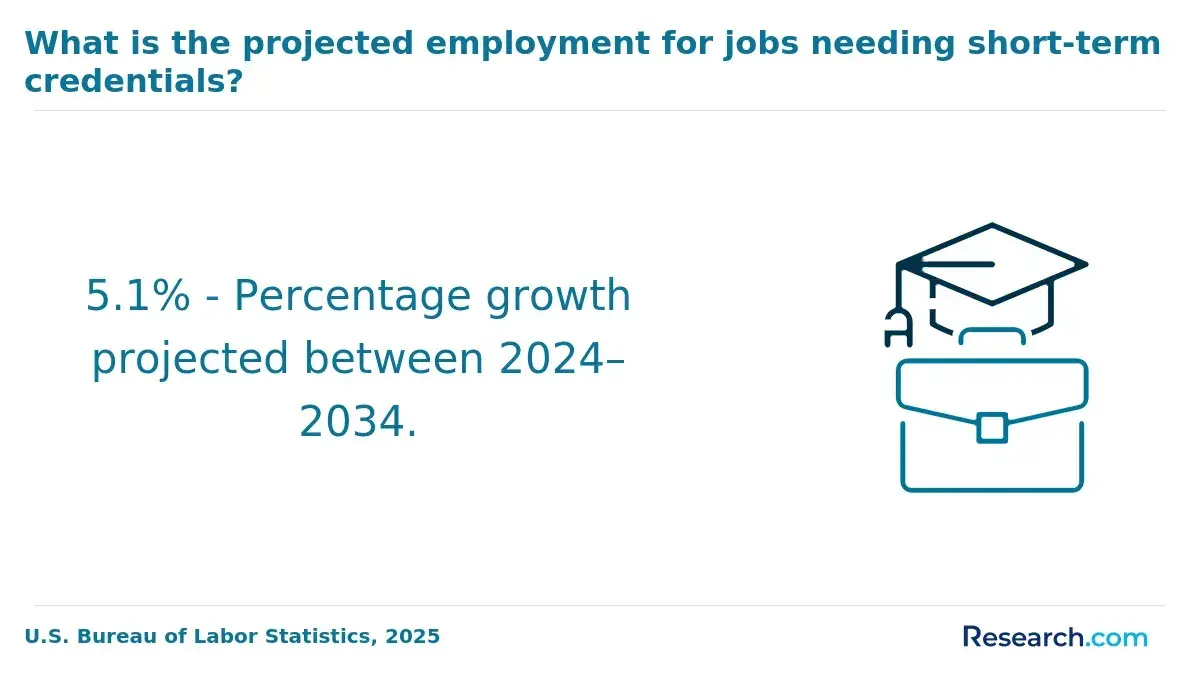
At the undergraduate level, community-college certificates and associate degrees in areas such as business, IT support, and general studies may have accessible college admission. Short career certificates can provide a way to test a field before committing to a degree; transfer-oriented associate programs are more useful when a bachelor's degree is the goal. Neither credential type has a universal GPA policy.
Admission to the college is not the same as admission to every program. Allied-health certificates and associate nursing programs may require prerequisite grades, placement results, competitive applications, background checks, or clinical clearance. Ask whether certificate credits apply to the intended associate degree and whether associate credits satisfy the intended bachelor's major - not merely whether the next college accepts them.
Which low-GPA-friendly degrees offer the best career opportunities?
The best opportunity depends on both realistic entry and the credential your target job requires. The comparison below separates a field's useful starting point from additional hurdles; occupational pay is not a promise of what any program's graduates will earn.
| Path | Potential career direction | Decision-critical hurdle |
| IT certificate or associate degree | Technical support; a possible foundation for later specialization | Show practical skills and check employers' credential expectations |
| Business associate or bachelor's degree | Operations, sales, or administrative work | Match the concentration and experience requirements to a specific role |
| Accredited nursing pathway | Registered nursing | Gain program admission, complete clinical training, and meet licensure requirements |
| Computer science bachelor's degree | Software-related roles | Complete substantial programming and mathematics work and build demonstrable skills |
Nursing can provide a clearly defined occupational route, but its selective clinical requirements make it a poor choice if admission or placement is not feasible. IT or business may offer more ways to begin; compare local job postings before deciding which credential level is worth its cost. Demand for AI-related skills also makes current projects and adaptable technical skills important, not a substitute for checking a program's outcomes.
How do online and campus programs compare for low-GPA students?
Online study can remove a commute, but it does not necessarily remove live sessions, deadlines, exams, labs, or in-person placements. Campus classes provide scheduled contact and access to facilities; that structure may help a student rebuilding study habits. Hybrid delivery can be a useful compromise when a program requires hands-on work.
Some competency based degree formats let students demonstrate mastery rather than follow a conventional weekly class schedule. They can suit disciplined students with existing knowledge, but first check assessment rules, tuition structure, and whether prior learning actually reduces the remaining work. For any format, ask how tutoring, advising, and course availability work for your schedule.
What are the admission requirements for students with low GPAs?
Requirements depend on whether you are entering college, transferring, or applying to graduate school. Undergraduate applicants may need transcripts and placement measures; graduate applicants generally need a completed bachelor's degree and may face program-specific GPA, prerequisite, recommendation, test, or experience requirements. Conditional admission, when offered, commonly requires satisfactory early coursework - it is not a waiver of degree standards.
Before paying an application fee, get answers to these questions from the admissions office for the exact program and applicant category:
- Is the GPA minimum firm, and is it based on all coursework, recent credits, or courses in the major?
- Can strong recent grades, relevant work, an explanation of circumstances, or conditional admission address an earlier weak record?
- Which prerequisites, tests, licenses, or placement requirements apply before starting program courses?
A 1 year masters degree may appeal to applicants eager to move forward, but first confirm graduate eligibility and whether the advertised timeline assumes completed prerequisites and full-time study.
How long do low-GPA-friendly degree programs take and cost?
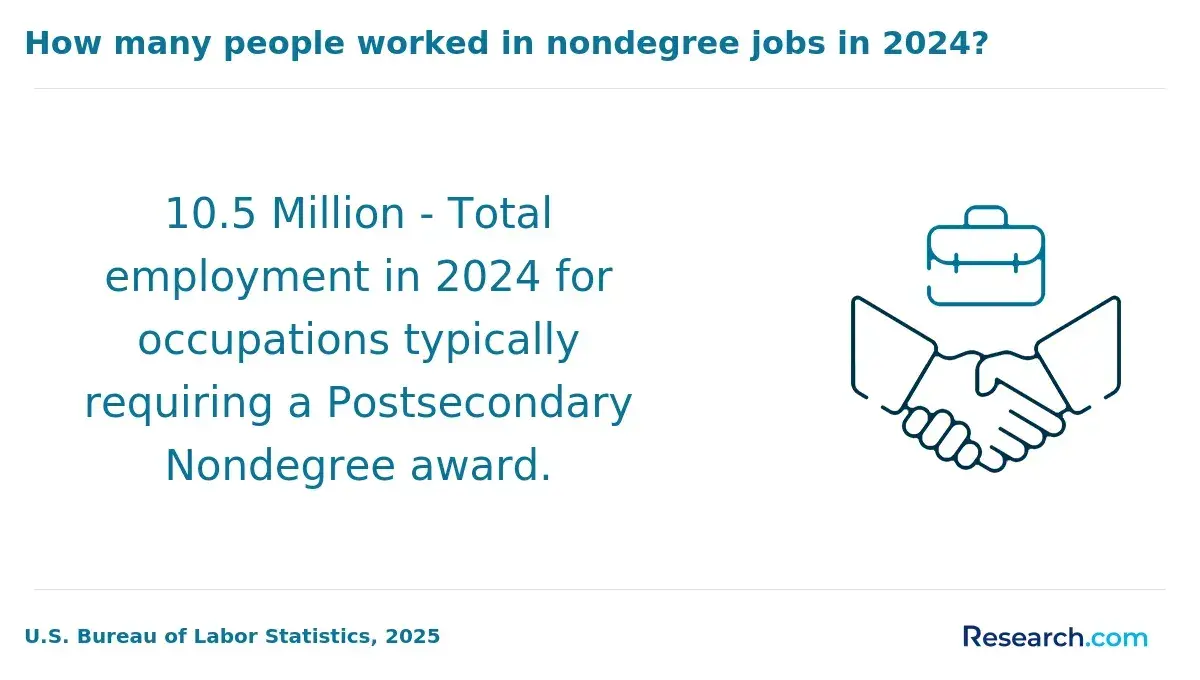
Time and cost depend on the credential and your starting point. An associate degree commonly involves about 60 credits; a bachelor's degree commonly involves about 120 total credits; master's requirements vary substantially by field and prior preparation. Part-time enrollment, repeated prerequisites, clinical schedules, and courses offered only in certain terms can extend completion.
Compare total remaining cost, not tuition alone: include mandatory fees, books, technology, transport, and any clinical or residency expenses. Request a written evaluation showing which transfer credits meet general education, major, and elective requirements, plus how many credits must be earned at the new institution. Eligible students should compare grants and other financial aid before borrowing.
accelerated programs can shorten a schedule for some students, but a short course term does not shorten the number of required credits. Ask what course load and previously accepted credits the advertised finish time assumes.
Which careers require licenses or professional certifications?
Nursing, clinical social work, teaching, counseling, and professional engineering can involve state licensure beyond earning a degree. Requirements may include an approved educational pathway, examinations, supervised experience, background checks, or continuing education. The exact rules depend on the state and intended role.
Other fields use optional or employer-requested certifications rather than a single practice license. IT certifications can demonstrate specific technical skills; accounting graduates pursuing CPA licensure face separate state requirements. Before enrolling, identify the job title you want and confirm its requirements with the applicable state board or credentialing organization. A degree's name alone is not evidence of eligibility.
How can you choose an accredited program with strong job outcomes?
Start with institutional accreditation recognized for federal student aid purposes, then check any programmatic accreditation your intended license or employer requires. Accreditation establishes an important baseline; it does not prove that a particular program is affordable, admits your GPA, or leads to strong employment outcomes.
Use this sequence to compare your finalists without mistaking an attractive headline for a workable path:
- Ask each program to confirm its admission rules in writing for your GPA, education level, and intended major.
- Request a degree audit or preliminary transfer evaluation showing remaining courses, prerequisite grades, and residency-credit rules.
- Check completion rates, licensure-exam results where relevant, and career outcomes with attention to how each measure is defined.
- Compare the estimated total cost and a realistic term-by-term schedule, including field placements or required campus visits.
Be cautious of promises of automatic admission, guaranteed jobs, or fast completion without a documented credit evaluation. If a school cannot explain how its program meets your licensing goal, resolve that uncertainty before enrolling.
Other Things You Should Know About
There is no single cutoff across colleges. Some undergraduate routes have broadly accessible admission, while selective majors and graduate programs may set separate requirements. Check the policy for the exact program.
Possibly. Some programs consider recent grades, experience, or conditional admission; others enforce a firm minimum. A bachelor's degree and any required prerequisites still matter.
They do not erase it, but a strong college record can provide more recent evidence for transfer applications. Each university decides how it reviews transfer applicants.
If your target program has a firm prerequisite-grade rule, a retake may be necessary. Otherwise, ask admissions whether recent relevant coursework or other evidence would strengthen your application before paying for additional classes.
References
- Program Integrity Questions and Answers - Satisfactory Academic Progress | U.S. Department of Education http://www.ed.gov/laws-and-policy/higher-education-laws-and-policy/program-integrity-information-questions-and-8
- Thinking Through Transfer: Examining How Community College Students Make Transfer Decisions - PMC https://pmc.ncbi.nlm.nih.gov/articles/PMC10857860/
- Admissions Eligibility | Colorado Department of Higher Education Home https://cdhe.colorado.gov/admissions-eligibility
- What to Know About Competency-Based Degree Programs | Purdue Global https://www.purdueglobal.edu/blog/online-learning/what-is-competency-based-degree-program/
- Admission Requirements - California State University Fullerton https://catalog.fullerton.edu/content.php
- Admission Criteria and Academic Regulations | southeastern.edu https://catalog.southeastern.edu/content.php
- Which Jobs Require a Graduate Degree? | UCLA https://www.ucla.edu/academics/graduate-benefits/which-jobs-require-a-graduate-degree
- Undergraduate Admissions FAQ | fitnyc.edu https://www.fitnyc.edu/admissions/faq.php
- Admissions - Houston Community College https://catalog.hccs.edu/content.php
- Can I get into med school with a low GPA? | umhs-sk.org https://www.umhs-sk.org/blog/medical-school-with-low-gpa