2027 Best Online Degrees With Self-Paced Courses

Co-Founder and Chief Data Scientist
A degree that fits around work or caregiving can be valuable - but "online" does not necessarily mean you can set your own pace. This guide compares ten graduate fields where flexible coursework may be available, then explains how to check schedules, costs, accreditation, and career requirements before enrolling. The stakes are real: the U.S. Bureau of Labor Statistics reports a 2024 median annual wage of $133,080 for software developers, but an online degree alone does not qualify someone for that pay. Use the comparisons below to find a format that supports your goals without overlooking required deadlines or in-person training.
Key Things You Should Know
- Compare the specific program's schedule, not its online label: self-paced coursework can still have term-end dates, required meetings, or placements.
- A 30-credit master's degree is not automatically fast; transfer rules, course availability, and the number of courses you can finish each term determine your timeline.
- For licensed careers such as nursing, teaching, and social work, confirm state eligibility and required supervised experience before prioritizing flexibility.
Top 10 Best Online Degrees With Self-Paced Courses
Business Programs
An online MBA or master's in management is worth considering if you want to build budgeting, operations, and leadership skills while working. Some competency-based programs let you move through familiar material quickly, but group projects, assessments, and term deadlines can limit that freedom. Compare accounting, analytics, and general-management coursework against the role you want; an MBA is not a substitute for specialized accounting eligibility. Ask whether tuition is charged per credit or term, and whether your employer offers tuition assistance.
Healthcare Programs
Master's degrees in healthcare administration, health informatics, and public health serve different goals: managing organizations, working with health data, or addressing population health. Administrative coursework may suit independent study better than programs with fieldwork or team-based projects. A flexible schedule can help experienced healthcare workers, but applicants changing fields should check prerequisites and whether internships are required. An administration degree does not confer a clinical license; verify any credential or employer requirement for your intended job.
Information Technology Programs
A master's in information technology, cybersecurity, or IT management may fit professionals who can demonstrate existing technical skills through projects or competency assessments. Check whether courses require scheduled labs, collaborative work, certification preparation, or access to specialized software. Someone entering IT without substantial experience may benefit more from structured instruction and hands-on support than maximum independence. No degree or certification guarantees a cybersecurity role; employers also assess practical skills and experience.
Computer Science Programs
A computer science master's typically emphasizes algorithms, software development, systems, or specialized computing rather than general IT operations. Confirm programming and mathematics prerequisites before applying; foundation courses can extend the timeline. Independent coding assignments may work well in a flexible format, while research supervision, team projects, or a thesis may follow fixed schedules. Choose this path for deeper computing preparation, not solely because a school advertises rapid completion.
Nursing Programs
An MSN may prepare eligible registered nurses for leadership, education, informatics, or advanced practice, depending on the concentration. Online lectures may be flexible, but clinical hours, preceptors, and state authorization often are not. Applicants generally need an active RN license; additional admission and practice requirements vary. If your goal is nurse practitioner licensure, verify the exact program's accreditation, clinical-placement arrangements, and eligibility in your state before enrolling.
Psychology Programs
An online master's in psychology can support research, workplace, or further-study goals, but its title does not establish eligibility to practice therapy. Licensing paths vary by state and often require a specifically designed counseling or clinical program, supervised hours, and examinations. Research projects and instructor feedback may also impose schedules on otherwise independent courses. Decide on the occupation first, then check whether the degree meets its educational requirements.
Education Programs
Master's degrees in curriculum and instruction, educational leadership, or teaching can serve different applicants. Some are designed for licensed teachers seeking advancement; initial-licensure programs may require student teaching and state-specific coursework. Self-paced academic modules cannot remove school-calendar constraints from classroom placements. Before applying, confirm whether the program is for initial certification, an additional endorsement, or professional development - and whether your state recognizes it for your goal.
Criminal Justice Programs
A criminal justice master's may cover policy, research, administration, and organizational leadership. Independent reading and writing can suit experienced public-safety professionals, although capstones or internships may have fixed milestones. Compare the curriculum with actual promotion requirements at your agency; some roles prioritize service history, examinations, or specialized training over a graduate credential. For a career change into law, forensic science, or licensed counseling, a different degree may be necessary.
Engineering Programs
A master's in engineering can deepen a particular technical specialty, but fully self-paced options may be difficult to find when courses rely on labs, design teams, or sequenced projects. Check the exact discipline and whether remote laboratory access or campus visits are required. Professional engineer licensure has separate education, examination, and experience rules; a master's alone does not grant it. Engineers seeking flexible advancement may also compare engineering-management programs with technical master's degrees.
Social Work Programs
An MSW is a professional pathway that includes supervised field education. Online academic coursework may offer scheduling flexibility, but placements require substantial time at an approved site and may follow an agency's hours. Advanced-standing routes can shorten study for eligible graduates of qualifying bachelor's programs; they are not open to every applicant. Check program accreditation, placement support, and your state's clinical licensing requirements before treating an MSW as self-paced.
What Are Self-Paced Online Degree Programs?
Self-paced online degree programs let students control some of the speed at which they complete coursework or demonstrate mastery. The term is not standardized: one program may allow continuous progress within a fixed term, while another simply offers recorded lectures with weekly due dates. Neither is necessarily faster than a conventional online degree.
These common formats differ in ways that affect a working student's calendar. Use the comparison to decide which scheduling question to ask first.
| Format | What you control | What may remain fixed |
| Competency-based | Progress after demonstrating mastery | Enrollment terms, assessments, and required experiences |
| Independent-paced courses | Study and submission pace within an allowed period | Course expiration dates and instructor availability |
| Asynchronous courses | Time of day you study | Weekly deadlines and term schedules |
For any program, request a sample course calendar. It is the quickest way to distinguish genuine pacing flexibility from the convenience of studying online.
Which Accredited Colleges Offer Self-Paced Online Degrees?
Examples to investigate include Western Governors University's competency-based degrees, Capella University's selected FlexPath programs, and the University of Wisconsin Flexible Option at participating institutions. Their models and available credentials differ; none should be assumed to offer every field in this guide or to make every requirement independent of a calendar. Compare them as starting points, not as an overall ranking.
Check the accreditation of the degree-awarding institution, then check any programmatic accreditation required for your profession. If institutional ownership matters to you, a guide to non profit universities can help you narrow the search - but nonprofit status does not establish that a particular program is self-paced. Confirm the current format on the degree page and in the academic catalog.
How Much Do Self-Paced Online Degrees Cost?
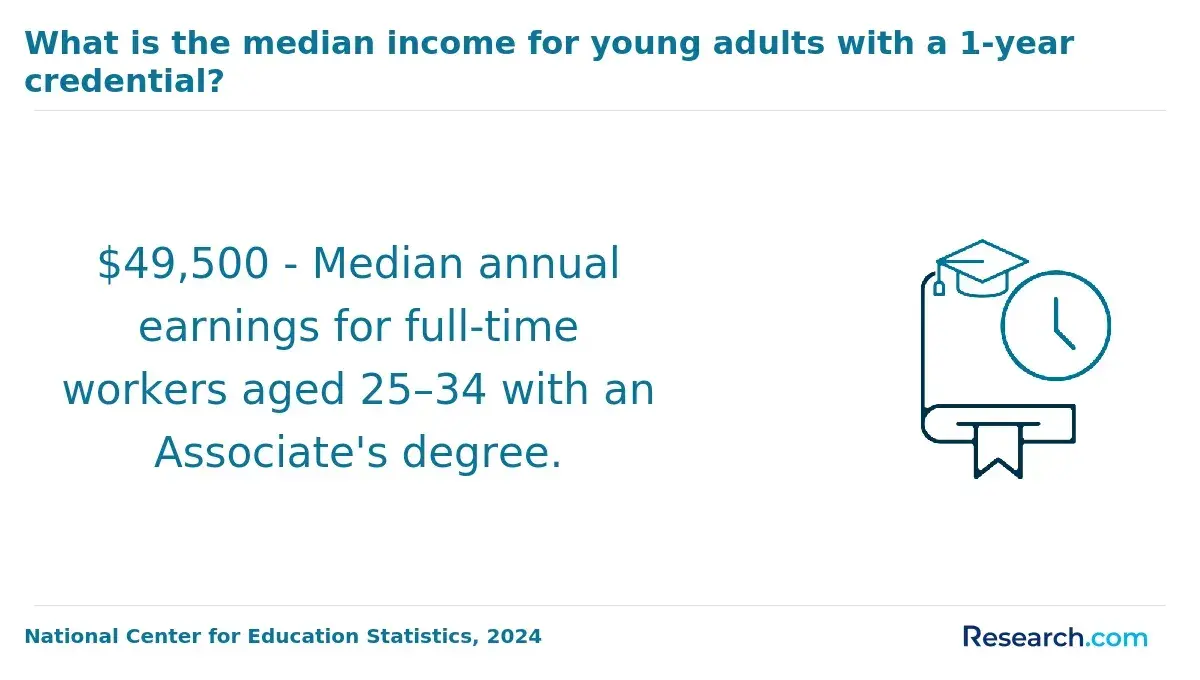
There is no single price for a self-paced degree. Per-credit programs generally charge for each enrolled credit, while some competency-based programs charge for an enrollment term. A term price can favor students who finish more requirements during that term; it can cost more than expected if work or family obligations slow progress.
To compare offers, request an estimate of total remaining cost based on your evaluated transfer credit and realistic course load. Include tuition, mandatory and technology fees, books or software, assessment charges, and any travel or placement expenses. Ask how another term would change the estimate. Federal aid eligibility and employer assistance depend on the institution, program, enrollment status, and applicable rules; verify them rather than assuming a low advertised price is your net cost.
How Long Do Self-Paced Online Degrees Take?
Completion time depends on remaining credits or competencies, how many you can finish while meeting assessment standards, and whether required courses are available when needed. A short individual course does not make the entire degree short. Thesis work, clinical hours, student teaching, and field placements can set a minimum practical timeline even when academic lessons are flexible.
Ask an advisor for a personalized degree audit and a term-by-term plan at both your expected and your most demanding work schedule. If a school advertises an accelerated finish, identify its assumptions about prior credits, existing credentials, enrollment intensity, and placement availability. Choose a pace you can sustain rather than one based on the fastest possible student.
What Degrees Can You Earn Through Self-Paced Online Programs?
Professional and research goals can require different paths. Someone aiming for advanced research may eventually consider online doctorate programs, where supervision, research, and residency requirements need their own review. Do not assume undergraduate credit applies to a graduate degree or that a flexible master's leads directly into a doctoral program.
How Do Self-Paced Online Courses Compare With Campus Classes?
Campus classes provide set meeting times and face-to-face access to instructors and peers. Self-paced online courses offer more control over study time but place more responsibility on students to plan work and seek help. Neither format removes the need for feedback, assessments, or practice appropriate to the subject.
The comparison below highlights the trade-off most likely to affect completion. Check the individual course and placement requirements before choosing either format.
| Consideration | Self-paced online study | Scheduled campus study |
| Weekly routine | More student-directed; deadlines may still apply | Built around class meeting times |
| Support | Often requested through online advising, faculty, or coaching channels | May be available during class and on campus |
| Practical training | May require local placements, labs, or visits | May use campus facilities and arranged placements |
If regular meetings keep you on track, a structured online or campus program may be a better fit than maximum pacing freedom.
What Are the Admission Requirements for Self-Paced Degrees?
Master's applicants generally need a bachelor's degree, but prerequisite courses, GPA standards, tests, professional experience, and licenses vary by program. An MSN may require RN licensure; a computing master's may require programming or mathematics preparation. A flexible course format does not imply flexible admission.
Ask admissions to evaluate your transcript against the specific degree's requirements. Also ask whether foundation courses add time or cost. Transfer and prior-learning credit require a separate evaluation: eligible work experience does not automatically become academic credit, and accepted credits may fill electives without replacing required courses or a capstone.
What Careers and Salaries Can Self-Paced Degrees Lead To?
Career value depends on the occupation, your experience, and whether the degree meets hiring or licensing requirements. The following U.S. Bureau of Labor Statistics median wages describe occupations in 2024, not expected earnings for graduates of self-paced programs.
| Occupation | 2024 median annual wage | Important qualification |
| Software developer | $133,080 | Employers assess technical ability; a master's is not generally required for entry. |
| Registered nurse | $93,600 | RN licensure is required; an MSN is not the standard entry credential. |
These figures show why career research matters, but neither wage measures the return on a particular master's. Compare likely job requirements with your current qualifications and total program cost. If pay is your chief consideration, research what career makes the most money alongside demand for the work you actually want to do.
How Can You Choose a Reputable Self-Paced Online Degree Program?
The best choice is the accredited program whose verified pacing rules fit both your schedule and your career goal - not necessarily the cheapest or fastest advertisement. Before applying, use a short verification process:
- Get the degree plan and a sample course calendar; identify live sessions, fixed deadlines, assessments, and required in-person work.
- Confirm institutional accreditation, relevant programmatic accreditation, and state licensure eligibility where applicable.
- Request a written evaluation of transfer credit and remaining requirements, including any residency-credit rule.
- Compare estimated total cost and completion time under a realistic part-time or full-time workload.
Common red flags include calling an asynchronous course "self-paced" despite weekly deadlines, quoting tuition without required fees, or promising rapid completion without stating the prior-credit assumption. Different learners also need different levels of structure; resources on degrees for seniors may be useful when evaluating support and scheduling, but age alone does not determine the right format.
Other Things You Should Know About
An online format does not by itself determine a degree's value. Check institutional accreditation, relevant professional approval, the curriculum, and whether the credential matches the job's requirements.
Possibly, if the program permits faster progress and you can meet its standards. Required credits, term limits, prerequisites, and placements may prevent an advertised fast timeline from applying to you.
Often, yes. Students may control when they study while still facing term-end dates, assessment scheduling, or placement hours. Ask for the calendar for your exact program.
It may meet some educational requirements, but that depends on the program and state. Check accreditation, required clinical or fieldwork components, examinations, and your state licensing board's rules before enrolling.
References
- Understanding College Costs | studentaid.gov https://studentaid.gov/resources/prepare-for-college/students/choosing-schools/consider-costs
- Measuring Student Success In IPEDS: Graduation Rates (GR), Graduation Rates 200% (GR200), And Outcome Measures (OM) https://nces.ed.gov/ipeds/use-the-data/measuring-student-success-in-ipeds
- Accreditation in the U.S. | ed.gov http://www.ed.gov/laws-and-policy/higher-education-laws-and-policy/college-accreditation/accreditation-in-the-us
- State Authorization | Office of Academic Affairs https://oaa.osu.edu/academic-administration/state-authorization
- How Many Transfer Credits Can You Bring to a University? | Park University https://www.park.edu/blog/how-many-transfer-credits-can-you-bring/
- Complying with Professional Licensure Requirements | wiche.edu https://wcetsan.wiche.edu/resources/complying-professional-licensure-requirements-beginners-checklist
- Admission Requirements https://graduate.appstate.edu/graduate-admissions/apply-graduate-school/application-requirements
- Professional Licensure Disclosures | franciscan.edu https://spp.franciscan.edu/professional-licensure-disclosures/
- Professional Licensure Disclosures | UMSL https://www.umsl.edu/oiec/regulations/professional-licensure-disclosures.html
- S.C. Code Regs. § 43-63 - Requirements for Career and... - LII | LII / Legal Information Institute https://www.law.cornell.edu/regulations/south-carolina/R-43-63