2027 Shortest Online Pediatric Nurse Practitioner Degree Master's Programs That Pay Well: Cost, Time to Completion, and Salary Outlook

Co-Founder and Chief Data Scientist
Balancing full-time work and advancing one's career can challenge many aspiring pediatric nurse practitioners seeking a master's degree. Traditional programs often require two or more years of study, prolonging income loss and delaying entry into higher-paying roles. About 35% of online pediatric nurse practitioner master's programs now offer accelerated tracks designed for working adults, rapidly reducing completion time to under 24 months.
These programs address both financial and professional time constraints. This article examines the shortest online pediatric nurse practitioner degree master's programs, focusing on cost, time to completion, and salary outcomes to guide career-minded individuals toward efficient, lucrative advancement.
Key Benefits of the Shortest Online Pediatric Nurse Practitioner Degree Master's Programs That Pay Well
- Accelerated programs allow completion in as little as 18 months, reducing time to enter the workforce and begin earning a competitive median salary of $115,000 annually.
- Shorter degree paths typically lower tuition costs by 20-30%, offering cost efficiency without sacrificing accreditation or clinical training quality.
- Graduates of fast-track programs benefit from high demand in pediatric healthcare, with job growth projected at 45% through 2030, enhancing long-term career stability.
What are the shortest online pediatric nurse practitioner master's programs available today?
The growing need for expedited online graduate programs has led to the development of some of the shortest online pediatric nurse practitioner master's programs available today, designed for busy professionals. Many fast-track online master's programs require as little as 12 months to complete, depending on prior qualifications and full-time enrollment. Below are common program formats that help cut time to degree while maintaining quality.
- Full-time Accelerated MSN Programs: Targeted at registered nurses with a Bachelor of Science in Nursing (BSN), these programs compress coursework and clinicals into 12 to 15 months through condensed terms and limited breaks.
- Entry-Level Master's Programs: Ideal for students without a BSN, these combine foundational nursing coursework with advanced practice training, typically lasting 18 to 24 months but sometimes offered in accelerated formats.
- Post-Master's Certificate Programs: Designed for nurse practitioners seeking pediatric specialization, these certificates can be completed in 12 to 18 months based on prior credits and clinical requirements.
These accelerated options leverage year-round online courses and local clinical practicums, enabling quicker entry into advanced pediatric nursing roles with stronger salary potential. Aspirants exploring pathways in healthcare may also consider a medical assistant training program as an alternative fast-track option. Accelerated online pediatric nurse practitioner master's degree programs remain among the most efficient routes for gaining specialized expertise in this high-demand field.
How many credits are required for the shortest online pediatric nurse practitioner master's programs?
Accelerated pediatric nurse practitioner master's programs streamline credit requirements to enable completion typically within 12 to 18 months. The shortest online pediatric nurse practitioner master's program credit requirements generally fall between 36 and 45 credit hours. Several key components influence the total credit load and how quickly students can finish, as outlined below.
- Total Credit Range: Most accelerated programs require 36-45 credits focused on essential pediatric nursing knowledge and skills. This range balances thorough training with speed.
- Core Requirements: Courses emphasize pediatric advanced practice nursing theory alongside clinical application, ensuring students gain critical competencies efficiently.
- Capstone Structure: Programs include a clinical practicum or capstone designed to provide hands-on experience vital for certification and practice readiness within an accelerated timeframe.
- Year-Round Pacing: Many programs incorporate summer and intersession courses, supporting continuous study and reducing delays common in traditional, semester-based schedules.
- Credit Transfer Options: Some schools allow transfer of previous graduate coursework, which can lower total credits needed and shorten time to graduation.
Students seeking the shortest online pediatric nurse practitioner master's degrees should also consider program flexibility and cost, alongside credit hour requirements, to optimize their path. For those interested in comparing program accessibility, a useful resource is the list of easy to get into nursing programs, which can help identify schools with more flexible admissions paired with accelerated curricula.
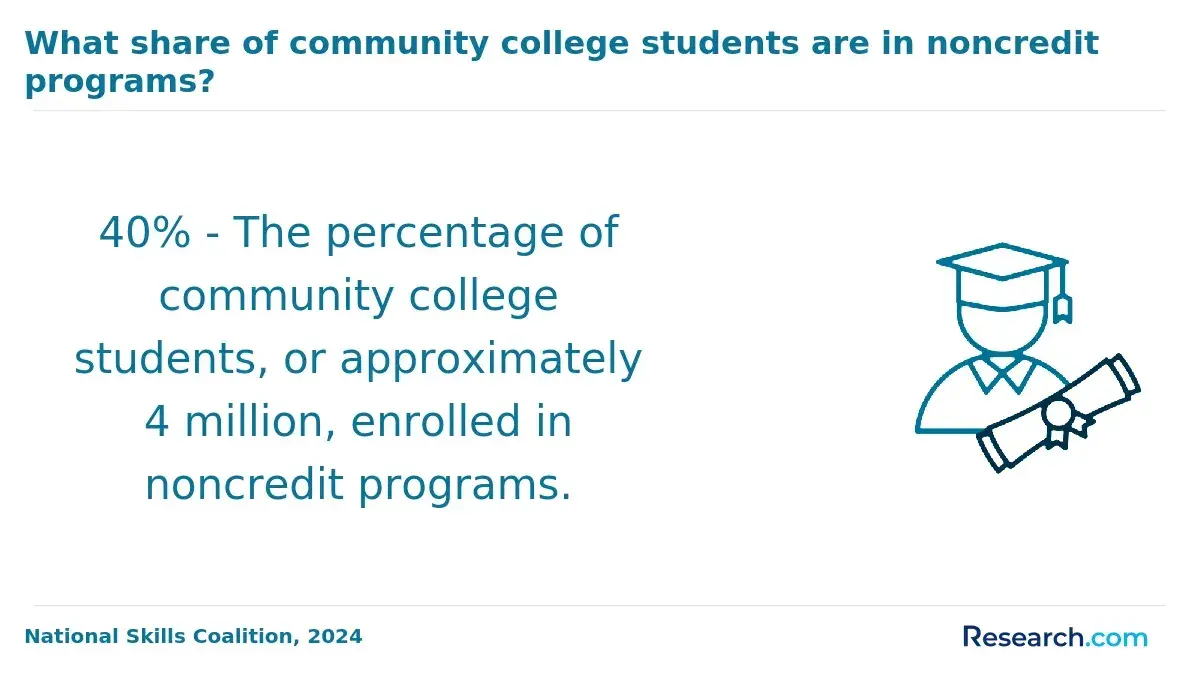
Are there specializations available in the shortest online pediatric nurse practitioner master's programs?
Accelerated online pediatric nurse practitioner master's programs often provide fewer specialization options due to their condensed schedules. However, approximately 60% of these programs still incorporate some form of concentration, demonstrating a commitment to focused training even within shortened timeframes. Below are several common specializations available in the shortest programs, typically structured to be completed within 12 to 18 months:
- Primary Care Pediatrics: Emphasizes outpatient services including health promotion and disease prevention for infants and children, balancing clinical exposure with core coursework to prepare students for frontline pediatric care.
- Acute Care Pediatrics: Focuses on managing severe and complex pediatric illnesses in hospital settings, integrating intensive clinical rotations that fit the accelerated timeline.
- Neonatal Care: Dedicated to caring for newborns, particularly premature or critically ill infants, with specialized training designed to meet tight program schedules while maintaining rigorous standards.
- Psychiatric-Mental Health Pediatrics: Concentrates on recognizing and treating mental health and behavioral challenges in children and adolescents, blending theory and practical experiences efficiently within a shortened curriculum.
These focused tracks maintain a strong clinical emphasis and are carefully designed so students can acquire specialized skills without extending program length significantly.
Speaking with a graduate from an accelerated online pediatric nurse practitioner master's program revealed the realities behind choosing a specialization in a fast-paced setting. He shared, "Juggling clinical hours alongside fast-moving coursework felt intense, especially when trying to dive deeply into a chosen concentration."
He noted that program advisors played a key role by helping tailor his clinical experiences to align with his interests while maintaining the accelerated pace. "It wasn't easy fitting everything in," he reflected, "but the program's structure pushed me to develop focused expertise quickly, which was crucial for my career goals." This firsthand perspective highlights how these accelerated options strike a balance between comprehensive education and practical specialization demands.
Accelerated programs in pediatric nurse practitioner master's degrees organize coursework to enable students to finish within 12 to 18 months, typically spanning three to four academic terms. Students usually take two to three courses each term to keep an intensive yet manageable pace.
Below are key elements of the curriculum designed to support this fast-track structure:
- Core Courses: These focus on essential topics such as advanced pediatric health assessment, pharmacology, pathophysiology, and clinical management of common pediatric conditions. Core classes build the clinical and theoretical foundation needed for advanced practice.
- Electives: Limited in number to maintain the program's short duration, electives allow students to pursue specific interests like adolescent health or pediatric mental health, adding relevant specialized knowledge.
- Capstone Project or Clinical Practicum: Hands-on experience is emphasized through a clinical practicum or capstone, often integrated alongside coursework to foster simultaneous development of practical skills and theoretical understanding.
- Term Sequencing: Terms are arranged consecutively without breaks, promoting continuous enrollment. Early clinical placements, sometimes starting in the first term, help students gain real-world experience quickly.
According to a 2023 survey, about 60% of these accelerated programs require completing 36 to 42 credit hours over consecutive terms, reinforcing the focused approach that balances a condensed timeline with educational rigor.
Accelerated online pediatric nurse practitioner master's programs generally cost between $30,000 and $50,000 in total tuition, offering a more affordable and time-efficient alternative to traditional three-year programs. On average, total tuition for these fast-track online graduate programs is about $40,000.
This cost efficiency appeals especially to working professionals seeking the shortest online pediatric nurse practitioner master's programs while balancing both financial and time commitments. Below are key cost components to consider:
- Average Total Tuition: This reflects the full tuition required to complete the program. Accelerated degrees often have lower overall tuition because of the condensed timeframe, despite the intensity.
- Tuition Per Term: Typically, accelerated programs charge more per semester or term to account for the heavier course load, which may affect budgeting on a short-term basis.
- Additional Program Fees: Supplementary expenses such as technology fees, clinical placements, and lab costs can increase the total price, so students must include these when assessing expenses.
Students comparing cost structures should examine the detailed fees and course pacing to make informed decisions. For those interested in foundational coursework, exploring the cheapest online nursing prerequisites can also help reduce upfront expenses as part of their journey toward pediatric nurse practitioner licensure.
Tuition policies for online programs often differ significantly from those of traditional on-campus degrees. Many accelerated online pediatric nurse practitioner master's programs adopt a uniform pricing model, charging the same tuition regardless of students' residency.
In fact, the National Center for Education Statistics reports that about 60% of online graduate programs nationwide maintain tuition parity for in-state and out-of-state learners. Below are key factors that influence tuition and related costs in these programs:
- Tuition Parity: A large number of online options use a flat tuition rate for all enrollees, which eliminates additional fees for out-of-state students. This simplifies budgeting and makes financial planning more straightforward for those seeking expedited degree completion.
- Residency Exceptions: Some institutions apply differential tuition based on specific state funding rules or accreditation requirements. Such charges typically affect only certain groups or campuses, not the program as a whole.
- Program-Specific Fees: Costs beyond tuition may arise from clinical placement fees, lab simulations, or required technology. These fees vary and can influence the total expense regardless of where students live.
- Additional Costs: Expenses like textbooks, certification exam fees, and specialized equipment add to the overall financial commitment. These charges do not usually differ between in-state and out-of-state students but are important to consider.
When I spoke with a professional who completed an accelerated online pediatric nurse practitioner master's program, she recalled feeling relieved that tuition was a single rate despite living across state lines. "Knowing upfront that I wouldn't have to worry about out-of-state fees helped me focus on balancing coursework with my job," she said.
She mentioned encountering some unexpected costs related to clinical placement requirements but appreciated the program's transparency on those fees early on. Reflecting on her journey, she emphasized that the consistent tuition model made the financial side less stressful, allowing her to prioritize gaining hands-on experience and completing the program efficiently.
Tuition typically covers the majority of costs in the shortest online pediatric nurse practitioner master's programs, but students should be prepared for several additional fees that can impact the total expense. These extra charges support essential services and resources that facilitate successful program completion.
Below are some of the common additional fees you might encounter in accelerated online pediatric nurse practitioner master's programs.
- Clinical Placement Fee: This fee helps coordinate and supervise practicum hours in healthcare settings, ensuring students gain crucial hands-on experience. While vital, it adds to the overall cost of the program.
- Technology Fee: Covering access to online platforms, learning management systems, and technical support, this often modest fee is expected for students pursuing fully remote education.
- Lab or Simulation Fees: Required if virtual or on-site clinical skill development is part of the program, these fees maintain specialized equipment and software needed for practical training.
- Background Check and Drug Screening Fee: Mandatory for clinical placements, this fee ensures compliance with healthcare regulations and patient safety standards.
- Exam or Certification Preparation Fees: Some schools charge these fees for access to preparatory resources aimed at national pediatric nurse practitioner certification exams, which can be valuable for career advancement and salary potential.
When evaluating additional costs for online pediatric nurse practitioner degrees, it is important to budget accordingly. Opting for the shortest online pediatric nurse practitioner master's program fees can help minimize time and reduce tuition expenses, but factoring in these supplementary fees gives a clearer picture of total financial commitment. For those interested in advancing their career further, exploring options such as an online nursing doctorate may also prove worthwhile.
Financial aid plays a vital role in making accelerated online pediatric nurse practitioner master's programs more accessible by reducing the overall financial burden. Recent studies show that nearly 75% of online graduate students benefit from some form of financial assistance. Below is an overview of key aid options that can help manage costs for these shortest programs.
- Federal Loans: These include subsidized and unsubsidized loans offered by the U.S. Department of Education. They help cover tuition and fees, with flexible repayment plans based on graduates' income, making it easier to handle debt post-completion.
- Scholarships and Grants: Many schools and professional bodies provide merit-based scholarships and need-based grants specifically for pediatric nurse practitioner students. These funds do not require repayment and can significantly lower educational expenses.
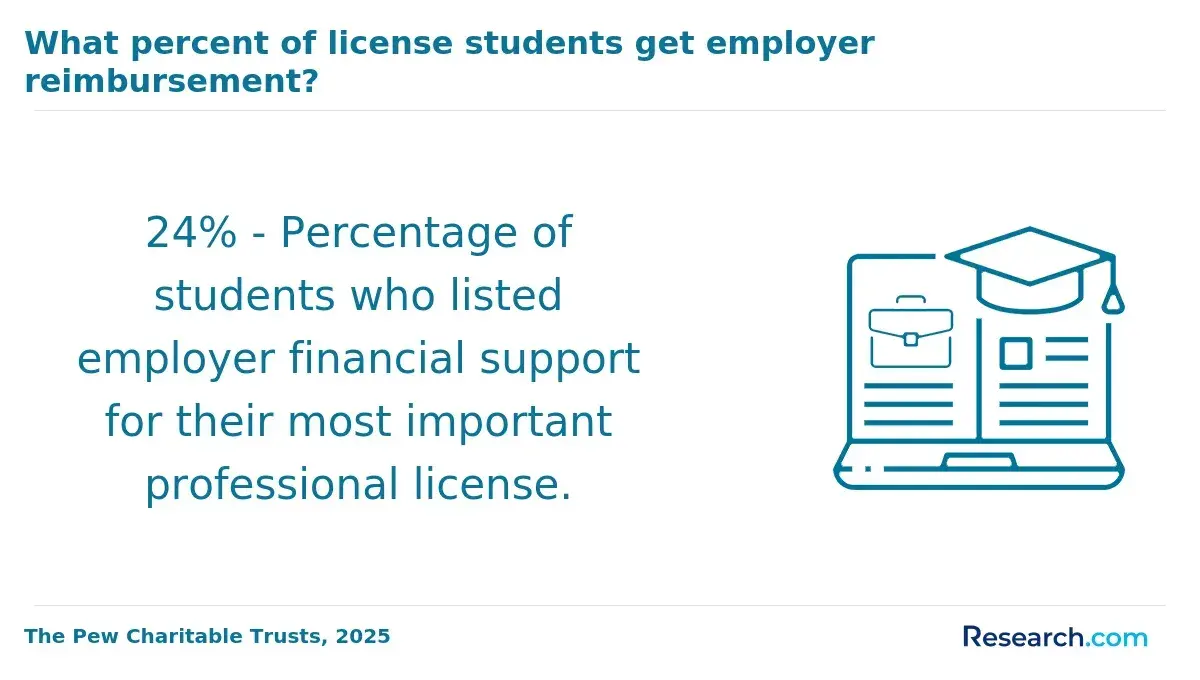
- Employer Tuition Assistance: Healthcare employers often offer tuition reimbursement or financial support programs. This aid reduces out-of-pocket costs while encouraging career growth in healthcare settings.
- Institutional Aid: Universities frequently design their own financial aid packages or payment plans to help students in accelerated programs tackle tuition fees more manageably over time.
Combining multiple financial aid sources allows students to complete their pediatric nurse practitioner master's degrees online in a shorter period with less debt. This strategic use of aid supports both timely graduation and entry into a high-demand healthcare field without the strain of excessive financial obligations.
Earning an online pediatric nurse practitioner master's degree broadens career options and supports professional advancement by equipping graduates with the skills to provide specialized pediatric care. The U.S. Bureau of Labor Statistics projects a 45% growth in nurse practitioner employment from 2021 to 2031, highlighting strong demand for advanced practice nurses with master's degrees.
For those interested in online pediatric nurse practitioner job opportunities in the United States, an accelerated program can help quickly prepare for diverse clinical roles. Here are five common career paths:
- Primary Care Pediatric Nurse Practitioner: These practitioners provide routine checkups, immunizations, and management of chronic conditions for children in outpatient settings such as clinics and private practices.
- Neonatal Nurse Practitioner: Focused on caring for newborns, especially in neonatal intensive care units, addressing critical and complex conditions in early life.
- School Health Nurse Practitioner: Delivering health services and preventive care within schools to promote student wellness and manage chronic health needs.
- Pediatric Acute Care Nurse Practitioner: Managing acute and complex pediatric cases in hospital environments, including emergency and specialty care units.
- Child and Adolescent Mental Health Nurse Practitioner: Assessing and treating behavioral and mental health issues in children and adolescents, providing vital psychological support in clinical settings.
Career paths for pediatric nurse practitioners with master's degrees often come with increased responsibility and higher salary potential compared to registered nurses. Because many professionals balance work and study, online programs are an efficient way to minimize time to completion and tuition costs while advancing into these specialized roles.
For those seeking the shortest online pediatric nurse practitioner master's programs, resources like the fast track bachelor's degree online can provide valuable guidance on accelerated degree options.
Earning an accelerated online master's degree in pediatric nurse practitioner can shorten the time to workforce entry, allowing graduates to begin earning sooner and potentially enhance their long-term income. In 2023, the U.S. Bureau of Labor Statistics reported a median annual wage of about $120,680 for nurse practitioners, including those specializing in pediatrics. Several important factors shape salary outcomes for graduates of these fast-track programs:
- Experience and Clinical Expertise: Greater years in practice, especially within pediatrics, typically lead to higher salaries as skills and knowledge deepen.
- Geographic Location: Earnings vary significantly by region, with urban areas and states with a higher cost of living often offering superior compensation.
- Employer Type: Institutions such as hospitals, private clinics, and specialty practices offer different pay scales and may provide bonuses or other financial incentives.
- Certifications and Specializations: Additional credentials beyond the master's degree can substantially increase earning potential by demonstrating advanced expertise.
- Shift Differentials and Overtime: Working evenings, nights, or extra hours can boost total income beyond base salary levels.
Accelerated online programs can thus support not only faster entry into the profession but also favorable salary prospects by reducing educational costs and debt burden.
What Graduates Say About the Shortest Online Pediatric Nurse Practitioner Degree Master's Programs That Pay Well
- Laurie: "Completing the online pediatric nurse practitioner master's degree in under two years really made a difference for me financially. The shorter program duration helped keep tuition costs manageable, allowing me to start working as a specialist sooner. Since graduating, I've seen a notable increase in salary, which makes the investment feel worthwhile and motivates me to keep advancing in my career."
- Margot: "I chose one of the most affordable Pediatric Nurse Practitioner master's programs available online, and the reduced duration was a key factor in minimizing my overall expenses. Reflecting back, the efficiency of the curriculum allowed me to enter the workforce more quickly, accelerating my earning potential. This combination of cost-effectiveness and career impact has been vital in shaping my professional path and financial stability."
- Kimberley: "The rigorous pace of the shortest online pediatric nurse practitioner master's degree was intense but rewarding. Although the upfront cost was slightly higher, the fact that I graduated faster meant starting my high-paying role much earlier. The salary outlook in this specialty made the condensed program an excellent investment toward achieving my long-term goals."
Other Things You Should Know About Pediatric Nurse Practitioner Degrees
Prerequisite courses for enrolling include advanced physiology, health assessment, and pharmacology. Prospective students typically need a Bachelor of Science in Nursing (BSN) and an active RN license before applying to these programs in 2027.
Graduates from accredited online pediatric nurse practitioner master's programs are eligible to sit for the same national certification exams as traditional program graduates. Certification bodies recognize online education as long as clinical and academic standards are met. This ensures equal professional standing and licensure opportunities.
Most pediatric nurse practitioner master’s programs require at least 500 supervised clinical hours, and some include 600 or more. These hours must be completed in approved pediatric settings under qualified preceptors, because national certification eligibility depends on documented graduate-level clinical practice.
- Top Online Pediatric Nurse Practitioner Programs https://nurse.org/education/online-pediatric-np-programs/
- Most Affordable Online NP Programs (2026): Comprehensive https://www.npschools.com/rankings/all-affordable-online-np-programs
- Most Affordable Online NP Programs for 2025–2026 - Nurse Practitioner Degrees https://npdegrees.org/degrees/most-affordable-np-programs/
- 2026 Best Online Pediatric Nurse Practitioner Post-Master's Certificate Programs | NursePractitionerOnline.com https://www.nursepractitioneronline.com/programs/pnp/post-masters/
- 1-Year Nurse Practitioner Programs Online: Top Schools & More https://www.edumed.org/online-schools/nurse-practitioner-programs/1-year/
- Pediatric Acute Care Nurse Practitioner Certificate (Post Master's) https://academicpartnerships.uta.edu/healthcare-nursing-online-programs/certificates/pediatric-acute-care-practitioner/
- Pediatric Nurse Practitioner-Primary Care https://online.missouri.edu/degrees-programs/mu/nursing/pediatric-nurse-practitioner-primary-care/ms
- MSN Pediatric Nurse Practitioner Cost Information https://www.cedarville.edu/admissions/graduate/graduate-costs/msn-pnp-costs
- Online Pediatric Nurse Practitioner (PNP) Programs | Maryville University https://nursing.maryville.edu/concentrations/pediatric-nurse-practitioner-online-program
- Master of Science in Nursing: Pediatric Nurse Practitioner (MSN) | Houston Christian University https://hc.edu/online-learning/degrees/msn-pediatric-nurse-practitioner/