2027 Best Online Majors With Career Coaching

Co-Founder and Chief Data Scientist
Choosing an online major is hard enough without wondering whether anyone will help you turn the degree into a job search. Career coaching can provide that bridge, but access and services vary by school and degree level. The stakes are real: the U.S. Bureau of Labor Statistics (BLS) projects 33% employment growth for information security analysts from 2023 to 2033, yet a technology degree alone does not secure one of those jobs.
This guide compares majors by career goal, explains what coaching should include, and shows you what to verify before enrolling.
Key Things You Should Know
- Best overall fit: Choose the major for your target occupation first, then verify that career coaching is available to students in that specific online program.
- Check the pathway: Nursing, teaching, social work, and some counseling careers require state-specific preparation or licensure beyond online coursework.
- Use labor data carefully: BLS projects 33% growth for information security analysts from 2023 to 2033, but that occupational forecast is not a placement rate for IT graduates.
Top 10 Best Online Majors With Career Coaching
Business Programs
Online business majors, including bachelor's degrees and MBAs, suit students considering operations, finance, marketing, or management. Career coaching is most useful when it includes industry-specific résumé feedback, interview practice, and introductions to internships or recruiters. Compare the credential with your experience: an MBA may support advancement, while a bachelor's degree may be the more appropriate entry route. Neither guarantees a management position. Ask whether online students and, for an MBA, graduate students can book individual appointments.
Healthcare Programs
Healthcare administration and public health majors can lead toward nonclinical work in healthcare organizations. A coach with healthcare-sector knowledge can help students identify suitable internships and translate experience into applications. Compare administration, which emphasizes operations, with public health, which emphasizes population health and programs. Do not confuse either degree with a clinical license. Ask whether required fieldwork can be arranged near home and whether career support covers the employers and roles you are targeting.
Information Technology Programs
Online IT majors often cover networks, systems, cloud services, or cybersecurity. They fit students who want applied technical work and can build evidence of their skills. Valuable coaching includes project-portfolio reviews and help targeting internships or entry-level roles, not just access to a job board. An IT degree does not automatically qualify someone for an information security analyst role; employers may also expect relevant experience. Check whether technical labs require scheduled attendance or specialized equipment.
Computer Science Programs
Computer science majors emphasize programming, algorithms, and software design. They are a strong choice for students prepared for substantial coding and mathematics coursework. Look for coaches who can help with technical interviews, project portfolios, and internship applications. Compare the curriculum with IT before applying: computer science is generally more software- and theory-focused. Some online programs require collaborative projects or live sessions, so confirm the schedule rather than assuming the work is self-paced.
Nursing Programs
Online nursing options differ sharply by starting credential: an RN-to-BSN program serves licensed registered nurses, while other pathways may prepare students for initial licensure. Career coaching can help with specialty exploration, interview preparation, and employer research but cannot replace clinical training. Verify the program's admission prerequisites, required local clinical placements, applicable nursing accreditation, and state board eligibility. A program described as online may still require extensive in-person practice.
Psychology Programs
Online psychology majors develop research, writing, and human-behavior skills. Career coaching is especially valuable for distinguishing jobs accessible with a bachelor's degree from licensed psychologist or counselor roles, which generally require graduate education and additional credentials. Students interested in research should ask about research experience; those considering practice should map the full licensing path before enrolling. A psychology major alone is not a clinical qualification.
Education Programs
Education majors may prepare students for classroom teaching, curriculum work, or other education roles, depending on the credential. A coach can assist with school-district applications and interviews, but teacher preparation also depends on approved coursework, student teaching, examinations, and state requirements. Confirm whether the online program leads to initial licensure in the state where you intend to teach. Online lectures do not eliminate in-person student teaching.
Criminal Justice Programs
Criminal justice majors examine law, corrections, and public safety systems. Career coaching can help students compare civilian agency jobs, nonprofit roles, and sworn positions before tailoring applications. A degree does not bypass agency hiring standards, background checks, or academy training where required. Ask whether internships are available to online students and whether coaches understand the hiring process for your intended role.
Engineering Programs
Online engineering options require close scrutiny: engineering and engineering technology are different degree paths, and hands-on labs may limit fully remote study. Coaching can support project portfolios and employer outreach, but students considering professional engineer licensure should first check program accreditation and state board rules. Confirm where labs occur and whether an online student can complete every required component. Choose the engineering discipline for the work you want, not merely for the delivery format.
Social Work Programs
Online social work majors can prepare students for human-services work; a master of social work may be needed for clinical licensure pathways. Career coaching should address agency placements, professional networking, and the distinction between entry-level and licensed roles. Verify applicable social work accreditation, state licensing requirements, and who arranges field placements near you. A remote classroom does not make supervised field education optional.
What are the best online majors that include career coaching?
The best online major with career coaching is the one that matches your intended occupation and gives you usable coaching as an online student. Business, IT, and computer science offer broad nonlicensed pathways; nursing, education, and social work require more careful checks of practical training and state rules. Coaching is usually a school or program service, not an inherent feature of a major.
This comparison shows where coaching can add the most value. It is a guide to choosing a field, not a ranking of schools or a claim that every online program provides these services.
| Major family | Good fit for | Coaching to look for |
| Business | Operations, marketing, or organizational roles | Industry targeting and interview practice |
| IT and computer science | Technical problem-solving | Portfolio feedback and technical interview preparation |
| Healthcare administration | Nonclinical healthcare work | Sector-specific internship and employer guidance |
| Nursing, education, or social work | Practice-focused, potentially licensed roles | Placement guidance and state-specific career planning |
Start with the job you want, then ask each school to confirm—in writing—which coaching appointments, events, and employer resources your exact online degree includes.
How does career coaching support online students' job searches?
Career coaching can make an online job search more focused. A coach may help you identify realistic roles, revise a résumé for a particular industry, practice interviews, and create a plan for networking or internships. The strongest service offers individual feedback and appointments that work across time zones, rather than only recorded workshops or a job board.
Ask when access begins, how often you may meet a coach, whether graduate or part-time students qualify, and whether support continues after graduation. Also ask for outcomes specific to your program and how those outcomes were measured. Access to coaching is useful; it is not evidence of a job-placement guarantee.
Are online majors with career coaching accredited and legitimate?
They can be, but online delivery and career coaching do not establish legitimacy. Check the institution's current accreditation with its recognized accreditor or the U.S. Department of Education. For a regulated profession, separately check relevant programmatic accreditation, state approval, and licensing-board rules; institutional accreditation alone may not satisfy them.
When comparing the best online degrees, verify that the specific major is offered online and that its career services cover your enrollment type. Treat vague accreditation claims, unverified placement promises, or an unwillingness to explain required in-person work as red flags.
Which online majors lead to high-demand careers?
IT and computer science connect to growing technical occupations, while nursing and certain healthcare roles serve continuing workforce needs. For example, BLS projects 33% employment growth for information security analysts from 2023 to 2033. That makes cybersecurity worth investigating, but analyst positions may require experience that a new graduate has not yet gained.
Demand also depends on the occupation, location, and qualifications—not the major's label. If location flexibility matters, compare the best degrees for remote work separately from labor-market growth: a high-demand nursing or teaching role generally involves in-person work. Review entry requirements for actual job postings before selecting courses or a concentration.
What coursework do online majors with career coaching typically include?
Most online majors combine general education or foundational study, major courses, electives, and a culminating project or applied experience. The content differs: business may emphasize accounting and strategy; computer science, programming and algorithms; psychology, statistics and research methods. Graduate programs typically focus more narrowly and may require a capstone, thesis, or practicum.
Career coaching is generally a support service, not a substitute for coursework or supervised practice. Ask to see a degree plan that identifies required labs, internships, clinicals, fieldwork, and live meetings. Then check whether the projects you complete will give you work samples relevant to your target job.
What are the admission requirements for online majors with career coaching?
Bachelor's applicants generally need a high school diploma or equivalent and must meet the institution's admission rules. Master's applicants generally need a bachelor's degree; individual programs may also require prerequisite courses, a minimum GPA, professional experience, a license, or an interview. Nursing and other practice-based programs may have separate selective admissions and placement requirements.
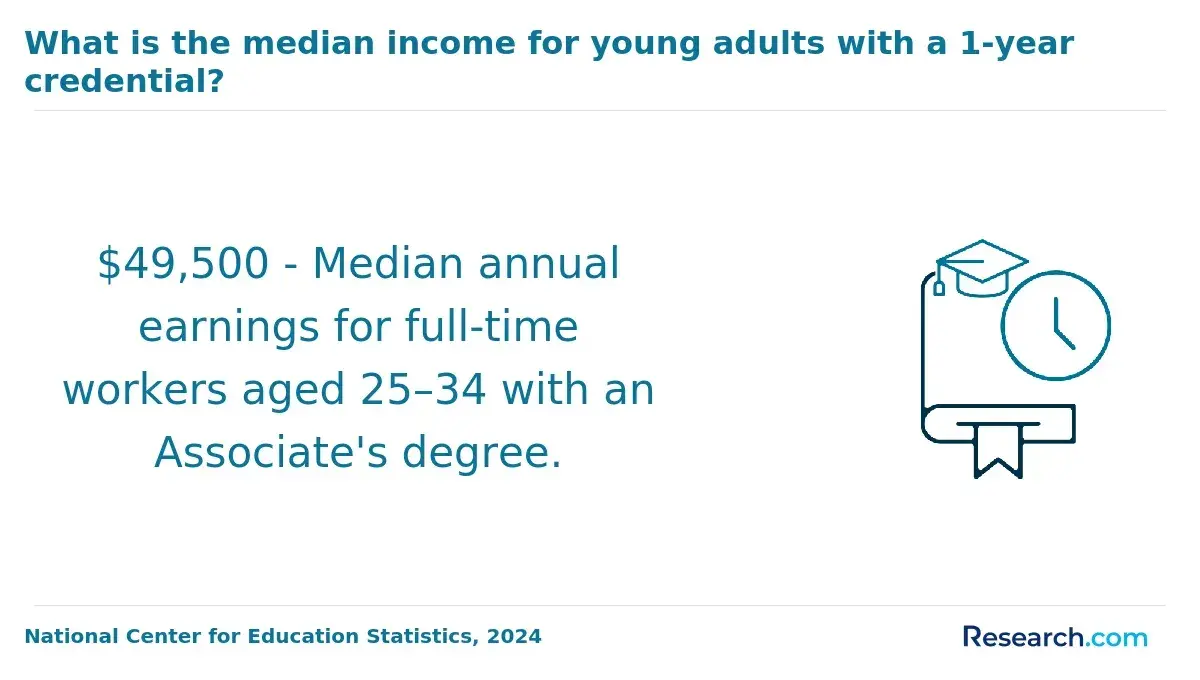
If you are not ready for a bachelor's program, 1 year associate degree programs may offer a different starting point, but confirm both the actual completion schedule and whether credits will apply to your intended bachelor's major. Ask the admissions office to distinguish university admission from admission to the major, and ask career services whether coaching begins before classes start.
How long do online majors with career coaching take to complete?
A bachelor's degree commonly takes about four years of full-time study from the start; a master's degree often takes about one to three years after a bachelor's degree. Those are planning ranges, not promises. Part-time enrollment, prerequisites, course sequencing, and required fieldwork can extend the timeline.
Transfer credit may shorten a bachelor's path only when accepted courses apply to remaining requirements. Ask for a degree audit showing which credits meet general education, major, and elective requirements, plus the credits you must complete at the new institution. For a master's program, confirm separately whether any previous graduate coursework is eligible; undergraduate credits do not automatically transfer into a graduate degree.
What careers, salaries, and job outlooks follow these online majors?
Outcomes vary by role and experience. BLS reports a 2024 median annual wage of $93,600 for registered nurses. That figure describes employed registered nurses across experience levels—not the expected earnings of a new nursing graduate—and entry to practice requires meeting licensing requirements. Likewise, technology graduates may start in support, development, or analyst-track work rather than immediately obtaining a specialized security role.
Work backward from the occupation: check its typical education, experience, and licensing requirements before comparing salary figures with tuition, fees, and time away from work. Psychology is a particularly important distinction: becoming a licensed psychologist typically requires doctoral education and supervised training. Even a list of the easiest PhD to get cannot establish that a doctorate meets a particular state's psychology licensing rules.
How should you compare online majors with career coaching?
Compare majors by career fit first and schools by verified support second. A low tuition quote or a prominent coaching advertisement tells you little about the full cost or the help you can actually use.
Use these checks to narrow your options before paying an application deposit:
- Identify a target occupation and verify its usual entry credential, experience expectations, and any state licensing rules.
- Request the exact online degree plan, including scheduled classes, labs, campus visits, and local placements.
- Confirm coaching eligibility, appointment availability, industry expertise, and access after graduation for your specific program.
- Compare estimated total tuition and mandatory fees, placement-related expenses, available aid, and an evaluation of any proposed transfer credits.
- Ask for program-level outcomes and definitions rather than treating career-service access as proof of employment.
If a school cannot clarify coaching access, total requirements, or licensure eligibility, consider another option—even if its advertised tuition or completion time looks attractive.
Other Things You Should Know About
No. Availability may depend on the institution, degree level, or particular program. Confirm the services and eligibility rules directly with the school.
Some can help you search or prepare applications. Ask whether the school actually arranges placements, whether you must secure one yourself, and who approves the site.
It may be if the coaching is accessible and relevant to your goal. Compare total program cost and the specific services offered; coaching does not guarantee employment.
Often not. Nursing, teaching, and social work pathways can require in-person clinical work, student teaching, or field placements even when academic courses are online.
References
- Projected openings in occupations that require a college degree: Career Outlook: U.S. Bureau of Labor Statistics https://www.bls.gov/careeroutlook/2021/article/projected-openings-college-degree.htm
- Licensure Programs - Office of Institutional Effectiveness https://institutionaleffectiveness.louisiana.edu/accreditation/licensure-programs
- Career Coaching - Campus Life | About the University of Cincinnati https://www.uc.edu/campus-life/career-co-op-support/explore-careers/career-coaching.html
- The Major Payoff: Evaluating Earnings and Employment Outcomes Across Bachelor's Degrees - CEW Georgetown https://cew.georgetown.edu/cew-reports/major-payoff/
- Career Services, Career-Focused Programs | SNHU https://www.snhu.edu/student-experience/career
- Transfer Credit FAQ - KU Registrar's Office https://registrar.ku.edu/transfer-credit-faq
- Accreditation and License Eligibility | tcnj.edu https://onlinecounselored.tcnj.edu/about/accreditation-and-licensure/
- Parent Intro to U Career Success - The University of Utah https://careers.utah.edu/parent-intro-to-u-career-success/
- Programs Leading to Licensure | txst.edu https://www.distancelearning.txst.edu/about-oxp/state-authorization/professional-licensure-disclosures.html
- Do Colleges Have Career Services? | York College of Pennsylvania https://www.ycp.edu/news/do-colleges-have-career-services