
2027 Best Degrees for In-Demand Careers

Co-Founder and Chief Data Scientist
Which degree is worth the time and cost if your goal is a career with strong demand? The answer depends on the job you want - not just a field's reputation. The U.S. Bureau of Labor Statistics (BLS) reported a $49,500 median annual wage across all occupations in 2024, but pay, hiring prospects, and entry requirements vary widely by role. This guide compares career-relevant degree fields, shows where additional credentials are necessary, and helps you weigh outcomes against cost, flexibility, and fit.
Key Things You Should Know
- For technology careers: Computer science is a direct route to software development; the occupation's 2024 median annual wage was $133,080, according to BLS. A degree alone does not secure the role.
- For growth: BLS projects 34% employment growth for data scientists from 2024 to 2034, but these jobs typically require substantial mathematics, statistics, and programming skills.
- For a defined clinical pathway: Nursing degrees can prepare students for registered nurse licensure; the occupation's 2024 median annual wage was $93,600. Graduation must be followed by the required examination and state licensing process.
Top 10 Best Degrees for In-Demand Careers
Business Programs
A bachelor's degree in accounting, finance, or supply chain management offers more targeted preparation than a general business degree when you already know the function you want. An MBA or specialized master's can support advancement or a career change, but management jobs commonly require experience as well as education. Accounting candidates should check their state's CPA education rules before choosing courses. Compare programs by internships, quantitative coursework, recruiting access, and total cost - not a promised management salary.
Healthcare Programs
Healthcare administration, public health, health information management, and allied health lead to different work. A master of public health may suit population-health roles, while a master's in healthcare administration often targets experienced professionals seeking operational responsibilities. Clinical jobs require their own approved training and, often, licensure; a healthcare management degree does not substitute for it. Choose a program based on the specific role, its required credential, and whether fieldwork or employer experience is expected.
Information Technology Programs
IT degrees commonly cover networks, cloud systems, cybersecurity, and technical support. A master's in cybersecurity or information systems may help professionals specialize, but entry-level applicants may gain more immediate value from a bachelor's degree, relevant certifications, and hands-on projects. Security roles often expect prior IT experience. Compare programs' labs, industry-relevant tools, and internship opportunities; an "online" label does not show whether lab work is flexible or scheduled.
Computer Science Programs
Computer science emphasizes programming, algorithms, data structures, and software design. A bachelor's degree is a common route into software development; a master's can deepen preparation for specialized work but is not generally required for entry-level development. Employers may assess coding ability and projects alongside credentials. Choose this path if you enjoy building and testing software; consider IT instead if your interests center on operating and securing systems.
Nursing Programs
Associate and bachelor's nursing programs can provide routes toward registered nurse licensure when they meet applicable approval requirements. A BSN may offer broader preparation for roles or further study, while an RN-to-BSN program serves already licensed nurses. Advanced practice nursing generally requires graduate education, national certification, and state authorization. Before enrolling, verify nursing program approval, clinical placement arrangements, and eligibility for licensure in the state where you intend to work.
Psychology Programs
A bachelor's in psychology builds research and behavioral-science skills but does not qualify graduates to practice independently as psychologists. A master's may support particular counseling pathways, depending on the degree and state; psychologist licensure generally requires doctoral education and supervised training. If your goal is therapy, compare counseling, social work, and psychology programs against your state's licensing rules before committing. If your goal is research or analytics, prioritize statistics and research experience.
Education Programs
Teacher-preparation bachelor's degrees and qualifying graduate pathways can lead toward classroom licensure, subject to state rules, examinations, and supervised student teaching. A master's in education may instead focus on curriculum or leadership and may not provide initial licensure. Ask whether the specific program is approved for your intended teaching field and state. For working adults, student-teaching hours and placement location can matter more than whether lectures are online.
Criminal Justice Programs
Criminal justice degrees examine law, courts, corrections, and public safety, but many policing and corrections jobs have agency-specific hiring and academy requirements. A master's may suit experienced professionals pursuing policy or administration; it is not a universal prerequisite for promotion. For forensic laboratory work, a natural-science degree may be a better match. Check actual job postings and agency standards before assuming a criminal justice credential is required.
Engineering Programs
Engineering bachelor's degrees prepare students for design and technical problem-solving in disciplines such as civil, electrical, and mechanical engineering. A specialized master's can support advanced technical work, but the right undergraduate foundation matters. If professional engineer licensure is a goal, examine program accreditation and your state board's education, examination, and experience rules. Laboratory access, internships, and the discipline's local job market are useful comparisons; not every engineering role requires a license.
Social Work Programs
A bachelor of social work can prepare graduates for entry-level social service work, while a master of social work is a common educational route toward clinical social work. Clinical practice also requires state licensure and supervised experience. Some MSW programs offer advanced standing to applicants with an eligible BSW; that shorter route is not available to every bachelor's graduate. Check accreditation, field-placement support, and your state's licensing requirements before choosing a program.
What degrees lead to the most in-demand careers?
The strongest degree choice is the one that matches a specific occupation's entry requirements and the work you want to do. Nursing and teaching offer comparatively defined licensing routes; computer science and IT offer multiple technical roles but put greater weight on demonstrable skills. Business is versatile but often needs a chosen specialty, while psychology and social work require careful planning if independent clinical practice is the goal.
This comparison highlights the main decision behind several popular paths. It is a starting point, not a ranking of every job available to graduates.
| Career goal | Degree path to consider | Requirement or trade-off to check |
| Develop software | Computer science bachelor's | Build a portfolio and seek practical experience |
| Practice as a registered nurse | Approved associate or bachelor's nursing program | Clinical training, examination, and state licensure |
| Teach in public schools | State-approved teacher-preparation pathway | Student teaching and state certification |
| Provide clinical social work services | Eligible MSW pathway | Supervised practice and state licensure |
Which careers offer the strongest salary and job-growth potential?
High occupational pay and fast growth are different advantages. BLS reports a 2024 median annual wage of $133,080 for software developers, making the role worth examining for students who enjoy programming. BLS also projects strong growth for data scientists, but the occupation calls for quantitative preparation that a general technology degree may not provide. Registered nursing offers a more clearly specified education-to-licensure route, though clinical work and shift schedules may not suit everyone.
These are occupational figures and projections, not earnings estimates for graduates of a particular school. Compare the work itself, local openings, experience requirements, and the full cost of reaching the role before treating a high median wage as a return-on-investment forecast.
What education and training pathways lead to high-demand careers?
High-demand careers do not all start with a four-year degree. A qualified associate nursing program can be a route toward RN licensure; a bachelor's is a common route into software development or engineering; and clinical social work generally requires an MSW plus supervised practice and licensure. Certificates, apprenticeships, and employer training may be better starting points for some technical roles, but they do not replace a required professional degree.
If you already have college credit, ask how it applies to the specific credential rather than assuming it will shorten every requirement. An accelerated associate degree may be worth exploring for an appropriate entry-level goal, but advertised timelines can depend on accepted transfer credit and may not fit programs with fixed clinical sequences.
Are online degrees as effective as campus-based programs?
An online degree can be effective when its curriculum, accreditation, practical training, and career relevance match your goal. Delivery format alone says little about those factors. Online computer science or business coursework may be easier to fit around work than nursing clinicals, engineering labs, or teacher preparation, which can require in-person activities even when lectures are online.
If scheduling is your main concern, distinguish asynchronous classes from scheduled live meetings and fixed deadlines. Online college classes at your own pace are another format to investigate, but verify course availability, assessment rules, and any required placements before enrolling.
What coursework do in-demand degree programs typically include?
Career-focused coursework should develop the skills the target role actually uses. Computer science commonly includes programming, algorithms, and mathematics; nursing combines science courses with supervised clinical learning; education adds teaching methods and student teaching. Business programs may emphasize accounting, operations, and analytics, while social work programs include practice methods and field education.
Look beyond course titles. Ask whether required electives let you build a relevant specialty and whether a portfolio, capstone, internship, lab, or practicum gives you evidence of your abilities. A research-focused program can be valuable, but it may be a poor substitute for a practice-oriented program required for licensure.
What are the admission requirements for career-focused degree programs?
Undergraduate applicants generally need a high school credential or its equivalent; transfer and graduate applicants must also document prior college study. Selective programs may require prerequisites, a minimum GPA, interviews, background checks, or professional experience. Nursing admission, for example, can be separate from admission to the college. Graduate requirements likewise vary: an MBA may value work experience, while an advanced-standing MSW generally requires an eligible BSW.
If your academic record is a concern, online graduate schools with low GPA requirements can provide leads to investigate. Confirm the published policy for your specific program, along with any prerequisite or conditional-admission rules; an institution's general policy may not apply to a selective degree.
How long do in-demand degree programs take and what do they cost?
Completion time depends on the credential, prior coursework, enrollment pace, and required experiences. A bachelor's commonly involves more study than an associate degree; a master's follows undergraduate preparation; clinical placements, student teaching, and sequenced courses can extend either pathway. Transfer credit saves time only when accepted courses satisfy remaining degree requirements.
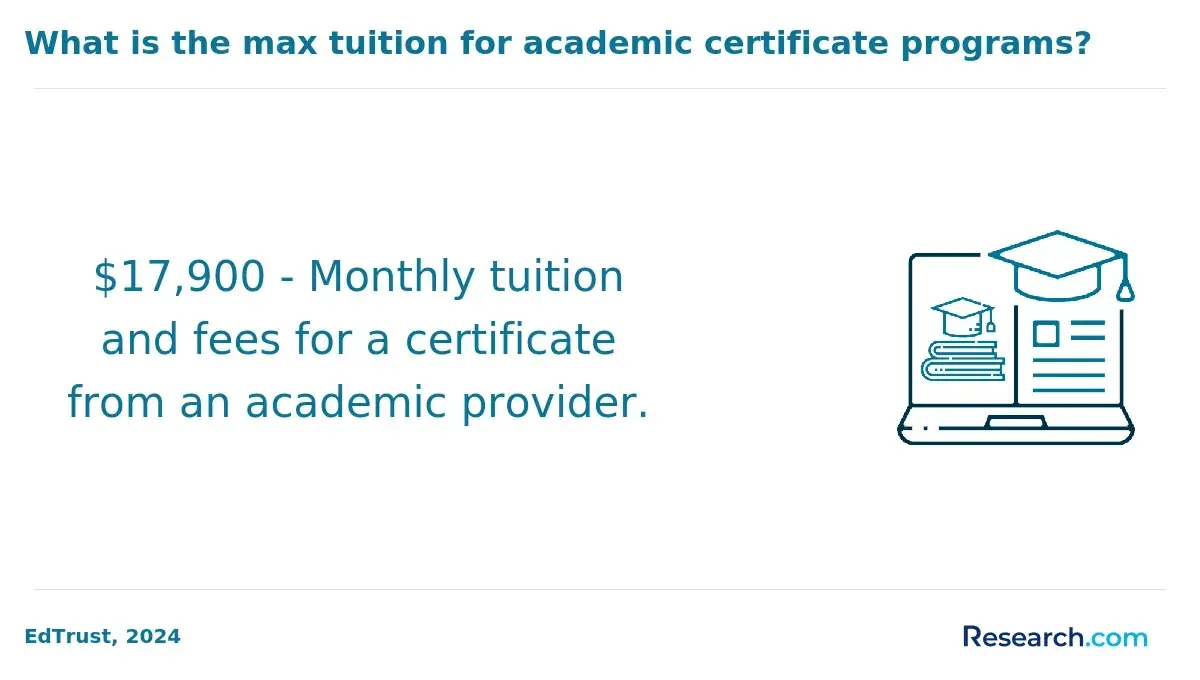
For cost, compare the estimated total to completion: tuition, mandatory and program fees, books, equipment, travel to placements, and any earnings you would give up. Request a personalized aid estimate, not just a per-credit price. Eligible students comparing colleges online that accept FAFSA should still verify the school's aid eligibility, their program's eligibility, and the remaining cost after grants or other assistance.
Which careers require professional licenses or certifications?
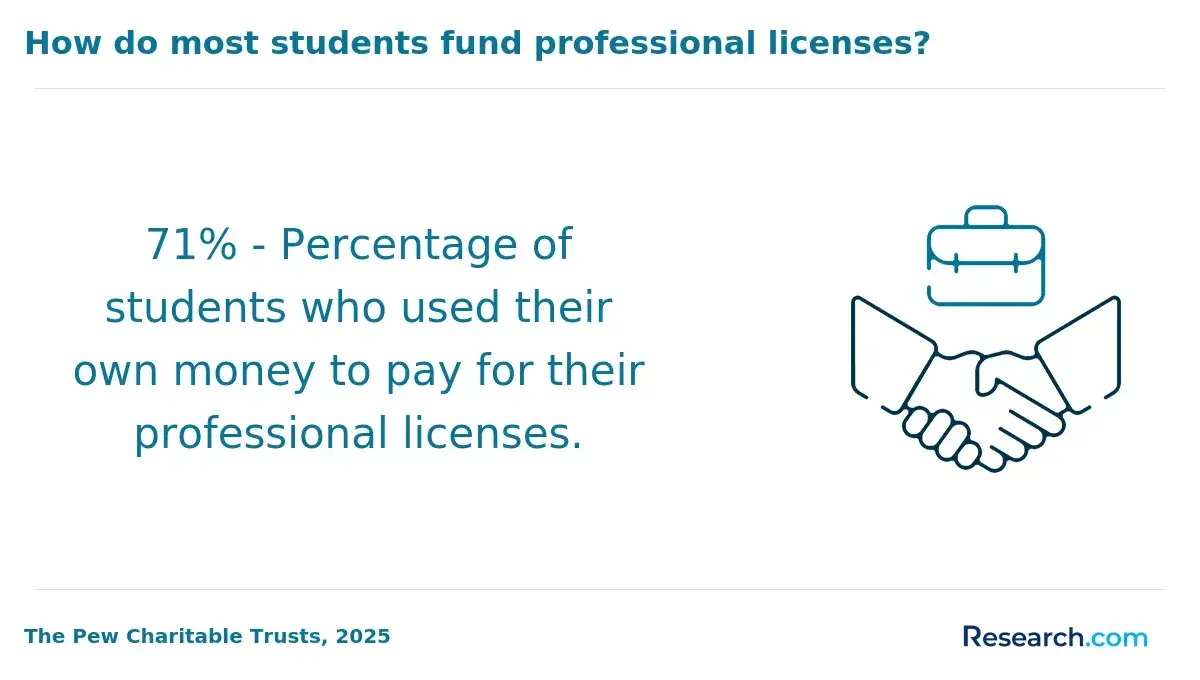
Licenses are legal requirements for particular kinds of practice; certifications may be required by an employer, a credentialing pathway, or both. Registered nurses, public-school teachers, clinical social workers, and many counselors must satisfy applicable state requirements beyond earning a degree. Professional engineer licensure matters for certain engineering responsibilities, while many engineering jobs do not require it.
In IT, industry certifications can demonstrate specific skills but do not automatically substitute for experience or a degree an employer requires. Before enrolling in a licensure-oriented program, check the relevant state board's rules and ask the school whether its specific program satisfies the educational requirements in the state where you plan to work.
How can you choose an accredited program that supports your career goals?
Start with the occupation, then work backward to the credential and program. Institutional accreditation matters for aid eligibility and recognition of coursework; programmatic approval or accreditation can also matter for licensure in fields such as nursing, engineering, education, and social work. Verify current status with the accreditor or licensing authority rather than relying only on promotional language.
Use the following checks to turn a shortlist into a decision:
- Identify the entry-level job you want and confirm its typical education, experience, and licensing requirements.
- Check each program's accreditation or approval, required courses, placements, and eligibility rules for your intended state.
- Request a written degree audit or transfer evaluation and a total-cost estimate that includes fees and required in-person work.
- Compare scheduling, career support, and available outcomes evidence without treating a high occupational median wage as a graduate salary promise.
Two costly mistakes are choosing a program solely for its low tuition and assuming that any online degree qualifies you for a licensed role. A program that fits your budget but not your occupation's requirements is unlikely to be the better value.
Other Things You Should Know About
There is no single best degree. Choose a field after identifying a job you would want, checking its entry requirements, and comparing the cost and practical training of qualifying programs.
Often not. Many software development, engineering, and registered nursing pathways begin with an undergraduate credential. Some specialized or licensed roles require graduate education and additional training.
Computer science is usually the closer fit for software development; IT is often the closer fit for networks, systems, and technical operations. Compare actual curricula and jobs rather than relying on the degree name alone.
No. Hiring also depends on skills, experience, location, and employer needs. Licensure-oriented degrees additionally require you to complete the applicable examination and state approval steps.
References
- Fast Facts: Tuition costs of colleges and universities (76) | ed.gov https://nces.ed.gov/fastfacts/display.asp
- Fastest Growing Occupations | bls.gov https://www.bls.gov/ooh/fastest-growing.htm
- Professional Licensure | U.S. Department of Education http://www.ed.gov/about/initiatives/international-affairs/professional-licensure
- The fastest growing jobs require a college degree - or more | Jed Kolko https://jedkolko.com/2024/09/03/the-fastest-growing-jobs-require-a-college-degree-or-more/
- Fastest Growing Careers | careeronestop.org https://www.careeronestop.org/Toolkit/Careers/fastest-growing-careers.aspx


