2027 Best Majors With Year-Round Enrollment

Co-Founder and Chief Data Scientist
Waiting for a fall start can be frustrating when you are ready to study now—but a program that admits students year-round may still offer required courses only once a year. This guide compares popular majors through a master's-degree lens while explaining how continuous enrollment works at other levels. It is for working adults, career changers, and anyone weighing flexibility against career requirements. The stakes are real: the U.S. Bureau of Labor Statistics reported a 2024 median annual wage of $133,080 for software developers, an occupation with multiple entry paths. You'll learn which questions reveal whether a flexible program actually fits your goal.
Key Things You Should Know
- Year-round enrollment may mean multiple admission dates, summer courses, or both; none alone guarantees that every required course is always available.
- For career comparisons, distinguish occupational pay from graduate outcomes: the Bureau of Labor Statistics reported a 2024 median annual wage of $93,600 for registered nurses, a role that does not generally require a master's degree.
- Business and computing may offer more location flexibility; nursing, social work, education, and some engineering pathways can require supervised or in-person work regardless of when classes begin.
Top 10 Best Majors With Year-Round Enrollment
Business Programs
An MBA or specialized master's in accounting, finance, or analytics can suit professionals seeking advancement without waiting for a traditional fall cohort. Online courses and multiple starts can help, but group projects and scheduled discussions may constrain evenings. Check whether foundational courses add time, whether electives run throughout the year, and whether an employer will help pay. Choose a specialized degree for a defined skill gap; an MBA may fit broader management goals. Neither degree guarantees a promotion, and accounting licensure has separate state requirements.
Healthcare Programs
Master's programs in public health, health administration, and health informatics can accommodate applicants from different backgrounds, though prerequisites vary. Public health may include applied practice; health administration may emphasize leadership experience; informatics often combines clinical workflows and data systems. Frequent starts are useful for employed professionals, but confirm when concentrations, practica, and capstones are offered. These degrees support distinct roles and should not be mistaken for clinical qualifications. If your goal is patient care, check the occupation's licensing route before choosing a broadly titled healthcare program.
Information Technology Programs
A master's in information technology, cybersecurity, or information systems often emphasizes applied systems, security, and organizational needs. It can appeal to working technologists who want to specialize, although a certificate or industry certification may be a smaller first step. Multiple online start dates are valuable only if security labs, advanced courses, and capstones remain available on your schedule. Ask whether prior technical coursework is required and whether the curriculum includes current tools, practical projects, and opportunities to demonstrate your skills.
Computer Science Programs
Computer science master's degrees generally go deeper into algorithms, software, and computing theory than broad IT programs. They can fit developers pursuing advanced technical work or career changers prepared to complete prerequisites. A program may admit students several times a year yet sequence advanced electives or a thesis less frequently. Compare prerequisite costs, thesis versus project options, and access to computing resources. Applicants seeking a quick introduction to coding may find a focused certificate more appropriate than a graduate degree.
Nursing Programs
Master of Science in Nursing programs serve licensed nurses pursuing roles such as educator, administrator, or advanced practice clinician; entry requirements and outcomes differ sharply by track. A year-round online course schedule does not remove clinical hours, preceptors, or state-specific requirements. Check whether the school accepts students in your state, helps arrange placements, and offers the required specialty courses when you need them. An advanced practice track may prepare students for certification and licensure, but earning the degree alone does not confer either credential.
Psychology Programs
A master's in psychology may focus on research, applied behavior, or preparation for further study. It is not interchangeable with a master's in counseling, and a general psychology degree may not meet requirements for clinical licensure. Online classes with recurring starts can help students manage work, but research supervision and specialty course sequencing still matter. Before enrolling, identify the specific job or doctoral pathway you want and ask whether graduates meet the academic requirements for that path in your state.
Education Programs
Master's degrees in curriculum and instruction, educational leadership, and special education serve different career goals. Experienced teachers may value summer and year-round coursework, but a leadership credential or new teaching license can require experience, fieldwork, and state approval. Ask whether the program is intended for already licensed educators or offers an initial licensure route. For working teachers, predictable summer offerings may matter more than frequent admissions dates. Confirm that required observations and practicums fit your school calendar.
Criminal Justice Programs
A master's in criminal justice or criminology may suit professionals interested in policy, analysis, administration, or research. Online delivery and recurring starts can accommodate shift work, but check for scheduled seminars and when required methods courses run. Compare an applied capstone with a thesis if you are considering doctoral study. This degree is not a universal requirement for law enforcement positions, and hiring, promotion, and certification rules vary by agency. Choose it for a specific career or academic purpose, not an assumed salary increase.
Engineering Programs
A Master of Engineering often emphasizes professional practice, while a Master of Science may offer a research or thesis route; individual programs differ. Graduate engineering study usually expects substantial preparation in math and the relevant discipline. Working engineers may find part-time, year-round courses useful, but labs, specialized electives, and employer-supported projects can limit scheduling freedom. Check course rotation before assuming continuous progress. If professional engineer licensure is your goal, review your state board's education and experience rules separately; a master's degree alone is not a license.
Social Work Programs
A Master of Social Work is a practice-oriented route toward many social work roles, but field education requires a substantial, scheduled commitment even when coursework is online. Applicants with an eligible bachelor's in social work may qualify for advanced standing; others generally follow a longer foundation pathway. Confirm program accreditation, field-placement support, and whether your state accepts the program for your intended license. Multiple start dates cannot eliminate supervised practice or licensing examinations, so compare programs using your realistic weekly availability.
What majors offer year-round enrollment for flexible degree completion?
Business, IT, computer science, public health, and some psychology programs are often easier to arrange around a year-round academic calendar than programs with clinical or school placements. Nursing, education, engineering, and social work can also offer recurring coursework, but their hands-on requirements deserve closer scrutiny. At any degree level, "year-round" can describe admissions, summer enrollment, or continuous access to required courses; ask which meaning applies to the specific major.
The comparison below shows the scheduling constraint most likely to affect progress in each broad program family. It describes what to verify, not a promise that every school offers the same format.
| Program family | Potential scheduling advantage | Constraint to verify |
| Business and computing | Coursework may be available online across terms | Advanced electives, projects, and live meetings |
| Healthcare and nursing | Academic courses may offer multiple starts | Clinical or applied-practice placements |
| Education and social work | Summer coursework may suit some schedules | Student teaching, field hours, or supervision |
| Engineering | Part-time study may fit employment | Labs and infrequently offered specialty courses |
For students with relevant experience, the best competency-based colleges can provide another comparison point. Verify whether a particular major and credential are offered, how progress is assessed, and whether any fixed-term requirements remain.
Which year-round majors have the strongest career outlook and salary potential?
Computer science and certain healthcare pathways may offer strong salary potential, but the right comparison is an occupation—not a promised return from a major. Bureau of Labor Statistics median wages include workers with varying experience, credentials, locations, and employers. A software developer may enter without a master's degree; a registered nurse generally enters through an approved nursing education and licensing pathway.
These U.S. occupational figures provide context for two fields discussed above. They are not starting salaries or estimates of what graduates of year-round programs will earn.
| Occupation | 2024 median annual wage | Important qualification |
| Software developer | $133,080 | A computer science master's is not the standard minimum entry requirement |
| Registered nurse | $93,600 | Licensure is required; a master's is not generally required for RN entry |
Use the BLS Occupational Outlook Handbook to check current projections for the exact role you want. Then compare likely tuition, foregone work time, and additional credentials against your present qualifications. Demand for a field does not mean every specialization or local market has the same openings.
Are online year-round degree programs accredited and reputable?
Online and year-round programs can be accredited and reputable, but delivery format and start frequency do not establish quality. Verify the institution's recognized accreditation through the U.S. Department of Education's accreditation database or the accreditor itself. For regulated careers, check the relevant programmatic accreditor and state licensing board as well.
Match the approval to the exact credential and location: an accredited university can offer a program that does not meet a particular state's licensing requirements. A red flag is vague language about "accreditation" without naming the recognized accreditor or clearly explaining clinical, fieldwork, and licensure eligibility.
Which majors are best suited for certificate and degree pathways?
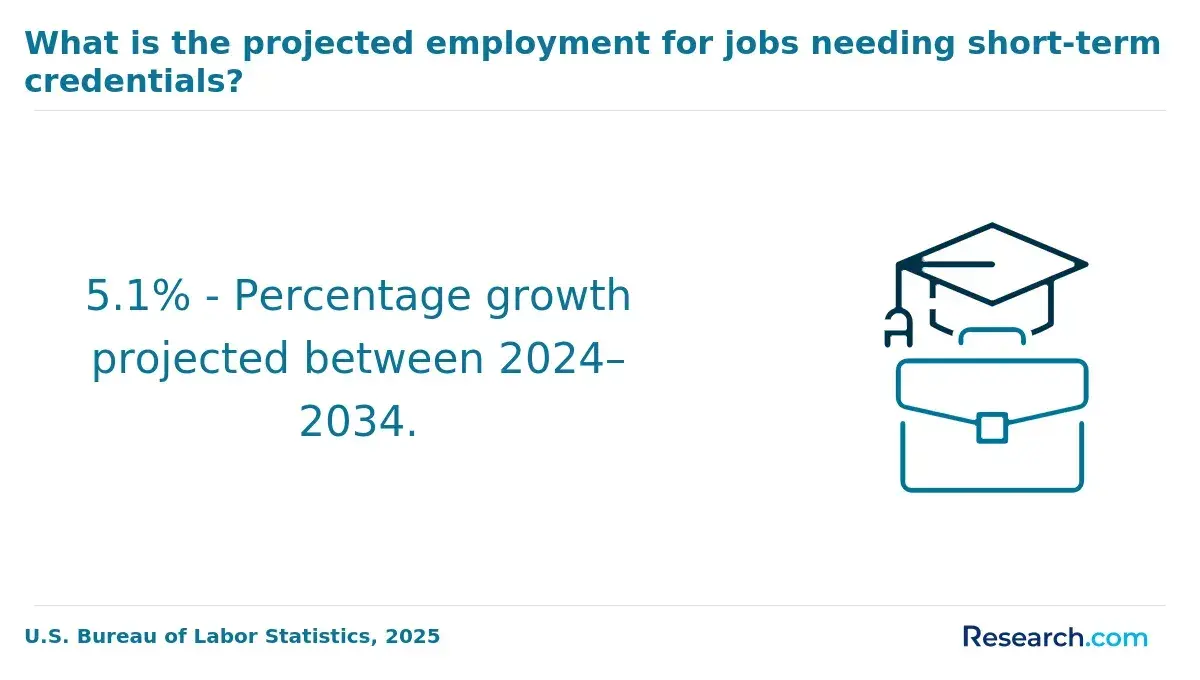
IT, business analytics, and some healthcare informatics fields can be well suited to a certificate-first pathway when a student needs targeted skills rather than another full degree. Ask whether certificate courses will count toward the intended degree; sharing a subject does not mean credits automatically apply. A degree makes more sense when your goal requires broader preparation, an employer specifies it, or you need an approved professional pathway.
Licensure-oriented nursing, education, and social work tracks need particular care. A short certificate may develop skills but cannot replace the approved degree, fieldwork, examinations, or supervised experience required for a specific license. Compare the certificate's standalone value with its verified role in the full pathway before paying for it.
How do online and campus-based year-round programs compare?
Online study can reduce travel and expand access to recurring courses; campus study can make labs, equipment, and face-to-face collaboration easier to arrange. Hybrid programs combine features of both, sometimes with required visits or local placements. None of these formats is automatically self-paced: online courses may still have live sessions and firm weekly deadlines.
If you are new to remote study, taking online classes can help you assess whether the format fits your schedule before a longer commitment. For any program, request a sample weekly timetable and a list of every campus, laboratory, proctored, or field requirement.
What coursework do popular year-round majors typically include?
Coursework varies by degree and specialization. Business students may study finance, strategy, and analytics; computing students may encounter algorithms, databases, or cybersecurity; public health students may study epidemiology and health policy. Education and social work often connect methods courses with supervised practice, while engineering may require specialized design or research.
Look beyond the course titles to the requirements that control your calendar: prerequisite or foundation courses, elective rotations, a thesis or capstone, and any lab, clinical, practicum, or student-teaching sequence. Request a term-by-term plan for your concentration rather than relying on the institution's general academic calendar.
What admission requirements apply to year-round college programs?
For the master's programs compared here, applicants generally need a bachelor's degree, but relevant prerequisites, grades, work experience, and licenses depend on the field and school. Computer science may require programming and math preparation; an MSN track ordinarily requires nursing credentials; advanced-standing MSW admission depends on qualifying prior social work education. General graduate-school admission does not necessarily grant admission to a selective professional program.
Ask admissions to confirm the policy for your exact program and start date, including any test waiver or conditional option. If grades are a concern, information about online schools that accept low GPA scores can help frame your search, but you must verify the graduate program's own standard. Also request a written review of eligible prior coursework; accepted credit may fill an elective without replacing a required core course.
How long do year-round majors take, and what do they cost?
There is no reliable universal completion time or price for a year-round major. A student's remaining courses, pace, prerequisites, course rotation, thesis, and placement availability determine time to completion. Multiple starts may let you begin sooner without shortening the degree. An advanced-standing or bridge timeline applies only if you meet its separate eligibility rules.
To compare costs, obtain a personalized estimate covering remaining credits, tuition, mandatory and program fees, books or equipment, placement-related travel, and any required campus visits. Ask how part-time enrollment and accepted credits affect financial aid and your final bill. Be skeptical of unusually short graduate timelines; even searches for 1 year PhD programs online illustrate why advertised duration needs to be checked against entry qualifications and research requirements. Graduate degrees and doctoral degrees have different requirements.
Which licenses or certifications do year-round majors prepare students for?
Preparation for a credential depends on the specific track and state, not simply the major's name. An approved MSN advanced-practice track may lead toward national certification and state licensure; an MSW can support a social work licensing path; and an education program may be designed for teacher or administrator credentials. Each can involve examinations, supervised experience, or other requirements beyond graduation.
For business and technology, degrees may develop knowledge relevant to professional certifications, but certification bodies set their own eligibility and exam rules. Before enrolling, give the school your intended occupation and state, then confirm the program's accreditation, required placements, and licensing disclosures with the applicable board or certification body.
Other Things You Should Know About
No. A school may offer several starts per year or summer courses without monthly admission. Check the calendar for your specific program.
Possibly, if required courses are available, you can manage the workload, and placements or prerequisites do not delay progress. Request an individual completion plan.
Not necessarily. Online coursework may still include live meetings, campus visits, labs, or in-person fieldwork.
Confirm the next start, required-course rotation, total estimated cost, accreditation, and any state-specific licensing or placement requirements in writing.
References
- Fast Facts: Tuition costs of colleges and universities (76) | ed.gov https://nces.ed.gov/fastfacts/display.asp
- Academic Years, Academic Calendars, Payment Periods, and Disbursements | 2025-2026 Federal Student Aid Handbook https://fsapartners.ed.gov/knowledge-center/fsa-handbook/2025-2026/vol3/ch1-academic-years-academic-calendars-payment-periods-and-disbursements
- Accreditation in the U.S. | ed.gov http://www.ed.gov/laws-and-policy/higher-education-laws-and-policy/college-accreditation/accreditation-in-the-us
- Employment Projections Home Page | bls.gov https://www.bls.gov/emp/
- Can You Mix Online and On-Campus Classes? | Online College | NMSU Global Campus https://global.nmsu.edu/blog/general/mixing-online-and-on-campus-college/
- Application Deadlines and Requirements | cuny.edu https://www.gc.cuny.edu/admissions-aid/how-apply/application-deadlines-and-requirements
- Tuition | MS Software Development & Engineering - Pace Online https://online.pace.edu/graduate-programs/ms-in-software-development-engineering/tuition-financial-aid/
- Online and Hybrid Course Policy | Massachusetts College of Liberal Arts Academic Catalog https://catalog.mcla.edu/undergraduate/academic-policies-and-information/attendance-registration-schedules/online-hybrid-course/
- Application Deadlines & Process | NYU Wagner https://wagner.nyu.edu/admissions/applying
- Choosing between Online, Hybrid, Hyflex | uoregon.edu https://teaching.uoregon.edu/choosing-between-online-hybrid-hyflex