2027 Best Online College Programs That Pay Well

Co-Founder and Chief Data Scientist
A high-paying occupation may be reachable through online study, but the right program depends on more than its degree title. The U.S. Bureau of Labor Statistics (BLS) reports a 2024 median annual wage of $133,080 for software developers - a figure that describes workers in the occupation, not what new graduates will earn.
If you are choosing a first degree, changing careers, or considering graduate study, this guide compares online program families by career fit, required credentials, cost, and hands-on obligations so you can identify a realistic next step.
Key Things You Should Know
- Computer science and information technology offer routes to well-paid technical roles, but a degree alone does not establish the experience needed for every job; the 2024 median wage for information security analysts was $124,910, according to BLS.
- Nursing can lead to advanced clinical work, but online coursework does not replace licensure or supervised training; BLS reports a 2024 median wage of $129,210 for nurse practitioners.
- Compare the credential required for your target role, total program cost, and in-person requirements before treating any occupational salary as a return on tuition.
Top 10 Best Online College Programs That Pay Well
Business Programs
Online MBA, accounting, finance, and business analytics master's programs suit professionals seeking specialized or broader management skills. An MBA often draws on prior work experience; specialized programs may require quantitative foundations. Business coursework can support advancement, but a management title generally depends on experience as well as education. Compare concentrations, employer recognition, total tuition, and whether an internship or live team project fits your schedule. Aspiring CPAs should separately check state education and licensing rules.
Healthcare Programs
Online master's programs in healthcare administration, public health, and health informatics prepare students for different kinds of work. Administration emphasizes operations and finance; informatics connects clinical workflows with data systems; public health focuses on population-level problems. These programs do not generally qualify someone to practice a licensed clinical profession. Prospective students should check experience expectations, internship requirements, and whether the curriculum fits their intended employer or role.
Information Technology Programs
Online master's programs in cybersecurity, information systems, and IT management can help experienced technology workers pursue specialized or leadership responsibilities. Curricula may cover network defense, cloud architecture, governance, and risk. Some programs accept applicants from other fields but require foundation courses. For security roles, employers may also value practical experience and professional certifications; compare hands-on labs and project work rather than assuming the degree alone leads to a senior position.
Computer Science Programs
Online computer science master's programs may emphasize software systems, artificial intelligence, data science, or research. They are strongest fits for applicants prepared for programming and mathematical coursework; career changers may need prerequisites before admission or graduation. A project-based track may suit software practice, while a thesis can better serve research goals. Verify whether required labs, examinations, or team meetings can be completed remotely before enrolling.
Nursing Programs
Online MSN and other graduate nursing pathways commonly require an active RN license and, for some specialties, clinical experience. Nurse practitioner preparation also includes supervised clinical hours and leads toward separate certification and state licensure - not automatic authorization to practice. Students should confirm that a program accepts residents of their state, supports suitable clinical placements, and meets the requirements for their intended specialty. An administration-focused MSN serves a different goal from an advanced-practice track.
Psychology Programs
Online psychology master's programs can support research, behavioral analysis, or preparation for further study. Do not assume a general psychology master's qualifies you to practice independently as a psychologist: that occupation typically requires doctoral education and state licensure. Counseling-oriented programs have distinct curricula and supervised-practice rules. Choose based on the exact occupation you want, then check its state requirements before judging a program by salary potential.
Education Programs
Online master's programs in curriculum and instruction, educational leadership, and special education serve different career goals. Some are designed for licensed teachers seeking advancement; others may offer an initial-licensure route with student teaching. Administrative positions commonly require teaching experience and state credentials. Compare fieldwork, local placement support, and state approval alongside course flexibility, particularly if you plan to work across state lines.
Criminal Justice Programs
Online criminal justice master's programs may focus on policy, investigations, leadership, or data analysis. They can be useful for professionals already working in public safety, but a degree does not replace agency hiring standards, training, or experience. Applicants targeting forensic science or cybersecurity should inspect the technical coursework closely; a broad criminal justice curriculum may not provide the laboratory or computing preparation those roles require.
Engineering Programs
Online engineering master's programs often concentrate on electrical, mechanical, systems, or industrial engineering and may expect an engineering or closely related undergraduate background. Compare laboratory access, simulation tools, project requirements, and the availability of your specialty online. Professional engineering licensure is separate from earning a master's degree and depends on state rules, qualifying education, examinations, and experience. For established engineers, a targeted concentration may be more useful than another broad credential.
Social Work Programs
An online MSW is a professional route toward advanced social work practice, but its field placements take place in person. Advanced-standing options may be available to eligible graduates of accredited BSW programs; they are not a shortcut for applicants without that preparation. Clinical practice requires additional supervised experience and state licensure after graduation. Before applying, verify program accreditation, placement arrangements near you, and eligibility for the state where you intend to practice.
What Are the Best Online College Programs for High-Paying Careers?
The best online program is the one that prepares you for a specific occupation at a manageable cost - not necessarily the field with the highest published wage. These program families illustrate how the required starting credential and career trade-off change the decision.
| Online program family | Potential career direction | Most important qualification check |
| Computer science or IT | Software development or information security | Technical skills, projects, and relevant experience |
| Business or healthcare administration | Operations, analysis, or management | Whether the target role expects prior industry experience |
| Nursing | Registered or advanced-practice nursing | State licensure and supervised clinical requirements |
| Engineering | Specialized design or systems work | Prerequisite engineering preparation and any license needed |
| Education or social work | Licensed practice or leadership | State approval and required in-person placements |
A bachelor's degree can be the appropriate entry credential for software development, engineering, accounting, or registered nursing; a master's makes more sense when it fills a documented specialization or licensing requirement. Readers still choosing an undergraduate field can compare majors that make the most money, then check whether the occupations of interest require more than that major.
How Much Can Graduates Earn From Online College Programs?
BLS median wages describe everyone employed in an occupation, including experienced workers. They are useful for comparing career destinations, but they are not entry-level pay or earnings attributable to an online program. The following U.S. figures are 2024 occupational medians.
| Occupation | Median annual wage | Important pathway distinction |
| Software developer | $133,080 | Demonstrated programming ability matters alongside education. |
| Information security analyst | $124,910 | Related IT experience is often important. |
| Registered nurse | $93,600 | Requires an approved nursing pathway and RN licensure. |
| Nurse practitioner | $129,210 | Requires advanced nursing preparation and additional credentials. |
Use an occupation's wage alongside its entry requirements, local openings, and your likely starting point. A career changer should not compare a program's full cost with the median wage of workers who already have years of experience.
Which Online Programs Have the Strongest Job Outlook?
Strong outlook means projected demand for an occupation, not a promise of employment for each graduate. BLS projects growth in software development and information security, reflecting continued demand for software and protection of digital systems. Healthcare demand also supports opportunities across nursing and health services, although roles differ substantially in preparation and licensing.
Check the BLS outlook for the specific occupation you want rather than applying a growing field's forecast to every related degree. Consider competition for entry-level work, whether local employers hire new graduates, and whether the work can actually be done remotely. AI tools may change tasks in software, analytics, and administration; programs that teach sound fundamentals and practical judgment are more useful than those built around one tool.
What Degrees and Certificates Lead to High-Paying Online Careers?
Certificates can develop a focused skill; associate and bachelor's degrees provide broader preparation; professional master's programs may enable specialization or satisfy a particular advanced-practice pathway. The most valuable credential is the minimum credible one for your target job, unless additional study has a clear advancement purpose.
For example, a cybersecurity certificate may help an IT worker demonstrate a new skill, while it may not substitute for the experience sought in a senior security role. A prospective nurse practitioner needs the appropriate graduate clinical pathway rather than a general healthcare certificate. If a shorter option could meet your goal, compare what certifications can I get online with actual job postings and any licensing rules.
How Can You Verify Online Program Accreditation and Licensing Requirements?
Institutional accreditation is a baseline quality and financial-aid check; programmatic accreditation or state approval may be essential for licensed fields. An accredited university can still offer a particular program that does not meet the requirements of the state where you plan to work.
Before applying, confirm the institution's current status through its recognized accreditor or the U.S. Department of Education's accreditation database. For nursing, social work, counseling, education, and other regulated paths, identify the relevant program accreditor and ask your state licensing board whether the specific online program and track meet educational requirements. Get written clarification about clinical hours, placements, examinations, and state restrictions. Treat "accredited" without the accreditor's name and the program's applicable status as a red flag.
What Do Online College Programs Cost and How Long Do They Take?
Published tuition is not the total price of a credential. Compare tuition for the credits you must actually complete, mandatory and program fees, books and equipment, travel, placement expenses, and income you may give up while studying. Ask each school for a personalized degree audit and cost estimate; transfer credits count only if they apply to remaining requirements.
A bachelor's degree typically involves substantially more coursework than a master's, while a certificate may be shorter. Actual time depends on prerequisite courses, enrollment pace, course sequencing, and experiential requirements. A short class does not make the full credential short: listings of 6 week college courses online describe course terms, not guaranteed graduation timelines. Compare aid eligibility, employer assistance, and expected borrowing against the salary of a realistic next role - not the highest-paid role in the field.
How Do Online Programs Compare With Campus-Based Programs?
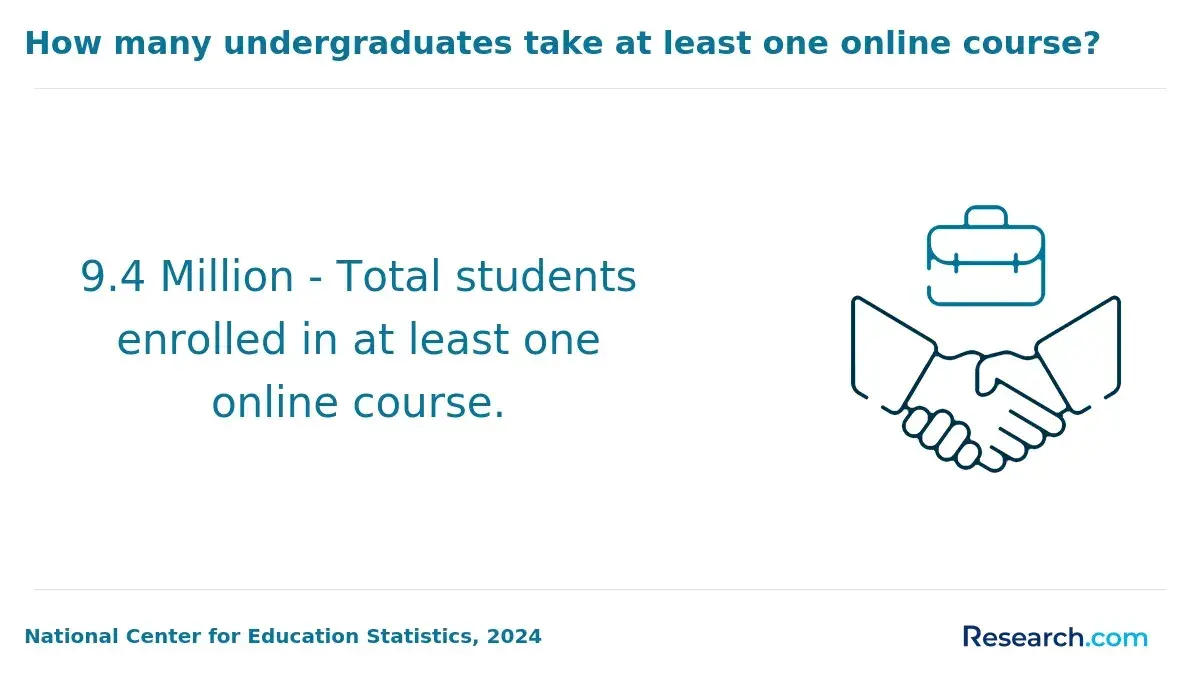
Online study can reduce commuting and expand program choice, while campus study can make laboratories, networking, and face-to-face support easier to access. Neither format is automatically more flexible or more rigorous. An online nursing or social work student, for example, may still need substantial daytime hours at a local placement.
Compare the actual weekly schedule: recorded or live classes, fixed deadlines, group projects, exams, campus visits, and local fieldwork. If hands-on facilities or employer connections are central to your goal, a nearby campus or hybrid option may be worth its travel cost. If you have work and caregiving commitments, a predictable online schedule may matter more than the shortest advertised completion time.
What Do You Learn in High-Paying Online College Programs?
High-paying paths require different abilities. Computer science and IT programs may teach programming, systems, security, and applied projects. Business and healthcare administration emphasize analysis, finance, and organizational decisions. Engineering adds technical design; advanced nursing combines clinical judgment with supervised practice. Education and social work programs commonly integrate research-informed methods with field experience.
Read the required course list, not just concentration names. Look for assignments that produce evidence of relevant skills - such as a working software project, engineering design, financial analysis, or supervised practice evaluation. A broad program may be valuable for career exploration, but a tightly regulated or technical goal calls for coursework matched to that role.
How Should You Choose a Reputable Online College Program?
Start with the job you want and work backward. Compare recent postings with BLS descriptions to distinguish required credentials from preferred ones. Then narrow programs by applicable accreditation, admissions prerequisites, online availability, required in-person work, curriculum, and full remaining cost. Ask for outcomes relevant to your intended role, while recognizing that career services are not evidence of job placement.
Before committing, request a written transfer evaluation and confirm where each accepted credit applies. Ask who arranges placements, whether live sessions are required, and what happens if a required course is unavailable in a future term. If frequent enrollment dates would help, explore online colleges with weekly start dates, but verify the start date for your particular program. Avoid choosing by rankings, a headline wage, or low per-credit tuition alone.
Other Things You Should Know About
Yes, if the program builds qualifications relevant to the role. Pay depends on the occupation, location, experience, employer, and any required license - not whether coursework was online.
Choose a program with a clear route from your existing skills to an entry-level role. Check prerequisites and employers' hiring requirements before paying for a graduate degree.
Not always. Clinical placements, student teaching, labs, residencies, or scheduled meetings may be required even when lectures are online.
It may be when the target role requires it or employers value the specialization. Compare total cost and time away from work with realistic opportunities available before and after graduation.
References
- Fast Facts: Employment after degree (1157) | ed.gov https://nces.ed.gov/fastfacts/display.asp
- Research Summary: Education and Lifetime Earnings | ssa.gov https://www.ssa.gov/policy/docs/research-summaries/education-earnings.html
- Cost of Attendance (Budget) | 2025-2026 Federal Student Aid Handbook https://fsapartners.ed.gov/knowledge-center/fsa-handbook/2025-2026/vol3/ch2-cost-attendance-budget
- Programmatic Accrediting Agencies | U.S. Department of Education http://www.ed.gov/laws-and-policy/higher-education-laws-and-policy/college-accreditation/programmatic-accrediting-agencies
- Education | Washington State Board of Nursing https://nursing.wa.gov/education
- Earnings for Graduates Dashboard | Washington State Education Research and Data Center https://erdc.wa.gov/data-dashboards/earnings-graduates-dashboard
- Measuring the value of education: Career Outlook | bls.gov https://www.bls.gov/careeroutlook/2018/data-on-display/education-pays.htm
- Postsecondary Degree Earnings Outcomes Tools | Colorado Department of Higher Education Home https://cdhe.colorado.gov/postsecondary-degree-earnings-outcomes-tools
- The Major Payoff: Evaluating Earnings and Employment Outcomes Across Bachelor's Degrees - CEW Georgetown https://cew.georgetown.edu/cew-reports/major-payoff/
- Cost of Attendance - Financial Aid and Scholarships | The University of Utah https://financialaid.utah.edu/tuition-and-fees/cost-of-attendance.php