2027 Best College Programs With 8-Week Courses

Co-Founder and Chief Data Scientist
An eight-week course can make graduate study easier to schedule, but it does not make an entire degree eight weeks long. That distinction matters if you are balancing work, tuition, and a career change.
For perspective, the U.S. Bureau of Labor Statistics (BLS) reports a 2024 median annual wage of $133,080 for software developers, an occupation with substantial education and skill requirements, not an outcome promised by a short course. This guide compares graduate program families, explains where compressed terms help or hurt, and shows what to verify before enrolling.
Key Things You Should Know
- Eight weeks describes a course term, not a degree timeline. Credits, course sequencing, enrollment load, and fieldwork determine when you finish.
- The strongest fits depend on your goal. Business and IT may suit working professionals seeking flexible coursework; nursing, education, and social work require closer scrutiny of placements and licensure.
- Compare the whole program. Confirm that required courses actually use eight-week terms, then compare total costs, accreditation, and any in-person obligations.
Top 10 Best College Programs With 8-Week Courses
Business Programs
An MBA or master's in management may suit experienced professionals seeking broader business responsibilities. Eight-week classes can make it easier to focus on one subject at a time, but team projects and scheduled meetings may limit flexibility.
Compare the required credits, concentration availability, capstone, and whether every required class follows the advertised term length. If your goal is a specialized finance or accounting role, check whether the curriculum, not just the business degree title, matches relevant employer or licensing expectations.
Healthcare Programs
A master's in healthcare administration or public health can prepare students to study operations, policy, and population health. These programs are different from clinical credentials: an administration degree does not qualify someone to practice nursing or medicine.
Compressed courses may work well for professionals with healthcare experience, although internships, applied projects, and employer-based assignments can extend the schedule. Compare health-system partnerships and required field experience alongside the eight-week calendar.
Information Technology Programs
Master's programs in information technology, cybersecurity, or IT management may appeal to professionals updating technical and leadership skills. Look for hands-on labs, cloud or security coursework, and a capstone tied to your intended role.
An eight-week cybersecurity class can be intensive if it combines readings with technical exercises. Also check prerequisites: applicants without computing experience may need foundation courses before entering the graduate sequence.
Computer Science Programs
A computer science master's generally places greater emphasis on algorithms, software development, and computing theory than an IT management degree. It is a better fit for applicants seeking technical depth, provided they meet programming and mathematics prerequisites.
Research-focused tracks may require a thesis; professional tracks may use a project instead. Ask whether demanding core courses are available in eight-week terms and whether taking them consecutively is academically realistic.
Nursing Programs
An MSN may support nursing leadership, education, or advanced practice, but eligibility depends on the track, prior nursing credentials, and state rules. Applicants typically need an appropriate nursing license and degree; some pathways have additional experience or clinical requirements.
Eight-week didactic courses do not eliminate supervised clinical hours or placement constraints. Confirm the exact specialization, clinical-site arrangements, programmatic accreditation, and licensing implications before treating a short-term format as a convenient fit.
Psychology Programs
A master's in psychology may support research, organizational work, or preparation for further study. It is not interchangeable with a clinical psychology doctorate or a state-approved counseling pathway.
Eight-week courses can suit theory and research-methods work, but a thesis or practicum may run on a different schedule. Start with the job or license you want, then check whether the specific curriculum and supervised experience meet that goal.
Education Programs
A master's in education can serve practicing teachers seeking curriculum, instructional, or leadership development. Initial teacher preparation and school-leadership licensure are separate questions: a degree may not satisfy either automatically.
Student teaching, classroom observations, and district calendars may not fit neatly into eight-week blocks. Check your state's requirements and whether required experiences can be completed near home before choosing an online format.
Criminal Justice Programs
A criminal justice master's may cover policy, administration, research, and public safety leadership. It can be useful for professionals who already understand the field, but it does not replace an agency's hiring standards, academy training, or experience requirements.
For eight-week study, compare writing and research demands with your work schedule. An internship or substantial capstone may make the final term less flexible than ordinary classes.
Engineering Programs
An engineering or engineering-management master's can help qualified graduates deepen technical expertise or study project leadership. Engineering prerequisites matter: management-oriented programs may admit applicants from a wider range of backgrounds than technical specializations.
Short terms can compress design projects, laboratory work, and collaboration into demanding weeks. If professional engineering licensure is your goal, verify your state board's education and experience rules separately; a master's alone does not confer a license.
Social Work Programs
An MSW is a practice-oriented route toward many social work roles, including clinical licensure after additional supervised experience and examination requirements. Field placements can follow agency schedules rather than eight-week academic terms.
Some programs offer advanced standing to eligible BSW graduates, but that pathway has separate admission rules; other applicants complete the standard curriculum. Verify programmatic accreditation, placement support, and state licensing alignment before prioritizing short classes.
What Are the Best College Programs With 8-Week Courses?
The best program is one that offers the eight-week schedule in the courses you need and still fits your career goal.
The fields above are program families to investigate, not a claim that every school offers every specialization in that format. Published short terms can differ by degree level, course, and session, so an institution-wide calendar is not enough to verify an individual program.
Use this comparison to narrow your search before requesting a course-by-course schedule from admissions.
| Primary goal | Program families to compare | Potential scheduling constraint |
| Broader professional leadership | MBA, healthcare administration, IT management | Group projects or capstones |
| Technical specialization | Computer science, cybersecurity, engineering | Prerequisites, labs, or sequential courses |
| Licensed professional practice | Nursing, social work, selected education tracks | Clinicals, field placements, or student teaching |
| Policy or research | Psychology, public health, criminal justice | Research projects or internships |
If finishing a master's quickly matters more than the length of each class, compare total degree requirements with other online master options. A shorter term is valuable only if required courses are offered frequently enough to support your planned pace.
Are 8-Week College Courses Accredited and Career-Ready?
An eight-week course can earn the same academic credit as a longer course, but its calendar alone establishes neither accreditation nor career readiness. Check the institution's accreditation status and, where relevant, the specific program's accreditation. Programmatic review is particularly consequential for fields such as nursing and social work.
Career readiness also depends on what students do: labs, supervised practice, portfolios, and applied projects may matter more than term length. Ask how the school assesses learning in compressed classes and whether employers or licensing boards recognize the particular credential. Accreditation supports quality review; it does not guarantee employment, credit transfer, or a license.
How Much Do Eight-Week College Programs Cost?
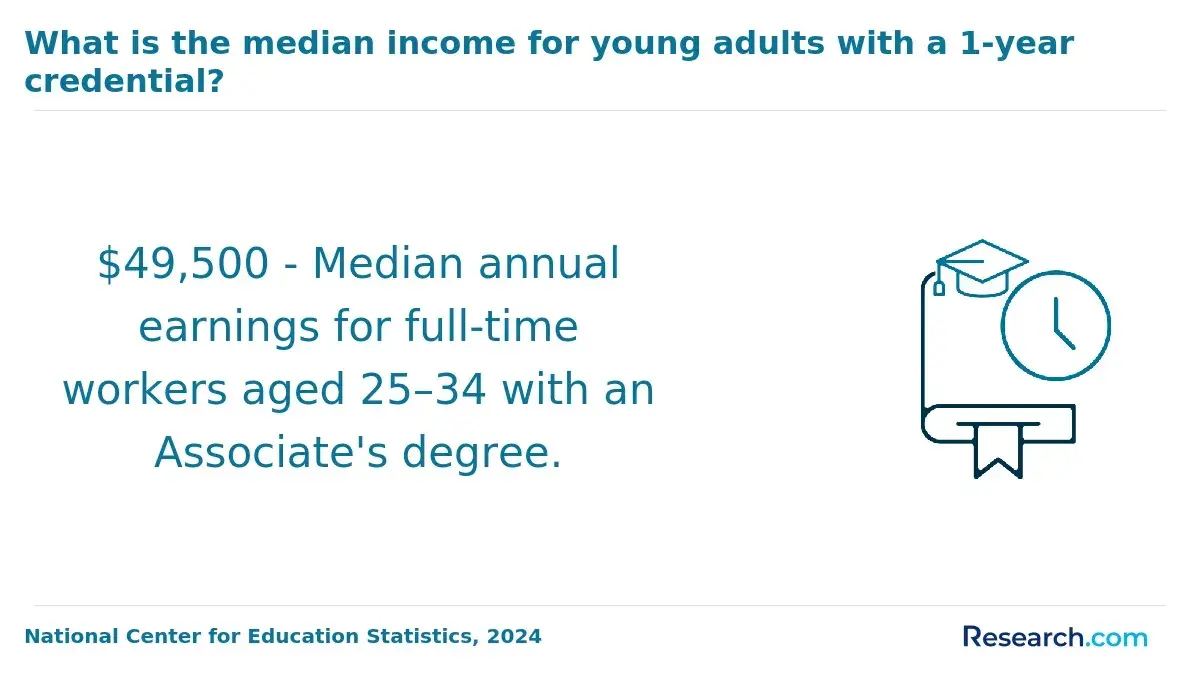
Eight-week terms do not establish a program's total price. The amount you pay depends on remaining credits, tuition rates, mandatory and program fees, materials, and any travel or placement expenses. Compare a written estimate for your entire pathway rather than multiplying one course price by an assumed number of terms.
Request an evaluation of previous coursework before relying on a faster or cheaper completion estimate. Graduate transfer credit is subject to program-specific limits and equivalency rules; prior work experience does not automatically earn credit.
Ask the financial aid office about aid eligibility, employer tuition benefits, and the effect of part-time enrollment. A lower per-credit rate may cost more overall if it comes with additional required courses or fees.
Which Online and Campus Formats Offer Eight-Week College Courses?
Eight-week courses may be online, hybrid, or campus-based; none of those labels tells you whether attendance is self-paced. Use the format comparison below to identify obligations that could disrupt work or caregiving schedules.
| Format | What to confirm before enrolling |
| Online | Live meetings, assignment deadlines, proctored activities, and required visits |
| Hybrid | Frequency and location of campus sessions or residencies |
| Campus-based | Meeting times, commute, and availability of consecutive eight-week courses |
Start your search with the best online schools, then verify the specific graduate program in its academic calendar and course schedule. An online lecture course may still be paired with an in-person clinical, lab, practicum, or student-teaching placement.
What Are the Admission Requirements for Eight-Week College Programs?
For the master's programs compared here, applicants generally need a bachelor's degree, but eligibility varies substantially by field. Computer science and engineering may require technical prerequisites; nursing may require an active nursing license.
Advanced-standing MSW admission generally depends on an eligible BSW. Some programs also review GPA, professional experience, recommendations, or a statement of purpose.
Do not assume a university's general graduate admissions policy applies to a selective specialization. Request the current requirements for your exact track, including any foundation courses and whether they add time or cost.
If you hope to transfer graduate coursework, obtain a written determination of how it applies to degree requirements, not merely confirmation that the school accepts transfer credit.
What Do You Learn in an Eight-Week College Program?
An eight-week course covers a portion of a larger curriculum, not an entire graduate field. Business students might take strategy or finance; computing students might study programming, security, or systems; practice-oriented students may combine theory with supervised work. Many programs also require electives and a capstone, thesis, practicum, or clinical component.
The trade-off is pace: comparable credit must be completed in fewer calendar weeks. Before registering for two compressed courses at once, examine their syllabi for weekly reading, project deadlines, group work, and assessment schedules. A part-time plan with one course per term may be more sustainable, even if it takes longer to graduate.
Which Careers Can Eight-Week College Programs Prepare You For?
These graduate programs can help experienced workers prepare for specialization or advancement, but the degree alone may not meet an occupation's entry requirements.
An MBA may be relevant to business operations; a computer science master's may strengthen technical preparation; an MSN or MSW can form part of a regulated practice pathway. Employers still assess skills and experience, while licensing authorities impose separate rules.
If you need a narrow skill update rather than a graduate credential, compare the required time and cost with short certificate programs. A certificate may be the better choice for a specific tool or skill; it generally is not a substitute for a degree required by a licensing pathway.
What Salaries and Job Outlook Can Graduates Expect?
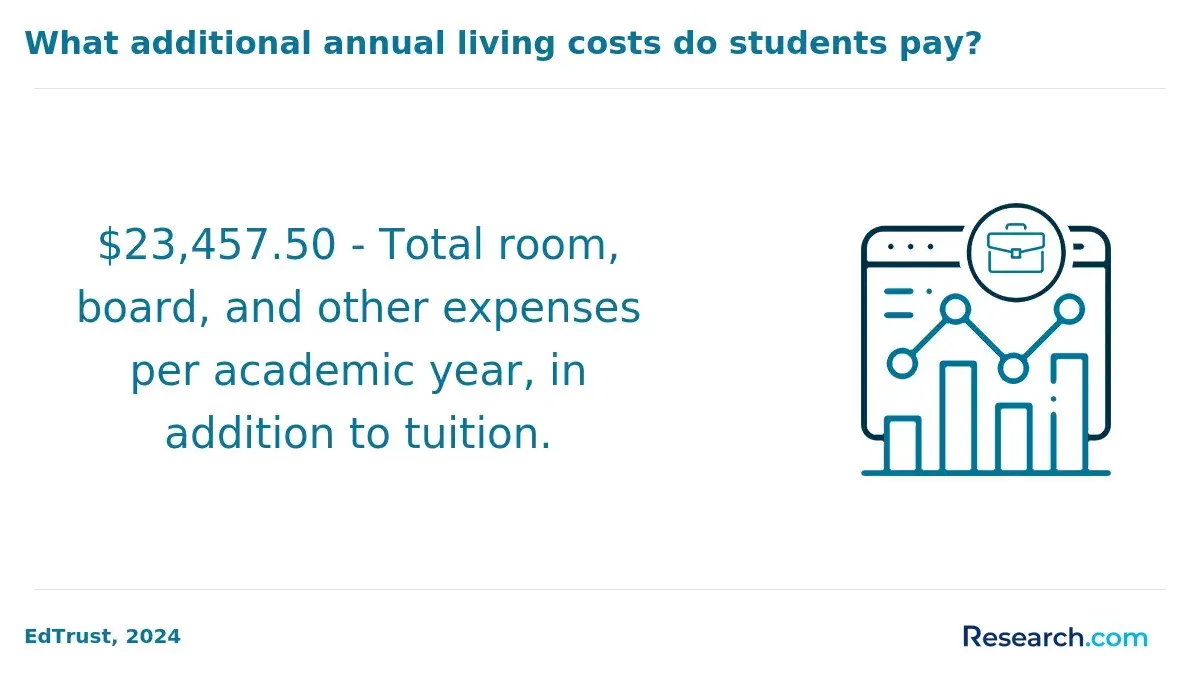
Occupation-wide wages provide career context, not a forecast for graduates of any eight-week-format program. The BLS figures below are 2024 U.S. median annual wages for people working in these occupations, across education levels and experience levels.
| Occupation | 2024 median annual wage | Important qualification |
| Software developer | $133,080 | A master's is not generally required for entry; technical ability and employer requirements matter. |
| Registered nurse | $93,600 | Practice requires nursing education and licensure; an MSN does not replace those requirements. |
Use wage and job-outlook information for your intended occupation, not the broad degree title. Then weigh total program cost, earnings you might give up while studying, experience requirements, and whether the credential is necessary for the role. If salary is the main priority, compare occupations and the highest paying majors before assuming a graduate degree offers the best return.
How Do You Verify Licensing and Choose a Reputable Program?
Verify the career pathway before paying an enrollment deposit. This matters most for nursing, social work, teacher preparation, and any program marketed as leading to a professional license. State requirements and program approvals can change, and eligibility may depend on where you plan to practice.
Use this sequence to separate a genuinely suitable eight-week program from a convenient-looking schedule that misses a critical requirement:
- Confirm institutional accreditation and any field-specific program accreditation with the relevant accreditor.
- Ask the licensing board in your intended state whether the exact program and track meet its education requirements.
- Request the current degree plan and course schedule; identify which required courses use eight-week terms and which do not.
- Get written details on placements, campus visits, transfer evaluations, fees, and your estimated remaining time to completion.
Be cautious if a school advertises an "eight-week master's" without distinguishing course length from degree length, or promises licensure without identifying the applicable state and requirements.
Other Things You Should Know About the Best College Programs
An eight-week term usually describes one course, not an entire master's degree. Graduation depends on required credits, course availability, enrollment pace, and any fieldwork.
Not necessarily. They generally compress coursework into fewer weeks, which can increase the weekly workload even when you take one class at a time.
Many students may be able to, but feasibility depends on deadlines, live meetings, and the number of simultaneous courses. Clinical or field placements can be especially difficult to schedule around full-time work.
Course length alone does not determine transferability. The receiving program decides whether prior graduate coursework meets its credit, grade, content, and residency rules.
References
- Accreditation in the U.S. | ed.gov http://www.ed.gov/laws-and-policy/higher-education-laws-and-policy/college-accreditation/accreditation-in-the-us
- An Overview of Accreditation of Higher Education in the United States | Congress.gov | Library of Congress https://www.congress.gov/crs-product/R43826
- Prioritizing Time to Completion for Community College Students | Community College Research Center https://ccrc.tc.columbia.edu/easyblog/prioritizing-time-completion-community-college-students.html
- Academic Advising & Transfer Credits | nyu.edu https://cas.nyu.edu/newstudents/transfer-transition-students/external-transfers/academic-advising.html
- Course Modes & Definitions - Office of the University Registrar https://registrar.washington.edu/classrooms/course-modes/
- Credit for Prior Learning - The City University of New York https://www.cuny.edu/academics/academic-policy/credit-prior-learning/
- Credit Hours and Class Instruction Time | osu.edu https://wgss.osu.edu/credit-hours-and-class-instruction-time
- Academic Planning Steps: Create a Balanced Schedule | Western Washington University https://aasac.wwu.edu/Create-A-Balanced-Schedule