
2027 Best College Degrees With Monthly Start Dates

Co-Founder and Chief Data Scientist
Waiting for a fall or spring semester can delay a career move, but a monthly start date is useful only if the right degree is available when you need it. The stakes can be substantial: the U.S. Bureau of Labor Statistics (BLS) reported a 2023 median annual wage of $120,360 for information security analysts - an occupational figure, not a promise to graduates. This guide compares ten master's degree fields, explains where frequent starts are more or less practical, and shows working adults how to check schedules, costs, accreditation, and career requirements before applying.
Key Things You Should Know
- Business, IT, and some other online master's programs may offer frequent starts, but a school's general admissions calendar does not confirm a monthly start for your specific degree.
- For context, BLS reported a 2023 median annual wage of $86,070 for registered nurses; an MSN alone does not confer RN licensure or guarantee that wage.
- Before applying, confirm the next cohort date, required live or in-person activities, total program cost, and whether the degree meets your career or licensing goal.
Top 10 Best College Degrees With Monthly Start Dates
Business Programs
An MBA or specialized master's in management, accounting, or business analytics can suit professionals seeking broader responsibilities or a career change. Online coursework may make frequent entry feasible, but concentrations and capstones can follow fixed sequences. Compare the start date for the exact concentration with the dates for the general MBA. An MBA may value professional experience; accounting pathways may require foundation courses. Choose the curriculum that matches the work you want, rather than assuming an earlier start will lead to a faster promotion.
Healthcare Programs
A master's in healthcare administration or public health may fit people interested in health systems, policy, or operations rather than direct patient care. Administration programs may admit students from varied undergraduate backgrounds; public health programs may add a practicum. Ask whether that experience can be arranged locally and whether required courses open at every advertised start. Neither degree automatically qualifies a graduate for a clinical license. If your goal is patient care, investigate the relevant licensed-profession pathway instead.
Information Technology Programs
A master's in information technology or cybersecurity emphasizes systems, infrastructure, security, and organizational technology decisions. It may suit IT professionals seeking specialization, while career changers should check programming and networking prerequisites. Frequent online course starts can help with scheduling, but a required lab, project, or limited-availability elective may still delay completion. Compare hands-on assignments and employer-relevant skills, not just course titles; a degree does not replace experience or automatically award professional certification.
Computer Science Programs
A computer science master's typically goes deeper into algorithms, software, computing theory, or artificial intelligence than a general IT degree. It can fit developers pursuing technical specialization, but applicants without prior computing coursework may need bridge or foundation classes. Check whether those classes share the advertised monthly schedule and count toward the degree. Research-oriented programs may require a thesis; professional programs may use a project instead. Choose according to your technical preparation and intended work.
Nursing Programs
An MSN is generally designed for registered nurses seeking advanced clinical, educational, or leadership preparation. Specialty tracks can impose separate admission, licensure, and clinical-placement requirements. Even when online classes begin frequently, clinical courses may start less often and require supervised work near home. Verify that the school accepts students and can support placements in your state. If your aim is advanced practice, confirm the track's eligibility for the certification and state licensure you seek; an MSN does not grant either automatically.
Psychology Programs
A master's in psychology may support research, human-services, or applied interests, depending on the curriculum. It is not interchangeable with a clinical psychology doctorate or a license-qualifying counseling degree. Applicants should compare statistics and research requirements alongside start dates. If a program includes supervised practice, ask when placements begin and who secures them. Start with the job or license you want, then check your state board's education rules before choosing a concentration.
Education Programs
A master's in education may serve experienced teachers pursuing curriculum, instructional design, or leadership work. Initial teacher-licensure programs have different requirements and may include student teaching, making monthly entry less practical even when coursework is online. Some programs require a current teaching credential or classroom access. Confirm whether your desired track begins every month and whether it meets your state's licensure or advancement rules. Teachers seeking a non-licensure specialty should not assume it qualifies them for a new endorsement.
Criminal Justice Programs
A criminal justice master's can focus on policy, administration, analysis, or public safety leadership. It may be useful for experienced professionals, but many entry-level justice roles do not require graduate study. Review whether the program offers practical research and policy skills relevant to your target employer. An online program's general monthly-start claim may exclude a specialized concentration or internship. Compare the degree's total cost with your employer's actual promotion criteria before enrolling.
Engineering Programs
An engineering master's typically builds on an undergraduate engineering degree or substantial technical prerequisites. It can be valuable for specialization in areas such as systems or electrical engineering, but lab access, project supervision, and sequenced courses may limit start-date flexibility. Check the precise discipline, any campus visits, and when required courses run. If professional engineer licensure is your goal, review your state board's education and experience rules; a master's by itself does not confer the license.
Social Work Programs
A master of social work (MSW) is a common educational route toward clinical social work, subject to state licensing requirements. Programs normally include substantial supervised field education, which may follow agency calendars rather than monthly online-course starts. Applicants with an eligible bachelor of social work may qualify for an advanced-standing route; others should compare standard-entry options. Check Council on Social Work Education accreditation, field-placement support, and state licensing rules before relying on an advertised start date or completion timeline.
What Are College Degrees With Monthly Start Dates?
Monthly-start degrees are programs that permit a new student to begin degree-applicable coursework in successive months, rather than only in traditional semesters. The term does not mean every class, specialty, or clinical placement starts monthly. Nor does it mean admission is automatic or the degree takes fewer credits.
For this guide, the strongest match is a program whose specific degree and intended track have a published upcoming start date, available required courses, and an enrollment schedule you can sustain. A rolling application deadline is not proof of monthly classes. Ask the school to distinguish your admission date, first course date, and first date you can take a required course.
Which Degrees Can You Start Online Every Month?
Business, IT, computer science, healthcare administration, and some other online master's fields can be compatible with frequent starts because much of their coursework can be delivered remotely. That is a field-level possibility, not a verified promise about every program. Nursing, social work, teacher preparation, and other placement-heavy tracks may offer online classes but have fewer entry points for clinical or fieldwork components.
The comparison below shows why the same "monthly start" claim can mean different things across fields. Use it to identify the scheduling question most likely to affect your choice.
| Program family | Likely scheduling constraint to check | Best fit to investigate |
| Business and IT | Required-course and concentration availability | Working professionals who can study online around a job |
| Computer science and engineering | Prerequisites, labs, and course sequencing | Applicants with the necessary technical background |
| Nursing, education, and social work | Clinical, student-teaching, or field-placement calendars | Applicants who can accommodate supervised in-person work |
Starting sooner is different from finishing sooner. If speed is your main goal, compare a verified monthly-start schedule with a fast track program - then calculate the time remaining after prerequisites, placements, and course sequencing.
Are Monthly-Start College Programs Accredited?
A monthly start date says nothing about accreditation. Check the institution's current accreditation through the U.S. Department of Education's accreditation database or its recognized accreditor, then check any programmatic accreditation relevant to your goal. For example, social work applicants should examine Council on Social Work Education accreditation; nursing and other regulated fields may have additional program and state-approval considerations.
Accreditation and licensure eligibility are separate questions. A school can be accredited while a particular online track does not satisfy the rules where you plan to work. Ask the program for written confirmation of its approval status, required placements, and any state-specific eligibility disclosures.
What Degrees Offer the Best Career Opportunities?
The best opportunity depends on the job you want and the preparation you already have. IT and computer science may offer routes into technical roles, while an MSN or MSW can support a regulated professional pathway for eligible applicants. Business and healthcare administration may be better suited to advancement when paired with relevant experience.
Do not treat a high occupational wage as evidence that a master's is required - or that its graduates receive that wage. Compare job postings, entry requirements, and opportunities in your location. If employers primarily seek experience or a different credential, a certificate or targeted coursework may be a better investment than starting a full degree immediately.
What Do You Learn in Monthly-Start Degree Programs?
Coursework depends on the field: an MBA may combine finance and strategy; computer science may emphasize algorithms and advanced computing; an MSW combines social work practice with field education. Most programs also require electives or a concentration, and many finish with a capstone, thesis, project, or supervised experience. These requirements can determine your real completion date even if the first class starts next month.
Ask for a term-by-term degree plan showing required courses and when they are offered. If you are comparing 1 year master's programs online, check whether the advertised timeline assumes full-time study, completed prerequisites, accepted graduate credit, or a particular professional credential. A short course term alone does not make an entire degree a one-year program.
What Are the Admission Requirements for These Degrees?
Most master's programs require a completed bachelor's degree and transcripts. Depending on the program, applicants may also need prerequisite courses, a minimum GPA, recommendations, a statement, professional experience, an active license, or an interview. Testing policies vary; the absence of a listed GRE or GMAT requirement is not a substitute for checking the current program admissions page.
Apply early enough for transcript review and any placement or background-check requirements. Confirm the deadline for the specific monthly cohort, not merely the school's general application deadline. If upfront application costs matter, compare free application online colleges, but verify that any fee policy covers the graduate program you intend to enter.
How Much Do Monthly-Start College Degrees Cost?
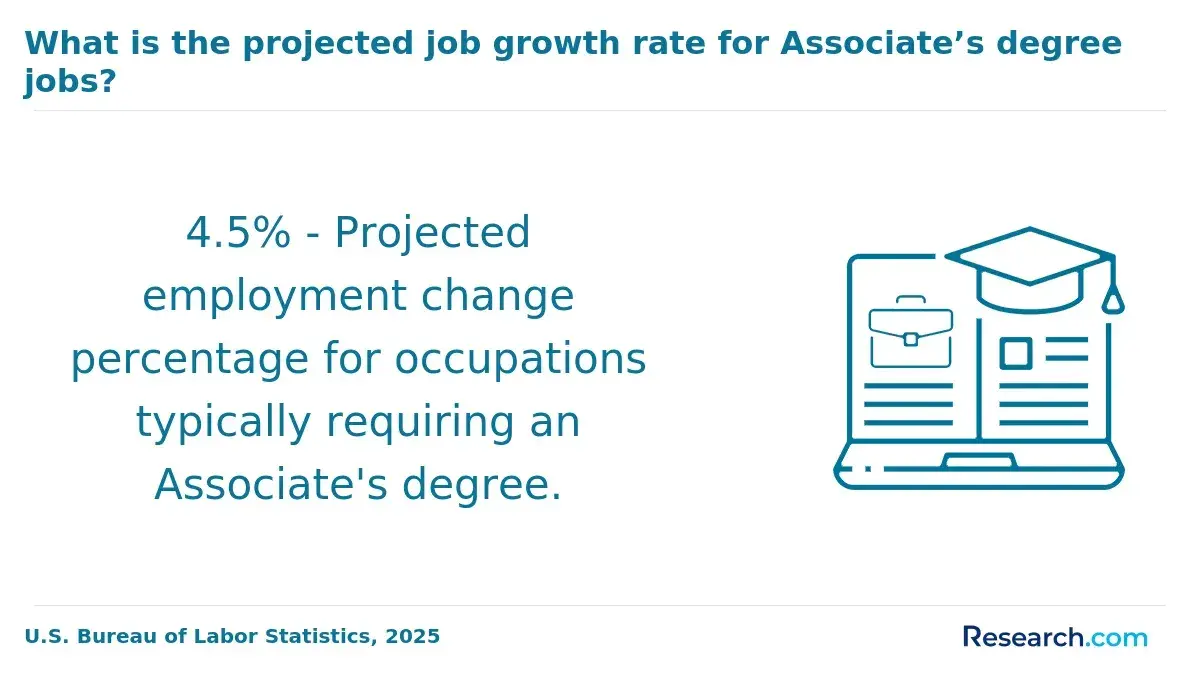
There is no single price for a monthly-start degree. Required credits, tuition rates, mandatory fees, books, technology, travel, and clinical or field-placement expenses vary by program. Starting earlier can also create a cost if it forces you to enroll before you have compared aid offers or confirmed transfer-credit decisions.
For a useful comparison, request the same cost details from each school:
- The tuition rate, required degree credits, and all mandatory program or technology fees.
- Expected costs for residencies, labs, clinicals, placements, travel, or required materials.
- Written confirmation of any accepted credits and the remaining courses you must pay to complete.
- Your financial aid eligibility, employer assistance options, and estimated borrowing under your intended course load.
A search for the cheapest masters degree online can identify candidates, but compare total cost to completion, not tuition per credit alone. Ask whether your monthly-start enrollment pattern meets financial aid requirements.
What Jobs and Salaries Can These Degrees Lead To?
Master's programs can support different career paths, but the degree alone may not meet an occupation's entry requirements. The following BLS figures are 2023 U.S. occupational median annual wages - not starting salaries or earnings forecasts for graduates. They provide context for weighing program cost against your target role.
| Occupation | 2023 median annual wage | Credential caution |
| Software developer | $132,270 | A computer science master's is not generally required for entry; technical skills and experience matter. |
| Registered nurse | $86,070 | RN licensure is required; an MSN alone does not establish eligibility. |
| Social worker | $58,380 | Education and licensure requirements vary by role and state; clinical practice requires additional steps. |
Before borrowing for a master's, check whether local employers require it for your intended job, whether you already meet other hiring criteria, and what supervised experience or licensure you would still need.
How Do You Choose a Reputable Monthly-Start Program?
A reputable choice combines a start date you can use with sound academic and career fit. The most common mistake is accepting a school-wide "start every month" message without confirming the schedule for the intended track. A close second is assuming that online delivery removes live meetings, placements, or campus requirements.
Use these steps before paying a deposit:
- Find the official academic calendar and ask for the next start date for your exact degree and concentration.
- Request a degree plan showing prerequisites, required-course availability, placements, and a realistic part-time or full-time completion schedule.
- Verify institutional accreditation, relevant program approval, and state licensure eligibility where applicable.
- Compare written total-cost estimates and ask how any previous coursework will apply to specific degree requirements.
If a school cannot explain when you can take required courses - or cannot clarify who arranges a necessary placement - treat the advertised monthly start as unconfirmed. A later start with a workable path to completion may be the better decision.
Other Things You Should Know About
Possibly, if your specific program has an upcoming start and you can complete admission steps in time. Confirm the first date you can take a required course, not just the application deadline.
No. Completion depends on credits, course load, prerequisites, course availability, and any capstone or supervised placement.
Not necessarily. Online coursework may still include live sessions, campus visits, labs, clinicals, internships, or local fieldwork. Check the requirements for your track.
Sometimes. Graduate transfer policies vary, and undergraduate credits do not automatically apply to a master's. Request an evaluation showing which credits satisfy your specific degree requirements.
References
- Accreditation in the U.S. | ed.gov http://www.ed.gov/laws-and-policy/higher-education-laws-and-policy/college-accreditation/accreditation-in-the-us
- Your financial path to graduation | consumerfinance.gov https://www.consumerfinance.gov/paying-for-college/your-financial-path-to-graduation/
- Academic Years, Academic Calendars, Payment Periods, and Disbursements | 2025-2026 Federal Student Aid Handbook https://fsapartners.ed.gov/knowledge-center/fsa-handbook/2025-2026/vol3/ch1-academic-years-academic-calendars-payment-periods-and-disbursements
- Education pays: U.S. Bureau of Labor Statistics https://www.bls.gov/emp/chart-unemployment-earnings-education.htm
- Pay-As-You-Go College: Monthly Tuition Plans for 2026 | Newlane University https://newlane.edu/pay-as-you-go-college/
- Online Courses: The One Course a Month Option | National University https://www.nu.edu/blog/online-courses-the-one-course-a-month-option/
- New Pathways to a College Degree: How Transfer Credits Save Time | University of Arkansas Grantham https://www.uagrantham.edu/blog/transfer-college-credits-online-pathways-degree/
- Best Online Universities With Year-Round Enrollment | College Transitions https://www.collegetransitions.com/blog/best-online-universities-with-year-round-enrollment/


