2027 Best Online College Majors for Career Growth

Co-Founder and Chief Data Scientist
Choosing an online major is easier when you start with the career you want - not a list of popular degrees. The U.S. Bureau of Labor Statistics (BLS) projects data scientist employment to grow 34% from 2024 to 2034, but that opportunity does not make every technology degree the right investment.
This guide compares ten fields by career relevance, advancement potential, online study requirements, and barriers to entry. Whether you are choosing a bachelor's major or considering a master's degree, you will learn how to narrow your options and check whether a program fits your goals.
Key Things You Should Know
- Match the major to the occupation: Information security analyst employment is projected to grow 29% from 2024 to 2034, but relevant skills and experience matter alongside a degree.
- Check the credential level: Nursing, teaching, social work, and clinical psychology have different degree, supervised-training, and state licensing requirements.
- Compare total investment: An online program's tuition, fees, transfer-credit decisions, and required in-person work can matter more than its advertised flexibility.
Top 10 Best Online College Majors for Career Growth
Business Programs
An online bachelor's in business can prepare students for entry-level operations, accounting, marketing, or finance work. A master's in business administration, analytics, accounting, or finance is usually better suited to professionals pursuing a specific advancement goal. Compare concentrations with the jobs you want: an MBA is not a substitute for the accounting coursework needed for some CPA pathways. Business offers broad options, but that breadth makes internships, relevant work experience, and a clear specialization especially valuable.
Healthcare Programs
Healthcare administration and health informatics are distinct from clinical training. An online bachelor's can support entry into administrative or data-related work; a master's in healthcare administration or public health may suit experienced professionals seeking more specialized responsibilities. Healthcare management roles commonly require related experience, so a graduate degree alone is not a direct route into leadership. If you want to treat patients, identify the licensed occupation first: an administration degree does not replace nursing, therapy, or medical training.
Information Technology Programs
Online IT majors focus on systems, networks, cloud infrastructure, and cybersecurity. A bachelor's can help build technical foundations; a master's in cybersecurity or IT management may fit professionals moving into specialized or strategic work. Security jobs often require substantial hands-on experience, so assess whether the program includes labs, projects, and opportunities to demonstrate skills. Compare degree coursework with employer-requested certifications rather than assuming either credential makes the other unnecessary.
Computer Science Programs
Computer science emphasizes programming, algorithms, software design, and computing theory. Online bachelor's programs can provide a foundation for software roles, while a master's may help someone deepen skills in areas such as artificial intelligence or advanced computing. A master's is not routinely required to become a software developer. Choose CS over IT if you want to build software or study computing in depth, and check whether the online program offers substantial coding projects and appropriate mathematics support.
Nursing Programs
Nursing requires a more careful credential choice than a generic "online degree" search suggests. Entry to registered nursing requires an approved nursing education pathway and state licensure; online coursework does not eliminate clinical training. RN-to-BSN programs serve already licensed nurses, while master's programs can support advanced practice, education, or leadership goals. Nurse practitioner preparation has additional clinical and certification requirements. Verify that a program accepts students in your state and supports required placements before enrolling.
Psychology Programs
An online psychology bachelor's builds research and behavioral-science knowledge, but does not qualify graduates to practice independently as psychologists. A master's may support certain research, organizational, or counseling-related paths, depending on the curriculum and state rules. Licensed psychologist roles generally require doctoral education and supervised experience. If your goal is therapy, compare the specific licensing routes for counseling, marriage and family therapy, social work, and psychology before choosing a major or graduate program.
Education Programs
Education majors should distinguish initial teacher preparation from programs for practicing educators. An online bachelor's or master's designed for initial licensure must meet state requirements and typically includes supervised student teaching in a school. Other master's degrees focus on curriculum, instructional design, or educational leadership and may require an existing teaching credential or experience. Check the state and grade levels the program prepares you to serve; a degree labeled "education" does not automatically confer teaching or administrator licensure.
Criminal Justice Programs
Criminal justice covers law enforcement systems, corrections, courts, and policy. An online bachelor's can be relevant to public-service or security work, while a master's in criminal justice or criminology may suit experienced professionals pursuing analysis or administration. Many law enforcement employers have separate academy, background-check, and physical requirements; a degree does not replace them. Before paying for graduate study, check whether the target employer requires it or values experience more highly.
Engineering Programs
Engineering can offer paths into design and technical problem-solving, but online delivery varies substantially by discipline. Bachelor's programs may require laboratories or other in-person work; a master's may be a more practical online option for someone who already holds an engineering degree. If professional engineer licensure is a goal, check the bachelor's program's applicable accreditation and your state board's education rules. A specialized online master's does not necessarily remedy an ineligible undergraduate pathway.
Social Work Programs
Social work offers a comparatively clear distinction between credentials: a bachelor of social work can prepare students for some generalist roles, while a master of social work is commonly required for clinical licensure pathways. Online MSW programs still require supervised field education, and advanced-standing options generally depend on an eligible social work bachelor's degree. Verify programmatic accreditation, placement support, and your state's licensing rules. Choose this field for its practice model and population focus, not on the assumption that online study avoids fieldwork.
What Are the Best Online College Majors for Career Growth?
The best online major for career growth is the one that prepares you for a realistic next role without requiring more time, expense, or licensing work than you intend to take on. These fields are options to compare, not a universal ranking: a high-growth occupation may demand experience or credentials beyond the major itself.
The comparison below identifies each field's main career advantage and the qualification readers are most likely to overlook.
| Major or field | Career-growth case | Check before enrolling |
| Business | Broad routes into organizational functions | Concentration and relevant experience |
| Healthcare | Administrative and information roles | Clinical versus nonclinical career goal |
| Information technology | Systems and security specialization | Practical labs and experience expectations |
| Computer science | Software and computing careers | Programming depth and mathematics |
| Nursing | Licensed practice and advancement paths | Clinical placement and state eligibility |
| Psychology | Behavioral-science foundation | Graduate training needed for intended role |
| Education | Teaching and instructional careers | State approval and student teaching |
| Criminal justice | Public-service and justice-system knowledge | Employer-specific hiring requirements |
| Engineering | Specialized technical work | Labs and applicable accreditation |
| Social work | Generalist or clinical practice pathways | Field education and licensure route |
Start with the job you want, then identify its usual entry credential. Favor programs that provide the required preparation and evidence of skills; consider a different field when the degree sounds appealing but does not meet the occupation's requirements.
Which Online Majors Offer the Highest Salaries and Job Demand?
Technology stands out on projected growth and occupational pay, but those figures describe jobs, not the expected earnings of graduates. BLS figures offer a useful starting point for comparing occupations linked to online majors.
This table pairs recent U.S. occupational medians with projected employment growth. Use it to investigate a career, not to estimate what a new graduate will earn.
| Occupation | Related field | Median annual pay, May 2024 | Projected employment growth, 2024-2034 |
| Information security analyst | IT or cybersecurity | $124,910 | 29% |
| Software developer | Computer science | $133,080 | 16% |
| Registered nurse | Nursing | $93,600 | 5% |
Software developers have the highest median pay among these examples, while information security analysts have the fastest projected growth. Neither measure captures local hiring, entry-level competition, or the experience employers may require. Nursing has a separate licensing threshold; an online major without an approved clinical pathway will not qualify someone to practice as an RN.
Are Online College Degrees Accredited and Respected by Employers?
Online degrees can be respected by employers when they come from appropriately accredited institutions and prepare students for the work at hand. Online delivery and accreditation answer different questions: delivery describes where coursework happens; accreditation evaluates an institution or program against established standards.
Check an institution's recognized accreditation, then check programmatic accreditation where it matters for professional preparation - such as social work, nursing, engineering, or certain counseling pathways. Confirm requirements with the relevant state licensing board if you plan to practice in a regulated occupation. An employer may also care about demonstrated skills, internships, and work history. The avoidable mistake is assuming an accredited university means every online major meets every state's licensing requirements.
What Career Paths Can You Pursue With an Online College Major?
An online major can support entry, a career change, or advancement, but those are different investments. A business graduate might pursue operations work; a CS graduate might seek software development; a licensed nurse might use an RN-to-BSN program to meet an employer's education expectations. Management and specialized clinical roles often require experience or further credentials.
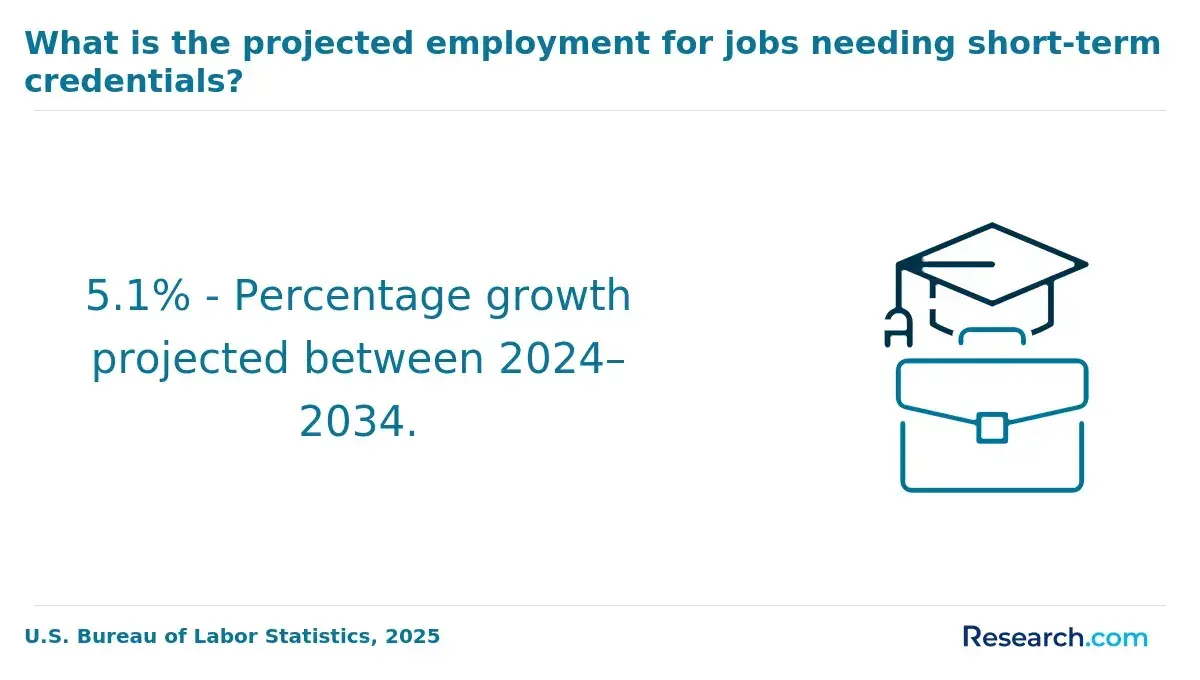
For a faster test of a new field, short certificate programs that pay well may be worth comparing with a degree. Check whether employers actually request the certificate, whether its credits can later apply to a degree, and whether the occupation has a separate license requirement. A shorter credential is a poor substitute when the job explicitly requires a qualifying degree.
How Do Online Degree Programs Compare With Campus-Based Programs?
Online study can reduce commuting and expand school choices, but it is not automatically self-paced. Campus programs may make laboratories, networking, and supervised activities easier to access. The better format is the one you can complete while meeting your intended career's training requirements.
These format differences are especially important when comparing two programs with similar tuition and curricula.
| Consideration | Online program | Campus-based program |
| Schedule | May be asynchronous or require live meetings and deadlines | Usually has scheduled on-site classes |
| Hands-on work | May use virtual tools plus local placements or campus visits | May offer on-site labs or school-arranged placements |
| Access | May serve students farther from campus, subject to state restrictions | Requires regular travel or relocation |
If you are returning to school, easy online college courses can help you explore subject matter, but ease alone is not a sound basis for choosing a career major. Ask each program about live attendance, placement locations, proctored assessments, and how often required courses run.
What Courses Do High-Growth Online College Majors Typically Include?
High-growth fields require different kinds of preparation. CS commonly includes programming, algorithms, and mathematics; IT emphasizes networks, systems, and security; business may combine accounting, analytics, and management. Nursing includes science and clinical learning, while social work and education incorporate supervised practice. Graduate programs usually build on prior coursework or professional preparation rather than repeating an entire undergraduate major.
Review the required course sequence, not just the list of electives. Projects, laboratories, practicums, and capstones can show how students apply what they learn. For technology fields, look for opportunities to build a portfolio and adapt skills as tools change; for licensed fields, verify that coursework and supervised hours align with the intended state pathway.
What Are the Admission Requirements for Online College Programs?
Admission requirements depend on the credential and field. Bachelor's applicants generally need a high school diploma or equivalent and may submit prior college transcripts. Master's programs typically require a completed bachelor's degree; some also require prerequisite courses, professional experience, a license, or a field-specific academic background. Nursing bridge programs and advanced-standing MSW pathways have particularly important prior-credential rules.
Before applying, ask admissions to identify requirements for your specific online program, not just the university's general application. Confirm whether prerequisites can be completed after admission, whether your state is eligible, and how transfer credits will apply to the major. Do not treat the absence of a published test or GPA minimum as confirmation that there is no requirement.
How Long Do Online College Degrees Take and What Do They Cost?
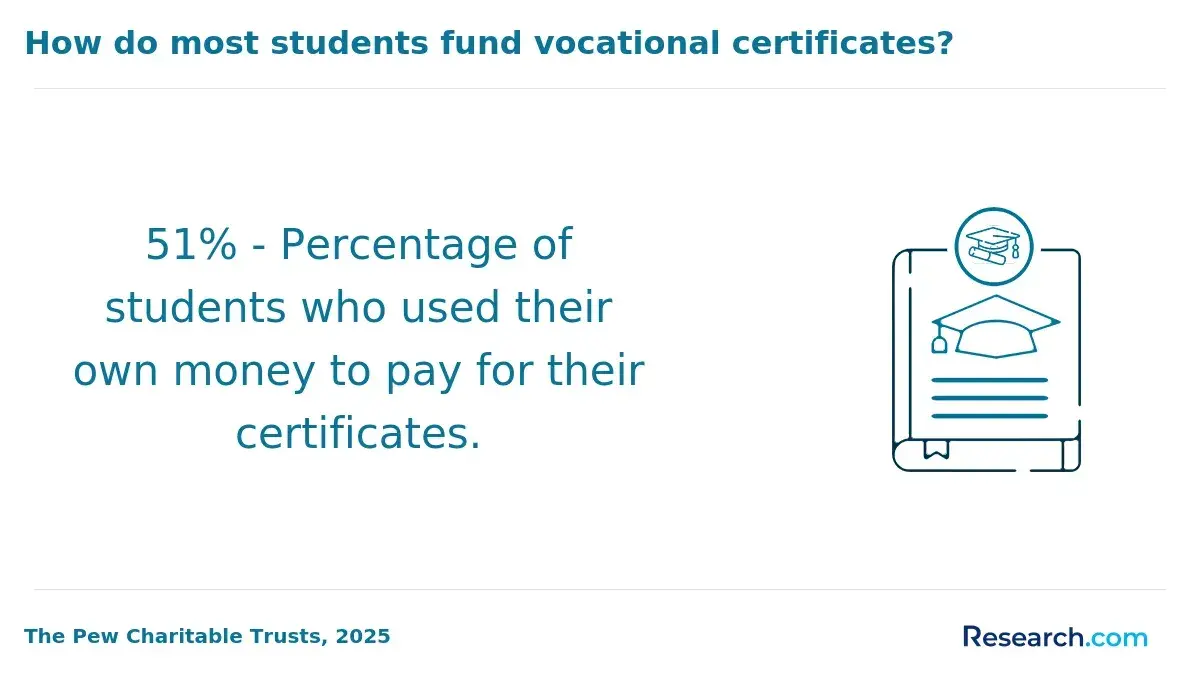
A bachelor's degree commonly requires about 120 semester credits, while master's requirements vary considerably by field and program. Full-time bachelor's study often takes about four years from a first-year starting point; an eligible transfer student may need less time. Graduate completion depends on course load, prerequisites, research or capstone work, and any clinical or field-placement sequence. Short classes do not, by themselves, make an entire degree fast.
For a realistic price, request a remaining-degree plan showing accepted credits, required courses, tuition, mandatory and program fees, books or equipment, and travel or placement expenses. Compare that total with grants, employer assistance, and any borrowing you would need. A fast track bachelor degree is worth investigating if its schedule and credit policies fit your starting point; ask what prior credits its advertised timeline assumes.
Do Online College Majors Require Licensure or Professional Certification?
Some majors lead toward regulated work; others do not. Registered nurses need state licensure. Public-school teachers must meet applicable state certification rules. Clinical social workers generally need a qualifying graduate degree, supervised practice, and a state license. Engineering licensure matters for certain professional practice, while many technology and business jobs do not require a state professional license.
Psychologist licensure generally requires doctoral training, supervised experience, and examination; a psychology bachelor's or master's alone is not enough. If that is your goal, compare licensing eligibility and required in-person training before considering the cheapest online PhD options. The lowest-price doctorate is not a bargain if its program or delivery format cannot support the license you need.
Other Things You Should Know About
Choose a field whose core courses you want to study, then investigate several realistic occupations it supports. Broad majors such as business can preserve options, but a concentration and relevant experience will help you build a clearer career direction.
Possibly, but no major guarantees a job or salary. Occupational medians include experienced workers. Compare entry-level postings in your area and note any experience, portfolio, certification, or license requirements.
Not always. It may be important for a particular licensed or specialized path, but work experience, an employer-valued certification, or a bachelor's degree may be more useful for another goal. Verify the requirements of your target role first.
Some programs allow remote coursework, but nursing, education, social work, and other practice-focused fields may require local clinicals, placements, or student teaching. Confirm every in-person requirement and whether placements are available near you before applying.
References
- Computer and Information Technology Occupations | bls.gov https://www.bls.gov/ooh/computer-and-information-technology/
- Fast Facts: Tuition costs of colleges and universities (76) | ed.gov https://nces.ed.gov/fastfacts/display.asp
- Your financial path to graduation | consumerfinance.gov https://www.consumerfinance.gov/paying-for-college/your-financial-path-to-graduation/
- Accreditation in the U.S. | ed.gov http://www.ed.gov/laws-and-policy/higher-education-laws-and-policy/college-accreditation/accreditation-in-the-us
- What Early-Career Earnings and Unemployment Rates Tell Us About the Returns on Bachelor's Degree Majors - CEW Georgetown https://cew.georgetown.edu/resource/cew-blog-major-payoff/
- Nursing Workforce Fact Sheet | aacnnursing.org https://www.aacnnursing.org/news-data/fact-sheets/nursing-workforce-fact-sheet