2027 Best College Degrees With the Best ROI

Co-Founder and Chief Data Scientist
A degree can open doors, but its return depends on what you pay, how long you study, and whether the credential helps you reach a job you want. The U.S. Bureau of Labor Statistics (BLS) reported a $93,600 median annual wage for registered nurses in 2024 - a useful career benchmark, not a promise to nursing graduates.
This guide compares degree fields and master's pathways for prospective students and career changers. You'll learn where additional education may pay off, where a lower-cost route may work better, and what to check before enrolling.
Key Things You Should Know
- Computer science can lead toward well-paid work: BLS reported a $133,080 median annual wage for software developers in 2024. That is an occupational median, not the expected salary of a new graduate.
- Information security offers a demand signal: BLS projects employment of information security analysts to grow 29% from 2024 to 2034, although entry into these roles commonly requires relevant experience.
- The best-ROI degree is the one whose total cost and required credentials fit your target job; a master's is most compelling when it enables licensure, a career change, or advancement that a bachelor's alone would not provide.
Top 10 Best College Degrees With the Best ROI
Business Programs
An MBA or specialized master's in accounting, finance, or analytics can make sense for an experienced professional seeking a specific promotion or career change. Compare the program's total price with your likely pay increase and any employer tuition assistance. Management pay is not an MBA starting-salary estimate; employers often require substantial experience. For accounting, check whether coursework meets your state's CPA education requirements. If you mainly need one technical skill, a certificate or employer-funded training may cost less.
Healthcare Programs
Healthcare master's degrees serve different goals. A master of public health may support population-health work, while health administration programs prepare students for operational roles that often also require experience. Clinical programs may have separate prerequisites, placements, and licensing rules. Choose by the occupation you want, not the broad appeal of healthcare demand. A higher-priced degree has weaker ROI if it does not qualify you for the role or if required unpaid fieldwork forces you to reduce paid employment.
Information Technology Programs
A master's in information technology, cybersecurity, or information systems can deepen skills in infrastructure, security, and organizational technology. It may be valuable for someone moving into a specialty, but it is not a substitute for hands-on experience. Before paying for a graduate degree, compare its cost with a bachelor's-plus-experience path and relevant certifications. Ask whether coursework includes applied projects and whether the program's schedule lets you keep working; retained earnings matter to ROI.
Computer Science Programs
A computer science master's may help a graduate enter a technical specialty or help a career changer build substantial computing foundations. Compare prerequisites carefully: a student without programming and mathematics preparation may need additional courses, raising cost and completion time. Some software development jobs commonly require a bachelor's rather than a master's, so the graduate credential is easiest to justify when a target role values advanced study. Assess projects and technical depth alongside tuition.
Nursing Programs
A nursing master's can support advanced practice, education, or leadership, but each pathway has different admission and licensing conditions. Advanced-practice programs generally require an active RN license and supervised clinical training; graduation alone does not grant advanced-practice authority. Compare tuition, clinical-placement support, and lost work hours with the specific role you seek. If your immediate goal is to become an RN, a qualifying entry-level nursing program is a more direct comparison than a conventional MSN for licensed nurses.
Psychology Programs
A psychology master's may support research, organizational work, or preparation for further study. It does not automatically qualify a graduate to practice as a psychologist; that occupation generally requires doctoral education and state licensure. Counseling is a distinct pathway with state-specific degree, supervised-practice, and examination requirements. For strong ROI, match the exact curriculum to an attainable job and check whether further education is required before using a licensed profession's wages in your calculation.
Education Programs
A master's in education can be worthwhile when a district's published pay schedule rewards it or when the program meets a specific endorsement or licensing goal. Check your state's rules and your employer's salary schedule before enrolling; neither advancement nor a raise is automatic. Student teaching or other field requirements can limit scheduling flexibility. If you already teach and need only a particular endorsement, compare that pathway's cost with a full master's.
Criminal Justice Programs
A criminal justice master's may fit experienced professionals pursuing policy, administration, or research roles. It is not generally an entry requirement for law enforcement, and advancement often depends on agency rules and service experience. Ask employers whether the graduate credential affects eligibility or pay before committing to tuition. For a targeted move into data analysis, public administration, or social services, a more specialized degree may align better with the job.
Engineering Programs
An engineering master's can develop expertise in a technical specialty, particularly when an employer funds the study or a desired role calls for advanced analysis. Many engineering jobs are accessible with an appropriate bachelor's degree, so compare the graduate program's added value with earnings you could gain through experience. Check prerequisites, laboratory or research requirements, and whether the program supports your professional engineering goals. Licensure follows state rules and is separate from earning a degree.
Social Work Programs
A master of social work can have a clearer credential payoff than many optional graduate degrees: it is a common educational step toward clinical social work licensure. Licensure also typically requires supervised experience and an examination, subject to state rules. Students with an eligible accredited social work bachelor's may qualify for an advanced-standing pathway, but eligibility and remaining field hours vary. Compare placement demands, tuition, and expected work with the full path to the license - not just graduation.
What Makes a College Degree Deliver a Strong Return on Investment?
Return on investment (ROI) compares what a degree costs with the financial opportunities it may create. For a useful personal estimate, include tuition, mandatory fees, books, required equipment, travel or placement costs, borrowing costs, and wages you may forgo while studying. Then compare that investment with a realistic alternative, such as working with your current credential or completing a less expensive pathway.
A strong ROI depends on more than a high occupational median wage. Consider whether the target job requires the degree, whether you meet its other entry requirements, how competitive entry-level hiring is, and whether the work suits you. BLS wages describe people employed in an occupation - including experienced workers - not earnings caused by a particular college degree. AI tools may change specific tasks in business and technology, making adaptable skills and practical experience especially important alongside the credential.
Which College Degrees Lead to the Highest Salaries?
Computer science, engineering, and some licensed healthcare pathways connect to occupations with substantial salary potential. The comparison below uses BLS 2024 occupational medians to illustrate that potential, not to rank graduate programs or predict an individual's starting pay.
| Occupation | 2024 U.S. median annual wage | Degree decision |
| Software developer | $133,080 | A bachelor's in computer science or a related field is a common route; a master's is not normally required. |
| Registered nurse | $93,600 | An approved nursing education pathway and RN licensure matter more for entry than a master's. |
These figures show why field and credential requirements matter together: paying for a master's does not necessarily improve access to an occupation already open to qualified bachelor's graduates. If pay is your main criterion, compare highest paying jobs with the education and experience each one actually requires.
Which Degrees Offer the Best Job Growth and Demand?
Job growth is useful for narrowing choices, but it does not measure your chances of receiving an offer. BLS projects 29% employment growth for information security analysts from 2024 to 2034. That supports investigating cybersecurity, but many analyst positions expect related IT experience; a new degree alone may not bridge the gap.
Healthcare roles tied to patient care can also offer durable demand, but their training and licensing obligations are substantial. Compare the specific occupation - not simply a broad field - using BLS projections, local job postings, and entry requirements. A growing specialty with few accessible entry-level openings may offer a weaker immediate return than a steadier field with a clear route from school to work.
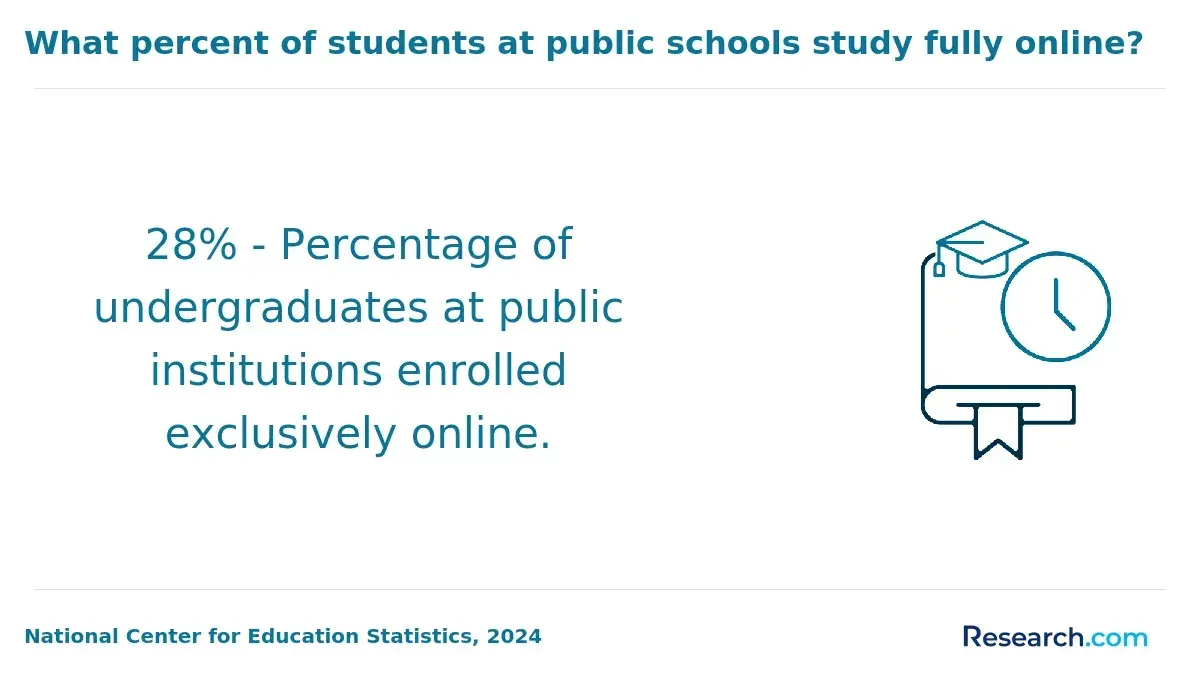
What Are the Best College Degrees for Online Students?
Business, IT, computer science, and some nonclinical healthcare or education degrees can be practical online choices when coursework and assessments fit remote delivery. The best format is one you can finish without sacrificing essential experience: projects, internships, and employer-supported work may matter as much as convenience.
Online does not necessarily mean self-paced. Check live meeting times, term schedules, proctored exams, and required campus visits. Nursing, teaching, counseling, and social work programs may put classes online while still requiring in-person clinicals, student teaching, or field placements. Short classes, including 6 week college courses online, do not mean the entire degree takes six weeks; check the full course sequence and placement calendar.
How Much Do High-ROI College Degrees Cost and How Long Do They Take?
A bachelor's degree commonly requires about 120 semester credits; a master's usually has a smaller credit requirement, but prerequisites, research, clinical work, or field placements can extend its timeline. Full-time study may finish sooner while reducing paid work hours. Part-time study can preserve income but may increase the time before any career benefit arrives.
Ask schools for an estimate of total remaining cost based on your admission status and any accepted credits - not just a per-credit tuition quote. Include fees, materials, travel, and required unpaid work. Grants, eligible federal aid, scholarships, employer assistance, and approved transfer credits may reduce what you pay. If speed is important, compare the fastest degree to get with the credential your target occupation actually requires; a quick but irrelevant degree is a poor ROI choice.
What Coursework Do High-ROI Degree Programs Typically Include?
High-ROI programs typically combine field knowledge with skills employers or licensing bodies recognize. Business degrees may emphasize accounting, analytics, and decision-making; computing degrees may require programming, systems, and mathematics; engineering adds advanced technical analysis. Applied projects can help students demonstrate those skills in hiring.
Practice-oriented degrees have different obligations. Nursing may require clinical hours, education may require student teaching, and social work may require supervised field education. A thesis can support research goals, while a capstone may better suit an applied career goal. Compare the actual curriculum and culminating requirements with the jobs you plan to pursue; a promising title is not enough.
What Admission Requirements Apply to High-ROI College Programs?
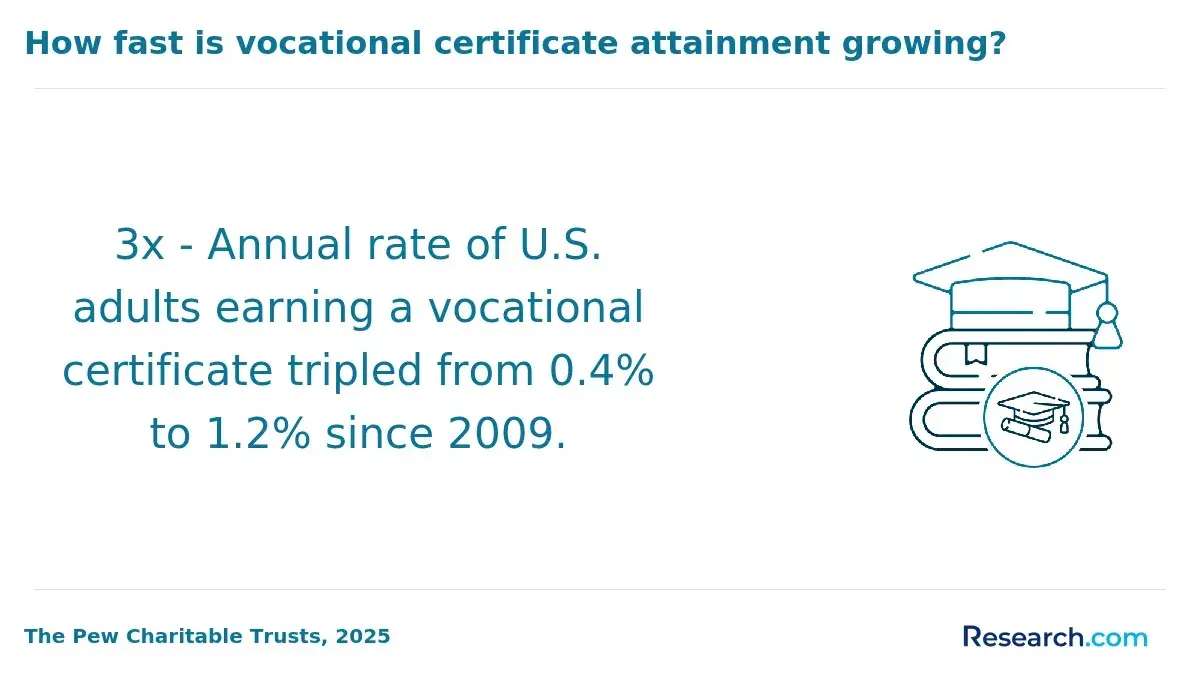
Bachelor's admission requirements vary by college and major. Selective nursing or engineering programs may have additional prerequisites even when general university admission is less restrictive. Transfer applicants should request an evaluation showing which credits satisfy major requirements, not merely how many credits the institution accepts.
Master's applicants generally need a bachelor's degree, but specific programs may also require prerequisite courses, professional experience, a license, recommendations, or a statement of purpose. A computer science career changer may need foundation coursework; an advanced nursing applicant may need an RN license. Verify current requirements with the program before assuming a test waiver, conditional admission, or accelerated pathway applies to you.
Which High-ROI Careers Require Licensure or Professional Certification?
A degree and permission to practice are separate. These examples show why the target occupation should shape your program search before you enroll.
| Career goal | Requirement beyond the degree to verify |
| Registered nurse | Eligibility for the NCLEX-RN and state RN licensure |
| Advanced practice registered nurse | Applicable graduate preparation, national certification, and state authorization |
| Public school teacher | State-specific educator certification or licensure |
| Clinical social worker | State-required supervised practice, examination, and licensure |
| Professional engineer | State board requirements, including qualifying experience and examinations |
Requirements differ by state and role. A program that is academically sound but does not meet the rules where you intend to work can impose substantial additional costs, weakening its ROI.
How Can You Choose an Accredited College Degree With Strong ROI?
Start with institutional accreditation and check any programmatic approval or accreditation needed for your intended occupation. For licensed careers, confirm eligibility with the relevant state board; do not rely only on a school's general statement that graduates are prepared for the field.
Then request comparable information from each school: a written breakdown of total costs, a transfer-credit evaluation, a plan showing remaining courses and placements, and available outcomes for the specific program. Ask employers whether the credential affects hiring or pay. Treat guaranteed-salary claims, unclear clinical-placement arrangements, and estimates that omit fees as red flags. If you have substantial relevant experience, investigate competency based programs, but confirm how prior learning is assessed and which requirements must still be completed.
Other Things You Should Know About
There is no universal winner. Computer science, engineering, and qualifying nursing pathways are worth comparing because they connect to defined occupations, but your net cost, preparation, location, and career goal determine your return.
It may be when it enables a required license, meets a documented employer requirement, or supports a specific career change. It is harder to justify solely for a job commonly open to bachelor's graduates.
Not necessarily. Occupational medians include experienced workers and do not show new-graduate earnings. Account for tuition, foregone wages, time to qualify, and any additional licensing steps.
Yes, if the program is appropriately accredited, affordable to complete, and aligned with your target job. Verify required in-person work and whether the schedule lets you maintain employment.
References
- Your financial path to graduation | consumerfinance.gov https://www.consumerfinance.gov/paying-for-college/your-financial-path-to-graduation/
- Field of degree: Occupational Outlook Handbook | bls.gov https://www.bls.gov/ooh/field-of-degree/
- Fast Facts: Undergraduate graduation rates (40) | ed.gov https://nces.ed.gov/fastfacts/display.asp
- The Major Payoff: Evaluating Earnings and Employment Outcomes Across Bachelor's Degrees - CEW Georgetown https://cew.georgetown.edu/cew-reports/major-payoff/
- Variation in Education Costs and Future Earnings | NBER https://www.nber.org/digest/apr17/variation-education-costs-and-future-earnings
- Returns to different postsecondary investments: Institution type, academic programs, and credentials - ScienceDirect https://www.sciencedirect.com/science/article/pii/S157406922200006X
- Investment in a college degree pays off by age 34 | Utah System of Higher Education https://ushe.edu/investment-in-college-pays-off-by-34/
- Career earnings by college major - The Hamilton Project https://www.hamiltonproject.org/data/career-earnings-by-college-major/
- Does College Pay Off? A Comprehensive Return On Investment Analysis - FREOPP https://freopp.org/whitepapers/does-college-pay-off-a-comprehensive-return-on-investment-analysis/
- ROI Of College Majors By Early And Mid-Career Salaries | Bankrate https://www.bankrate.com/loans/student-loans/roi-mid-career-by-major/