
2027 Best Online Degree Programs for Flexible Careers

Co-Founder and Chief Data Scientist
Choosing an online degree is not just about finding classes you can take from home. You need a program whose schedule, required hands-on work, cost, and career outcomes fit your life. The decision is especially consequential in growing fields: the U.S. Bureau of Labor Statistics (BLS) projects 34% employment growth for data scientists from 2024 to 2034, but that opportunity does not make every technology degree the right choice. This guide compares online master's program families and shows working adults and career changers how to check flexibility before enrolling.
Key Things You Should Know
- For the broadest scheduling options, compare online business, IT, and computer science master's programs first; verify whether classes are asynchronous and available part time.
- Healthcare, nursing, education, and social work programs may require scheduled clinical work, practicums, or student teaching even when coursework is online.
- Compare the full cost and remaining requirements - not tuition alone - and confirm accreditation and state licensure eligibility before committing.
Top 10 Best Online Degree Programs for Flexible Careers
Business Programs
An online MBA or specialized master's in management, accounting, or analytics can suit professionals seeking broader responsibilities without leaving their jobs. Part-time and asynchronous coursework may help, but group projects and live discussions can constrain evenings. An MBA is usually better for experienced professionals than someone seeking a first business role; a specialized degree may fit a defined accounting or analytics goal better. Compare prerequisite courses, employer tuition assistance, and whether the curriculum develops skills your target roles actually require.
Healthcare Programs
Online master's programs in healthcare administration or public health can prepare students for organizational, policy, and population-health work. They do not, by themselves, qualify graduates for clinical practice. Administration may suit someone seeking operations or leadership work; public health may better fit research, prevention, or community programs. Ask whether the program requires an internship, live sessions, or an existing healthcare background. For a regulated role, check that occupation's separate credential requirements before choosing either degree.
Information Technology Programs
An online master's in information technology, cybersecurity, or information systems emphasizes deploying and managing technology in organizations. It may suit an experienced technical worker moving toward systems design or security leadership. Look for remote-access labs, project-based courses, and electives aligned with your target role. Some cybersecurity jobs also expect substantial hands-on experience or certifications. Confirm whether courses can be taken part time and whether scheduled team projects conflict with your work hours.
Computer Science Programs
Online computer science master's programs commonly emphasize algorithms, software systems, artificial intelligence, or data-intensive computing. They can fit developers seeking deeper technical specialization, but applicants from other fields may need programming and mathematics prerequisites. A CS degree is not interchangeable with an IT management degree: compare the actual courses and capstone before applying. Asynchronous lectures can offer scheduling freedom, while exams and collaborative projects may still have fixed deadlines.
Nursing Programs
Online MSN programs generally require an active RN license and may prepare nurses for education, leadership, or advanced practice. Advanced-practice tracks also require supervised clinical hours and must meet applicable certification and state licensing rules. Online lectures do not remove those placement commitments. An RN considering an MSN should verify clinical-site support, authorization in the state where they will practice, and whether their intended role requires a particular track. Nurses without a bachelor's degree should check bridge-program eligibility rather than assume direct entry.
Psychology Programs
An online master's in psychology may support research, applied behavioral work, or preparation for further study. It does not generally qualify someone to practice independently as a psychologist, a role that usually requires doctoral education and state licensure. Counseling-oriented master's programs have different curricula and supervised-practice requirements. If therapy is your goal, confirm that the specific program meets your state's intended counselor-license pathway; do not rely on the word "psychology" in its title.
Education Programs
Online education master's programs may focus on curriculum, instructional design, educational leadership, or teacher preparation. Existing teachers can often study part time, but preparation and administrator tracks may require student teaching, fieldwork, or an existing license. If you want an initial teaching credential, verify state approval and placement arrangements before applying. If you want corporate learning work instead, an instructional design track may offer a closer match without assuming that a teaching license is necessary.
Criminal Justice Programs
An online criminal justice master's may cover policy, leadership, research methods, and justice-system administration. It can be useful for experienced public-service professionals, but many entry-level justice roles do not require a master's. Flexible coursework does not make every related career remote: field and agency positions may require shifts or on-site work. Compare an employer's advancement criteria with the program's curriculum before paying for a graduate credential.
Engineering Programs
Online engineering master's programs often serve engineers seeking specialization in areas such as systems, electrical, or mechanical engineering. Admission may require a related undergraduate degree and substantial mathematics preparation. Simulations may be completed remotely, but some programs require labs, residencies, or team meetings. Check course rotation carefully: a specialized elective offered infrequently can delay a part-time student. A master's degree also does not replace the separate experience and examination requirements for professional engineering licensure where that license applies.
Social Work Programs
An online MSW can prepare students for social work practice, but required field education takes place in person and often follows a site's daytime schedule. Graduates with an eligible bachelor's in social work may qualify for an advanced-standing track; others generally need a traditional track. Ask how placements are arranged near you and whether the program meets educational requirements in your state. Clinical licensure requires additional supervised experience and examination after the degree, subject to state rules.
What Are the Best Online Degrees for Flexible Careers?
The best online degree program for a flexible career is the one that lets you complete its actual requirements alongside your other commitments and prepares you for a role you want. For many working adults, business, IT, and computer science offer the widest range of coursework-centered options. Licensed and practice-based fields can still be good choices, but their in-person requirements demand more scheduling capacity.
This comparison highlights the principal flexibility trade-off in each program family. It describes common patterns, not a promise about every school's format.
| Master's program family | Potential flexibility advantage | Requirement to check first |
| Business, IT, computer science | Coursework and projects may be completed remotely | Live meetings, prerequisites, and course availability |
| Healthcare administration, public health, criminal justice | Often compatible with continued employment | Internships and relevance to target jobs |
| Nursing, education, social work | Online academic coursework | Clinical, teaching, or field-placement schedules |
| Engineering, psychology | Specialized study without a routine commute | Labs or prerequisites; fit with any licensing goal |
"Best" also depends on cost and return for your goal. If earnings are a major consideration, explore what degree makes the most money, then check whether the occupation actually requires the master's you are considering.
Are Online Degrees Accredited and Recognized by Employers?
A nonprofit university may be one option to compare, but nonprofit status is not a substitute for checking the specific program. The costly mistake is confirming a school's general accreditation while overlooking whether its nursing, teacher-preparation, counseling, or social work pathway supports the credential sought in your state.
How Do Online Degree Programs Compare With Campus-Based Programs?
Online and campus-based degrees can cover similar academic material; the important differences are how, when, and where you must participate. Online study may eliminate a regular commute while adding independent study demands. Campus study can make in-person labs and networking easier, but travel and fixed meeting times may be harder to manage.
For each program, request a recent course schedule and identify live classes, exam windows, group meetings, campus visits, and local placements. An online program with weekly live attendance may fit a predictable work schedule better than one with irregular meetings; an asynchronous program may fit changing shifts better, provided its deadlines are manageable. Choose based on the schedule you can sustain through graduation, not just the convenience of the first term.
What Coursework Do Flexible Online Degree Programs Include?
Some programs use projects or assessments to let students demonstrate what they know. A list of competency-based colleges can help you explore that format, but do not assume competency-based means self-paced, that work experience automatically earns graduate credit, or that required clinical work disappears. Ask for the curriculum and assessment rules of the exact degree.
What Are the Admission Requirements for Online Degree Programs?
Online master's applicants generally need a bachelor's degree and transcripts, but prerequisites and selection criteria vary by program. A computer science program may require programming and mathematics; engineering may require a related degree; an MSN typically requires RN licensure. Schools may also request recommendations, a statement of purpose, work experience, or test scores. Do not infer a GRE or GMAT waiver from a university-wide marketing page - check the program's current admissions policy.
Before applying, ask admissions to identify missing prerequisites and whether they can be completed before or during enrollment. If you have graduate coursework from elsewhere, request a written evaluation showing which courses satisfy specific requirements. Admission, transfer-credit acceptance, and eligibility for a professional track are separate decisions.
How Long Do Online Degrees Take and What Do They Cost?
Master's completion time depends on required credits, enrollment pace, prerequisites, course rotation, and any thesis or placement. A part-time plan that fits a full-time job will usually take longer than full-time study. Advanced-standing MSW or nursing bridge routes have separate eligibility rules; their advertised timelines should not be applied to applicants who lack the qualifying credential.
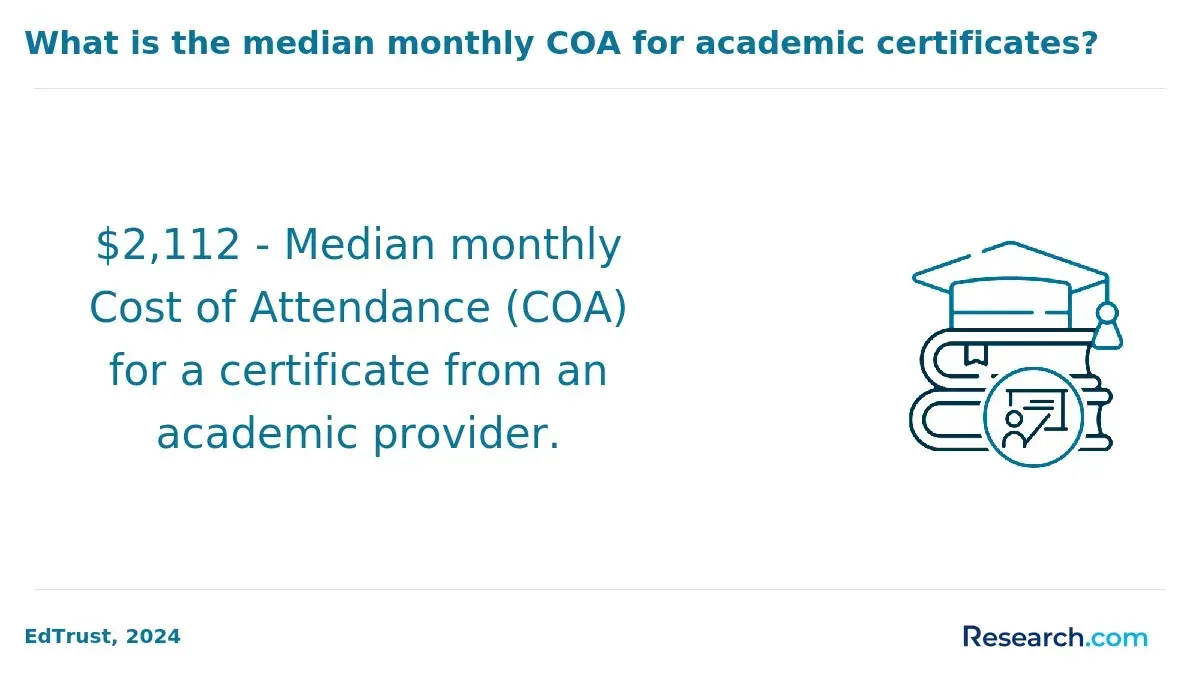
Compare a written estimate of total remaining cost: tuition for required credits, mandatory and program fees, books or technology, and travel or lost work time for placements or residencies. Ask what aid is available for your enrollment intensity and whether your employer offers tuition assistance. A low per-credit price can be poor value if prerequisites, fees, or delayed course offerings add substantially to the bill. Federal aid eligibility depends on the school, program, and student's circumstances.
What Careers Can You Pursue With an Online Degree?
Career options depend on the field and your prior preparation. An MBA may support a move toward business operations; an IT master's may strengthen a technical worker's candidacy for specialized roles; an MSW can provide the education needed to pursue qualifying social work positions. None automatically confers a management job, license, or remote position. Healthcare, teaching, engineering, and social work roles may remain location-bound even when the degree was earned online.
If your goal is research or a faculty role rather than immediate practice or advancement, compare master's study with doctoral requirements. Online PhD programs for working professionals are a distinct path: online coursework does not eliminate research, dissertation, or residency demands. Start with job descriptions for your target role and work backward to the credential employers or regulators actually request.
What Salaries and Job Outlook Can Online Graduates Expect?
Use occupational data as context, not as a forecast of what a degree will pay you. BLS reports a 2024 median annual wage of $133,080 for software developers and $93,600 for registered nurses. Those are wages across each occupation, not the salaries of online master's graduates; many workers in these roles do not need the master's programs discussed here. Experience, location, employer, and licensing affect individual outcomes.
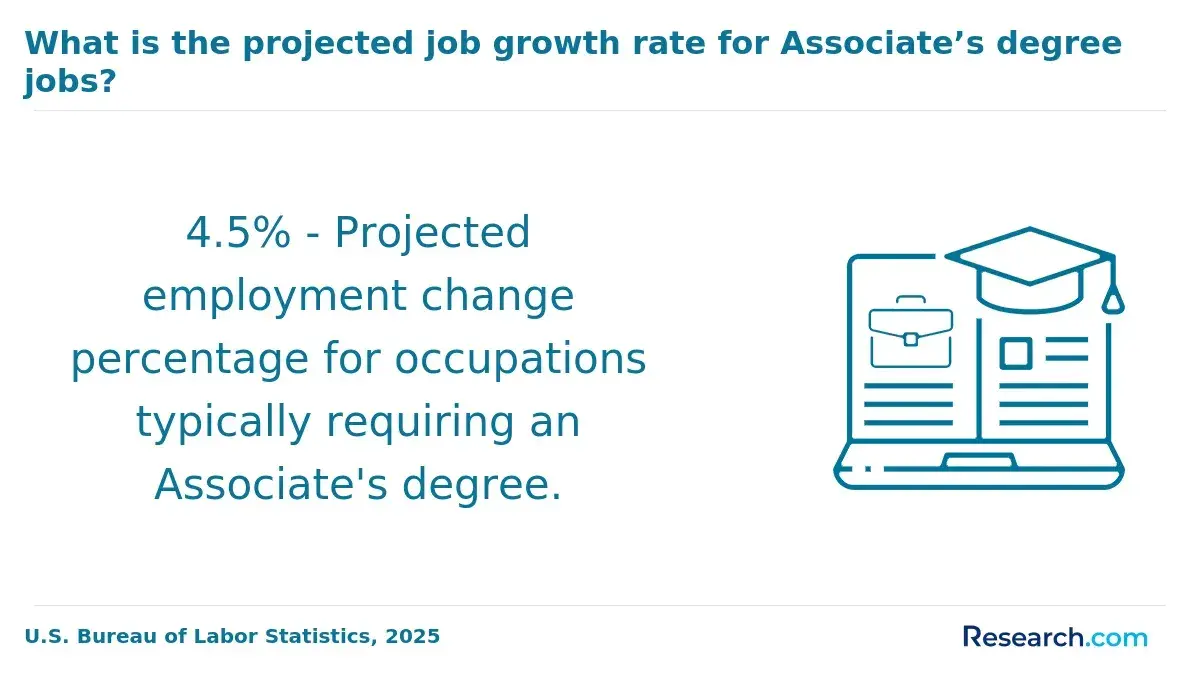
Growth projections deserve the same caution. BLS projects 34% employment growth for data scientists from 2024 to 2034, signaling demand for relevant skills - not guaranteed entry for someone completing an analytics or CS program. To assess value, compare the jobs you could realistically pursue before and after graduation, their stated qualifications, your full education cost, and the work time you might give up.
Which Certifications or Licenses Do Online Degree Graduates Need?
Licensing and certification depend on the occupation, not whether the degree is online. Advanced-practice nursing, teaching, clinical social work, counseling, and professional engineering can involve state-specific education, examinations, supervised experience, or practice requirements. Technology certifications may help demonstrate particular skills, but they are generally distinct from an academic degree and should be chosen for a target job.
Before paying a deposit, identify the state where you intend to practice and check its licensing board's requirements against the exact program and track. Ask the school how it supports required placements and whether it has determined that the program meets that state's educational rules. A warning sign is a promise that an online degree alone makes you license-eligible everywhere.
Other Things You Should Know About
Often, but check part-time enrollment, live meetings, deadlines, and required placements. A program with online classes can still demand daytime hours away from work.
Not necessarily. Asynchronous usually means you can access instruction without attending a live class; assignments and exams may still have fixed deadlines.
Only if the program accepts them and applies them to remaining requirements. Ask for a written evaluation, including any limits and credits you must complete at that school.
Choose a target role, rule out programs that miss its credential requirements, then compare verified schedules, placements, total costs, and realistic completion plans for the remaining options.
References
- Accreditation in the U.S. | ed.gov http://www.ed.gov/laws-and-policy/higher-education-laws-and-policy/college-accreditation/accreditation-in-the-us
- GAC - Chapter 135-5 REQUIREMENTS FOR LICENSURE https://rules.sos.ga.gov/gac/135-5
- Cost of Attendance (Budget) | 2025-2026 Federal Student Aid Handbook https://fsapartners.ed.gov/knowledge-center/fsa-handbook/2025-2026/vol3/ch2-cost-attendance-budget
- Degrees Leading to Professional Licensure | dmu.edu https://www.dmu.edu/about/consumer-information/degrees-leading-to-professional-licensure/
- Credit for Prior Learning | UMass Global https://www.umassglobal.edu/admissions/transfer-center/credit-prior-learning
- What's the Difference Between Asynchronous and Synchronous Learning? | Ohio State Online https://online.osu.edu/content-hub/blogs/whats-the-difference-between-asynchronous-and-synchronous-learning/
- Digital Accessibility Requirements for Online Learning - UPCEA https://upcea.edu/news/government-affairs/digital-accessibility-requirements-for-online-learning/
- Cost of Attendance - Financial Aid and Scholarships | The University of Utah https://financialaid.utah.edu/tuition-and-fees/cost-of-attendance.php
- Transfer credit practices - UC Admissions https://admission.universityofcalifornia.edu/counselors/preparing-transfer-students/transfer-credit-practice.html





