2027 Best Online Colleges With Career Services

Co-Founder and Chief Data Scientist
A college can offer a degree online without making its career support equally accessible online. That distinction matters if you need help finding internships, changing fields, or turning coursework into a job search. The stakes are substantial: the U.S. Bureau of Labor Statistics reports a 2024 median annual wage of $93,600 for registered nurses, an occupation with specific education and licensing requirements.
This guide helps prospective online students compare colleges by the career services they can actually use, then check program fit, costs, and outcomes before enrolling.
Key Things You Should Know
- Start with colleges such as Arizona State University, Southern New Hampshire University, Western Governors University, and the University of Maryland Global Campus, but verify which career services your specific online program and student status can use.
- Career services are access to support, not proof of placement. Ask for program-level outcomes; the Bureau of Labor Statistics' $93,600 median for registered nurses describes an occupation, not graduates of any college.
- Compare total program cost and required in-person work alongside coaching, recruiting access, and internship help. A low tuition rate cannot offset a program that does not meet your career or licensing goal.
Top 10 Best Online Colleges With Career Services
Business Programs
Online MBA and specialized master's programs in accounting, finance, or management suit different goals. An MBA may help experienced professionals pursue broader responsibilities; a specialized degree may better serve someone targeting a particular function. Compare each college's access to employer events, alumni introductions, and coaching for experienced candidates - not just entry-level résumé reviews. Ask whether the program includes a consulting project or internship and whether career services help online graduate students find one. An MBA alone does not qualify someone for a management role.
Healthcare Programs
Online master's options in health administration, public health, and health informatics can prepare students for different nonclinical roles. Health administration often emphasizes operations; informatics combines healthcare workflows and data systems. Ask whether career advisers understand the roles you want and can help translate prior experience for healthcare employers. Check any practicum or fieldwork requirement before assuming the program can be completed entirely from home. These degrees do not, by themselves, qualify a student for a clinical license.
Information Technology Programs
A master's in information technology, cybersecurity, or information systems may suit working technologists seeking specialized or broader technical responsibilities. Useful career support includes technical interview practice, portfolio feedback, and introductions to employers recruiting for relevant experience levels. Compare those services with the curriculum: cybersecurity governance, for example, differs from hands-on security engineering. Some roles also value certifications or substantial work experience. Confirm whether projects, exams, or employer events require attendance at set times.
Computer Science Programs
Online computer science master's programs often require programming and mathematics preparation, although prerequisites vary. They can fit software developers seeking deeper study in areas such as algorithms, artificial intelligence, or systems. Ask whether career coaching includes coding interviews and reviews of substantial projects, and whether recruiting opportunities are open to online students. A career changer should compare prerequisite time and cost with alternative entry routes; admission to a master's program does not substitute for demonstrable technical skills.
Nursing Programs
Online MSN pathways may focus on leadership, education, or advanced clinical practice, with substantially different admissions and placement needs. Many require an active RN license and clinical or practicum work in person. Career services should help students understand specialty employers, but an adviser cannot replace a program's documented clinical-placement process. If you seek advanced practice, confirm program accreditation, the rules of the state where you intend to practice, and eligibility for the relevant certification and license before enrolling.
Psychology Programs
An online master's in psychology may support research-related work or further study, while counseling and school psychology follow different professional pathways. This distinction matters more than a college's general job board. Ask advisers which roles alumni pursue and whether the department provides supervised-placement support. Do not assume a general psychology master's meets therapist licensure requirements; check the exact degree, supervised hours, examinations, and state rules for your intended occupation.
Education Programs
Online master's programs in curriculum, educational leadership, and teaching can serve different groups, including licensed teachers and prospective educators. Career coaching may help with school-district applications or leadership interviews, but it should be paired with clear guidance about student teaching, fieldwork, and state certification. Some programs are designed for already licensed teachers and do not lead to initial licensure. Verify the program's intended outcome in the state where you plan to work.
Criminal Justice Programs
An online master's in criminal justice or criminology may appeal to practitioners seeking policy, analysis, or administrative roles. Compare faculty and employer connections with the actual skills taught, such as research methods or program evaluation. Ask whether career services work with public agencies as well as private employers. Many criminal justice jobs do not require a master's, and agency hiring may involve separate examinations, background checks, or experience requirements; estimate the degree's value against your target role.
Engineering Programs
Online engineering master's programs often serve graduates who already have substantial technical preparation. A program in systems, electrical, or mechanical engineering should match the projects and employers you want to pursue. Ask whether career advisers can review technical portfolios and connect remote students with relevant recruiters. Check laboratories, team-project schedules, and any campus requirements. If professional engineer licensure is your goal, verify your state board's education and experience rules separately; a master's degree alone does not confer a license.
Social Work Programs
An online MSW can prepare students for social work practice, but field education normally requires supervised, in-person hours. Career services are most useful when coordinated with a clearly explained field-placement process and guidance on local employers. Ask whether the program accepts students in your state, how placements are arranged, and whether its accreditation supports your intended licensing pathway. Advanced-standing routes may be available to eligible BSW graduates; other applicants should not assume the same completion timeline.
What career services do the best online colleges provide?
The best online colleges with career services offer support a remote student can use: appointments by video or phone, résumé and interview coaching, employer connections, and help locating relevant experiential opportunities. Availability does not establish that students obtain jobs. The distinction is especially important for graduate students, career changers, and students who cannot attend campus recruiting events.
The colleges below are a practical, unranked shortlist to investigate. Their career-service offerings give you a starting point; confirm current eligibility and access for the specific online degree you want.
| College | Career-support starting point | What to confirm before applying |
| Arizona State University | University career services and online-student career resources | Which appointments, events, and employer tools your online program can access |
| Southern New Hampshire University | Career development support for online learners | Whether advisers support your field and career stage |
| Western Governors University | Career and professional development resources | How its recruiting and coaching opportunities fit your target role |
| University of Maryland Global Campus | Career services oriented toward working and online students | Which services are available to your degree level and after graduation |
Use the same test for any other college: request a demonstration of the online career portal and ask how a student in your program would book an adviser, meet employers, and get help with an internship or practicum.
How can you verify online college accreditation and career outcomes?
Check institutional accreditation through the U.S. Department of Education's accreditation database or the accreditor itself, then check any programmatic accreditation your profession requires. For licensed fields, confirm eligibility with the licensing board in the state where you intend to work. Accreditation is necessary for many pathways, but it is not evidence of strong career outcomes.
Request outcomes for the specific online program: the graduating group measured, response rate, employment definition, and whether results separate students already employed when they enrolled. A college-wide placement figure can conceal major differences between fields. If comparable program data is unavailable, ask to speak with recent online graduates and treat any broad job-placement claim cautiously.
How much do online colleges with career services cost?
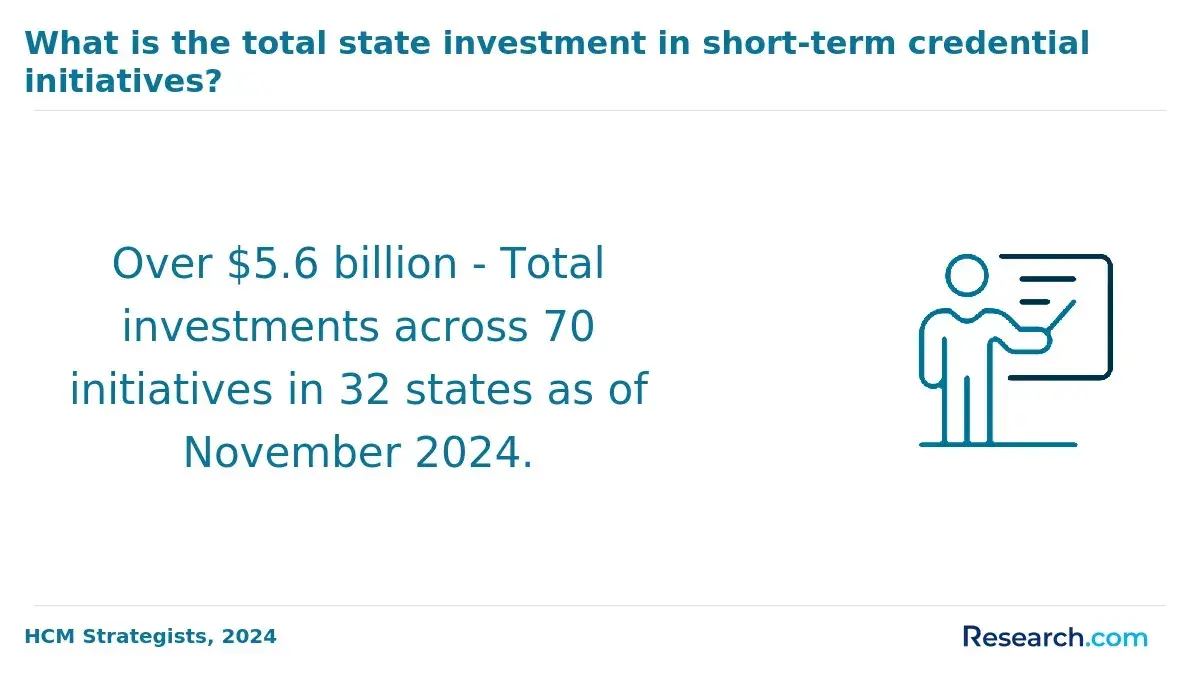
There is no single price for an online college with career services. Your useful comparison is the estimated total cost to finish your chosen program: tuition for remaining credits, mandatory and program fees, books or equipment, and any travel or placement expenses. Ask whether career coaching and recruiting tools are included or carry separate charges.
These cost categories help prevent a low advertised tuition rate from obscuring a more expensive degree.
- Academic costs: Tuition, mandatory fees, prerequisite courses, and credits that do not apply to the degree.
- Participation costs: Required technology, travel, campus visits, and unpaid clinical or fieldwork time.
- Financing: Grants, employer assistance, scholarships, and the repayment implications of any loans.
Ask for a written estimate based on your course load and transfer evaluation. Compare that estimate with affordable master's degrees online, but do not choose on sticker price alone if the less expensive program lacks the placement support your field requires.
Which online degree programs offer the strongest career pathways?
The strongest pathway is the one that matches a defined occupation and its actual entry requirements. Nursing and licensed social work demand more than online coursework; software roles place substantial weight on technical skill and projects; business and administration roles often depend on prior experience. A college's career team should be able to explain how students in your program demonstrate those requirements to employers.
For a career changer, compare a master's with a certificate, qualifying undergraduate coursework, or direct experience. A short online master degree may look appealing, but its value depends on admission prerequisites, remaining requirements, and whether it fits the job you actually want. Ask to see a typical course sequence and examples of relevant student projects - not a promise of employment.
What career support is available to online students before graduation?
Effective career support starts before the final term. Online students may be able to work with advisers on a career plan, build a portfolio, practice interviews, and identify internships or field placements while coursework is still underway. Confirm when access begins: some recruiting opportunities or specialized services may depend on enrollment status, program, or location.
Returning students should also ask how advisers help present earlier work experience alongside a new credential. That question is particularly useful when comparing degrees for older adults or changing fields after a long career. Start a job search early enough to learn which skills employers request, then use electives and projects to address realistic gaps.
How do online college career services compare with campus services?
Online career services can deliver individual coaching effectively by video, but they may offer a different recruiting experience from campus-based fairs or informal faculty introductions. Neither format is automatically better; accessibility and relevance to your employers matter more.
This comparison shows where to look beyond a college's claim that online and campus students have access to the same office.
| Career activity | Potential online advantage | Potential limitation to check |
| Advising and interview practice | Remote appointments avoid travel | Available hours may conflict with work |
| Employer events | Virtual sessions can reach distant employers | Some recruiters or events may focus on campus students |
| Internships and fieldwork | Local opportunities may fit where you live | Finding an approved site may fall partly on the student |
Ask for the online event calendar, appointment hours, and placement responsibilities in writing. "Same services" is only meaningful if you can use them on your schedule and in your location.
What admission requirements apply to online colleges and degree programs?
Admission rules depend on both the college and the degree. An undergraduate applicant may need a high school credential and transcripts; a master's applicant generally needs a qualifying bachelor's degree. Individual programs can add prerequisites, professional experience, a license, recommendations, or a portfolio. Test policies and GPA thresholds also vary, so an institution's general admissions page may not describe your program.
If you are considering the easiest masters programs to get into, distinguish accessible admission from a good career fit. Ask admissions to confirm program-specific requirements and request an evaluation of previous coursework before estimating completion time. Accepted transfer credit may reduce electives without satisfying a major prerequisite, and graduate credit does not automatically transfer between programs.
What salaries and job outlooks can online college graduates expect?
U.S. Bureau of Labor Statistics wages describe workers in an occupation - not what graduates of a particular online college earn. For example, its 2024 median annual wage was $133,080 for software developers and $93,600 for registered nurses. Software development jobs commonly require demonstrable programming ability; registered nurses must meet state licensure requirements. Neither figure is a promised return on a degree.
Use the BLS Occupational Outlook Handbook to check the duties, typical entry education, pay, and projected employment change for your specific target occupation. Then compare those requirements with the program's curriculum, your prior experience, and the college's documented career support. A growing occupation can still be competitive in your location or specialty.
How should you choose a reputable online college with career services?
Choose a college only after checking that its online degree, career services, and total cost work together for your goal. Rankings and a prominent job board are weaker evidence than answers about the support your particular program receives.
Use these steps to narrow your shortlist and avoid the most consequential enrollment mistakes.
- Identify a target role and verify its education, experience, certification, and state licensing requirements.
- Confirm institutional and, where relevant, programmatic accreditation; check online coursework and every required in-person component.
- Ask a career adviser what coaching, recruiting, and placement help online students in your degree can actually use.
- Request program-level outcomes with clear definitions, then compare total remaining costs after any confirmed transfer credit and aid.
- Speak with an online student or recent graduate about access to advisers, employers, and required placements.
Be cautious if a college promises a job, cannot explain who secures clinical placements, or quotes a completion time before reviewing your record. The right choice is the college that can substantiate its support for your program and career path.
Other Things You Should Know About
Some colleges offer access to the same office, but appointment hours, recruiting events, and placement help can differ. Confirm what your online program can use.
No. Coaching, job boards, and employer events can support a search, but they do not guarantee interviews or employment.
Yes. Clinical work, practicums, student teaching, labs, or residencies may require attendance at an approved location. Check the program's requirements before enrolling.
Ask for results for your specific program, the response rate, how employment was defined, and whether graduates who already had jobs were counted.
References
- 2024 Massachusetts College and Career Outcomes Report | mass.gov https://www.mass.gov/info-details/2024-massachusetts-college-and-career-outcomes-report
- Online and computer-assisted career guidance: Are students prepared for it? - PMC https://pmc.ncbi.nlm.nih.gov/articles/PMC10074588/
- Education matters: Career Outlook | bls.gov https://www.bls.gov/careeroutlook/2016/data-on-display/education-matters.htm
- Why Is Accreditation Important? | ACE Blog https://ace.edu/blog/why-is-accreditation-important/
- Career & Employment Services | Central Community College | Nebraska https://cccneb.edu/success/career-services/
- Tuition in Detail - One Stop Student Services https://onestop.utk.edu/billing-payments/tuition-detail/
- Tuition and Fees Information - Washington, DC | American University https://www.american.edu/finance/studentaccounts/tuition-and-fees-information.cfm
- Career Development FAQs | fullsail.edu https://www.fullsail.edu/about/faqs/career-development
- For Students | Center for Career Services | Enrollment and Student Success | The George Washington University https://careerservices.gwu.edu/students
- Career Outcomes - OU Online - The University of Oklahoma https://online.ou.edu/about/outcomes/