2027 Best Online College Programs With Flexible Deadlines

Co-Founder and Chief Data Scientist
A program can be online and still require live classes, rigid weekly deadlines, or daytime clinical placements. If you are fitting college around work or family, those details matter more than the "online" label. Flexibility is especially consequential in growing fields: the U.S. Bureau of Labor Statistics (BLS) projects registered nurse employment to grow 6% from 2023 to 2033, but nursing education also involves hands-on requirements.
This guide compares program fields by the flexibility they can realistically offer and shows you how to check schedules, costs, admissions, and career requirements before enrolling.
Key Things You Should Know
- Check deadlines at the program level: Asynchronous classes may still have weekly due dates; rolling admissions and frequent starts do not make coursework self-paced.
- Match flexibility to the work required: Business and some computing master's programs may offer substantial scheduling freedom, while nursing, education, and social work commonly include supervised placements.
- Compare the whole pathway: BLS reports a May 2024 median wage of $93,600 for registered nurses, but an online nursing master's degree alone does not confer RN licensure or promise that wage.
Top 10 Best Online College Programs With Flexible Deadlines
Business Programs
Online MBA and specialized master's programs in areas such as accounting or management can suit working professionals who need evening study and predictable weekly deadlines. Some courses allow asynchronous participation, but team projects, presentations, and scheduled exams can limit flexibility. An MBA often expects professional experience, while a specialized degree may require accounting or quantitative foundations. Compare part-time course availability and the total price of required credits, not just the advertised length of each class. Neither credential guarantees a management role.
Healthcare Programs
Online master's programs in healthcare administration, public health, and health informatics can support career advancement without preparing students for the same jobs. Administration emphasizes operations; public health may involve research or community practice; informatics combines healthcare workflows and data. Ask whether the program permits part-time enrollment and whether a practicum, capstone, or scheduled group work is required. A flexible academic schedule may appeal to shift workers, but a required field experience can still have fixed hours. Check program-specific admissions prerequisites and employer expectations.
Information Technology Programs
Online master's programs in information technology commonly cover systems, cybersecurity, networking, or cloud operations. They can fit experienced IT workers seeking specialization, particularly when labs are remotely accessible and assignments have predictable windows. Check whether courses require live troubleshooting sessions, proctored exams, or a sequenced capstone. Applicants changing fields should ask about programming and networking prerequisites. A degree may complement practical experience or certifications, but it does not replace the hands-on skills employers may assess.
Computer Science Programs
An online computer science master's typically emphasizes algorithms, software, computing systems, or artificial intelligence rather than general IT administration. Asynchronous lectures can help with scheduling, but coding assignments and team projects retain firm deadlines. Applicants without a computer science background may need foundation courses, increasing time and cost. Compare course rotation, required mathematics, and whether a thesis or project is mandatory. Choose this path for deeper technical study; a shorter skills-based option may better fit someone seeking one specific tool.
Nursing Programs
Online MSN programs may prepare licensed nurses for leadership, education, or advanced practice, but the tracks have different admission and clinical requirements. Advanced practice routes generally require in-person supervised clinical training and later certification and state authorization. Confirm RN-license eligibility, placement support, approved clinical locations, and required campus visits before comparing online coursework schedules. Shift-friendly lectures will not make a clinical rotation self-paced. Nurses seeking management rather than clinical practice should compare their goals with the track's actual curriculum.
Psychology Programs
Online psychology master's programs can emphasize research, applied psychology, or counseling-related study. These are not interchangeable credentials: a general psychology degree usually does not independently qualify someone for counselor or psychologist licensure. Research projects and online seminars may offer scheduling flexibility, while a licensure-oriented track may require supervised fieldwork at set times. Before applying, check the curriculum, state licensing rules for your intended occupation, and any residency or internship requirements.
Education Programs
Online master's programs in curriculum and instruction, educational leadership, and teaching serve different purposes. A program for practicing teachers may permit flexible coursework but require a current classroom for assignments. Initial-licensure pathways commonly involve supervised student teaching and state-specific approval, which can sharply limit daytime flexibility. Ask whether the degree leads to a new license, an endorsement, or neither. Verify your state's rules before selecting an out-of-state online program.
Criminal Justice Programs
Online criminal justice master's programs often focus on policy, administration, analysis, or leadership rather than police academy training. They may work well for employed public-service professionals when lectures are asynchronous and research deadlines are published in advance. Check for internships, cohort-based courses, and employer tuition assistance. A master's may be useful for particular advancement goals, but hiring and promotion standards differ by agency; verify the roles you want before paying for the degree.
Engineering Programs
Online engineering master's programs may specialize in established disciplines or engineering management. They often suit applicants with relevant undergraduate preparation; foundation courses can extend the timeline for others. Recorded lectures do not eliminate scheduled exams, laboratory access, or collaborative design work. Check whether the degree requires a campus visit, thesis, or employer-supported project. If professional engineer licensure is your goal, review your state board's education and experience rules separately rather than assuming a master's alone establishes eligibility.
Social Work Programs
An online MSW can offer flexible academic coursework, but supervised field education requires substantial time with an approved placement. Some schools offer advanced standing for applicants with an eligible social work bachelor's degree; others follow a longer foundation route. Verify placement hours, daytime availability, travel expectations, program accreditation, and your state's licensing rules. For someone unable to accommodate fieldwork, an online classroom schedule alone will not make the program workable.
What Are Online College Programs With Flexible Deadlines?
Online college programs with flexible deadlines offer some control over when students apply, start, attend class, or complete coursework. These are separate features. Rolling admissions concerns application review; multiple starts concern entry dates; asynchronous instruction concerns when students access lessons; and self-paced study concerns the rate of progress. None automatically implies the others.
For most learners, the useful question is not "Is it online?" but "Which obligations can I move?" A course with recorded lectures and Sunday assignment deadlines may work around a job. A competency-based program may offer greater pacing control, yet still impose term limits or assessment rules. Clinicals, practicums, and student teaching generally follow the availability of approved sites.
Which Accredited Online Colleges Offer Rolling Admissions?
Rolling admission means an institution reviews applications over an extended period rather than only after a single deadline. Southern New Hampshire University is an example to investigate for rolling online undergraduate admission. Western Governors University advertises frequent starts for many online programs, but start frequency is not itself a rolling-admission policy. Neither example establishes the policy for every degree or applicant.
Check the current admissions page for your specific program and education level, then ask when a complete application will receive a decision and what must be finished before the next start. If application costs also affect your options, compare best online colleges with no application fee; a fee policy is separate from admission timing.
How Do You Choose a Reputable Online College Program?
A reputable choice meets your academic and career requirements and offers a schedule you can sustain. Institutional accreditation matters for issues such as federal aid eligibility and credit recognition; certain licensed fields also call for programmatic accreditation or state approval. Confirm accreditation with the accreditor and check professional requirements with the relevant state board.
Before committing, request written answers to the questions that most directly affect completion:
- Which classes require live attendance, and how far ahead are assignment and exam deadlines published?
- Are required courses offered often enough for part-time students to progress without a long wait?
- What campus visits, proctored assessments, placements, or local site approvals are required?
- Which previous credits will satisfy degree requirements, and what tuition and required fees remain after evaluation?
Common mistakes include mistaking short courses for a short degree, assuming experience automatically earns credit, and relying on an institution's general online description instead of the intended program's requirements.
What Online Degree and Certificate Programs Are Available?
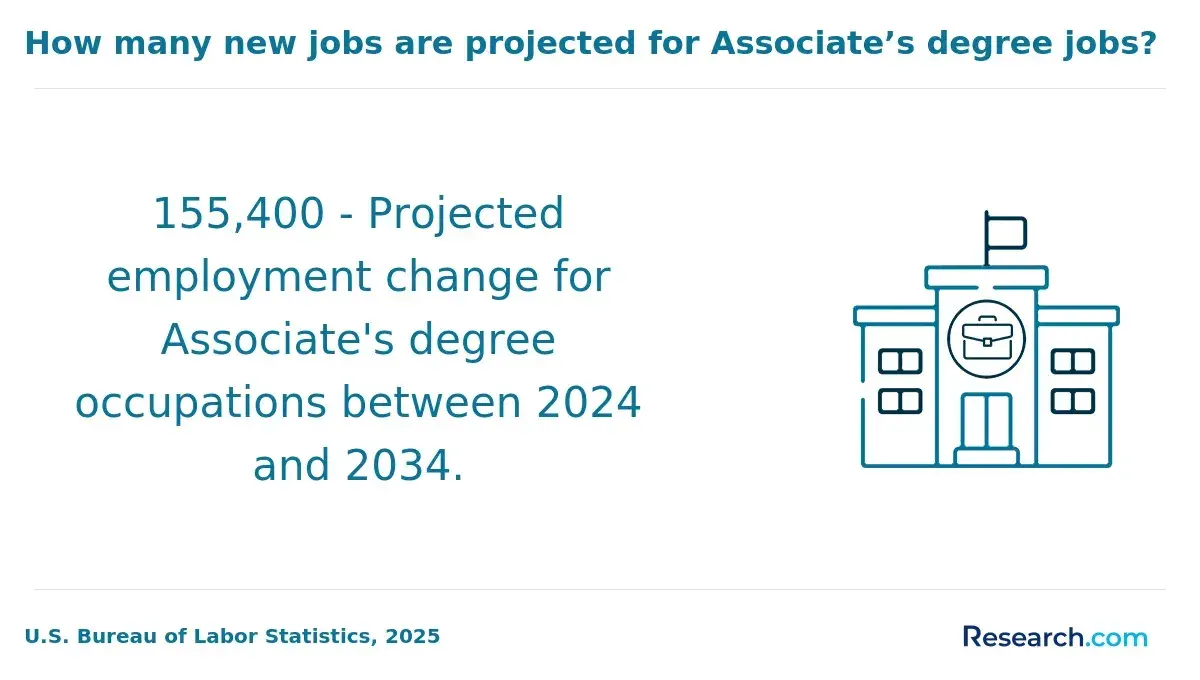
Flexible online options span certificates, associate degrees, bachelor's degrees, and master's degrees. A certificate can target a narrower skill, while a degree usually includes broader or more advanced coursework. Graduate programs may also require prior coursework, a capstone, research, or supervised practice. The right credential depends on the job's entry requirements - not on which program has the easiest schedule.
The distinctions below help narrow a search before comparing individual schools.
| Option | Potential scheduling advantage | Limit to check |
| Academic certificate | Focused set of courses | May not meet a degree or license requirement |
| Associate or bachelor's degree | Part-time and transfer pathways may be available | Required courses may follow a fixed sequence |
| Master's degree | Online coursework may suit employed applicants | Prerequisites, projects, or placements can constrain timing |
Academic certificates are also different from professional certifications. If a targeted credential fits your goal better than another degree, compare certification programs online against the qualifications employers actually request.
What Are the Admission Requirements for Flexible Online Programs?
Requirements vary by credential and program. Undergraduate applicants commonly provide prior school transcripts; graduate applicants generally need a bachelor's degree and may face field-specific prerequisites, recommendations, professional-experience expectations, or a minimum GPA. Some programs have separate admission to a clinical or licensure track. An institution's broad admissions policy does not override those requirements.
Ask for a transcript evaluation before building a completion plan. Accepted transfer credit may fill electives without satisfying major requirements, and a school may require a minimum number of credits completed there. Graduate transfer rules can differ from undergraduate rules. Prior learning, military education, or certifications count only if the institution evaluates and awards applicable credit under its published policy.
How Long Do Online College Programs Take and Cost?
Time to completion depends on remaining credits, enrollment intensity, course rotation, prerequisites, and culminating work. A short academic term describes the length of a class - not the length of the whole credential. Part-time study may be more manageable alongside a job, while taking more classes can reduce calendar time but increase weekly pressure.
Compare total remaining cost: tuition for the credits you must take, mandatory and program fees, books or software, and travel or placement expenses. Review financial aid eligibility and employer assistance rather than treating a low per-credit price as the final bill. Accelerated degrees may be worth comparing if speed matters, but confirm the transfer-credit assumptions and workload behind any advertised timeline.
How Do Online Programs Compare With Campus-Based Programs?
Online programs can reduce commuting and allow students to access coursework around work hours. Campus programs can provide scheduled access to facilities, classmates, and in-person instruction. Neither format is inherently easier or more flexible: an online cohort with mandatory live meetings may offer less scheduling control than an evening campus class.
Choose based on the obligations you cannot move. Someone with rotating shifts may favor recorded instruction and clearly posted weekly deadlines. Someone needing specialized equipment or close supervision may benefit from campus or hybrid study. For either format, check whether internships, clinicals, or labs take place on a schedule you can actually meet.
What Careers and Salaries Can Online College Programs Lead To?
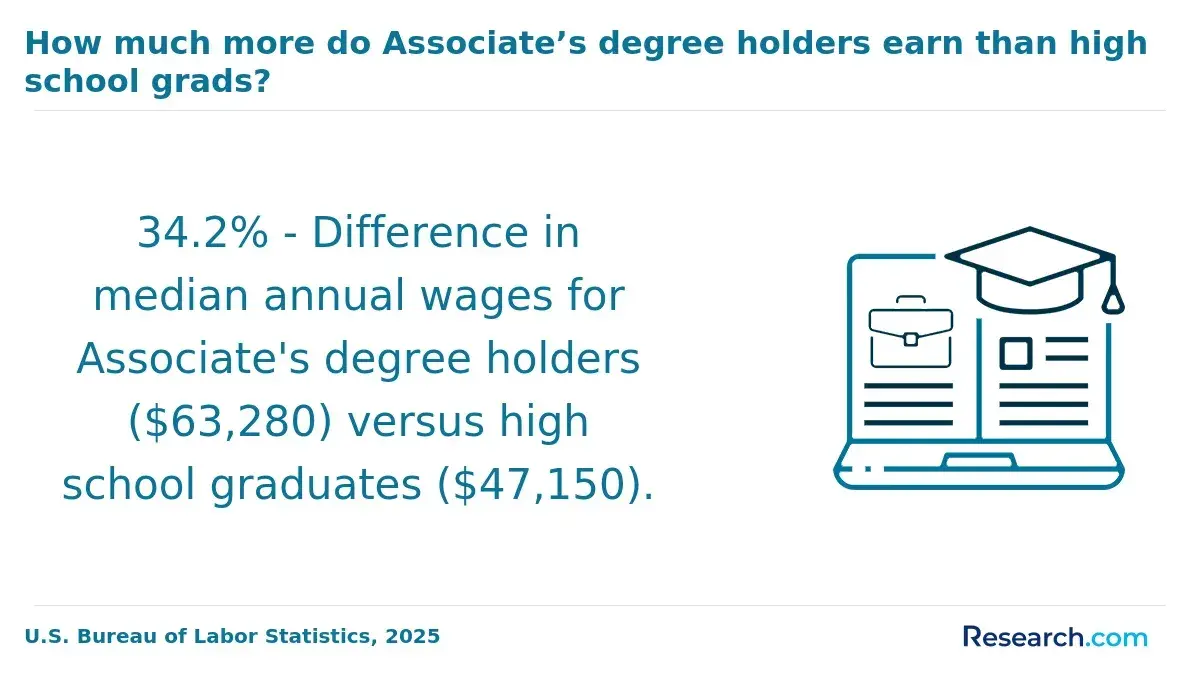
Career outcomes depend on the field, previous experience, location, and any required license - not simply on online delivery. An IT program might support a move into technical work, while a healthcare administration degree may be more relevant to operations than clinical practice. BLS occupational wage figures describe workers in a role; they are not forecasts of what graduates of a particular program will earn.
Work backward from job postings and licensing requirements. If the target role does not require a graduate degree, weigh the cost against a certificate, experience, or a lower-cost entry route. For some goals, 1 year associate degree programs may be an alternative to investigate, provided the advertised pace, transfer assumptions, and credential match your plan.
Which Certifications and Licenses Require Additional Training?
A degree and a professional credential are separate achievements. Depending on the role and state, teaching, counseling, social work, advanced practice nursing, and professional engineering can require approved education, examinations, supervised experience, or ongoing licensing steps. IT certifications may require exams even when the associated coursework is completed online.
Before enrolling in a licensure-oriented program, confirm that its curriculum and accreditation meet the rules where you intend to work. Ask who arranges placements and whether you can complete them locally. The avoidable mistake is paying for an online program whose classes fit your life but whose required training - or resulting credential - does not fit your state or career goal.
Other Things You Should Know About
Usually not. Many asynchronous courses let you choose when to study but still require assignments or exams by set dates. Ask for a sample course schedule.
Some schools offer frequent starts or rolling admissions, but programs may have separate deadlines and limited course availability. Confirm both your application timeline and first-course date.
Employers assess factors such as the institution, relevant skills, experience, and any required license. Check accreditation and whether the specific program prepares you for your intended role.
Online coursework may be available, but clinical placements and student teaching require supervised practice at an approved site. Check location and scheduling requirements before applying.
References
- DAPIP | Homepage - Office of Postsecondary Education (OPE) https://ope.ed.gov/dapip/
- Understanding College Costs | studentaid.gov https://studentaid.gov/resources/prepare-for-college/students/choosing-schools/consider-costs
- Credit for Prior Learning - PA College Transfer https://collegetransfer.pa.gov/Administrators/Credit-for-Prior-Learning
- Alternative Deadlines for Assignments Policy and Procedures | Pomona College in Claremont, California - Pomona College https://www.pomona.edu/accessibility/student-accessibility/accommodation-services/alternative-deadlines-assignments-policy-and-procedures
- Undergraduate Transfer Credit and Credit for Prior Learning | charlotte.edu https://provost.charlotte.edu/policies-procedures/academic-policies-and-procedures/undergraduate-transfer-credit-credit-for-prior-learning/
- Understanding Accreditation for Online Degrees | UMass Global https://www.umassglobal.edu/blog-news/online-degrees-accredited-identify-quality-distance-learning-programs
- Tuition & Expenses | Student Financial Services https://financialaid.wsu.edu/tuition-and-expenses/
- Transfer Credits from Other Institutions | psu.edu https://priorlearning.psu.edu/transfer-credits-other-institutions
- Transfer credit policies - Office of Admissions https://admit.washington.edu/apply/transfer/policies/
- Transfer credit practices - UC Admissions https://admission.universityofcalifornia.edu/counselors/preparing-transfer-students/transfer-credit-practice.html