2027 Best Online Degree Programs for Veterans

Co-Founder and Chief Data Scientist
The best online degree program for a veteran depends on more than its subject: military benefits, prior learning, scheduling, and civilian career requirements can change which option is worth pursuing. The U.S. Bureau of Labor Statistics reported a $132,270 median annual wage for software developers in 2023, but that occupational figure is not a promised graduate salary. This guide compares online master's degree fields for veterans who already hold a bachelor's degree, then shows how to check benefits, costs, accreditation, and career fit before enrolling.
Key Things You Should Know
- Start with the civilian role: an MBA, computer science master's, and social work master's serve different goals, even when all are offered online.
- Eligible veterans may have up to 36 months of Post-9/11 GI Bill entitlement; the payment rate and covered costs depend on individual eligibility and the approved program.
- Ask for a written review of applicable graduate transfer credit before comparing prices or completion times; military experience does not automatically reduce master's requirements.
Top 10 Best Online Degree Programs for Veterans
Business Programs
An online MBA suits veterans moving toward operations, finance, consulting, or management; a specialized master's in accounting, analytics, or supply chain management offers a narrower skill set. Compare leadership coursework with technical electives, employer connections, and the cost of any residency. An MBA is not required for most management jobs, and experience remains important. Check the school's accreditation and whether business-school accreditation matters to your target employer. Applicants commonly need a bachelor's degree; some programs also seek work experience or prerequisite coursework.
Healthcare Programs
An online master's in healthcare administration or public health can help veterans apply logistics, personnel, and operational experience to healthcare organizations. Administration emphasizes budgeting and service delivery; public health emphasizes population health, research, and policy. Neither degree alone qualifies a graduate to practice a licensed clinical profession. Check whether an internship, practicum, or local field placement is required, particularly if you are relocating or working full time. A health informatics program may be a better fit for veterans who want to work with clinical data rather than manage services.
Information Technology Programs
Online master's programs in information technology or cybersecurity can suit veterans with communications, intelligence, systems, or security experience. Compare hands-on labs, cloud and networking coursework, security governance, and any technical prerequisites. A general IT master's may favor systems leadership, while a cybersecurity concentration targets more specialized work. Federal or defense-related roles may impose separate clearance or certification requirements; enrollment does not confer either. Ask how remote labs operate and whether group projects or examinations require scheduled attendance.
Computer Science Programs
An online computer science master's is best for veterans seeking deeper preparation in software, algorithms, artificial intelligence, or computing research. It differs from an IT management degree: substantial programming and mathematics prerequisites may make entry difficult for applicants without a computing background. Review bridge courses and whether they add tuition and time. Compare project-based and thesis options against your goal. The degree can support a career change, but a portfolio and demonstrable coding skills remain important when applying for development roles.
Nursing Programs
Online MSN programs generally serve already-licensed registered nurses, not veterans seeking initial RN licensure. Tracks may focus on education, leadership, informatics, or advanced clinical practice. Clinical tracks commonly require supervised placements in person, and state authorization and licensure rules matter even when coursework is online. Veterans without an RN license should investigate an appropriate entry-to-practice nursing route first. Before applying, confirm the required nursing credential, programmatic accreditation, placement arrangements, and whether the intended track meets the rules of the state where you plan to practice.
Psychology Programs
An online master's in psychology can support research, human services, or preparation for further study, depending on its curriculum. It should not be confused with a clinical psychology doctorate or a counseling degree designed around a particular license. Veterans interested in mental health practice should check their state board's degree, coursework, supervised-experience, and examination requirements before enrolling. Compare research methods, any practicum, and career outcomes; a broadly titled psychology master's may not provide a direct route to independent clinical practice.
Education Programs
An online M. Ed. may suit veterans interested in instructional design, curriculum, education leadership, or teaching. These are different paths: an instructional-design program may prepare students for workplace training, while a teacher-preparation track must satisfy state-specific licensure rules and usually includes supervised classroom experience. Some M. Ed. programs expect an existing teaching license; others accept career changers. Confirm entry requirements, student-teaching arrangements, and whether the program is approved for the state where you intend to work.
Criminal Justice Programs
An online criminal justice master's can help veterans build expertise in policy, public administration, corrections, or security analysis. Choose it for a defined advancement goal rather than assuming agencies require a graduate degree for entry-level roles. Compare quantitative and policy coursework with opportunities to apply existing military experience. Law-enforcement hiring standards, background checks, academy training, and agency requirements remain separate from the degree. Veterans targeting cybersecurity or emergency management may find a specialized program more directly relevant.
Engineering Programs
Online engineering master's programs can serve veterans who already have substantial engineering or closely related technical preparation. Systems engineering may connect well with acquisition and complex operations; electrical or mechanical engineering usually demands more field-specific prerequisites. Verify whether required laboratories can be completed remotely and whether a project, thesis, or campus visit is necessary. A master's degree does not itself grant a professional engineer license; state boards set separate education, examination, and experience rules. Applicants changing fields should price any foundation courses.
Social Work Programs
An online MSW may appeal to veterans who want to support service members, families, or other communities. Programs include supervised field education completed in person, so "online" does not mean location-free. Advanced-standing routes generally require an eligible bachelor's in social work and have separate admission rules; military service alone does not establish eligibility. Check social work accreditation, local placement support, and your state's clinical licensure requirements. Applicants seeking counseling rather than social work practice should compare the two licensing pathways before choosing.
What online degrees are best for veterans seeking civilian careers?
The best online master's degree for a veteran is the one that meets a specific civilian career goal without creating avoidable cost or licensing barriers. Business and healthcare administration can build on leadership and operations experience; IT and computer science offer different technical paths; nursing, education, and social work require particularly careful review of entry credentials and in-person training.
If your goal is advancement in your existing field, compare programs that recognize your experience through admissions or project work. If you are changing fields, look more closely at prerequisites and entry-level hiring expectations. Program difficulty also varies by preparation: a guide to the easiest masters degree can frame questions about workload, but the least demanding option is not necessarily the best career investment.
How can veterans use GI Bill benefits for online degree programs?
Veterans can use GI Bill benefits for an online degree when the specific school and program are approved for their applicable VA education benefit. The Post-9/11 GI Bill can provide up to 36 months of entitlement, but tuition payments, housing allowance, and other payments depend on eligibility, enrollment, and program details. An exclusively online course load is subject to different housing-allowance rules from qualifying in-person enrollment.
Before committing, obtain your VA eligibility documentation and ask the school's certifying official to confirm the program's approval, tuition and fee certification, term dates, and how your course load will be reported. Ask whether Yellow Ribbon participation applies to your situation; it is not a substitute for checking the actual uncovered balance. Compare benefit use against the full program length, especially if prerequisites or fieldwork extend enrollment.
How do veterans verify online college accreditation and VA approval?
Check both the institution and the exact program. Institutional accreditation concerns the school; programmatic accreditation may matter separately for fields such as nursing and social work. VA approval determines whether a particular program can be certified for education benefits. None of these checks replaces a state licensing review.
Use the U.S. Department of Education's accreditation database to identify the school and its recognized accreditor, then confirm the status with the accreditor. Check the relevant programmatic accreditor where applicable. Finally, verify the precise degree, delivery format, and location in VA's school-comparison information and with the school's certifying official. A common mistake is assuming that accreditation or VA approval of one campus or degree automatically covers another program.
Which online degree programs offer military credit for prior learning?
Some universities evaluate military education documented on a Joint Services Transcript or Community College of the Air Force transcript. At the master's level, however, applicable credit is often more limited than at the bachelor's level: graduate departments decide whether prior graduate coursework or documented learning is equivalent to a required graduate course. Service alone does not automatically earn credit.
Request a program-specific evaluation before enrollment. Ask which credits satisfy required courses rather than electives, what grade and recency rules apply, how many credits must be completed at the institution, and whether a capstone or practicum remains mandatory. A list of competency-based colleges may suggest another format to investigate, but competency-based study is not the same as automatic military credit; verify the policy for the exact master's program.
What are the admission requirements for veterans applying online?
Most online master's applicants need a completed bachelor's degree and academic transcripts. Depending on the field, admissions may also require prerequisite courses, a résumé, recommendations, a statement of purpose, relevant professional experience, a teaching or nursing license, or a technical portfolio. Testing and GPA policies vary by program, so an institution-wide admissions page may not answer the question.
Veterans should ask admissions to review both civilian and military transcripts and clarify whether missing prerequisites can be taken before or after admission. For a licensed-field program, verify eligibility for the specific track before paying an application fee. Being admitted to a university does not necessarily mean being admitted to its nursing, engineering, or other selective graduate program.
How long do online degree programs take, and what do they cost?
Online master's degrees vary in required credits and pace. A shorter, nonclinical program may take less time than one with foundation courses, a thesis, sequenced classes, or supervised placements. Part-time study can make employment easier to manage but extends the calendar; accelerated terms do not eliminate required coursework. Ask each school for a plan showing the courses you would actually have left after any credit evaluation.
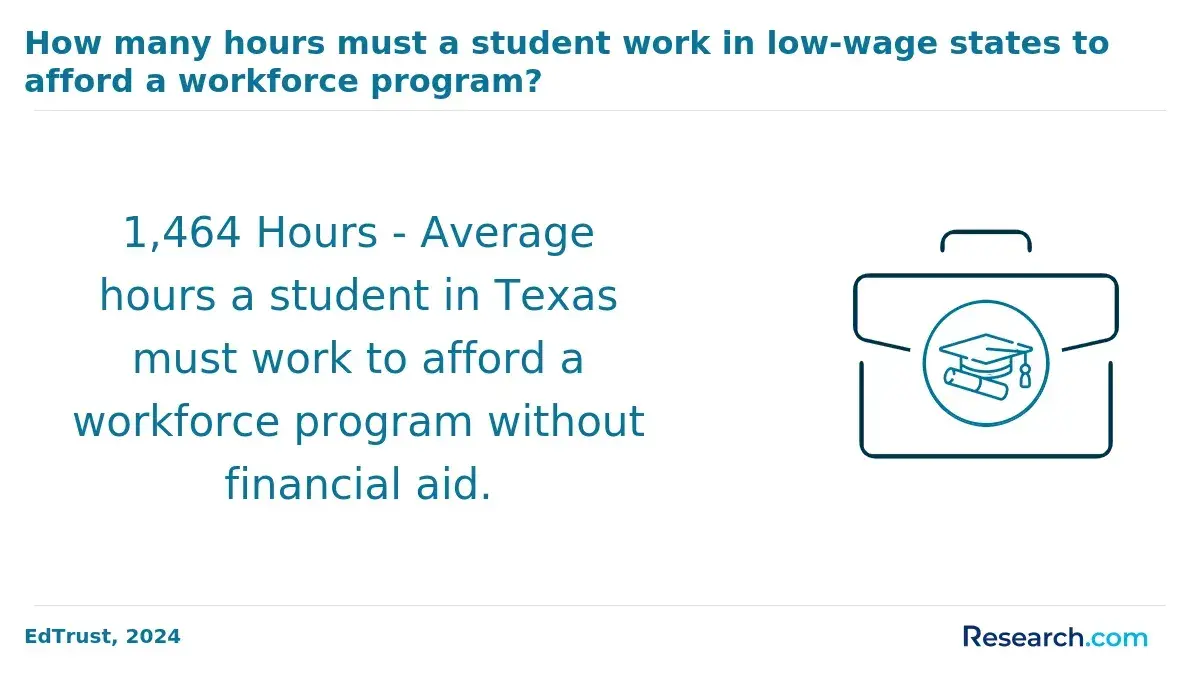
Compare total remaining cost, not just the advertised price per credit. Include mandatory and program fees, prerequisites, books or software, travel, and placement-related expenses, then subtract only benefits or aid you are eligible to receive. A cheapest masters program comparison is a starting point, not proof of your net cost: GI Bill payment rules and your remaining entitlement can change the result substantially.
What careers and salaries can veterans expect after graduation?
Career outcomes depend on the occupation, location, experience, and any required license - not simply the master's degree title. Veterans might use an MBA in operations, an IT degree in systems work, or an MSW in social services, but each path has different entry requirements. For perspective, the Bureau of Labor Statistics reported a $132,270 median annual wage for software developers in 2023. That figure describes workers in the occupation, not new computer science graduates or a guaranteed return on tuition.
Before estimating a degree's value, compare local job postings with your existing qualifications and identify requirements the program would actually help you meet. Include lost work time and uncovered costs alongside potential advancement. A master's may offer stronger value for a defined career transition or required credential than for a role you can already pursue.
Which online degrees lead to professional licenses or certifications?
A degree can contribute to professional eligibility, but it rarely replaces a separate license or examination. Nursing practice tracks, teacher-preparation programs, and social work programs require particular attention to state rules and supervised experience. Engineering licensure and some technology certifications likewise have requirements beyond graduate coursework.
If the target job calls for a specific technical certification rather than a master's, compare that narrower route first. A resource on 6 week certification programs online can help identify short-course possibilities, but a short course is not a master's degree or, by itself, proof of eligibility for a professional license. Confirm the credential an employer or licensing board actually requires.
How should veterans choose a reputable online degree program?
Choose a reputable program by testing its claims against your own career plan. The strongest choice is not automatically the fastest, cheapest, or most military-branded school: it must offer the right credential in a workable format at an acceptable remaining cost.
Use this sequence when comparing finalists:
- Identify a target occupation and check its education, experience, certification, and state licensing requirements.
- Confirm institutional accreditation, relevant programmatic accreditation, VA approval, and any state authorization needed where you live.
- Request a written review of prerequisites and applicable prior credit, plus a course-by-course completion plan.
- Ask about live classes, campus visits, local placements, military-student support, and the full cost after verified benefits.
- Compare the answers side by side before accepting admission or using benefits.
Watch for vague promises of guaranteed jobs, automatic military credit, or universal licensure eligibility. If a school cannot explain a material requirement in writing, keep comparing options.
Other Things You Should Know About
Often, yes, but deployment schedules, live sessions, examinations, and field placements can affect feasibility. Confirm military leave policies and benefit eligibility with the school and your benefits administrator.
No. The specific program must be approved for the applicable benefit, and payments depend on your eligibility and enrollment. Verify coverage before registering.
Not automatically. A department may evaluate eligible prior graduate coursework or documented learning, but required graduate, capstone, and clinical work may still remain.
Not necessarily. Licensing boards may require approved coursework, supervised in-person experience, examinations, or other conditions. Check the rules in the state where you plan to work.
References
- Post-9/11 GI Bill (Chapter 33) | Veterans Affairs https://www.va.gov/education/about-gi-bill-benefits/post-9-11/
- College Credit for Military Training & Experiences | dantes.mil https://www.dantes.mil/credit4training/
- Education and Training - About This Tool https://www.benefits.va.gov/gibill/comparison_tool/about_this_tool.asp
- Post-9/11 GI Bill | Georgia Department of Veterans Service https://veterans.georgia.gov/services/education-training/educational-benefits/post-911-gi-bill
- About GI Bill Education Benefits | militaryonesource.mil https://www.militaryonesource.mil/benefits/gi-bill-education-benefits/
- Cost of Attendance (Budget) | 2025-2026 Federal Student Aid Handbook https://fsapartners.ed.gov/knowledge-center/fsa-handbook/2025-2026/vol3/ch2-cost-attendance-budget
- Types of Financial Aid: Grants, Work-Study, and Loans | studentaid.gov https://studentaid.gov/understand-aid/types
- VA Enrollment Information | Student Handbook | American Military University https://www.amu.apus.edu/student-handbook/financing-education/how-to-pay-for-courses/methods-of-payment/veterans-benefits/va-enrollment-information/
- Military Transfer Credit Evaluation | Military Affairs https://www.liberty.edu/online/military-transfer-credit-evaluation/