2027 Best Online Colleges With Easy Admission Requirements

Co-Founder and Chief Data Scientist
Getting into an online college may be simpler than getting into the right online program. An accessible undergraduate admissions policy can coexist with selective nursing, engineering, or graduate requirements. Online study is now a mainstream choice: National Center for Education Statistics data show that more than half of U.S. college students took at least one distance-education course in fall 2022.
This guide is for applicants who want a realistic shortlist, not a promise of automatic acceptance. You'll compare colleges, identify program-specific hurdles, and learn what to verify before spending money on an application.
Key Things You Should Know
- Start with the credential: an open-door associate degree, test-optional bachelor's program, and online master's program can have very different admission rules.
- Confirm admission to the specific online program, not just the college; clinical and licensure-track programs may require prerequisites or separate approval.
- Compare the full price and remaining credits: an associate degree commonly requires about 60 credits, but accepted transfer credit and residency rules determine what you still need to complete.
Top 10 Best Online Colleges With Easy Admission Requirements
Business Programs
Online MBA and specialized business master's programs serve applicants seeking management or subject-specific advancement. Some consider work experience alongside academic records, while others require foundation courses, a minimum GPA, or a GMAT or GRE score. A college's accessible undergraduate admissions policy does not establish its MBA requirements. Compare the curriculum and total cost with your goal: an MBA may suit broad leadership development, while an accounting or analytics master's may better fit a specialized role. Neither guarantees a promotion.
Healthcare Programs
Online master's programs in healthcare administration, public health, and health informatics prepare students for different work. Administration emphasizes operations; public health may emphasize population research; informatics connects health systems and data. Admissions can include a bachelor's degree, relevant prerequisites, or professional experience. An online course schedule may still include a practicum or capstone. Choose a program for the occupation you want, and check whether that occupation requires a separate license or credential.
Information Technology Programs
Online IT master's programs commonly focus on cybersecurity, networks, systems, or IT management. Some admit career changers with foundation coursework; others expect computing preparation. Look beyond an easy application to required labs, team projects, and employer-relevant skills. Certifications can complement a degree but do not automatically replace experience. Ask whether prerequisite courses add time or tuition beyond the advertised program, particularly if your bachelor's degree is in another field.
Computer Science Programs
A computer science master's typically goes deeper into algorithms, software, or computing theory than a general IT degree. Programs may require prior programming, mathematics, and data structures coursework, even when the university's undergraduate admissions are accessible. A bridge or foundation route can help a career changer, but it adds requirements. Compare thesis, project, and course-only options against your goal; research-oriented study may make more sense for a prospective doctoral applicant than the quickest professional pathway.
Nursing Programs
Online MSN programs generally serve licensed registered nurses, and admission may require a BSN, an active RN license, prerequisites, and clinical-placement eligibility. Coursework online does not eliminate in-person clinical hours. Nurse practitioner tracks have additional certification and state licensing requirements; not every program qualifies graduates in every state. Before applying, confirm your intended track, your state's authorization rules, and who arranges clinical placements. A general open-admission claim is not evidence of easy MSN entry.
Psychology Programs
An online psychology master's may support research, organizational work, or further study, depending on its concentration. Admission may involve a bachelor's degree, statistics preparation, references, or a statement of purpose. Do not assume a general psychology master's qualifies you to practice as a psychologist: that profession generally requires doctoral education and state licensure. If clinical practice is your aim, check the exact license, required supervised experience, and whether the program meets your state's educational rules.
Education Programs
Online education master's degrees serve different applicants: some help licensed teachers specialize, while others offer an initial teacher-preparation pathway. These are not interchangeable. Initial-licensure programs can require subject prerequisites, background checks, student teaching, and state approval, regardless of how classes are delivered. Ask admissions which track accepts your current credential and whether its supervised placements are available where you live. An easier application is of little value if the program cannot support your licensing goal.
Criminal Justice Programs
An online criminal justice master's can emphasize policy, administration, research, or specialized investigation. Admissions requirements vary: a related bachelor's degree may help, but some programs accept other majors. Compare a program's methods and capstone work with the roles you want. A master's degree does not substitute for academy training, a background investigation, or agency-specific hiring standards. Applicants seeking an entry-level role should weigh whether experience or an undergraduate credential is the more useful next step.
Engineering Programs
Online engineering master's degrees usually build on substantial undergraduate mathematics and engineering preparation. Programs may offer a course-only or project route, but online delivery does not imply open admission or the absence of laboratory requirements. Check discipline-specific prerequisites before applying. If professional engineer licensure matters, review your state board's education and experience rules separately; earning an online master's does not itself confer a license. Career changers may need undergraduate foundation study first.
Social Work Programs
An online MSW generally includes supervised field education completed in person. A regular-standing route typically welcomes applicants from various bachelor's majors; advanced standing normally requires a qualifying bachelor's in social work and has separate eligibility rules. Admission may also assess experience, references, or readiness for fieldwork. For clinical practice, check Council on Social Work Education accreditation, state licensing requirements, and local placement support. An accessible university-wide policy does not override MSW admissions or field requirements.
What Are Online Colleges With Easy Admission Requirements?
Online colleges with easy admission requirements offer an accessible route into at least some online credentials - for example, an open-door community-college pathway or undergraduate admission without SAT or ACT scores. "Easy" describes a particular admissions route, not guaranteed acceptance to every major. These colleges illustrate different starting points; they are not a ranking, and applicants should confirm the current policy for their chosen program.
The comparison distinguishes general entry from admission to a specific online credential. Use it to decide which college is worth investigating first.
| College | Accessible route to investigate | Important boundary |
| Rio Salado College | Open-enrollment community-college study with online associate-degree options | Check program availability, placement, and transfer plans. |
| Dallas College | Open-door community-college admission with online associate-degree options | Health and other limited-entry programs may have separate selection. |
| Southern New Hampshire University | Online undergraduate application without SAT or ACT scores | Confirm requirements for the specific degree and applicant type. |
| Western Governors University | Online, competency-based undergraduate pathways without a conventional SAT or ACT requirement | Program-specific readiness and eligibility requirements still apply. |
Open-door study can be a useful way to begin college-level coursework, but it is not the same as guaranteed transfer into a bachelor's major. Request a degree plan and a written transfer evaluation before relying on credits earned elsewhere.
What Admission Requirements Do Online Colleges Typically Have?
Requirements depend on the credential and applicant. An open-door associate pathway may ask for proof of prior education and placement information; a bachelor's program may review transcripts and transfer work; a master's program normally requires a completed bachelor's degree and may assess prerequisites, recommendations, experience, or test scores. Professional programs can add background checks, licenses, interviews, or clinical eligibility.
Test-optional is not open admission. Likewise, no published minimum GPA does not prove that grades are irrelevant. Ask whether the policy covers first-year, transfer, graduate, and international applicants equally, and whether admission to the college also admits you to the major.
How Can You Verify an Online College's Accreditation?
Check institutional accreditation through the U.S. Department of Education's accreditation database or the accreditor's directory, matching the college's legal name and current status. Then check any programmatic accreditation your career requires - such as the relevant nursing, social work, or teacher-preparation approval. Finally, ask the licensing board in the state where you intend to work whether the specific program meets its educational requirements.
Accreditation supports quality review and can affect federal-aid eligibility, but it does not guarantee that another college will accept credits or that a licensing board will approve a graduate. Treat a school's accreditation claim as a starting point, not the entire check.
Which Online Degrees And Certificates Are Best For Career Goals?
Choose the lowest credential that genuinely supports your next goal. An online certificate can help develop a defined skill; an associate degree can prepare you for entry-level work or transfer; a bachelor's degree is commonly required for professional and graduate study. A master's degree makes more sense when a target role, license, or advancement plan calls for graduate-level preparation.
If you already have a bachelor's degree, a 1 year masters degree may be worth comparing with a longer program. Check its prerequisites, workload, total credits, and any practicum before assuming its timeline fits your circumstances. For a licensed occupation, confirm that the credential and program - not merely its title - meet the applicable requirements.
How Do Online Colleges Compare With Campus-Based Programs?
Online study removes routine travel to campus, but it does not necessarily remove scheduled meetings, deadlines, exams, labs, or local placements. Campus study may offer easier access to facilities and face-to-face support; online study may better suit someone who needs to remain near work or family. Neither format is automatically easier academically.
If control over study hours is essential, compare online self paced college courses with standard asynchronous courses: the latter often have weekly deadlines even without live lectures. Request a sample course schedule and confirm whether any required activity must occur at a set time or location.
How Much Do Online Colleges Cost And How Long Do They Take?
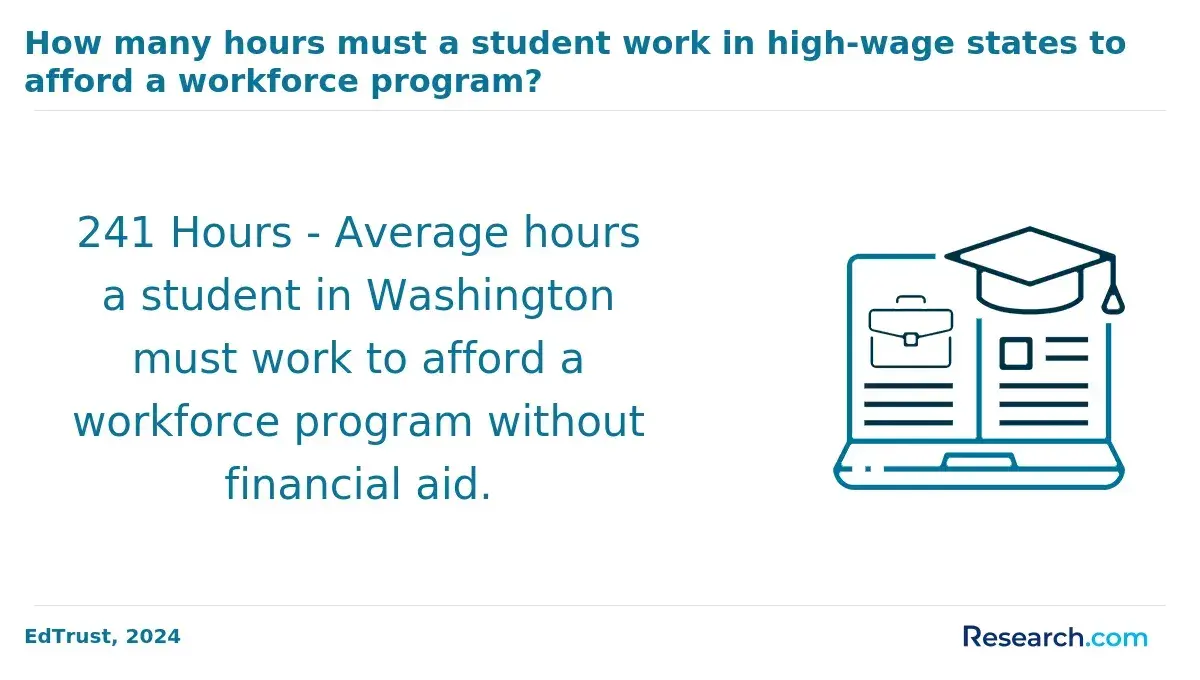
Cost depends on credits still needed, tuition per credit or term, mandatory fees, books, technology, and any travel or placement expenses. Net price after grants can differ sharply from published tuition. For context, the maximum Federal Pell Grant for the 2025-26 award year was $7,395; an individual award depends on eligibility and enrollment, and a graduate student generally cannot use a Pell Grant for a master's degree.
Completion time is just as individual. An associate degree commonly involves about 60 credits, while bachelor's degrees commonly involve about 120; accepted transfer credit can reduce what remains, subject to degree and residency rules. When comparing cheap online colleges, ask each school for a written estimate of remaining credits and total required charges - not just its advertised per-credit rate.
What Careers Can You Pursue With An Online Degree?
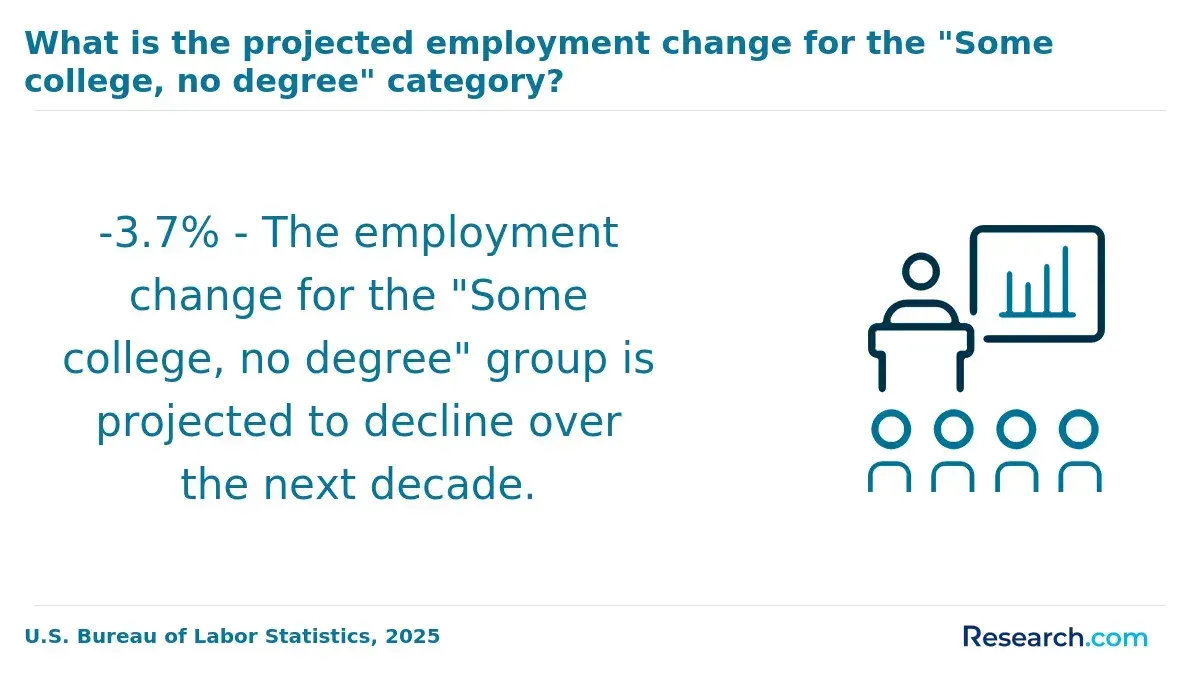
Possible paths include business operations, IT support, software development, healthcare administration, teaching, and nursing, but the appropriate entry point differs. Some support roles may accept a certificate or associate degree alongside demonstrated skills. Employers commonly expect a bachelor's degree for many software-development roles, while teaching and registered nursing require meeting state licensing rules. Management roles often require substantial experience beyond a degree.
Work backward from actual job postings in your area: note the credential, technical skills, experience, and license requested. If the online program does not supply a required clinical placement, portfolio opportunity, or approved teacher preparation, choose a different route before enrolling.
What Salaries And Job Outlook Can Online Graduates Expect?
Occupational wages are a planning benchmark, not a forecast of what online graduates will earn. The U.S. Bureau of Labor Statistics reported a 2024 median annual wage of $133,080 for software developers. That figure covers people across experience levels and employers; it does not mean completing a computer science degree leads to that salary. BLS projects growth for software developers, quality assurance analysts, and testers over 2024-34, but openings still depend on specialty, location, and qualifications.
Compare the occupation you actually want with its usual entry requirements. Then weigh likely tuition and foregone work time against your current skills and opportunities, rather than using a high-paid occupation's median as the program's expected return.
How Do You Choose A Reputable Online College?
Start with three colleges offering the exact credential you need. Confirm each program's online format, then ask admissions for its current applicant-specific requirements. Request a transfer evaluation and a degree plan showing remaining courses; compare total charges and aid eligibility; and check accreditation and any state licensing rules before committing. This sequence prevents an appealing admissions policy from concealing a poor program fit.
A common mistake is treating a short term or generous transfer policy as proof of a short degree. If a fast track degree interests you, ask what previous credits, course load, and required placements its timeline assumes. Red flags include unclear mandatory fees, vague claims that credits "will transfer," or reluctance to explain whether the online program serves students in your state.
Other Things You Should Know About
Possibly. Some accessible undergraduate pathways consider applicants without a high minimum GPA, but selective majors and graduate programs can set different standards. Ask about your specific program and any conditional route.
Some do not, particularly community-college pathways and certain online undergraduate programs. Check the current policy for your applicant category; graduate programs may use different criteria.
No. Admission to a college does not necessarily include admission to a nursing program, which may require prerequisites, a separate application, and clinical eligibility.
Not necessarily. The college must evaluate each course, and accepted credit may count as an elective rather than toward your intended major. Get a written degree audit before enrolling.
References
- Cost of Attendance (Budget) | 2025-2026 Federal Student Aid Handbook https://fsapartners.ed.gov/knowledge-center/fsa-handbook/2025-2026/vol3/ch2-cost-attendance-budget
- Accreditation in the U.S. | ed.gov http://www.ed.gov/laws-and-policy/higher-education-laws-and-policy/college-accreditation/accreditation-in-the-us
- Online Bachelor's Programs - OU Online Degrees https://online.ou.edu/programs/bachelors/
- Basic requirements | UC Admissions - University of California https://admission.universityofcalifornia.edu/admission-requirements/transfer-requirements/preparing-to-transfer/basic-requirements.html
- Why Is Accreditation Important? | ACE Blog https://ace.edu/blog/why-is-accreditation-important/
- Online Undergraduate Programs Tuition | umflint.edu https://www.umflint.edu/studentaccounts/tuition-fees/online-undergraduate-programs/
- Freshman: Admission Requirements | CSU https://www.calstate.edu/apply/freshman/getting_into_the_csu/pages/admission-requirements.aspx
- Cost of Attendance - Financial Aid and Scholarships | The University of Utah https://financialaid.utah.edu/tuition-and-fees/cost-of-attendance.php
- Transfer Student Requirements | University of Oregon https://www.uoregon.edu/admissions/undergraduate/find-your-path/transfer-students/