2027 Is a Leadership Master's Degree Worth It? ROI, Salary & Career Impact
Audited and Verified:
Our Editorial and Data Verification Process
Research.com uses government datasets, official education statistics and primary institutional information to support its career and degree guides. Our review process checks factual accuracy, occupational definitions, source dates and the requirements associated with the credentials discussed.
How This Article Was Fact-Checked
Our editorial team verifies salary estimates, employment projections, education requirements and program information against original data providers and official organizations. Salary figures are checked against the relevant occupational definitions and reporting periods. Information about licensure, accreditation and required in-person training is reviewed separately.
Fact-checked and verified on:

Co-Founder and Chief Data Scientist
Many professionals struggle to determine if investing in a leadership master's degree yields substantial returns amid rising tuition costs. Studies show the average salary increase after earning a leadership master's degree ranges from 10% to 20%, but debt burdens and job market variability raise concerns about true financial benefit. Additionally, employer demand for advanced leadership skills continues to evolve, leaving candidates uncertain about credential value.
This article examines salary data, ROI metrics, admission trends, and employer perspectives to clarify the degree's real-world impact. It guides readers through cost-benefit analysis, alternative certification comparisons, and long-term career effects to aid informed decisions.
Key Things to Know About the Value of Leadership Master's Degree
- Admission typically requires a bachelor's degree and professional experience; programs usually offer flexible formats, including part-time and online options to accommodate working professionals.
- Graduates see median salary increases of 15-25%, with leadership roles in management and consulting offering the highest returns within 3-5 years post-graduation.
- Comparing programs by cost, flexibility, and reputation is crucial to maximize ROI; the degree enhances long-term earning potential by opening senior management opportunities globally.
How Much Does a Leadership Master's Degree Cost?
The cost of obtaining a leadership master's degree varies widely depending on the type of institution, residency status, and program format. With leadership roles projected to grow by about 8% over the next decade, understanding average tuition and fees for leadership graduate programs is essential for prospective students assessing their financial investment.
The following breakdown outlines typical expenses to help benchmark potential costs:
- Public In-State Tuition: Typically ranging from $8,000 to $20,000 per year, in-state tuition offers a more affordable option for residents, although program quality and available specializations differ across schools.
- Public Out-of-State Tuition: Out-of-state students face significantly higher fees, often two to three times the in-state rate, with annual costs between $20,000 and $40,000, which substantially impacts total expenses.
- Private University Tuition: Private institutions generally charge between $30,000 and $60,000 annually. Their higher costs may be offset by more extensive resources, scholarships, and networking opportunities but demand careful financial planning.
- Online Program Costs: Entire online leadership master's degrees usually range from $15,000 to $35,000, reducing additional expenses like housing and commuting, though technology fees may apply. These flexible options align with those seeking affordable alternatives, sometimes highlighted among cheapest MBA online programs.
- Ancillary Fees and Living Expenses: Textbooks typically cost between $1,000 and $1,500 annually, technology fees $200 to $600, while housing and personal living expenses can total $12,000 to $20,000 per year depending on location.
- Program Length Impact: Leadership master's degrees usually span 1.5 to 2 years, with accelerated options available. Longer programs increase total spending on tuition and living costs, affecting overall return on investment.
What Financial Aid and Scholarships Are Available for Leadership Master's Students?
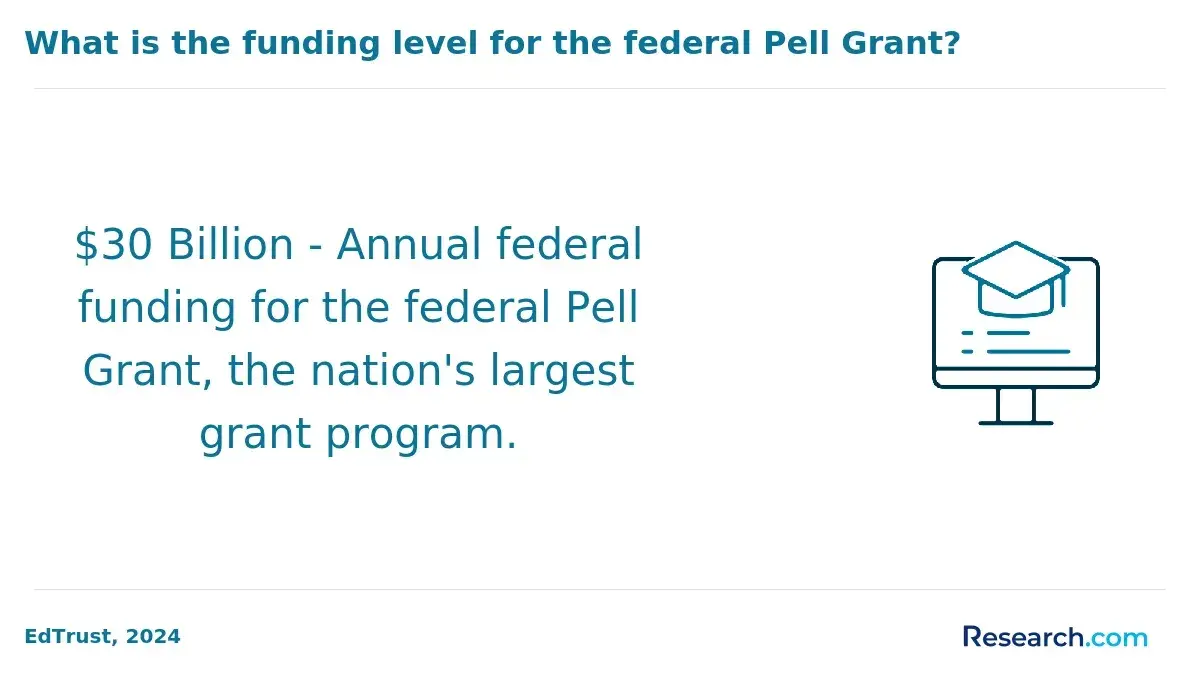
Financial aid options play a vital role for students pursuing a leadership master's degree, as tuition and related expenses can be substantial. Nearly 60% of graduate students across fields benefit from some form of financial aid, which can significantly offset costs.
This overview highlights major funding sources and strategies to secure scholarships and loans tailored for leadership programs.
- Federal Graduate Loans: These include subsidized and unsubsidized loans. Subsidized loans do not accrue interest while enrolled at least half-time, whereas unsubsidized loans begin accruing interest immediately. Repayment typically starts six months after graduation or dropping below half-time enrollment.
- Institutional Grants and Scholarships: Many institutions offer merit- or need-based grants specific to leadership master's programs. Eligibility may depend on academic record, professional background, or demonstrated leadership potential.
- External Scholarships: Organizations such as the Fulbright Program and the Forte Foundation provide scholarships targeting graduate students in leadership tracks. These require strong applications emphasizing leadership experience and commitment.
- Discipline-Specific Search Platforms: Scholarship search engines like Fastweb and the College Board's Scholarship Search help students filter awards by field and experience, making it easier to find relevant funding opportunities.
- Building a Competitive Application: Highlighting leadership achievements, community involvement, and clear career goals in personal statements and recommendations enhances scholarship prospects.
Prospective students should also explore related fields, such as social work, where accelerated programs may align with leadership interests, for example, through resources on accelerated master's in social work.
What Is the Average Salary for Leadership Master's Degree Holders?
For prospective students weighing the financial advantages of a leadership master's degree, salary expectations are a crucial factor. Earnings often reflect how advanced credentials translate into tangible career benefits.
Consider these important aspects relating to compensation for leadership master's graduates:
- Salary by Experience Level: Entry-level graduates generally see annual salaries between $60,000 and $75,000, while those with mid-career experience earn from $85,000 up to $110,000. Seasoned professionals in senior roles often exceed $130,000 per year. These salaries typically surpass bachelor's degree holders by 15% to 30%, according to data from Glassdoor and LinkedIn Salary.
- Sector Differences: Compensation varies by industry, with the private sector offering the highest wages-around 10% to 20% above public and nonprofit sectors. Nonprofit roles may offer lower pay but can provide benefits such as job stability and mission-driven work, as noted by the Bureau of Labor Statistics.
- Geographical Impact: Location plays a significant role; metropolitan areas like New York, San Francisco, and Washington D.C. report salaries 20% to 30% above the national median. In contrast, more rural or cost-effective regions might offer compensation closer to or below the median level.
One leadership master's degree graduate shared how balancing work and coursework was challenging yet rewarding. "The program pushed me to develop both strategic thinking and practical skills, which directly influenced my promotions and salary growth," they explained. Reflecting on the journey, they emphasized that the degree helped clarify their career path, making the initial investment worthwhile despite the demanding schedule and financial commitment.
Prospective students examining the long-term impact of a leadership master's degree on career growth should consider outcomes beyond initial salary increases. The degree often leads to sustained career advancement, greater professional recognition, and access to senior roles.
Below are key factors that highlight how this credential influences career trajectory over time:
- Promotion Rates: Graduates with a leadership master's frequently experience higher promotion rates than peers without advanced degrees. The strategic thinking and specialized leadership skills gained prepare them for increased responsibilities, facilitating upward mobility within organizations.
- Access to Senior Roles: Employers often favor candidates with formal leadership education when filling executive and senior management positions. This degree signals expertise in complex decision-making and people management, traits essential for high-level roles.
- Professional Credibility: Holding a leadership master's enhances reputation and credibility in the workplace. This elevated perception can increase influence within teams and industries, accelerating career progression and opening doors to new opportunities.
- Expanded Networks: Leadership programs connect students with diverse cohorts and industry professionals. Such networks often lead to mentorship, partnerships, and insider knowledge of job openings that may not be publicly advertised.
- Industry Variance: In fields like healthcare, education, and nonprofit management, this degree is often essential for career advancement. Conversely, corporate and technology sectors may view it as advantageous but not mandatory, where experience can sometimes weigh equally.
- Continuing Education Opportunities: The master's often serves as a springboard for doctoral studies or professional certifications, which further enhance expertise and career prospects. Lifelong learning builds on the leadership foundation gained, supporting continuous development.
For students weighing their options, exploring related fields such as online executive MBA programs may also provide alternative pathways to leadership roles.
Evaluating the return on investment (ROI) for a leadership master's degree helps clarify what students can expect in terms of career advancement and financial gain. This overview highlights essential factors that influence the value of such a program.
Key elements to keep in mind include:
- Total Program Cost: This covers tuition, fees, books, and other expenses needed to complete the degree. Depending on the institution and program length, costs can range widely from around $20,000 up to $60,000 or more. Scholarships and financial aid can reduce these expenses significantly.
- Lifetime Salary Premium: Graduates typically earn 15-25% more over their careers compared to those without this credential. The increase varies by industry, role, and experience level.
- Payback Period: Most students recover their investment within 3 to 5 years if they secure high-demand leadership roles. In contrast, earnings growth in nonprofit or smaller organizations may lengthen this timeframe to 7-10 years.
- Opportunity Cost: The loss of income while studying full-time is an important consideration. Online or part-time formats can help mitigate this financial impact by allowing continued employment.
- Institution Type and Career Path: Graduates from prestigious schools or those targeting senior management roles often see higher ROI. Conversely, less lucrative fields may offer smaller financial returns despite the credential.
- Use of ROI Calculators: Online tools enable prospective students to enter their individual data-program cost, salary expectations, duration-to generate personalized ROI estimates. These calculators provide valuable decision-making support.
One graduate shared their experience, describing initial doubts about the investment due to balancing part-time study with work and family responsibilities. They emphasized how the flexibility of their program eased the challenge, allowing steady career progress without sacrificing income.
After completion, they noticed a marked increase in job offers and leadership opportunities, confirming the degree's practical value. They reflected that while the upfront commitment was significant, structured support and relevant coursework made the journey manageable and worthwhile in hindsight.
Admission standards for leadership master's programs differ by institution, with top-tier schools generally imposing stricter criteria. While minimum undergraduate GPAs often hover around 3.0, more competitive programs may require 3.5 or higher. Standardized tests like the GRE or GMAT may be necessary, especially at business-oriented or highly ranked universities, although many schools waive these for applicants with significant professional experience or advanced degrees.
Some programs also expect prior coursework in relevant fields such as management or organizational behavior, with alternatives available in the form of experiential learning or preparatory classes. Below are the typical admission components applicants should prepare for:
- Undergraduate GPA: Most programs insist on a solid academic record, usually a minimum 3.0 GPA, while elite programs set the bar higher to ensure candidates demonstrate academic excellence.
- Standardized Tests: GRE or GMAT requirements vary; some programs demand scores to gauge analytical skills, but others waive this when candidates bring extensive leadership or graduate-level experience.
- Prerequisite Coursework: Foundational knowledge in leadership-related subjects is often required; applicants lacking formal study may need to show equivalent experience or complete specific preparatory courses.
- Statement of Purpose: A carefully crafted essay illustrating career objectives, leadership philosophy, and program fit is essential, as it offers admissions committees insight into the candidate's motivation and alignment with institutional values.
- Letters of Recommendation: Typically, two to three endorsements from supervisors or educators emphasize leadership potential, professionalism, and academic capability.
- Relevant Work or Research Experience: Practical leadership roles or impactful projects can strongly influence selection decisions, with quality and relevance outweighing mere length of experience.
- Competitive Differentiators: International exposure, volunteer leadership, published works, or specialized skills like strategic planning can help applicants distinguish themselves in a crowded and selective applicant pool.
The minimum GPA requirement for leadership master's programs generally falls between 3.0 and 3.5 on a 4.0 scale, but exact thresholds differ widely based on the institution's prestige and program selectivity. Top-ranked schools often set higher GPA cutoffs to build competitive cohorts, while smaller or less selective programs might be more flexible. Nonetheless, a low undergraduate GPA does not automatically prevent acceptance.
Many programs take a holistic approach, weighing strong professional experience, compelling personal statements, and competitive GRE scores to balance academic records. Conditional admission or probationary enrollment also provides alternative pathways for applicants whose GPAs are slightly below typical standards. Applicants facing suboptimal GPAs can use targeted strategies to improve their chances of admission.
Below is a concise overview outlining these key factors and approaches:
- Typical GPA Thresholds: Most leadership master's programs expect a minimum 3.0 GPA, with more selective institutions requiring 3.5 or higher to demonstrate academic readiness and competitive standing.
- Impact of Work Experience: Extensive professional leadership experience can help offset lower GPAs by showcasing real-world skills and maturity valued by admissions committees.
- Role of GRE Scores: Strong GRE scores can significantly bolster applications by evidencing critical thinking, verbal, and quantitative skills, often balancing out weaker academic transcripts.
- Conditional Admission Options: Some schools offer provisional acceptance, allowing students to prove their academic capability through maintaining satisfactory grades in early graduate courses before full admission.
- Application Strategies for Low GPA: Emphasizing strong recommendation letters, detailed personal statements, and relevant accomplishments creates a persuasive application even with a modest GPA.
For those interested in related fields, exploring a master in psychology online can also provide alternative career pathways. Understanding the average GPA needed to enter leadership master's degree programs helps applicants set realistic goals and better prepare their applications to align with both academic and professional expectations.
For prospective students considering a leadership master's degree, understanding employer attitudes toward online versus in-person formats is essential. The widespread adoption of remote learning after the COVID-19 pandemic has altered traditional views and acceptance of online degrees.
The following points highlight how these perceptions have shifted and what factors influence program value:
- Employer Acceptance Has Increased: Remote learning's rise during the pandemic has led many employers to view accredited online leadership degrees as credible. Surveys indicate reduced skepticism, with many hiring managers treating online and in-person credentials similarly when accreditation is verified.
- Accreditation Is Key: Employers focus more on whether a program holds recognized accreditation than on its delivery mode. Proper regional or program-specific accreditation signals quality and impacts hiring and promotions regardless of online or campus attendance.
- Networking Experiences Vary: In-person programs offer spontaneous, face-to-face networking through campus events and collaboration. Online degrees often use virtual platforms and live sessions to facilitate connections, though these interactions might lack the depth or immediacy of on-campus experiences.
- Curriculum and Rigor Are Comparable: Many online leadership programs match the curriculum, assignments, and assessments of their on-site counterparts, using interactive technologies to maintain academic standards similar to traditional formats.
- Career Services Differ in Delivery: On-campus students may access more immediate career counseling and in-person job fairs, while top online programs provide digital career support such as webinars and virtual mentoring, which can sometimes feel less personalized.
- Online Degree Benefits Specific Needs: Online formats suit those needing flexibility due to job, family, or location, and may offer cost savings. They can also appeal to international students seeking quality without relocation.
- In-Person Programs Offer Advantages for Some: Candidates targeting roles requiring strong interpersonal skills, leadership presence, or local professional networks often benefit from the immersive culture and connections fostered by on-campus programs.
For those considering a leadership master's degree, knowing which careers reward this qualification helps clarify its value. Some positions explicitly demand this degree, while others favor it as a competitive asset. Understanding these roles, including emerging fields shaped by evolving industries, assists students in aligning their education with attainable professional opportunities.
- Chief Executive Officer (CEO): CEOs, especially in large corporations across finance, healthcare, and technology sectors, often possess leadership master's degrees. Though extensive experience is key, holding the degree can enhance salary levels, with median earnings typically surpassing $180,000 annually according to labor data.
- Healthcare Administrator: A master's in leadership or healthcare administration is frequently required for senior roles managing hospital operations, budgeting, and regulatory compliance. Licensure requirements differ by state, and obtaining certifications like FACHE can significantly boost salary potential, averaging around $104,000 per year.
- Human Resources Director: While not always mandatory, a leadership master's degree strengthens candidacy for HR director positions within large organizations. Salaries generally fall between $90,000 and $150,000 and vary depending on company size and industry.
- Project Management Office (PMO) Director: This role has expanded as projects grow in complexity, with leadership master's credentials often paired with PMP certification. PMO directors command salaries starting near $110,000, predominantly in technology, construction, and consulting.
- Organizational Development Consultant: Leadership expertise benefits consultants steering organizational change. The degree is advantageous though not strictly required, and compensation varies widely, frequently exceeding $95,000 based on experience and client portfolio.
Different employer types view a leadership master's degree with varying degrees of importance, affecting how graduates are hired and promoted across industries. Recognizing these perspectives is crucial for prospective students to align their educational goals with market expectations.
It is particularly necessary when considering the leadership master's degree, employer perception, and industry demand for leadership master's graduates. Here is how different employers view the value of a leadership master’s degree across industries:
- Large Corporations Favor Practical Management Skills: Many big companies regard a leadership master's as a solid indication of advanced management and strategic planning capabilities. In some cases, they value it equally or even more than an MBA, especially for roles centered on team and organizational leadership.
- Government Agencies Emphasize Credential Relevance: Public sector employers typically require or prefer leadership degrees for mid- to senior-level management positions, valuing the focus on policy implementation and ethical leadership as essential for effective governance.
- Startups Prioritize Experience Over Credentials: Although respected, many startups place greater emphasis on entrepreneurial experience and adaptability. The leadership master's degree is often seen as beneficial but not critical.
- Nonprofits Value Mission-Driven Leadership: Graduates are viewed as equipped to tackle strategic and people management challenges unique to nonprofits, fitting well with organizations prioritizing social impact.
- Disciplinary Variation Exists: In sectors like education and public administration, the leadership master's is often the terminal professional degree, while business and technology fields may prefer an MBA or doctorate for senior leadership roles.
- Communicating Degree Value Is Key: Applicants should highlight tangible outcomes such as successful team management, strategic initiatives led, and measurable organizational improvements. Tailoring these highlights to the employer's priorities maximizes impact in job applications and interviews.
Prospective students weighing a leadership master's degree should also consider how the degree stacks up financially and professionally against other paths, including certifications and alternatives like a master's degree in cybersecurity online. This broader understanding enhances one's ability to make an informed enrollment decision based on both industry demand for leadership master's graduates and personal career goals.
Recognizing how various employers view a leadership master's degree helps prospective students gauge its impact on career advancement and hiring decisions. Different sectors and industries attach unique value to the credential, which affects its professional benefits.
- Employer Type Influence: Large corporations often see a leadership master's as a beneficial addition to work experience, particularly for mid-level managerial positions. Government bodies generally favor candidates with formal leadership qualifications for supervisory and executive roles. Although startups may emphasize hands-on skills more, they still respect the strategic insights this degree provides. Nonprofits tend to value the degree highly for roles involving organizational and community leadership.
- Disciplinary Variation: In areas such as education and public administration, this master's degree is frequently regarded as a terminal professional credential. Conversely, in sectors like healthcare and business, employers may prefer candidates with doctorates or MBAs for senior leadership, influencing the degree's return on investment and career potential.
- Employer Sentiment Data: Surveys indicate many hiring managers appreciate the leadership master's as evidence of a candidate's commitment and enhanced skill set, although in strictly technical fields, professional certifications or extensive work history might weigh more heavily.
- Communicating Degree Value: Applicants should highlight how the degree sharpened leadership abilities, strategic thinking, and problem-solving skills. Demonstrating concrete outcomes from past projects helps translate academic learning into tangible workplace benefits.
What Graduates Say About Their Leadership Master's Degree
- Sally: "Applying to the leadership master's program was initially challenging, but delving into official academic catalogs helped clarify every requirement and prerequisite. This program opened my eyes to the varied industries that actively seek leadership graduates, ranging from nonprofit to corporate sectors. Reflecting back, the structured admission process gave me a solid foundation and confidence to navigate this complex landscape."
- Anthony: "My journey through the leadership master's was deeply rewarding, especially as I relied heavily on accrediting agencies to verify the program's credibility and significance in the job market. Exploring career options became more manageable once I understood which industries value leadership skill sets the most. Looking back, I appreciate how essential federal education resources were for helping me successfully meet and exceed the program requirements."
- Ian: "Navigating admission for the leadership master's program pushed me to research thoroughly and engage with official educational documents, which demystified the whole process. As a professional transitioning fields, I found it enlightening to see how businesses, government agencies, and educational institutions all prioritize leadership graduates differently. Overall, these insights proved invaluable in tailoring my career approach and academic focus."
Other Things You Should Know About Leadership Degrees
Yes. Employers typically recognize a leadership master’s degree when it comes from a regionally accredited university. For business-focused programs, AACSB, ACBSP, or IACBE accreditation adds credibility. Accreditation does not guarantee a promotion, but it supports degree quality, transferability, and eligibility for some tuition reimbursement plans.
Admission requirements typically include a bachelor's degree, a minimum GPA of 3.0, and relevant work experience. Some programs may also require standardized test scores like the GRE or GMAT, letters of recommendation, and a statement of purpose.
Graduates with a Leadership master's degree in 2027 can access advanced management roles, such as Director or VP positions, within various industries. They may also pursue consulting opportunities or executive education roles, leveraging skills acquired during their studies to influence organizational strategy and leadership practices.
- Should I Get a Master's Degree in Organizational Leadership Online? | CSU Global https://csuglobal.edu/blog/should-i-get-an-online-masters-degree-in-organizational-leadership
- What Can I Do with a Master’s Degree in Organizational Leadership? - Grace Christian University https://gracechristian.edu/blog/what-can-i-do-with-a-masters-degree-in-organizational-leadership/
- Professional Leadership, Online MS https://www.arcadia.edu/majors-and-programs/ms-professional-leadership/
- Are Online Master’s Degrees Respected? https://www.snhu.edu/about-us/newsroom/education/are-online-masters-degrees-respected
- Future of Jobs Report 2025: The jobs of the future – and the skills you need to get them | World Economic Forum https://www.weforum.org/stories/2025/01/future-of-jobs-report-2025-jobs-of-the-future-and-the-skills-you-need-to-get-them/
- Graduate Leadership - Evangel University https://www.evangel.edu/future-students/admissions/graduate-leadership/
- What Can I Do With a Master’s in Organizational Leadership? https://www.warnerpacific.edu/blog/what-can-i-do-with-a-masters-in-organizational-leadership/
- Postgraduate Scholarships https://www.kcl.ac.uk/business/postgraduate/postgraduate-scholarships
- This website is not available in your country https://www.euroengineerjobs.com/article/921/navigating-the-job-market-in-2025-opportunities-for-mid-career-professionals-and-senior-managers
- The ROI of a Leadership Degree: Is It Worth the Investment? https://endzoneleadership.com/programs-and-degree/roi-of-a-leadership-degree/