2027 Self-Paced Online Mathematics Bachelor's Degree Programs

Co-Founder and Chief Data Scientist
Professionals with unrelated undergraduate degrees often face the challenge of pursuing a mathematics bachelor's degree without disrupting their careers. Traditional in-person programs demand fixed schedules, limiting flexibility for working adults. Self-paced online mathematics bachelor's degree programs address this issue, allowing learners to balance study with work and family commitments.
According to recent data, enrollment in self-paced online STEM programs increased by over 35% between 2018 and 2023. This article explores key features, accreditation standards, and career outcomes of these programs to assist readers in selecting the ideal pathway for their academic and professional goals.
Key Benefits of Self-Paced Online Mathematics Bachelor's Degree Programs
- These programs offer flexible scheduling, allowing working professionals to balance careers and study without fixed class times, which boosts degree completion rates by up to 40%.
- Students can accelerate learning by progressing through competencies at their own pace-enabling faster skill acquisition and early entry into advanced roles.
- Cost-effective tuition and credit transfer opportunities reduce overall expenses, making accredited online Mathematics degrees an accessible option for diverse learners seeking career advancement.
What Are Self-Paced Online Mathematics Bachelor's Degree Programs, and How Do They Differ From Traditional Online Formats?
Self-paced online mathematics bachelor's degree programs offer a flexible approach to higher education that allows students to progress through coursework at their own speed. Unlike traditional online formats that follow fixed semester timelines and deadlines, self-paced programs feature open enrollment, enabling students to start whenever they are ready. Progression depends on mastery of material rather than meeting weekly deadlines, making these programs particularly suited for those balancing education with personal or professional commitments. Such flexibility differentiates self-paced models from cohort-based and asynchronous-but-scheduled courses.
The differences between self-paced and traditional online mathematics degrees include:
- Flexible Timeline: Students control their pace to complete assessments and study modules, benefiting those with unpredictable schedules or full-time jobs.
- Faculty Interaction: Instructor support remains available but is often asynchronous-via email, forums, or virtual office hours-rather than through live sessions.
- Student Accountability: Greater self-discipline is required as progress relies heavily on individual motivation without cohort pressures or fixed deadlines.
- Enrollment Accessibility: Open enrollment policies reduce waiting times, allowing students to begin their degree whenever they are prepared.
Working professionals seeking career advancement, non-traditional students returning to education after gaps, and first-time college enrollees needing maximum flexibility benefit most from self-paced programs. The rising adoption of competency-based education models, transfer credit policies, and prior learning assessments further personalize and often reduce the cost of earning a degree. These aspects make self-paced online mathematics bachelor's degree programs increasingly attractive. For those interested in further graduate education without interrupting their careers, exploring online phd programs for working professionals can be a natural next step.
Which Accredited Institutions Offer Self-Paced Online Mathematics Bachelor's Degree Programs?
Several regionally accredited institutions in the United States offer self-paced online mathematics bachelor's degree programs designed to accommodate working professionals and non-traditional students. These programs often use a competency-based education model, enabling students to advance by demonstrating mastery rather than adhering to fixed semesters. Here are five notable universities providing flexible options with transparent tuition models, accreditation, and typical completion times.
- Western Governors University (WGU): A leader in competency-based education, WGU offers a fully online Bachelor of Science in Mathematics Education. Tuition is charged via a flat-rate subscription every six months-currently about $3,750. WGU holds regional accreditation from the Northwest Commission on Colleges and Universities (NWCCU). Most students finish the program in two to three years, depending on their pace.
- Capella University: Capella's online Bachelor of Science in Mathematics is available through its FlexPath self-paced learning format. Tuition is paid either per course or via monthly subscription, allowing acceleration for motivated learners. The university is accredited by the Higher Learning Commission (HLC). Typical completion takes two to four years.
- Southern New Hampshire University (SNHU): SNHU provides an online Bachelor of Science in Mathematics with rolling start dates. Tuition is charged per credit hour-around $320. It is accredited by the New England Commission of Higher Education (NECHE). Completion usually ranges from three to six years, affected by transfer credits and study pace.
- Thomas Edison State University (TESU): TESU's Bachelor of Science in Mathematics emphasizes flexibility through prior learning assessments and transfer credits. Tuition is approximately $398 per credit. TESU is accredited by the Middle States Commission on Higher Education (MSCHE). Most students complete the degree in three to five years.
- Excelsior College: Offering an online Bachelor of Science in Applied Mathematics, Excelsior follows a per-credit tuition model, roughly $510 per credit hour. Accredited by MSCHE, it supports credit for prior learning and exams, with many students finishing within three years.
These accredited self-paced online mathematics bachelor's degree programs in the US share critical features: regional accreditation, acceptance of transfer credits, and credit-by-assessment options-factors essential for learners seeking maximum flexibility. To best align with career goals, prospective students should carefully review tuition structures, average time to graduation, and financial aid opportunities.
For those seeking options that also consider financial aid, it's helpful to explore opportunities like an online business degree with financial aid, which illustrates how aid can support flexible, career-oriented online learning paths.
2026 Update: Checking Math Support and Assessment Readiness
For 2026, this section adds a practical review point for students comparing self-paced online mathematics bachelor’s programs: how well the program supports independent learners through advanced math coursework and required assessments.
- Availability of tutoring for calculus, proof-based courses, statistics, and abstract algebra
- Access to virtual office hours with faculty, not only general academic advisors
- Clear policies for proctored exams, identity verification, and approved testing technology
- Required software for graphing, coding, statistical analysis, or symbolic computation
- Practice assessments or review modules before high-stakes exams
- Discussion boards, study groups, or cohort options for students who want peer support
Reviewing these details helps students choose a self-paced program that fits their learning style, technical setup, and confidence level in upper-division mathematics.
Completion times for self-paced online mathematics bachelor's degrees vary significantly. Some students finish in as little as two years by using prior college credits or accelerated plans, while most take between three to six years, depending largely on their course load flexibility.
- Prior Credits and Transfers: Bringing in previously earned credits or transferring courses can let students skip introductory classes, reducing overall study time.
- Weekly Study Hours: The pace depends heavily on weekly commitment; those dedicating 15 to 20 hours per week tend to progress faster, whereas working professionals with limited availability might experience slower advancement.
- Prior Learning Assessments: Some programs grant credit for competencies demonstrated through exams or portfolio reviews, allowing learners to bypass material they already know well.
- Competency-Based Models: These let students move through subjects by proving mastery rather than following a fixed schedule, speeding up degree completion.
- Average Completion Benchmarks: Data from NCES and BLS place traditional bachelor's degree median completion around four to six years, offering context for self-paced timelines.
- Personal Scheduling: Setting clear weekly goals and deadlines helps maintain momentum and prevent disengagement common with self-directed programs.
- Support Services: Academic advising, tutoring, and technical support play crucial roles in helping students stay on track and motivated.
A professional who enrolled in a self-paced online mathematics bachelor's program shared how challenging yet rewarding the journey was. He described balancing work and study as "a constant adjustment," noting that creating a firm weekly routine was essential for progress. "I often felt stuck on a tough concept," he recalled, "but regular check-ins with tutors made a big difference." He valued prior learning assessments as they "saved me months of repetitive coursework," allowing focus on new material. Overall, he said the flexibility was empowering but required disciplined time management to avoid falling behind.
Admission criteria for self-paced online mathematics bachelor's degree programs typically require applicants to have completed high school or possess a GED, ensuring foundational academic readiness. Minimum GPA expectations usually range between 2.5 and 3.0, though some institutions consider recent academic performance more heavily. Background in algebra and calculus is often necessary to manage degree coursework effectively, which many programs include as prerequisite coursework.
Many programs utilize open-enrollment or rolling-admission policies that ease access for non-traditional students, working professionals, and those returning to education after a break. These policies eliminate strict deadlines and selective standards, providing flexibility and supporting diverse schedules. Conversely, selective programs may ask for additional materials such as letters of recommendation or placement tests while also offering more extensive academic support services like tutoring and advising to enhance student success in self-paced environments. This contrast reflects differing approaches to balancing access and rigor in self-paced online mathematics bachelor's degree admission criteria.
Applicants who do not fully meet stated minimums can improve their prospects by taking preparatory courses at community colleges or online and highlighting professional experience that demonstrates quantitative skills. Crafting a strong personal statement that communicates motivation and readiness can also bolster candidacy. For those seeking cost-effective graduate options to complement their studies, exploring a cheap online masters degree in data science may be beneficial.
- High School or GED: A diploma or GED is commonly required to prove baseline academic preparation for mathematics study.
- Minimum GPA: Applicants often need a GPA between 2.5 and 3.0 to demonstrate academic capability.
- Prerequisite Coursework: Foundational courses in algebra and calculus are usually needed to handle degree material successfully.
- Open Enrollment: Flexible admission policies help accommodate non-traditional learners and those with varied schedules.
- Selective Programs: May require extra documents and provide broader academic support to aid student progress.
- Application Tips: Supplementing academic background with prep courses or relevant work experience strengthens applications.
Self-paced online mathematics bachelor's degree programs usually charge tuition based on credit hours, with rates generally between $300 and $600 per credit. Since a typical program requires about 120 credits, tuition can total from $36,000 to $72,000. Some institutions, however, offer alternative pricing models designed for flexible learners.
- Per-Credit Tuition: Fees depend on how many credits are completed. This option provides pace flexibility but may become costly if completion takes longer than expected.
- Flat-Rate Subscription: A fixed fee for a semester or quarter allows unlimited courses during the term, encouraging faster progress and potential savings.
- Bundled Fees: Some programs package tuition with extras like tutoring, software, or other resources, which can increase upfront expenses but offer convenience.
- Hidden Costs: Additional charges often include technology fees, exam proctoring, course materials such as textbooks, and essential mathematics software subscriptions.
- Upfront vs. Total Cost: Lower initial fees might not be the best long-term deal. Students taking more time to finish might overpay if charged per credit or recurring subscription periods, while accelerated learners benefit from subscription models.
A professional who completed a self-paced online mathematics bachelor's degree described the financial balancing act of her journey. She recalled, "Managing costs was complex-I had to track not just tuition but also fees for software and proctored exams, which added up." Her experience highlighted the importance of budgeting for the full spectrum of charges and choosing a payment model aligned with one's study speed. Although challenging, she found that the flexibility allowed her to advance career goals while controlling expenses effectively.
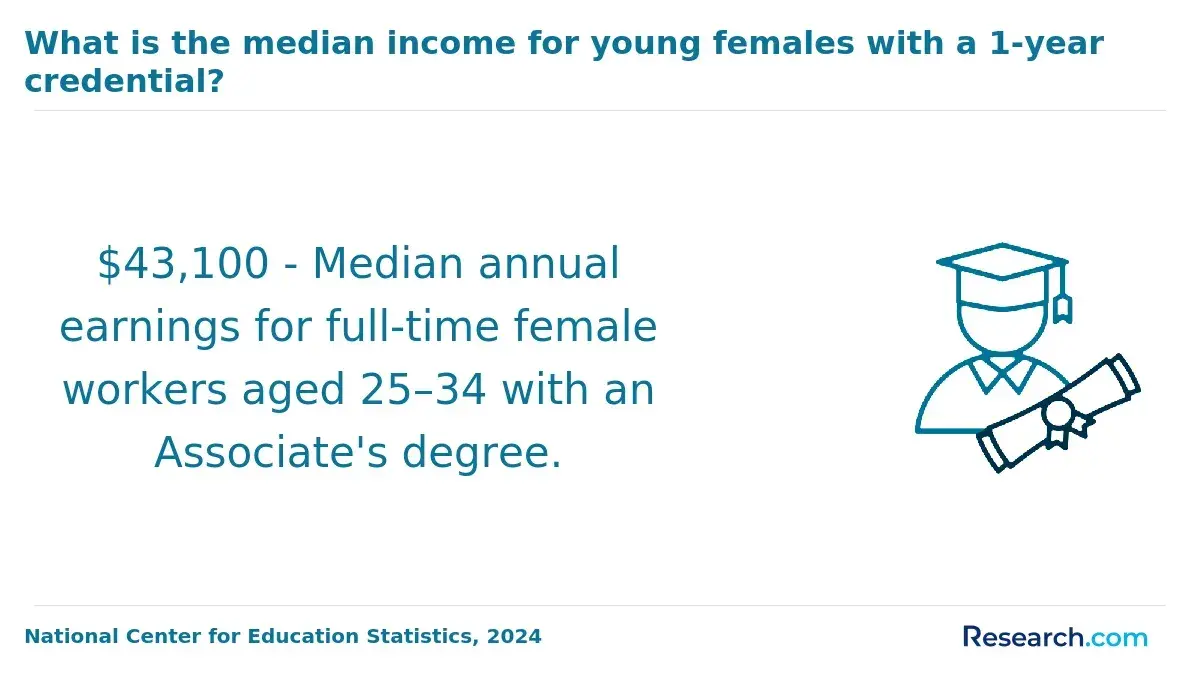
Federal financial aid-including grants, loans, and work-study-is generally accessible for self-paced and competency-based online mathematics bachelor's programs, provided those programs meet accreditation standards and maintain appropriate enrollment processes. Since many competency-based education (CBE) models define progress differently, they often need to translate learning achievements into credit-hour equivalents to qualify for FAFSA funding.
According to the College Board's Trends in Student Aid, online students frequently combine federal loans with grants, receiving an average total aid package around $14,000 annually. State-funded scholarships and grants vary by residency and may specifically target online learners. Institutional funding options are also common but differ widely between schools, requiring careful review of each institution's policies.
Mathematics students may access scholarships from specialized bodies such as the Mathematical Association of America and the American Mathematical Society. These awards recognize academic merit or financial need within the mathematics discipline, supplementing broader aid packages.
Because the timing of aid disbursement can be affected by self-paced structures, it's essential to consult financial aid offices early. Doing so helps clarify specific eligibility details and prevents unexpected funding delays.
Enrollment in competency-based and self-paced online programs rose by 12% in 2023, reflecting growing adoption of flexible pathways in higher education.
- Federal Aid Eligibility: Grants, loans, and work-study are available but must align with credit-hour standards in CBE programs to meet FAFSA criteria.
- State and Institutional Aid: Available scholarships and grants vary by state and school, requiring students to research based on residency and institution.
- Mathematics-Specific Scholarships: Professional organizations offer targeted awards that reward academic excellence or financial need within math fields.
- Disbursement Timing: Self-paced formats may alter financial aid schedules, making early communication with aid offices important.
- Enrollment Trends: Competency-based online programs experienced a 12% enrollment increase in 2023, showing expanding interest in flexible degree options.
Competency-based education (CBE) models in self-paced online mathematics bachelor's degree programs prioritize demonstrating mastery of skills and concepts over traditional classroom attendance. Students progress by completing assessments-such as exams, projects, or practical problem-solving tasks-that prove their understanding, allowing them to move faster through familiar material or spend more time on difficult topics. This flexible approach suits working professionals and non-traditional students who need adaptable learning schedules.
For financial aid purposes, CBE programs convert demonstrated mastery into credit hours to maintain eligibility for federal aid. There are two main types: direct assessment programs that measure learning outcomes without assigning credit hours until a course is finished, and credit-hour-equivalent CBE programs that align assessments with traditional credit models from the outset.
Several institutions offer self-paced online mathematics CBE programs. Western Governors University (WGU) employs performance-based assessments alongside substantial faculty mentoring and coaching. Southern New Hampshire University (SNHU) integrates modular courses with real-world applications and supports students through academic coaches. Purdue University Global combines CBE principles with personalized tutoring and credentials recognized by employers in related fields.
Success in CBE programs requires significant self-discipline, strong motivation, and effective time management due to the flexible pacing and independent study environment. Prospective students should assess whether this learning style fits their needs before enrolling.
According to the National Center for Education Statistics, CBE enrollment has increased by more than 30% from 2017 to 2022, reflecting a growing preference for mastery-based, flexible degree options.
- Mastery Focus: Students advance by proving competency through assessments rather than attending set class hours, promoting a personalized pace.
- Financial Aid Eligibility: CBE programs convert coursework into credit hours or use direct assessment models to maintain federal aid qualification.
- Program Examples: WGU, SNHU, and Purdue Global offer supported CBE mathematics curricula with employer recognition.
- Self-Discipline Required: Success depends on strong self-motivation and time management due to flexible pacing.
- Growing Trend: CBE enrollment has risen sharply in recent years, indicating increased demand for flexible degree options.
When selecting an accredited self-paced online mathematics bachelor's degree program, accreditation type greatly impacts the value of your education. Regional accreditation holds the highest esteem in the United States, especially for mathematics degrees. It ensures institutions meet rigorous academic standards recognized by employers and graduate schools. Regional accreditation is granted by six agencies recognized by the U.S. Department of Education: Middle States Commission on Higher Education (MSCHE), New England Commission of Higher Education (NECHE), Higher Learning Commission (HLC), Southern Association of Colleges and Schools Commission on Colleges (SACSCOC), Western Association of Schools and Colleges Senior College and University Commission (WSCUC), and Northwest Commission on Colleges and Universities (NWCCU).
Some self-paced mathematics bachelor's degrees also carry programmatic accreditation from specialized bodies focused on STEM or mathematics fields, adding credibility. In contrast, nationally accredited programs tend to prioritize vocational or technical training and may present obstacles such as limited credit transferability and reduced acceptance by employers or graduate programs. These risks can seriously hinder career progression.
Students should verify accreditation status through trusted databases like the U.S. Department of Education's accreditation database or the Council for Higher Education Accreditation (CHEA) directory before enrolling. This ensures your educational investment is protected.
Besides evaluating accreditation, exploring programs with flexible credit transfer policies, prior learning assessments, and financial aid eligibility is essential. These factors enhance accessibility for working professionals, non-traditional students, or anyone seeking maximum flexibility.
For those interested in related flexible degree options, an online hospitality management program may also offer self-paced study.
- Regional Accreditation: The most respected accreditation, ensuring broad academic quality and recognition critical for mathematics degrees and graduate study.
- National Accreditation: Generally less rigorous and focused on career or technical education, often limiting degree recognition and credit transfers.
- Six Regional Agencies: MSCHE, NECHE, HLC, SACSCOC, WSCUC, and NWCCU cover distinct U.S. regions and maintain strict standards.
- Programmatic Accreditation: Some mathematics programs hold specialized accreditation, signaling additional quality assurance specific to STEM fields.
- Risks of Poor Accreditation: Enrollment in nationally accredited or non-accredited programs risks credit transfer issues and lower employer or graduate school acceptance, restricting career growth.
- Verification Resources: Use the U.S. Department of Education and CHEA accreditation databases to confirm legitimate program accreditation before applying.
Transfer credit policies for self-paced online mathematics bachelor's degree programs vary widely but generally allow students to apply a significant number of previously earned credits toward degree requirements. Many programs emphasize flexibility by accepting transfer credits from accredited colleges and universities, with some accepting up to 90 credits-dramatically shortening the time and cost needed to complete the degree. This wide acceptance is especially valuable for working professionals or nontraditional students seeking maximum flexibility in their studies.
These programs often rely on official transcripts, course descriptions, and detailed syllabi to evaluate incoming transfer credits. Military training and experience are frequently recognized through American Council on Education (ACE) credit recommendations, offering additional pathways for service members and veterans to earn credits toward degree completion. Community college articulation agreements also play a crucial role in facilitating smoother credit transfer, allowing a seamless transition from two-year colleges to four-year online mathematics bachelor's programs.
Because transfer credit acceptance varies by institution and program, requesting a formal transfer credit evaluation before enrolling is essential. This evaluation clarifies how many credits will count toward the degree, helping prospective students better understand their remaining course load and overall costs.
- Generous Credit Limits: Some programs accept up to 90 transfer credits, enabling students to finish their degrees faster and with less expense.
- Military Credit Recognition: ACE-recommended credits from military training and experience are widely accepted, creating valuable credit opportunities for veterans.
- Community College Partnerships: Articulation agreements simplify the transfer process, allowing coursework from community colleges to count toward degree requirements.
- Evaluation Requirements: A formal transfer credit evaluation before enrollment is critical to determine actual transferable credits and plan academic progress effectively.
For a holistic view of flexible degree options alongside these transfer policies, prospective students may also explore online architecture programs as examples of competency-based education models that offer similar transfer-friendly pathways.
Prior Learning Assessment (PLA) enables students in self-paced online mathematics bachelor's programs to earn credit for their professional experience, military training, industry certifications, and self-directed study. Credits can be gained through portfolio submissions, challenge exams, or standardized tests like CLEP and DSST, which assess knowledge equivalency. Institutions such as Western Governors University and Thomas Edison State University are known for their accommodating PLA policies, allowing credits to account for up to half of degree requirements. These schools require thorough documentation, including official transcripts, certificates, resumes, and reflective essays, to verify learning outcomes.
The American Council on Education (ACE) plays a significant role by evaluating training and recommending college credit, which benefits military service members and working professionals seeking academic recognition for their expertise. To maximize PLA credit, students should carefully align their evidence with course competencies and adhere to each institution's specific guidelines for submission.
Recent studies reveal that over 30% of adult online learners have utilized some form of PLA, highlighting its rising popularity as a flexible and time-saving pathway to degree completion in competency-based education models.
- PLA Methods: Portfolios, challenge exams, and tests like CLEP and DSST provide flexible ways to convert prior learning into credits.
- Flexible Credit Limits: Leading programs often accept up to 50% of degree credits from PLA, helping reduce both time and cost.
- ACE Evaluation: ACE credit recommendations validate military and professional training nationwide, giving students a credible advantage.
- Effective Documentation: Comprehensive evidence-transcripts, certificates, and reflective essays-boosts the likelihood of receiving full credit.
- Growing Adoption: More than 30% of adult learners now use PLA to accelerate degree timelines and expand access to education.
In self-paced (competency-based) online mathematics programs, concentrations are typically designed to align your quantitative skills with specific industries like finance, technology, or education. Because these programs are built for acceleration, specializations often focus on the practical application of math rather than purely theoretical research.
Applied Mathematics: This track emphasizes practical mathematical applications in engineering, computer science, and the physical sciences. Careers often include roles like data analyst or systems engineer, with median earnings near $86,000 per year per BLS data. It usually requires no extra certification but may involve hands-on internships.
Actuarial Science: Focused on risk evaluation in finance and insurance, this specialization demands passing multiple professional exams, potentially lengthening degree completion time. Actuaries report median salaries above $108,000 annually, reflecting strong job market demand.
Statistics and Data Science: This concentration deals with analyzing complex data sets, applicable in healthcare, marketing, and technology sectors. Graduates often seek certifications in statistical tools, with median incomes around $88,000. The field offers expanding employment opportunities.
Pure Mathematics: Centered on theoretical frameworks and abstract problem solving, this path is suited for academic or research careers. It may require further graduate education and frequently involves preparing for teaching credentials. Salary ranges vary widely.
Mathematics Education: Designed to train future secondary educators, this route mandates state licensure and supervised internships. Median salaries are approximately $62,000, aligning with teaching roles. It typically involves more external credentialing than other concentrations.
Choosing a concentration that fits personal interests and meets labor market trends helps balance program duration and career goals-fields with fewer certification requirements may speed up graduation, while specialized tracks can extend study time but enhance professional prospects.
What Graduates Say About Self-Paced Online Mathematics Bachelor's Degree Programs
- Otto: "Choosing a self-paced online mathematics bachelor's degree was essential for me because I needed the flexibility to continue working while studying. The program's affordable tuition made it feasible without accumulating overwhelming debt. After graduation, I quickly secured a position in data analysis, proving how the degree strengthened my technical skills and opened doors professionally."
- Colsen: "Reflecting on my decision to pursue a mathematics degree online at my own pace, I appreciated how the curriculum balanced rigor with the flexibility to learn on my schedule. The cost-effectiveness compared to traditional in-person programs allowed me to invest in other career-building resources. Ultimately, the degree not only enhanced my confidence but also elevated my job prospects in a competitive job market."
- Isaiah: "The self-paced structure of the online mathematics bachelor's degree perfectly matched my goal of career advancement while managing family commitments. It was a cost-conscious choice that didn't sacrifice quality, making it a smart investment in my future. Since completing the program, I've experienced significant professional growth and greater opportunities in quantitative finance."
Other Things You Should Know About Mathematics Degrees
Transfer credits are usually reviewed by the receiving school’s registrar or transfer office against the program’s math core and general education requirements. Regionally accredited programs often accept up to 90 of 120 credits, but upper-division mathematics courses may require syllabi for exact course-to-course matching.
Enrolling in a 2027 self-paced online Mathematics bachelor's program typically requires a high school diploma or equivalent, with coursework in mathematics. Some programs may also require standardized test scores, such as the SAT or ACT, and prior completion of introductory math courses.
- PLA Programme https://online-degrees.org/uni/prior-learning-assessment/programme
- Picture an Online Degree at Your Own Pace https://www.snhu.edu/about-us/newsroom/education/picture-an-online-degree-at-your-own-pace
- Why Mathematics Online Classes are Essential for Students? https://www.98thpercentile.com/blog/why-mathematics-online-classes-are-essential-for-students/
- 5 Reasons Why You Should Earn Your Bachelor’s Degree Online https://www.pointloma.edu/resources/accelerated-undergraduate/5-reasons-why-you-should-earn-your-bachelors-degree-online
- Bachelor of Science in Mathematics - Pure Mathematics University at Buffalo - SUNY https://www.hotcoursesabroad.com/india/course/us-usa/bachelor-of-science-mathematics-pure-mathematics/59000356/program.html
- Are Online Degrees Accredited? How to Identify Quality Distance Learning Programs https://www.umassglobal.edu/blog-news/online-degrees-accredited-identify-quality-distance-learning-programs
- What Is the Real Cost of an Online Bachelor Degree? https://degreeonline.education/what-is-the-real-cost-of-an-online-bachelor-degree/
- Mathematics Associate in Science for Transfer (AS-T) https://laspositascollege.edu/catalog/_archives/_04012025/current/math/mathematics-as-t.php
- Best Online Mathematics Bachelor's Degree Programs, Jobs, and Salaries https://careerkarma.com/blog/best-online-mathematics-bachelors-degrees/
- Mathematics Transfer Pathway https://catalog.monroeccc.edu/preview_program.php