2027 Best Degree Programs for Job Security

Co-Founder and Chief Data Scientist
A master's degree can open a career path - or add debt without improving your prospects. For prospective graduate students and career changers, the better question is which programs prepare you for work that employers need and that you can realistically enter. The U.S. Bureau of Labor Statistics (BLS) projects employment for information security analysts to grow 29% from 2024 to 2034, but that outlook does not mean a cybersecurity master's alone will secure a job. This guide compares fields, entry requirements, pay, cost, and credentials so you can choose a program with a credible path to lasting work.
Key Things You Should Know
- For a clear occupation-linked pathway, compare accredited nursing, social work, education, and selected healthcare master's programs - but verify state licensure eligibility before enrolling.
- For technical careers, computer science, IT, and engineering offer options, but experience and current skills matter alongside the degree; BLS projects 29% employment growth for information security analysts from 2024 to 2034.
- Job security is not a promised outcome. Compare total cost and time with the jobs you can actually pursue, including required licenses, placements, and prior experience.
Top 10 Best Degree Programs for Job Security
Business Programs
An MBA or specialized master's in accounting, supply chain management, or business analytics can help experienced workers move into a function with demand across industries. Choose a specialization tied to work you want to perform: accounting may align with a defined professional track, while a general MBA is less direct preparation for a first job. Management positions commonly require experience, and an accounting degree alone does not confer CPA licensure. Compare employer demand in your region, internship access, and the full cost against likely advancement - not a projected management salary.
Healthcare Programs
Healthcare master's degrees include occupational therapy, speech-language pathology, public health, and healthcare administration. Practice-oriented programs can lead toward specific occupations, but clinical placements, accreditation, examinations, and state licenses may be essential. Public health and administration programs serve broader roles; neither automatically qualifies a graduate for a clinical job or a management position. If job security is your priority, work backward from the occupation's entry rules and local vacancies. Confirm that the program can arrange required fieldwork where you live.
Information Technology Programs
A master's in information technology, cybersecurity, or information systems can support systems, cloud, and security careers. It may suit professionals building on technical experience, particularly when coursework includes hands-on infrastructure, risk assessment, and a substantial project. A degree is not a substitute for operational experience: some security roles are difficult to enter without prior IT work. Compare employer-recognized skills, internship or project opportunities, and whether the curriculum stays current. Professional certifications can complement, but do not replace, relevant experience.
Computer Science Programs
A computer science master's can deepen skills in software engineering, AI, systems, or data-intensive computing. It is most compelling when a target role values advanced technical depth; many software development jobs do not require a master's. Career changers should check programming and mathematics prerequisites, since foundation courses can add time and cost. Examine project work and access to internships rather than assuming a concentration guarantees hiring. As AI changes development workflows, the ability to design, test, and maintain reliable systems remains more useful than familiarity with one tool.
Nursing Programs
A master of science in nursing (MSN) can prepare registered nurses for advanced practice, education, or leadership, depending on the track. It is not usually an entry route for someone without nursing preparation; direct-entry pathways have separate eligibility and licensure steps. Nurse practitioner tracks require clinical hours and must meet applicable certification and state licensing rules. Education and leadership tracks lead to different work and do not automatically confer advanced-practice authority. Confirm your intended track, placement support, and state eligibility before comparing online or campus formats.
Psychology Programs
A psychology master's may support research, behavioral health, or preparation for further study, but "psychologist" generally requires a doctoral degree and state licensure. Some master's programs instead prepare students for specific counseling roles; the program title alone does not establish license eligibility. Compare the curriculum, supervised-practice requirements, and your state board's rules with the exact occupation you want. If your goal is clinical practice, a properly aligned counseling or social work program may offer a more direct route than a general psychology degree.
Education Programs
Master's programs in education can serve licensed teachers seeking specialization or prospective teachers entering an approved initial-licensure pathway. Those purposes are not interchangeable: a curriculum-focused degree may not qualify a newcomer to teach. School leadership roles often require teaching experience and an additional credential. Check state approval, student-teaching requirements, and whether any advertised pay increase applies under the districts where you intend to work. A lower-cost program can be a stronger choice if it meets your credential goal without interrupting employment.
Criminal Justice Programs
A criminal justice master's can support policy, research, administration, or advancement for people already working in public safety. It is rarely a universal entry requirement for policing or federal investigative work, where hiring standards and experience differ by employer. Before paying for graduate study, review actual postings for your target role and ask whether the credential affects eligibility or promotion. Students interested in technical investigation may find a more direct fit in cybersecurity, accounting, or forensic science, depending on the job.
Engineering Programs
An engineering master's can develop expertise in areas such as electrical, civil, or industrial engineering. It is particularly useful when specialized design or research work calls for knowledge beyond a bachelor's degree. Many engineering roles are open to bachelor's graduates, however, and a master's does not itself award a professional engineer license. Check prerequisite requirements, laboratory access, and whether employers in your specialty value a thesis, applied project, or work experience more. Compare that benefit with tuition and time away from work.
Social Work Programs
A master of social work (MSW) is a defined route toward many clinical social work positions, provided the program and subsequent supervised experience meet state licensing rules. Advanced-standing options for eligible bachelor of social work graduates can shorten remaining coursework; applicants from other majors generally follow a different route. Field placements can limit scheduling flexibility even when classes are online. Compare placement assistance, state eligibility, and expected debt with wages in the settings where you hope to practice. An MSW alone does not confer independent clinical licensure.
What Are the Best Degrees for Job Security and Career Growth?
There is no universally safest master's degree. Nursing and social work offer comparatively clear links between an approved program and a regulated occupation; technical degrees can broaden options across employers, but hiring depends heavily on demonstrable skills and experience. Education can be a strong fit for someone committed to teaching, while an MBA makes more sense when it supports an existing career trajectory.
Prioritize a program that meets the entry rules for your target job, then weigh local openings, total cost, and whether you would still want the work if advancement took longer than expected. A field's earning potential is a separate question: comparisons of what degrees make the most money should not be treated as a measure of employment stability.
Which Degree Programs Have the Strongest Job Outlook?
Look at occupations rather than degree names: BLS forecasts describe demand for workers in a role, not placement rates for graduates of a particular program. Its projected 29% growth for information security analysts from 2024 to 2034 signals expanding demand, but applicants may still need prior IT experience. Nursing and other patient-care pathways address ongoing service needs, though outlook varies by occupation and location.
The comparison below separates a program's career connection from an important entry barrier. Use it to narrow your choices before checking job postings in the area where you plan to work.
| Master's program family | Potential career connection | Key qualification to check |
| Nursing | Advanced practice or nursing education | RN preparation, clinical hours, certification, and state rules |
| Social work | Social services or clinical practice | Fieldwork and post-degree licensing requirements |
| Computer science or IT | Software, systems, or security work | Technical proficiency and experience expected by employers |
| Education | Teaching or school leadership | State-approved pathway and, for some roles, prior teaching experience |
How Much Do Job-Secure Careers Pay?
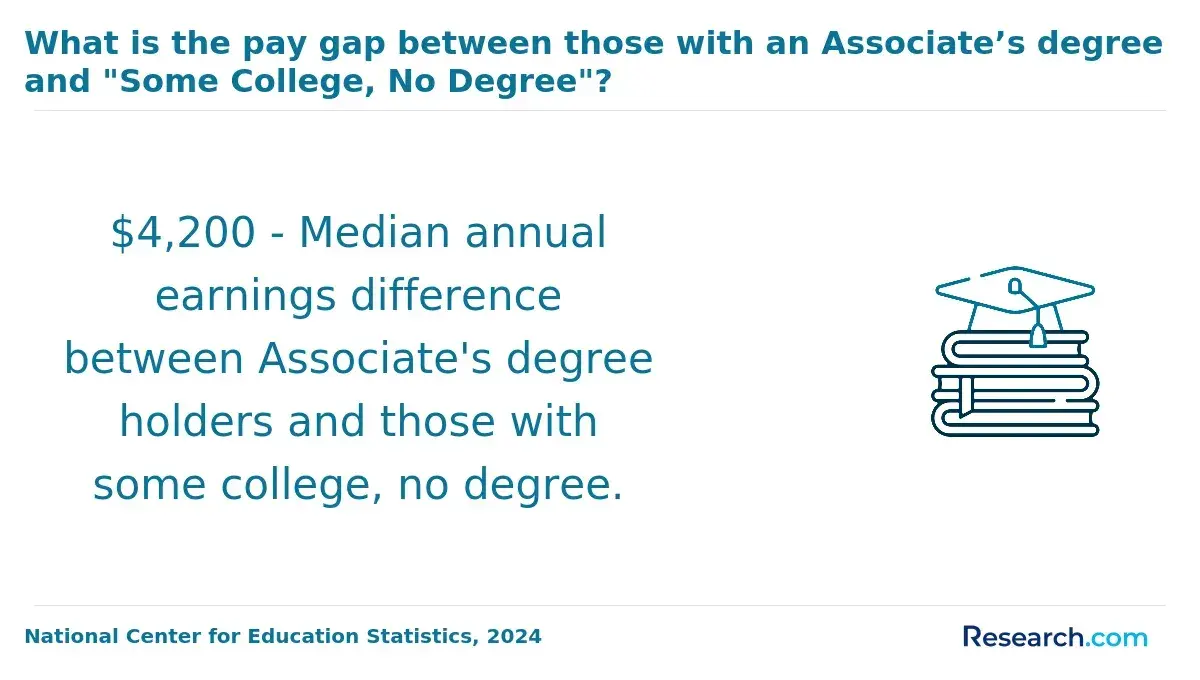
BLS reports a 2024 median annual wage of $93,600 for registered nurses. That is an occupational median - not an expected salary for MSN graduates. Pay varies with role, location, experience, and employer; advanced-practice nursing has different entry requirements and wage data from registered nursing.
For a useful return-on-investment comparison, match the specific job you could qualify for with its local pay, then account for tuition, fees, placement expenses, borrowing, and any income you would give up while studying. If a bachelor's degree already qualifies you for the role, ask what measurable career benefit the master's adds.
What Accreditation Should Job-Focused Degree Programs Have?
Start by confirming that the institution holds accreditation recognized by the U.S. Department of Education. Then check any accreditation or approval required for your intended occupation. Examples include Commission on Collegiate Nursing Education or Accreditation Commission for Education in Nursing accreditation for relevant nursing programs, Council on Social Work Education accreditation for MSW programs, and applicable state approval for teacher preparation.
Programmatic requirements vary by profession and state; an accredited university does not make every program license-eligible. Verify the specific program and delivery location against your state licensing board's rules before paying a deposit.
Which Degree Pathways Lead to In-Demand Careers?
Start with the job's actual entry point. A working RN might compare MSN tracks; an eligible BSW graduate might compare advanced-standing MSW programs; an experienced developer might choose a computer science specialization. A career changer may need prerequisite courses, an entry-level credential, or work experience before a master's delivers value.
Admission ease is not the same as career fit. A guide to the easiest masters degree to get may help frame questions about prerequisites and workload, but it cannot establish whether a program meets licensing rules or employer expectations. Ask admissions to identify any foundation coursework and the requirements you would have left after a formal transcript review.
Are Online Degrees as Valuable as Campus-Based Programs?
An online degree can meet the same academic and professional goals as a campus program if the specific program has appropriate accreditation, required training, and a format you can complete. Delivery alone does not establish quality or licensure eligibility. Nursing clinicals, social work field placements, teacher preparation, and some laboratories still require in-person work; online courses may also meet live at scheduled times.
Ask for the course schedule and placement policy, not just an "online" label. That matters for working adults and people returning to school later in life; comparisons of degrees for seniors can help generate flexibility questions, but the requirements of your chosen master's program control.
What Do Job-Secure Degree Programs Cost and How Long Do They Take?
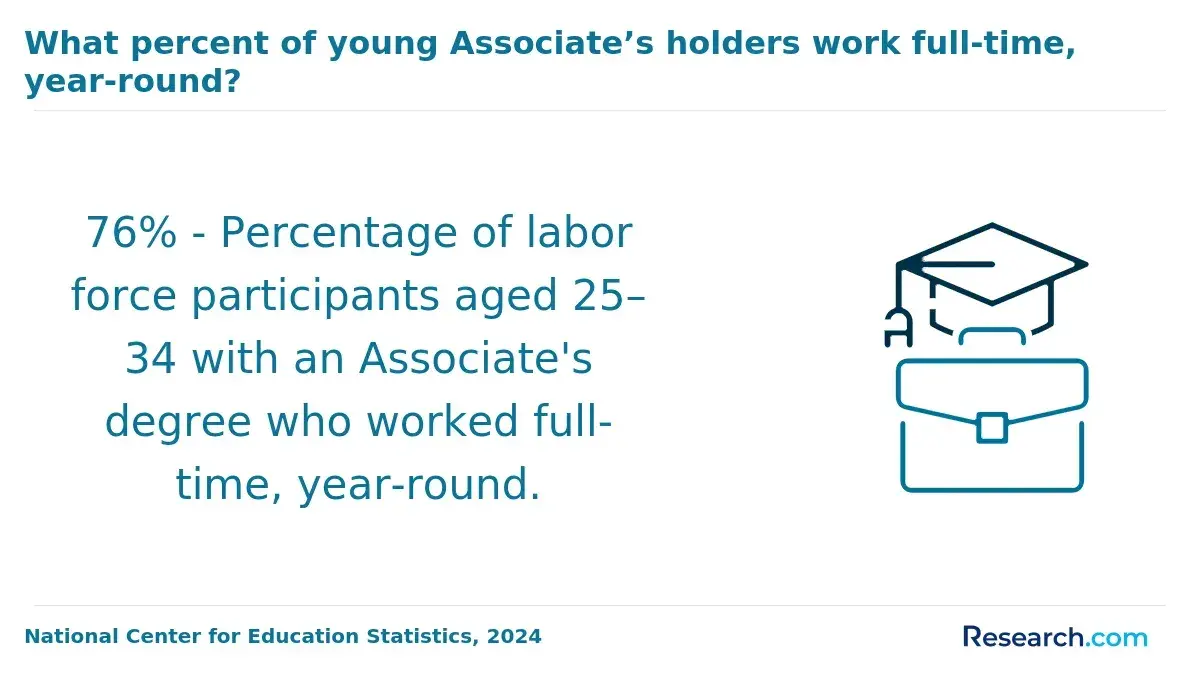
Master's programs vary in required credits, course sequencing, and experiential work, so there is no reliable single price or completion time for these fields. Compare an individualized estimate of tuition and mandatory fees with books, technology, travel, clinical or fieldwork costs, and income lost if you reduce work hours. Ask about aid eligibility and employer tuition assistance before calculating what you would borrow.
Speed also depends on your starting credentials. Advanced standing, accepted transfer credit, or accelerated scheduling may reduce remaining requirements, but a short course term is not a short degree. If you compare fast track schools, obtain a written plan showing prerequisites, credits that actually apply, placement timing, and your projected graduation date.
Which Careers Require Licenses or Professional Certifications?
Clinical nursing practice, clinical social work, teaching, and several other healthcare roles are regulated by states. A qualifying degree may be only one step; applicants can also face supervised practice, examinations, background checks, or national certification. Rules depend on the role and where you intend to work. Engineering licensure applies to certain professional practice and is distinct from holding an engineering degree.
IT certifications and business credentials can strengthen an application, but they are not interchangeable with state licenses. Before enrolling, ask the relevant board whether graduates of the specific program and track can pursue your intended credential, including if you will study from another state.
How Can You Choose a Reputable Degree Program?
Begin with a target occupation and recent local job postings. Confirm the education and experience employers request, then check institutional accreditation, program approval where needed, coursework, placement arrangements, and outcomes the school can document. Request a written estimate of total cost and an individual completion plan before accepting an offer.
Watch for claims that a degree "guarantees" employment, occupational salary figures presented as graduates' earnings, or vague answers about licensure eligibility. Rankings and low advertised tuition are useful starting points, not substitutes for checking whether the program qualifies you for the work and fits your budget.
Other Things You Should Know About
No. Many stable occupations admit bachelor's graduates or people with other credentials. Pursue a master's when it is required for your target role or offers a credible benefit beyond its cost.
Programs tied to a defined occupation, such as qualifying nursing or social work tracks, can offer a clearer pathway. You must still meet licensing rules, and employment is not guaranteed.
It may build useful knowledge, but some security jobs expect prior technical work. Compare entry-level job requirements and opportunities for hands-on experience before enrolling.
Sometimes. Verify that the specific program meets the rules of the state where you intend to practice and that you can complete all required in-person training.
References
- Board of Governors of the Federal Reserve System https://www.federalreserve.gov/econres/notes/feds-notes/educational-exposure-to-generative-artificial-intelligence-20250226.html
- Annual Earnings by Educational Attainment - COE https://nces.ed.gov/programs/coe/indicator/cba/annual-earnings
- Artificial Intelligence and Employment: New Cross-Country Evidence - PMC https://pmc.ncbi.nlm.nih.gov/articles/PMC9127971/
- Research Summary: Education and Lifetime Earnings | ssa.gov https://www.ssa.gov/policy/docs/research-summaries/education-earnings.html
- Education pays: U.S. Bureau of Labor Statistics https://www.bls.gov/emp/chart-unemployment-earnings-education.htm
- Recession-Proof Industries: The 6 Most Secure Jobs | USC Online https://online.usc.edu/news/recession-proof-industries-careers-economic-downturn/
- The impact of university ties on early labor market outcomes | sciencedirect.com https://www.sciencedirect.com/science/article/pii/S0272775723001036
- The Major Payoff: Evaluating Earnings and Employment Outcomes Across Bachelor's Degrees - CEW Georgetown https://cew.georgetown.edu/cew-reports/major-payoff/
- College is still worth it, even with student debt, but we can do better | Brookings https://www.brookings.edu/articles/college-is-still-worth-it-even-with-student-debt-but-we-can-do-better/
- Jobs requiring bachelor's degrees expected to increase the fastest in the next decade - Mapping Your Future https://mappingyourfuture.org/jobs-requiring-bachelors-degrees-expected-to-increase-the-fastest-in-the-next-decade/