2027 Best Online College Degrees With Career Services

Co-Founder and Chief Data Scientist
An online degree can fit your schedule, but will it also help you make your next career move? The U.S. Bureau of Labor Statistics projects 15% employment growth for software developers, quality assurance analysts, and testers from 2024 to 2034 - a reminder that opportunities can change quickly and field-specific preparation matters.
Key Things You Should Know
- Prioritize career services you can use remotely: individual advising, employer introductions, internship help, and access after graduation. A job board alone is a weaker offering.
- Match the degree to the job before comparing schools. Some careers require a license, supervised experience, or a prior credential that an online degree does not replace.
- For one measure of opportunity, federal projections show 15% growth for software developers, quality assurance analysts, and testers from 2024 to 2034; demand does not guarantee an individual graduate a job.
Top 10 Best Online College Degrees With Career Services
Business Programs
An online MBA or specialized master's in accounting, finance, or marketing can serve experienced professionals seeking a change in function or greater responsibility. Career coaching is most useful when it includes alumni networking, interview practice, and introductions to employers hiring for the student's target role. Compare concentrations and recruiting access rather than assuming every MBA opens the same doors. Some programs expect professional experience, while accounting roles may require specific coursework or a CPA license. A narrower master's may suit a clearly defined career goal better than a general MBA.
Healthcare Programs
Online master's programs in health administration, public health, and health informatics prepare students for different settings: organizational operations, population health, and health data. Ask whether career advisers work with healthcare employers and help arrange field placements where required. A health administration degree does not itself grant a clinical license, and leadership jobs commonly require relevant experience. Check whether an online program includes a practicum, scheduled classes, or location-dependent work before assuming it can be completed entirely from home.
Information Technology Programs
An online master's in information technology, cybersecurity, or information systems can build on existing technical work. Strong career support may include portfolio reviews, technical interview practice, and introductions to employers seeking particular platforms or security skills. Compare courses against actual job postings: an IT management curriculum serves a different goal from a hands-on security curriculum. Certifications and experience may still matter, and some graduate programs require computing prerequisites or foundation courses. Be cautious of promises that a master's alone leads directly to a senior security role.
Computer Science Programs
Online computer science master's degrees may emphasize software engineering, artificial intelligence, data science, or research. Look for career services that support technical recruiting, project portfolios, and interviews - not just résumé formatting. Some programs admit applicants from other majors but require bridge courses; others expect substantial programming and mathematics preparation. A project-based option may fit an industry transition, while a research or thesis route may better support doctoral plans. Compare the curriculum with the skills employers request in your intended specialty.
Nursing Programs
An online Master of Science in Nursing may prepare registered nurses for education, leadership, or an advanced practice specialty. Admission generally requires an active RN license; advanced practice pathways also involve clinical training and separate certification and state licensure requirements. Career services should help students evaluate local clinical placement arrangements and connect with specialty employers. Online coursework does not eliminate in-person clinical hours. Verify the program's accreditation, state authorization, specialty eligibility, and responsibility for securing placements before applying.
Psychology Programs
An online psychology master's can support research, organizational work, or preparation for further study, depending on its curriculum. It should not be confused with a qualifying pathway to become a licensed psychologist, which generally requires doctoral education and supervised training. Counseling or other licensed roles have distinct state-specific requirements. Seek career advisers who understand those differences and can identify relevant internships or research experience. Choose by intended occupation, not by the broad "psychology" label alone.
Education Programs
Online education master's degrees include curriculum and instruction, educational leadership, and teacher-preparation pathways. These are not interchangeable: an advancement-focused program for licensed teachers may not qualify a newcomer for initial certification. Useful career services include district connections, interview preparation, and help understanding local placement or student-teaching requirements. Check your state education agency's rules and the program's approved pathway before enrolling. Even predominantly online study may require supervised work in a school.
Criminal Justice Programs
An online criminal justice master's may focus on policy, administration, intelligence, or research. It can be valuable for professionals seeking specialized knowledge, but law enforcement and federal roles have separate hiring, training, and eligibility processes. Ask whether career advisers have contacts with the agencies or nonprofits relevant to your goal and whether graduates can access those services later. Compare the degree's cost with employer-sponsored training or a more specialized credential if your intended role does not require graduate study.
Engineering Programs
Social Work Programs
An online Master of Social Work can prepare students for social work practice, but substantial supervised field education takes place in person. Advanced-standing pathways may be available to eligible graduates of accredited bachelor's social work programs; a different bachelor's degree does not automatically qualify. Ask whether the school helps arrange placements near you and whether career services connect students with relevant agencies. Clinical social work licensure also requires state-specified supervised experience and an examination after the degree.
What Are the Best Online Degrees With Career Services?
The best online degree with career services is the one that combines a credible path to your target job with support you can actually use from a distance. The field comparisons below identify a sensible starting point; they are not a ranking of colleges or a claim that every program offers the same services.
This table pairs common goals with degree options and the career support most worth verifying before you apply.
| Career goal | Degree to consider | Career-service priority | Key limitation |
| Enter business operations | Online bachelor's in business | Internship leads and employer recruiting | Management roles usually require experience |
| Move into software work | Online bachelor's or master's in computer science | Project portfolio and technical interviews | Graduate admission may require prerequisites |
| Advance in healthcare operations | Online master's in health administration | Healthcare-specific networking | Clinical jobs require separate credentials |
| Qualify for social work practice | Online MSW with local field placement | Placement assistance and agency connections | Licensure requires additional state steps |
If the desired job relies on a specific skill rather than a degree, compare the time and cost of best online certificate programs before committing to a longer credential.
How Do Online College Career Services Help Graduates Find Jobs?
Online college career services can help graduates find jobs by turning an academic goal into a search plan: identifying suitable roles, improving applications, practicing interviews, and making employer or alumni connections. Some offices also help students obtain internships or field placements. The valuable distinction is between access to services and evidence of employment outcomes; neither a coaching appointment nor a job board guarantees an offer.
Ask whether advisers specialize in your field, whether appointments are available outside your work hours, and whether support continues after graduation. Request the school's published outcomes methodology, including which graduates were counted, rather than relying on an unexplained placement claim.
Are Online Degrees With Career Services Accredited and Respected?
Online degrees can be accredited and respected, but neither status follows automatically from the word "online." Confirm that the institution holds accreditation recognized by the U.S. Department of Education. For fields such as nursing, social work, counseling, engineering, and educator preparation, check whether the specific program has any accreditation or state approval your intended credential requires.
Employers may assess your skills, experience, and institution alongside the degree. A common mistake is checking institutional accreditation but not whether a particular online pathway satisfies licensure rules where you plan to work. Ask the relevant state board directly when eligibility is unclear.
Which Online Degree Programs Offer the Strongest Career Pathways?
The strongest career pathway has a clear connection between coursework, practical experience, and entry requirements for a defined occupation. Computer science can lead toward software roles when students develop and demonstrate programming skills. Nursing and social work offer more formally defined professional routes, but require prior qualifications or supervised, in-person work. Business offers broader options, which makes internships and a specific target role especially important.
Compare paths by starting point: a first-time student may need a bachelor's degree, while a licensed nurse or experienced engineer may benefit from a specialized master's. Avoid paying for graduate study simply because a job sounds advanced; check whether employers actually request that credential.
What Do Online Degree Programs With Career Services Cost?
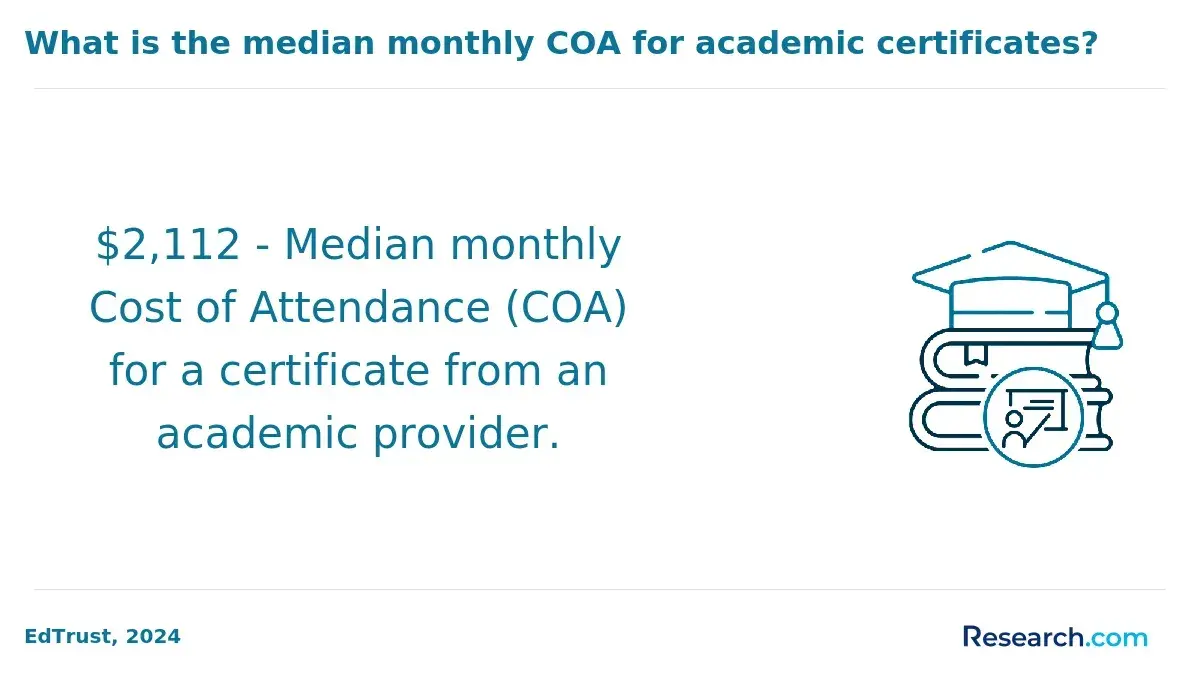
There is no single price for an online degree with career services. Compare the total cost to completion: remaining credits multiplied by applicable tuition, plus mandatory, technology, laboratory, clinical, and graduation fees. Add travel and lost work time for required visits or placements. Ask whether career support is included in tuition or carries a separate charge, and whether alumni retain access.
Request a written estimate after a transfer-credit or prerequisite review. Eligible students can also check federal aid, scholarships, and employer tuition benefits. A shorter program is not necessarily cheaper: when comparing a shortest masters degree option, weigh its full price and course load against the income or work time you might give up.
How Long Does It Take to Earn an Online College Degree?
A typical full-time bachelor's pathway spans about four academic years, while a master's may take roughly one to three years; part-time enrollment, prerequisites, and required experiences can extend either timeline. Previously completed coursework may shorten a bachelor's only if the school accepts it and applies it to remaining degree requirements. Advanced-standing graduate routes have separate eligibility rules.
What Do You Learn in Online Degree Programs With Career Support?
Students generally learn field-specific concepts alongside research, communication, analysis, and applied problem-solving. Career support adds a different kind of preparation: translating coursework into portfolio examples, explaining skills to employers, and planning a job search. A business student might build an operations project; a computer science student might present tested software; an MSW student must also complete supervised fieldwork.
Review actual course and capstone requirements rather than assuming every online program is hands-on or self-directed. If scheduling is decisive, compare online college classes at your own pace with programs that have weekly deadlines or live sessions; "online" does not mean "self-paced."
What Jobs and Salaries Can Online Degree Graduates Expect?
How Can You Choose a Reputable Online College With Career Services?
Start with your target job, then compare programs against its education and licensing requirements. Use this sequence to separate meaningful career support from attractive but vague marketing:
- Verify institutional accreditation, online delivery, and any program approval or state authorization needed for your intended career.
- Ask career services for remote appointment options, field-specific advisers, internship or placement help, employer access, and alumni eligibility.
- Obtain a personalized review of admission prerequisites, transfer credits, remaining courses, total costs, and any in-person requirements.
- Request clearly defined employment outcomes and speak with graduates in your field when possible.
Red flags include guaranteed-job language, undisclosed placement responsibilities, and tuition quotes that omit required fees. If a school cannot explain how online students use its services or complete local experiential work, keep comparing.
Other Things You Should Know About
Policies vary. Ask specifically about virtual appointments, recruiting events, internship support, and access after graduation.
Usually not. They can help with preparation and connections, but hiring decisions belong to employers and may depend on experience or licensure.
Sometimes, but nursing, social work, teaching, and other practice-oriented paths may require local clinical work, fieldwork, or student teaching.
Choose the credential your intended role requires and your current education supports. A master's may require a bachelor's degree, prerequisites, professional experience, or an existing license.
References
- The Database of Postsecondary Institutions and Programs | ed.gov https://ope.ed.gov/dapip/
- College Navigator - National Center for Education Statistics https://nces.ed.gov/collegenavigator/
- Career Services | Academy College https://www.academycollege.edu/student-experience/career-services/
- Tuition Costs | Bursar - Queens College | The Center for Excellence in Teaching, Learning & Leadership https://www.qc.cuny.edu/br/tuition-costs/
- What to Expect From Career Services | Johns Hopkins https://publichealth.jhu.edu/offices-and-services/office-of-student-affairs/career-services/what-to-expect-from-career-services
- Tuition & Fees | Delaware State https://www.desu.edu/admissions/financial-aid/tuition-fees
- Career Services | tulsacc.edu https://www.tulsacc.edu/support/career-services
- Career Services for Alumni | our.ric.edu https://our.ric.edu/department-directory/career-life-design-center/career-services-alumni
- Career Outcomes | Emporia State University https://www.emporia.edu/alumni-careers/career-services/career-outcomes/
- Tuition and Fees | University of North Texas https://studentaccounting.unt.edu/tuition-and-fees.html