
2027 Return on Investment (ROI) of an Esports Business Degree Program

Co-Founder and Chief Data Scientist
Choosing an esports business degree is a high-stakes decision because the field is growing, but the career path is not as predictable as accounting, nursing, teaching, or other established professions. The esports market has grown to over $1. 3 billion in revenue annually, yet only 45% of graduates find jobs directly related to their field within six months of completing their program. That gap is exactly why students need to look beyond industry excitement and evaluate cost, debt, work experience, program quality, and realistic job outcomes.
This guide explains how to judge the return on investment of an esports business degree before enrolling. It covers how ROI is calculated, what costs to expect, how financial aid changes the equation, whether online or on-campus programs may offer better value, what salaries graduates can reasonably compare, and how accreditation, industry choice, and promotions can affect long-term payoff.
Key Things to Know About Esports Business Degree ROI
- Graduates in esports business report average starting salaries 15% higher than general sports management peers, reflecting strong earning potential in this expanding digital industry.
- The degree opens pathways into management, marketing, and event coordination roles, offering diverse career advancement opportunities within and beyond esports organizations.
- Industry growth projected at 14% annually supports job stability and long-term salary growth, with skills transferable across gaming, media, and entertainment sectors.
How Is ROI Calculated for a Esports Business Degree Program?
ROI for an esports business degree compares what you spend to earn the credential with the financial benefits you may gain after graduation. The calculation should include tuition, fees, living costs, lost wages, debt, time to completion, starting salary, and the likelihood that the degree helps you qualify for better roles.
A simple way to think about ROI is this: the degree has stronger value when it helps you earn more, move into the industry faster, reduce debt, or qualify for roles that would otherwise be difficult to access. It has weaker value when costs are high, job placement is uncertain, or the program lacks industry connections.
Core factors in an esports business degree ROI calculation
- Tuition and fees: Include tuition, required fees, textbooks, software, and any program-specific technology expenses. Compare in-state, out-of-state, private, public, online, and on-campus pricing because the same credential can vary widely in cost.
- Opportunity cost: If you stop working or reduce your hours while enrolled, the income you give up is part of the total cost. For working adults, this can matter as much as tuition.
- Time to completion: A faster program can reduce living costs and help you enter the workforce sooner. A slower program may still be worthwhile if it allows you to keep earning income while studying.
- Post-graduation salary: Estimate earnings based on the roles you are actually targeting, such as esports marketing, team operations, event management, sponsorship coordination, or community management.
- Career advancement: A degree may improve ROI if it helps you move from entry-level work into management, business development, analytics, or brand partnership roles.
- Program network: In esports, internships, alumni connections, event access, and employer relationships can influence outcomes as much as classroom content.
Students comparing specialized programs should also benchmark them against broader business options. For example, a business administration degree may offer wider career flexibility, while an esports business program may provide stronger industry-specific preparation.
Students who want another example of how specialized education should be evaluated can review online BCBA programs, where cost, credentials, field demand, and licensure-related outcomes also shape ROI.
How Much Does a Esports Business Degree Program Cost?
The cost of an esports business degree is more than the tuition listed on a school website. A realistic budget should include required fees, technology, housing or commuting, lost income, event travel, and the cost of building a portfolio. Recent trends show that students completing professional degrees often carry educational debt exceeding $30,000, which makes total cost planning essential before enrollment.
Costs to include before you calculate ROI
- Tuition and fees: This is usually the largest direct expense. Public, private, online, and on-campus programs may differ substantially, so compare the full cost of attendance rather than tuition alone.
- Books and materials: Esports business courses may require business texts, analytics platforms, production tools, game-related software, or other digital resources.
- Technology and equipment: Students may need reliable hardware, high-speed internet, collaboration software, streaming tools, or upgraded devices depending on the program’s coursework.
- Living and relocation expenses: On-campus students may pay for housing, meals, transportation, and relocation. These costs can make a lower-tuition program more expensive in practice.
- Opportunity cost: If studying full time prevents you from working, the lost wages should be counted as part of your investment.
- Career-building expenses: Conferences, tournaments, student organization travel, certifications, networking events, and portfolio projects can improve employability but add to the total bill.
One graduate described the challenge clearly: “Budgeting was tough because expenses kept emerging unexpectedly.” He said he often had to weigh small purchases against long-term career goals while also planning for tech upgrades and industry events. His experience highlights a common mistake: students budget for tuition but underestimate the cost of becoming visible and competitive in the esports job market.
The most practical approach is to create two budgets before enrolling. The first should show the minimum cost to finish the degree. The second should show the cost of finishing with internships, events, portfolio work, and networking included. The second number is usually closer to the real cost of earning a career-ready credential.
What Financial Aid Is Available for Esports Business Degree Programs?
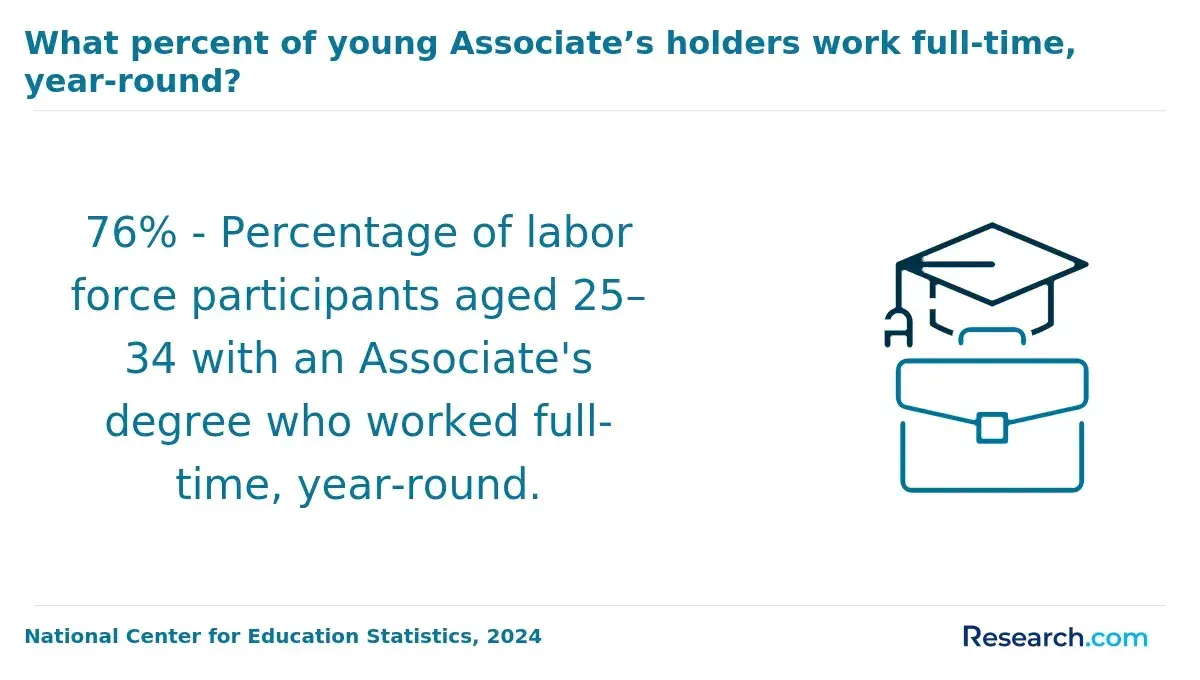
Financial aid can improve ROI by reducing the amount you pay out of pocket or borrow. Because nearly 60% of graduate students in the U.S. use some form of financial support, aid planning should be part of the enrollment decision rather than an afterthought.
Common aid options for esports business students
- Scholarships: Scholarships may be based on academic merit, financial need, leadership, esports involvement, athletics, community service, or school-specific criteria. They do not need to be repaid, so they directly lower net cost.
- Grants: Grants are typically awarded through federal, state, institutional, or private sources. Like scholarships, they reduce the cost of attendance without adding debt.
- Fellowships: Fellowships are more common at the graduate level and may include tuition support, stipends, research opportunities, or professional development funding.
- Employer tuition assistance: Students already working in gaming, marketing, media, technology, retail, or event operations may be able to use employer reimbursement benefits to lower costs while maintaining income.
- Federal student loans: Federal loans require repayment, but they may offer lower interest rates and more flexible repayment options than many private loans. Borrow only after estimating monthly payments against likely entry-level earnings.
- Institutional aid: Some schools offer program-specific awards, transfer student discounts, online learner discounts, or esports-related scholarships tied to participation or academic performance.
Before accepting an offer, ask the school whether aid is renewable, what GPA is required to keep it, whether it applies to summer courses, and whether online students qualify for the same funding as on-campus students. A generous first-year award can look attractive but may not protect ROI if it disappears later.
How Long Does It Take to Complete a Esports Business Degree?
Completion time affects ROI because every extra term can add tuition, fees, living costs, and delayed earnings. A shorter program may improve ROI, but speed should not come at the expense of internships, portfolio work, or practical experience that helps graduates compete for jobs.
Factors that affect completion time
- Enrollment status: Full-time students usually finish faster and can pursue esports roles sooner. Part-time students often take longer but may reduce opportunity cost by continuing to work.
- Program format: Online and accelerated formats may provide more flexibility. On-campus formats may offer easier access to clubs, events, facilities, and in-person networking.
- Transfer credits: Previously earned credits can shorten the program and reduce cost if the school accepts them toward major or general education requirements.
- Internships or capstone projects: These requirements may extend the timeline, but they can improve employability by giving students concrete experience to show employers.
- Course availability: Some specialized esports courses may be offered only once per year. Missing a required course can delay graduation.
- Work and family responsibilities: Flexible pacing may make the degree possible for adult learners, but students should understand how a slower timeline affects total cost.
A recent esports business graduate said she wanted to finish quickly but also wanted meaningful practical experience. Because she worked full time and studied part time, she completed the degree over nearly four years. She said the longer pace was difficult, but the internships and hands-on projects made her more confident and job-ready.
The takeaway is not that faster is always better. The best timeline is the one that lets you finish without unnecessary debt while also building the experience, references, and portfolio needed for the roles you want.
Is ROI Higher for Online or On-Campus Esports Business Programs?
ROI can be higher in either format, depending on the student. Online programs may reduce cost and allow students to keep working. On-campus programs may offer stronger in-person networking, event access, and student involvement. Online enrollment in higher education has increased by over 5% in recent years, which reflects broader acceptance of flexible learning, but format alone does not determine quality.
Online versus on-campus ROI considerations
- Tuition and fees: Online programs often have lower direct costs, though students should check technology fees, distance learning fees, and residency-based pricing.
- Opportunity cost: Online students may be able to maintain full-time or part-time employment, which can reduce lost income and borrowing.
- Time to completion: Both formats can offer similar timelines, but accelerated online courses or year-round scheduling may help some students finish sooner.
- Networking: On-campus programs may provide easier access to faculty, classmates, esports facilities, live events, and local employers. Online students should confirm whether virtual networking, mentorship, and internship support are available.
- Career services: The strongest ROI usually comes from programs that help students secure internships, build portfolios, and connect with employers, regardless of delivery mode.
- Employer perception: Employers are often more concerned with accreditation, skills, experience, and work samples than format, but some may still value in-person program networks.
Students who need flexibility can compare the structure and trade-offs of other online programs, such as an accelerated online psychology bachelor’s degree, to see how cost, pacing, and career outcomes differ across fields.
Choose online if your priority is flexibility, lower disruption, and the ability to keep working. Choose on campus if you expect the school’s esports ecosystem, local employer access, or in-person network to meaningfully improve your job prospects.
What Is the Average Salary After Earning a Esports Business Degree?
Salary is one of the biggest drivers of ROI because it determines how quickly graduates can recover education costs and manage debt. In the United States, esports business degree average salary typically ranges between $50,000 and $85,000 annually. Actual earnings depend heavily on role, location, prior experience, employer size, and whether the position is directly in esports or in an adjacent field such as marketing, media, technology, or sports business.
What can affect salary after graduation?
- Industry segment: Team operations, event production, sponsorship sales, brand partnerships, marketing, analytics, and community management can have different pay structures and advancement paths.
- Geographic location: Esports hubs such as California or New York may offer higher salaries, but cost of living can reduce the practical benefit of higher pay.
- Prior experience: Internships, freelance projects, student-run tournaments, content strategy work, or analytics projects can improve starting offers.
- Specialization: Digital marketing, data analytics, partnership development, and revenue operations may strengthen earning potential because they connect directly to business performance.
- Career level: Entry-level roles usually pay less than mid-level management or director-level positions. ROI often improves after graduates build several years of measurable experience.
Students considering graduate study to expand their options can compare cost and outcomes with fields such as an online master’s degree in psychology, especially if they are weighing broader long-term career mobility.
When estimating salary ROI, avoid using only top-end figures from high-profile esports organizations. Build a conservative estimate based on entry-level roles, then a second estimate based on realistic advancement after gaining experience.
Does a Esports Business Degree Lead to Promotions?
An esports business degree can support promotions, but it does not guarantee them. Advancement usually depends on a combination of education, performance, leadership ability, business results, and industry relationships. The degree is most valuable when it helps employees move from task-based roles into strategy, management, operations, partnerships, or revenue-focused positions.
How the degree may support advancement
- Credential requirements: Some management roles prefer or require a formal degree, especially in larger organizations with structured hiring and promotion policies.
- Business foundation: Courses in marketing, finance, management, event operations, and strategy can help employees understand the commercial side of esports.
- Leadership preparation: A strong program should develop communication, project management, budgeting, and decision-making skills that are important for supervisory roles.
- Internal mobility: Employees with both industry experience and relevant education may be better positioned to move into new departments or higher-responsibility roles.
- Employer tuition assistance: Some working students can reduce degree costs through employer benefits, which improves ROI if the credential also supports advancement.
- Experience synergy: The degree works best when paired with measurable achievements, such as growing an audience, managing an event, improving sponsor outcomes, or leading a successful campaign.
Students seeking lower-cost pathways before committing should compare tuition and flexibility across affordable online bachelor’s degree options. Lower debt can make promotions more financially meaningful because less of the salary increase goes toward repayment.
Which Industries Offer the Best ROI for Esports Business Graduates?
ROI varies by industry because not every esports-related job offers the same pay, stability, or advancement potential. The strongest opportunities often sit at the intersection of gaming, media, technology, marketing, live events, and sponsorship revenue.
Industries where esports business graduates may see stronger ROI
- Video game publishing and development: Publishers and developers need professionals who understand audience growth, product launches, community engagement, partnerships, and live service business models.
- Sports and esports event management: Tournament organizers, venues, and event companies value graduates who can coordinate logistics, sponsorships, ticketing, production, and fan experience.
- Digital media and content creation: Esports audiences are highly content-driven, creating demand for social media strategy, creator partnerships, brand campaigns, and audience analytics.
- Technology and streaming platforms: Streaming, data, production, and platform companies may offer stronger long-term opportunities for graduates who can connect user behavior with business strategy.
- Marketing and brand consultancy: Agencies and consultants that help companies enter esports markets may offer strong ROI for graduates with consumer insight, sponsorship knowledge, and campaign measurement skills.
- Adjacent sports and entertainment businesses: Some graduates improve ROI by using esports business skills in broader entertainment, sports marketing, live production, or digital community roles.
Because esports jobs can be competitive, students should not limit their search to teams alone. Roles connected to revenue, analytics, partnerships, and audience development may offer more stable advancement than purely passion-based entry points.
Students comparing financial outcomes across majors can also review online degrees that may lead to strong earnings to understand how esports business compares with other education paths.
Does Accreditation Affect ROI for a Esports Business Degree?
Accreditation matters because it signals that a school or program has been reviewed against recognized quality standards. For students, accreditation can affect credit transfer, eligibility for federal financial aid, employer recognition, and future graduate school options. Those factors directly influence ROI.
In an emerging field like esports, accreditation is especially important because program titles can sound similar even when academic quality, faculty experience, internship access, and employer relationships vary widely. A recognized credential can help employers trust that the degree is backed by a legitimate institution rather than a short-term training product with limited academic oversight.
Why accreditation can improve ROI
- Financial aid access: Accreditation may affect eligibility for federal financial aid, which can reduce upfront cost and make repayment more manageable.
- Credit transfer: Credits from accredited institutions are generally more likely to transfer if a student changes schools or pursues further education.
- Employer confidence: Employers may view accredited credentials as more reliable, particularly for business, management, and operations roles.
- Graduate school options: Students who later pursue a master’s degree may need an accredited undergraduate degree for admission.
- Career mobility: A recognized credential may be easier to explain outside esports, which matters if graduates later move into sports, entertainment, marketing, or technology roles.
Before enrolling, verify accreditation through the school’s official materials and recognized accrediting bodies. Do not rely only on marketing language such as “industry recognized” or “career focused.” Those phrases may describe a program’s goals, but they are not substitutes for accreditation.
Is a Esports Business Degree Worth It?
An esports business degree can be worth it for students who choose an affordable, accredited program; gain internships or project experience; and target roles where business skills are clearly valued. It is less likely to pay off for students who borrow heavily, choose a weak program network, or expect the degree alone to guarantee a job in a competitive industry.
Most undergraduate programs range from $20,000 to $60,000 and take about four years to finish, which makes the upfront investment significant. Graduates typically enter esports-related roles with salaries between $50,000 and $70,000 in areas such as marketing, event management, or team operations. The expanding esports industry, expected to surpass $2 billion in revenue, may create additional opportunities, but growth at the industry level does not automatically translate into easy job placement for every graduate.
When the degree is more likely to be worth it
- The program is accredited and has transparent outcomes.
- Total debt is manageable compared with expected starting salary.
- The curriculum includes business fundamentals, not only gaming culture.
- Students complete internships, events, campaigns, analytics projects, or portfolio work.
- The school offers meaningful employer connections or alumni access.
- The student is open to adjacent roles in marketing, sports, media, technology, or entertainment.
When the degree may not be the best investment
- The cost requires heavy borrowing without strong financial aid.
- The program lacks internship support or employer relationships.
- The student wants only a narrow set of high-profile team jobs.
- The school is not accredited or has unclear transfer policies.
- The curriculum is too specialized and does not build transferable business skills.
The strongest decision is to compare the degree against alternatives: a broader business degree, a marketing degree, a sports management degree, direct work experience, certifications, or a lower-cost online pathway. The right choice depends on career goals, risk tolerance, financial aid, and how much practical experience the program helps you build.
What Graduates Say About The ROI of Their Esports Business Degree
- Levi: "Choosing to pursue a traditional esports business degree program was a turning point for me. The average cost of attendance being around $30,000 to $50,000 was not easy to justify at first, but the network and industry connections became the biggest payoff. The degree helped open doors I did not expect, and I now work in a management role at a top esports organization."
- Ahmed: "As an online esports business student, I had to think carefully about cost and convenience. The tuition was more affordable than many would expect, averaging closer to $20,000, and the flexible schedule let me keep working. After graduating, I had more credibility with clients and started landing consulting gigs I had not been able to access before."
- Christopher: "Pursuing esports business part-time was a strategic decision for me because the roughly $25,000 cost was spread over a longer period. It required discipline, but the payoff became clear when I moved from grassroots event organizing into a leadership position in marketing. The degree gave me structure, business language, and industry insight that helped me advance beyond experience alone."
Other Things You Should Know About Esports Business Degrees
Students should learn Excel for budgeting, QuickBooks for bookkeeping, and basic financial modeling for sponsorship and event revenue. Many programs also expect familiarity with GAAP, because ROI analysis in esports business depends on tracking tuition, fees, and post-graduation salary against projected cash flow.
Factors impacting financial ROI include tuition costs, potential salary in esports roles, and employment rates for graduates. In 2027, median starting salaries for esports business graduates and job market demand for these roles are key determinants of financial ROI.
References
- Understanding the ROI of sports sponsorships https://sportfive.com/beyond-the-match/insights/understanding-the-roi-of-sports-sponsorships
- Esports and Gaming Management https://www.lasell.edu/academics/schools-and-programs/longe-school-of-business/business-programs/esports-and-gaming-management
- Esports and Gaming Administration Program | Elmira College https://www.elmira.edu/academics/programs/business-administration/esports-and-gaming-administration
- Esports Management https://online.champlain.edu/degrees-certificates/bachelors-esports-management
- Esports degrees pros and cons: Are they worth the money? https://esportsinsider.com/2024/02/esports-degrees-pros-and-cons
- Online Bachelor of Business Administration and Digital Innovation with Sports and eSports Management https://www.global-business-school.org/programs/bachelor-europe-bachelor-of-business-administration-online/online-bachelor-of-business-administration-and-digital-innovation-with-sports-and-esports-management/
- Esports - VIZJA University in Warsaw https://vizja.pl/en/specjalizacja/e-sport/
- ROI and Accreditation of Online Programs | 16 | Using ROI for Strategi https://www.taylorfrancis.com/chapters/edit/10.4324/9781003448587-16/roi-accreditation-online-programs-leah-matthews
- FNATIC X NIELSEN SPORTS: The ROI of esports - Sporsora https://sporsora.com/fnatic-x-nielsen-sports-the-roi-of-esports/
- Game Business & Esports Bachelor's Degree https://www.fullsail.edu/degrees/game-business-esports-bachelor


