
2027 Credit Requirements for an Esports Business Degree Explained

Co-Founder and Chief Data Scientist
Choosing an esports business degree is not just about finding a program with gaming-related courses. It is also a credit-planning decision that affects tuition, graduation timing, transfer value, workload, and how quickly you can move into roles in esports management, marketing, events, sponsorship, analytics, or operations.
Many students pursuing an esports business degree struggle to navigate complex credit requirements, leading to delayed graduation and increased costs. With the esports industry projected to reach $2. 9 billion in revenue by 2025, employers increasingly look for candidates who combine business fundamentals with esports-specific knowledge and practical experience.
According to recent data, 42% of esports business students face challenges transferring credits from prior coursework, which can slow academic progress. This guide explains how credits are typically structured, how online and accelerated formats compare, what transfer and work-experience credits may cover, and how to plan your course load so you can graduate without paying for unnecessary credits.
Key Things to Know About Credit Requirements for Esports Business Degrees
- Esports business degrees typically require a comprehensive credit load spread over multiple years, aligning with standard undergraduate program lengths for balanced academic progression.
- Transfer credits and recognition of prior learning can significantly reduce required coursework, offering accelerated paths and cost savings for students with relevant experience.
- Credit structuring directly affects graduation timelines and expenses, where efficient course sequencing supports timely completion and better alignment with fast-growing esports industry demands.
How Many Credits Are Required for a Esports Business Degree?
Most esports business degrees follow the same credit framework used in traditional business programs, with added coursework in esports operations, marketing, event production, sponsorship, gaming culture, and digital media. The exact number depends on degree level, institutional policy, transfer credits, and whether the program includes internships, practicum courses, or a capstone project.
- Undergraduate level: Esports business degree credit hours generally total approximately 120 to 130 credits. These credits typically include general education courses in areas such as communication, mathematics, and humanities; business foundation courses; esports business major requirements; and electives. For full-time students, this structure is usually designed around four years of study.
- Graduate level: Master's degrees in esports business or closely related fields typically require 30 to 36 credits. These programs usually focus less on general education and more on advanced professional topics such as esports analytics, sponsorship strategy, team management, event operations, leadership, and industry research.
The most important planning step is to separate total credits from usable credits. A student may have 120 credits on a transcript, but not all of them necessarily apply to the degree if they do not meet general education, major, residency, prerequisite, or upper-division requirements. Before enrolling, ask for a degree plan that shows exactly which courses count toward graduation.
Students comparing esports business with broader business options should also consider whether they want a specialized gaming-industry curriculum or a general business path with electives in sports, entertainment, media, or technology. Those focused on affordability may want to compare an online business degree with financial aid alongside esports-specific programs to understand the trade-offs in cost, specialization, and flexibility.
How Many Core and Elective Credits Are Required for a Esports Business Degree?
Core and elective credits serve different purposes. Core courses make sure every graduate has the same baseline knowledge in business and esports operations. Electives let students shape the degree around a career target, such as tournament operations, brand partnerships, content strategy, collegiate esports, team management, or analytics.
Recent trends show that 65% of esports business students select electives that boost their marketing and technology skills, reflecting the industry’s need for graduates who understand both audience engagement and digital platforms.
- Core course credit requirements esports business degree: Core courses usually constitute about 60% to 70% of the total credits, often ranging from 36 to 48 credits in a 60- to 70-credit curriculum. These classes may cover esports industry fundamentals, business management, marketing strategies for gaming audiences, event planning, sponsorship, finance, legal issues, and organizational leadership.
- Elective credits breakdown in esports business programs: Electives make up the remaining 30% to 40%, typically around 18 to 24 credits. These courses allow students to specialize in areas such as game design principles, digital media production, esports broadcasting, social media strategy, analytics, emerging esports technologies, or entrepreneurship.
A strong elective plan should be career-driven rather than random. For example, students interested in esports marketing should prioritize courses in digital advertising, consumer behavior, analytics, and content strategy. Students aiming for event roles should look for electives in project management, live production, venue operations, sponsorship fulfillment, and risk management.
Students interested in complementary fields or double majors might explore options such as an online engineering degree to strengthen technical knowledge alongside esports business studies.
Do Online Esports Business Programs Require the Same Number of Credits?
Online esports business programs generally require the same number of credits as comparable campus programs because the degree must meet the institution’s academic standards regardless of delivery format. The difference is usually not the total credit count but how courses are scheduled, delivered, and completed.
- Credit load similarity: Online esports business degrees generally require between 120 and 130 semester credits, matching traditional on-campus programs to maintain consistent degree expectations.
- Course structure differences: Online programs often use asynchronous courses, shorter terms, recorded lectures, discussion boards, virtual projects, and flexible deadlines. This can help working students complete credits without being on campus at fixed times.
- Transfer and credit policies: Online programs may be attractive to transfer students, but credits still must match degree requirements. Students should confirm how prior coursework applies before assuming it will reduce the total time to graduation.
- Graduation alignment: Finishing the required credits on time depends on course availability, prerequisite sequencing, enrollment intensity, and whether required esports courses are offered every term.
A graduate of an online esports business program shared that while the number of credits required mirrored traditional routes, the flexibility was the deciding factor. He recalled, "Balancing work and study was tough, but the ability to complete credits asynchronously meant I could progress without sacrificing other commitments."
For many students, online study works best when they create a term-by-term plan and confirm which courses are available in each session. Flexibility can shorten the path to graduation, but only if required courses are scheduled in the right order and the student can handle the workload.
How Many Credits Are Required in Accelerated Esports Business Programs?
Accelerated esports business programs usually do not reduce the total number of credits required for the degree. Instead, they compress the timeline through shorter terms, heavier course loads, year-round enrollment, or generous transfer-credit options. That can be valuable for motivated students, but it also increases the risk of burnout if the workload is underestimated.
- Typical Credit Range: Accelerated undergraduate esports business degrees generally require around 120 to 130 credits. The total credits mirror traditional programs, but students complete them on a faster schedule.
- Graduate and Professional Credits: Faster-paced graduate esports business programs commonly entail 30 to 45 credits. These programs usually emphasize leadership, management strategy, esports operations, analytics, sponsorship, and other advanced industry-specific competencies.
- Core vs. Elective Credits: Accelerated programs still require students to complete foundational courses and electives. The main difference is that students may have less scheduling flexibility if required courses are offered in a lockstep sequence.
- Effect of Accelerated Pace: Students typically take heavier credit loads per term or use year-round enrollment, including summer courses. This can shorten completion time but requires consistent weekly availability and strong time management.
- Credit Planning Importance: Students should confirm prerequisites, transfer-credit limits, residency requirements, and course rotation before enrolling. A missed prerequisite in an accelerated format can delay graduation because courses may not repeat immediately.
Accelerated formats are best suited for students who have reliable study time, clear career goals, strong academic habits, and few scheduling disruptions. They may be less suitable for students who need a lighter course load, are changing majors, or still need to complete many prerequisites.
How Many Transfer Credits Are Accepted Toward a Esports Business Degree?
Transfer credits can reduce both time and cost, but acceptance is never automatic. Schools evaluate where the credits were earned, whether the institution was accredited, how closely each course matches the new program, the grade earned, course level, recency, and whether the credit fits general education, elective, or major requirements.
Recent data shows that approximately 60% of esports business transfer students successfully apply prior credits, which makes early credit evaluation one of the most important steps before enrollment.
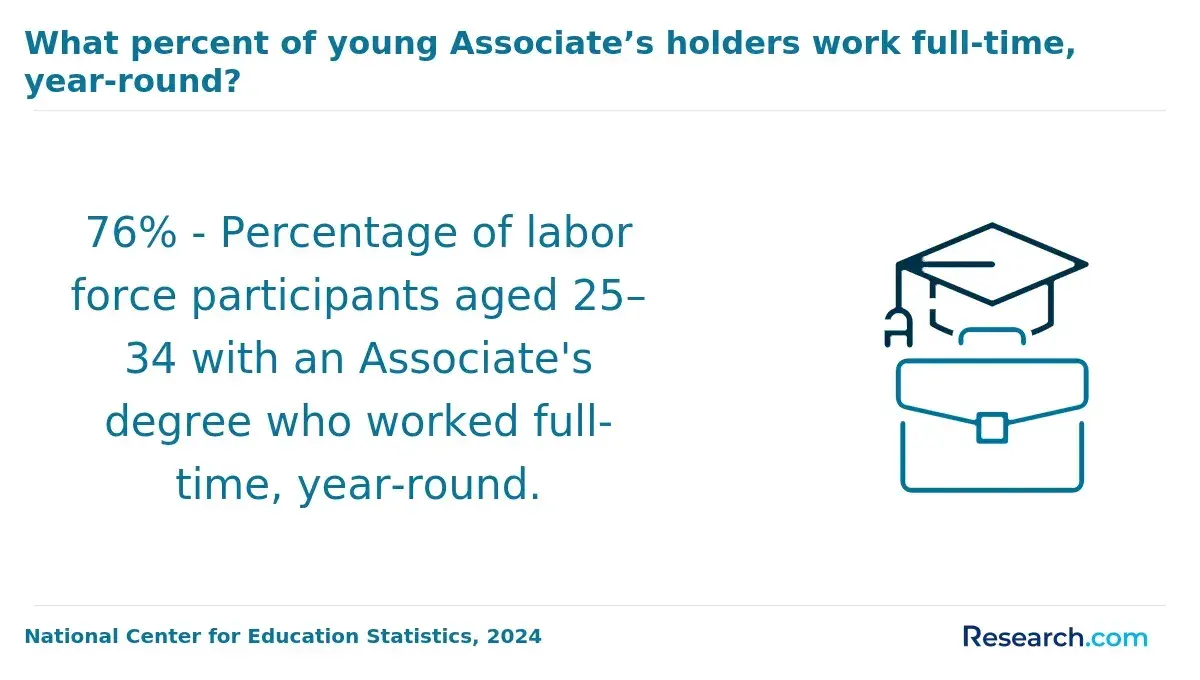
- Associate Degrees: These programs often accept up to 60% of total credits from other institutions. Transfer credits most often apply to general education or elective requirements, while program-specific esports business courses may still need to be completed at the new school.
- Bachelor's Degrees: Transfer acceptance ranges from 50% to 75%, depending on the school. Credits usually apply to lower-division courses, while upper-division major courses may need to be completed through the degree-granting institution.
- Master's and Professional Programs: These graduate-level options tend to be more selective, typically accepting only 15% to 30% transfer credits. Schools often limit transfer at this level because graduate courses are specialized and tied closely to program outcomes.
- Doctoral Programs: Due to the research-intensive nature, transfer credits are rarely accepted. Students generally complete all core and elective work within the institution to maintain program integrity.
- Accelerated Programs: Although designed for quicker completion, these programs often enforce strict credit limits to preserve academic rigor and ensure students complete essential program content.
Before committing to a program, request an official or preliminary transfer-credit evaluation in writing. Ask which credits apply to major requirements, which count only as electives, and which do not apply at all. This distinction matters because elective transfer credits may raise your total earned credits without reducing the number of required major courses left to complete.
When I spoke with a graduate of an esports business degree, she described the transfer process as "a balancing act." She spent significant time coordinating between institutions to confirm which credits applied toward her degree requirements. Transferring elective credits reduced her course load and helped her graduate earlier, but only because she asked detailed questions before finalizing her schedule.
Can Work Experience Count Toward Esports Business Degree Credits?
Some esports business programs allow students to earn credit for documented college-level learning gained through work experience. This process is often called prior learning assessment (PLA), credit for prior learning, or experiential learning credit. It is not credit for simply having a job; it is credit for proving that professional experience matches specific course outcomes.
- Evaluation of Work Experience: Universities may require portfolios, supervisor letters, detailed job descriptions, work samples, performance reviews, certifications, reflective essays, exams, interviews, or faculty review. Relevant experience may include esports management, marketing, event planning, game development, content creation, sponsorship support, community management, team leadership, or tournament operations.
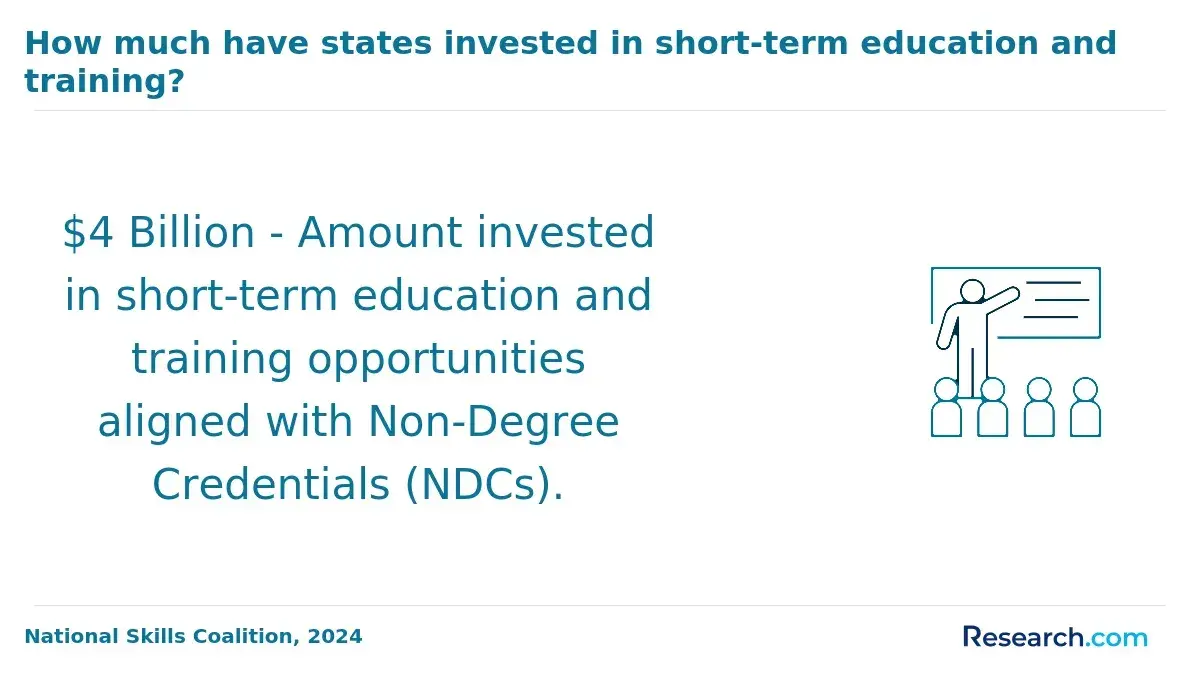
- Limits on Transferable Credits: Most colleges cap credit transfer for esports business degrees at roughly 30 to 50 percent of total degree requirements. These limits help ensure that students complete enough coursework through the institution granting the degree.
- Impact on Degree Completion: Work experience credit policies esports programs use can reduce time-to-degree and tuition costs, but only when documentation is strong and submitted early. Poorly prepared portfolios or late PLA requests can delay approval.
Students should ask whether PLA credits can satisfy major requirements or only electives. This matters because elective credit may help meet total credit requirements, while major credit can reduce the number of esports business courses still needed. Policies vary by institution and modality; both online and campus-based programs may accept PLA credits.
Additionally, students interested in related fields might consider exploring a library master's degree as another example of a program that sometimes accepts credit for professional experience.
Do Licensure Requirements Affect Credit Hours in a Esports Business Degree?
Licensure usually has limited direct impact on esports business degree credit hours because most esports business roles are not regulated occupations that require state licensure. Careers in esports marketing, management, team operations, event coordination, sponsorship, and content strategy typically rely on education, experience, portfolios, internships, and industry relationships rather than formal licensure.
However, credit requirements can be affected if a student combines esports business with a field that has certification, compliance, or regulated practice requirements. Examples may include certain education roles, athletic administration contexts, financial services functions, legal-adjacent compliance work, or other fields where professional credentials matter. In those cases, students may need additional coursework, field experience, or exam preparation that extends the degree plan.
Accreditation can also influence curriculum design. Accredited institutions must document academic quality and learning outcomes, which may affect required coursework, internship expectations, assessment methods, and capstone requirements. These are not the same as licensure requirements, but they can still shape the total number and type of credits a student must complete.
Online students should pay special attention to any required internship, practicum, residency, or hands-on experience. Even when the coursework is online, a program may require local placement, synchronous participation, or approved industry experience. Students should confirm these details before enrolling, especially if they live outside the state where the institution is located.
For students seeking cost-effective options while comparing credit requirements, resources such as the cheapest online bachelor's degree listings can provide a starting point for evaluating affordability, though students should still verify accreditation, program fit, and total completion cost.
How Do Universities Calculate Credits for a Esports Business Degree?
Universities calculate credits based on expected academic workload, not just classroom time. A credit hour represents one hour of lecture time or two to three hours of practical work weekly across a typical academic term, usually about 15 weeks. In esports business programs, credits may come from lectures, discussions, labs, simulations, internships, practicums, capstones, and project-based courses.
- Lectures: These courses typically award one credit hour per hour of weekly instruction. They often cover business fundamentals, esports industry structure, marketing, management, finance, communication, and legal topics. Undergraduate programs usually require between 120 to 150 credits, depending on institutional and program design.
- Labs and Practicums: These courses may require more hands-on time than lecture courses. In esports business, practical credits might involve event production, tournament planning, broadcast support, analytics projects, sponsorship proposals, or simulated team operations.
- Capstone or Project-Based Courses: These courses receive credits based on the combined workload of research, planning, presentations, implementation, and assessment. A capstone may require students to design an esports event, develop a business plan, analyze sponsorship strategy, or solve a real-world organizational problem.
Credit assignments can vary between undergraduate and graduate esports business degrees. Graduate courses usually carry more intensive expectations because students are expected to work at an advanced level, apply theory to complex problems, and produce more independent work. Online programs follow the same credit hour standards but may distribute learning across weekly modules, asynchronous assignments, virtual meetings, and independent projects.
Accreditation bodies and institutional policies help ensure that online and on-campus credits are comparable. This matters for transfer, employer recognition, graduate admission, and overall degree credibility.
Students interested in faster completion options may explore programs like the 1 year master's programs online, which follow credit hour principles while offering accelerated paths in related fields.
How Do Esports Business Degree Credit Requirements Affect Graduation Timelines?
Credit requirements directly determine how long it takes to finish an esports business degree, but the timeline is also shaped by course sequencing, transfer acceptance, term length, enrollment status, and whether required classes are offered every semester. Degree programs in esports business typically require between 120 and 130 total credits, including general education, core esports business classes, and electives.
- Core credit demands: Sequential courses in marketing, management, esports operations, technology, and business strategy may need to be taken in a specific order. If a prerequisite is missed, a student may have to wait until the course is offered again.
- Elective flexibility: Electives can help students specialize, but limited course availability can affect timing. Students should choose electives that advance career goals and fit the graduation plan.
- Transfer credits: Accepted credits from previous institutions can reduce required coursework and shorten the path to graduation. Credits that transfer only as electives may be less helpful than credits that satisfy major or general education requirements.
- Accelerated formats: Condensed semesters, summer sessions, and online terms can help motivated students complete credits faster. The trade-off is a heavier workload and less recovery time between courses.
- Prior learning assessments: Credit for professional experience or nontraditional learning can reduce time to degree completion when the school accepts PLA and the student provides strong documentation.
Online esports business students often benefit from flexible scheduling and accelerated courses, while campus students may benefit from structured advising, peer networks, esports facilities, and in-person experiential learning. Neither format automatically guarantees faster graduation. The deciding factor is whether the student follows a clear degree map and registers for required courses at the right time.
A practical graduation plan should identify remaining credits, prerequisites, transfer credits, required upper-division courses, electives, internship expectations, and the exact term when each course will be taken. Students should review this plan with an advisor before every registration period.
Do More Credits Lead to Better Career and Salary Outcomes for Esports Business Graduates?
More credits do not automatically lead to better jobs or higher pay. Employers usually care more about relevant skills, experience, results, internships, portfolios, industry knowledge, and professional networks than the raw number of credits on a transcript. Extra credits are most valuable when they build a clear specialization or help a student qualify for a specific role.
- Specialized Concentrations: Credits in esports marketing, event management, sponsorship, analytics, digital media, or operations can strengthen a resume when they align with the job a student wants.
- Licensure and Certifications Preparation: Additional coursework connected to certification requirements or professional credential preparation may improve employability in certain career paths, especially when paired with practical experience.
- Technical Skill Development: Credits earned through internships, cooperative education, practicum courses, analytics projects, production work, or applied business projects can help students demonstrate job-ready skills.
- Excessive Non-Specialized Credits: Taking extra courses without a clear purpose can increase cost without improving career outcomes. Employers are unlikely to reward unrelated credits.
- General Electives without Industry Relevance: Electives that do not support esports business, marketing, technology, analytics, management, communication, or operations may have limited career value.
- Labor Market Emphasis on Experience: Employers frequently value proven experience and measurable results more than additional academic credits alone.
The best approach is to choose credits that create a coherent professional profile. For example, a student pursuing esports sponsorship should combine courses in sales, marketing, partnership strategy, analytics, and communication with internship or project experience. A student pursuing operations should prioritize event planning, project management, budgeting, venue logistics, and risk management.
Academic pathways may reward additional credits when they support graduate study, research, or teaching goals. Professional pathways usually reward practical competence, industry contacts, and evidence that a graduate can contribute immediately.
What Graduates Say About The Credit Requirements for Their Esports Business Degree
- Levi: "The flexibility of the online esports business degree allowed me to complete program credits at my own pace, which was essential while balancing work and family. Considering the average cost per credit was reasonable, it made the entire journey affordable without sacrificing quality. Earning extra credits helped me specialize further, significantly advancing my role in esports management."
- Ahmed: "Reflecting on my experience, the cost of the esports business program was surprisingly manageable when you consider the credits required. The online format offered me the freedom to accumulate extra credits without disrupting my demanding job schedule. This flexibility and additional knowledge have opened doors to strategic positions within the esports industry that I hadn't anticipated."
- Christopher: "From a professional standpoint, the esports business degree's credit structure was well worth the investment given the average tuition costs. The online program's capability to earn extra credits enabled me to deepen my expertise and stay competitive in a fast-evolving market. This has had a direct, positive impact on my career growth and opportunities."
Other Things You Should Know About Esports Business Degrees
In 2027, an Esports Business Degree typically requires around 120 credits to complete. This includes a combination of general education, esports-specific, and business-related courses, reflecting a comprehensive curriculum designed to equip graduates with a broad skill set for the esports industry.
Yes, esports business programs often include required credits in complementary disciplines such as marketing, management, finance, and communication. These cross-disciplinary credits provide foundational knowledge necessary to manage esports organizations effectively. The inclusion of these related credits is common and essential for a comprehensive understanding of the esports industry.
Most esports business degrees require 30–45 general education credits in subjects such as English, math, communication, and social science. These credits usually make up about one-third of a 120-credit bachelor’s program and must be completed before upper-division business coursework.
References
- Esports Business Operations https://www.riosalado.edu/degrees-certificates/business-entrepreneurialism-and-management/esports-business-operations-5335-ccl
- Esports.edu: An Inventory and Analysis of Global Higher Education Esports Academic Programming and Curricula https://www.ijesports.org/article/59/html
- Game Business & Esports Bachelor's Degree https://www.fullsail.edu/degrees/game-business-esports-bachelor
- BA (Hons) International Esports Business - University Campus Of Esports https://uces.ac.uk/courses/undergraduate/ba-hons-international-esports-business/
- Esports Business, Certificate https://bulletin.uakron.edu/undergraduate/colleges-programs/business-administration/management/esports-business-certificate/
- esports Degree BSc (Hons) | University of Northampton https://www.northampton.ac.uk/courses/esports-bsc-hons/
- Bachelor of Business Administration and Digital Innovation with Sports and eSports Management in Barcelona https://www.global-business-school.org/programs/bachelor-europe-bachelor-of-business-administration-online/business-bachelor-with-sports-esports-management-in-barcelona/
- Impact of eSports Upon Higher Education From a Faculty Perspective: Transformational Pathways and Opportunities https://www.igi-global.com/viewtitle.aspx
- eSports Business https://www.liverpool.ac.uk/courses/esports-business-msc
- Sports Management & Esports Business https://www.saintpeters.edu/academics/undergraduate-programs/sports-management/bs-in-sports-management-and-accelerated-mba/





