
2027 Which Schools Offer Flexible Start-Anytime Enrollment for an Esports Business Program?

Co-Founder and Chief Data Scientist
Choosing an esports business program is not just about finding a degree with the right title. For many students, the harder question is whether the program can fit around work, caregiving, military service, freelancing, or an unpredictable schedule. That is why start-anytime enrollment has become important in this field, especially for adults who want to enter or advance in esports without waiting months for the next semester.
Flexible enrollment can help students move faster, but it also requires careful planning. Recent studies show that 62% of learners in specialized esports programs seek flexible scheduling options to accommodate their busy lives. A start-anytime format may reduce delays, but students still need to understand admissions rules, transfer-credit reviews, tuition billing, accreditation, employer recognition, and course pacing before committing.
This guide explains how start-anytime esports business programs work, who they serve best, where the trade-offs are, and what questions to ask before enrolling.
Key Benefits of Flexible Start-Anytime Enrollment for a Esports Business Program
- Flexible start-anytime enrollment allows students to begin esports business programs throughout the year, bypassing traditional semester deadlines for immediate course access.
- Unlike fixed academic terms, these programs offer modular scheduling that supports individualized pacing and balances education with professional or personal commitments.
- With online esports business enrollment growing over 20% annually, start-anytime programs particularly benefit working adults and career changers seeking adaptable learning paths.
What Does "Start Anytime" Mean in a Esports Business Program?
In an esports business program, “start anytime” usually means students can begin coursework outside the traditional fall, spring, or summer admission cycle. Instead of waiting for a fixed semester start date, accepted students may gain access to courses shortly after enrollment, depending on the school’s registration, payment, and advising process.
This format is most common in online programs and often pairs with asynchronous coursework. Students may watch lectures, complete assignments, and participate in discussions on a flexible schedule rather than attending live classes at set times. However, “start anytime” does not always mean “finish whenever.” Programs may still use assignment deadlines, module completion windows, prerequisite sequences, or academic progress requirements.
What students should clarify before enrolling
- Actual start date: Ask whether you can begin immediately after admission or only on the next weekly, monthly, or short-term session date.
- Course pacing: Confirm whether classes are fully self-paced, instructor-led, or organized into 4 to 8 week modules.
- Support availability: Advising, tutoring, technical support, and financial aid offices may operate on standard business timelines even if coursework is flexible.
- Academic deadlines: Flexible access does not eliminate deadlines for assignments, payment, withdrawal, or satisfactory academic progress.
The benefit is control: students can begin when they are ready instead of building their plans around an academic calendar. The trade-off is responsibility. Without a cohort schedule, students need strong time management and a clear weekly study routine. Students comparing flexible education models may find it useful to look at how other online fields handle pacing and access, including online SLP master's programs.
What Are the Admission Requirements for Start-Anytime Esports Business Programs?
Admission requirements for start-anytime esports business programs are usually designed to reduce unnecessary barriers while still confirming that students are ready for college-level work. The exact requirements vary by school and credential level, but applicants should expect to provide proof of prior education and, in some cases, documents showing professional goals or relevant experience.
- Prior Education: A high school diploma or its equivalent is generally required. Degree-completion or bachelor’s-level programs may also request transcripts from any colleges previously attended.
- GPA Expectations: Many programs ask for a minimum GPA around 2.0 to 2.5, though some waive this requirement if candidates have relevant professional experience.
- Standardized Tests: Tests like the SAT or ACT are usually not required, which can make these programs more accessible to adult learners and career changers.
- Professional Experience: Experience in gaming, business, marketing, event operations, content creation, sales, or management can strengthen an application, particularly when the applicant’s academic record is older or uneven.
- Supporting Documents: Applicants may need to submit a resume, statement of purpose, and occasionally recommendation letters. These materials help schools assess motivation, communication skills, and career fit.
The main advantage of flexible admissions is speed. Students can often apply when they are ready instead of waiting for a narrow admissions window. The main risk is assuming that “open” or “rolling” admission means automatic acceptance. Students should still verify transcript requirements, technology expectations, placement policies, and any prerequisites before making financial commitments.
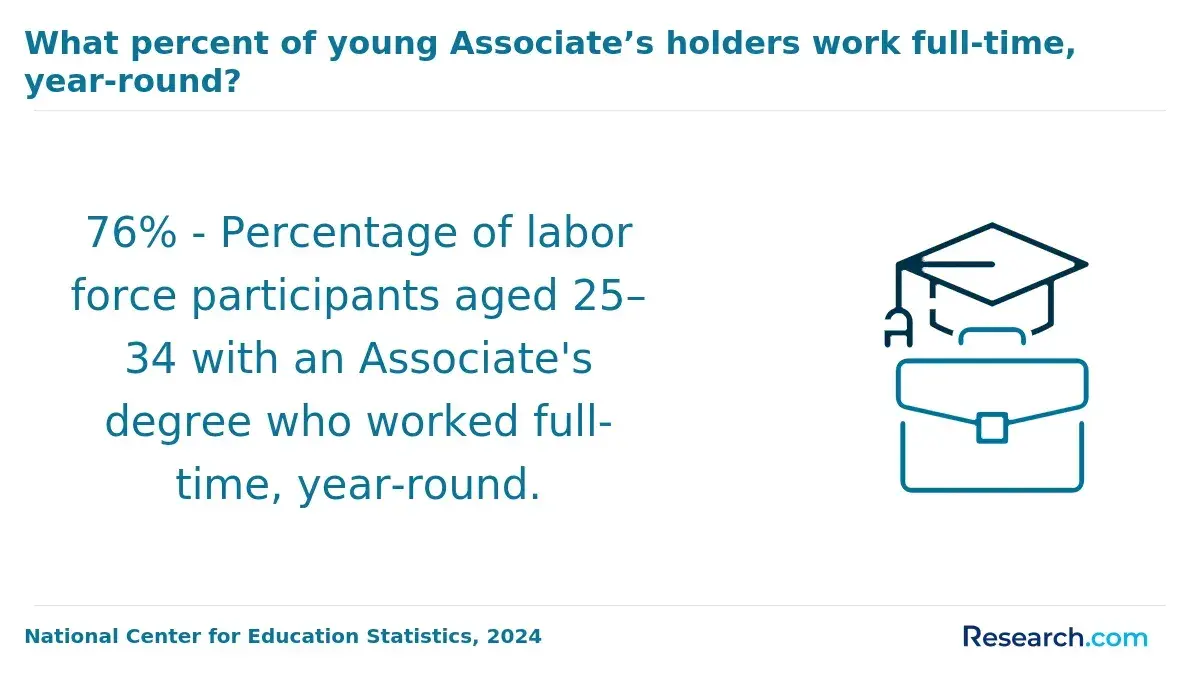
This shift toward flexible enrollment is visible across many career-focused online fields. Similar patterns appear in accredited online counseling programs and other professional programs, where rolling admissions have grown by 16% since 2020 according to the National Center for Education Statistics.
Can Transfer Students Enroll Immediately in Start-Anytime Esports Business Programs?
Transfer students may be able to apply and be admitted quickly, but immediate course access depends on how fast the school evaluates prior credits and confirms the student’s remaining degree requirements. In practice, “start anytime” is often simpler for first-time students than for transfer students because transfer records require academic review.
- Credit evaluation timeline: Institutions review previous coursework for content, credit hours, grades, and institutional accreditation. This review often requires several weeks and may delay the first course registration.
- Prerequisite requirements: Prior business, marketing, or management courses may not automatically satisfy esports-specific requirements. Missing prerequisites can affect which course a student can take first.
- Application deadlines: Even when a program advertises rolling admissions, transfer applicants may face document deadlines for official transcripts, syllabi, or transfer forms.
- Enrollment eligibility policies: Some schools require students to complete a minimum number of credits through the institution before awarding a degree, which can affect course planning and time to completion.
How transfer students can avoid delays
- Request official transcripts before submitting the application, not after acceptance.
- Ask whether unofficial transcripts can be used for a preliminary review.
- Save syllabi from prior business, marketing, accounting, communications, or management courses.
- Confirm which credits apply to general education, electives, major requirements, and prerequisites.
A graduate of an esports business degree program described the transfer process as flexible but not instant. She said the credit evaluation took about three weeks longer than expected: “I submitted all my transcripts immediately, but waiting for approval meant I couldn't start right away.” She also noted that aligning previous business courses with esports-specific prerequisites required additional advising. Her takeaway was practical: “You can enroll quickly, but immediate start depends heavily on how your credits and applications line up.”
Are Start-Anytime Esports Business Programs Offered in Both Online and On-Campus Formats?
Start-anytime esports business programs are most commonly offered online. On-campus programs may provide flexible admissions in some cases, but physical classroom schedules, facility availability, and campus calendars usually make true immediate enrollment harder to offer.
| Format | How start-anytime enrollment usually works | Best fit | Potential drawback |
| Online | Students may begin during rolling, monthly, weekly, or modular start dates, often with asynchronous coursework. | Working adults, career changers, remote learners, and students with irregular schedules. | Requires self-direction and may offer less face-to-face networking. |
| On-campus | Programs usually follow semester or quarter calendars, even if admissions decisions are rolling. | Students who want in-person networking, campus events, labs, or structured class meetings. | Less flexibility because of fixed class times, commuting, and campus-based scheduling. |
| Hybrid | Some coursework may be online, while selected meetings, projects, or events happen in person. | Students who want flexibility but still value occasional campus engagement. | May still require travel or attendance during specific dates. |
Online delivery is often the strongest match for start-anytime enrollment because esports business coursework can include digital marketing, sponsorship strategy, event planning, analytics, content operations, and management projects that do not always require a physical classroom. However, students should not assume online means isolated. A strong program should still provide instructor access, career services, project feedback, and opportunities to build a portfolio.
Universities like Full Sail and Southern New Hampshire are noted for their rolling admissions and online esports business offerings, making them examples students may encounter when researching flexible options. Before applying, students should verify whether the program’s start dates apply to all courses or only to general admission.
How Does a Start-Anytime Esports Business Program Structure Academic Terms and Course Modules?
Start-anytime programs usually replace long traditional semesters with shorter academic terms or modular courses. This structure helps students begin sooner and focus on fewer subjects at once, but it can also make courses feel faster and more intensive.
- Term schedules: Programs use rolling start dates year-round, allowing students to begin at multiple points instead of waiting for a single semester launch.
- Modular course design: Courses are often divided into focused modules lasting 4 to 8 weeks. Each module typically covers a defined topic, skill set, or project milestone.
- Pacing options: Some programs allow students to accelerate by taking overlapping modules, while others limit course loads to protect academic performance. Students may also be able to pause between terms, depending on school policy.
- Curriculum progression: Modules often build from general business foundations toward esports-specific topics such as esports marketing, sponsorship, event management, audience development, and team or organization operations.
Why module structure matters
Short modules can help students make steady progress, but they compress reading, assignments, discussions, and projects into a narrower window. A student who works full time should ask how many hours per week each course typically requires and whether major projects are due near the end of every module. The right structure should support momentum without forcing students into an unrealistic pace.
How Do Tuition Payment Schedules Work for Start-Anytime Esports Business Programs?
Tuition billing in start-anytime esports business programs is often tied to terms, modules, or individual courses rather than a traditional full semester. This can make costs easier to manage, but students must pay close attention to due dates because flexible academic calendars may also mean more frequent billing cycles.
- Per-term billing: Tuition is charged at the beginning of each term, which typically lasts between four and eight weeks. This can reduce the need to pay for a long semester upfront.
- Per-module payment plans: Costs may be broken into smaller amounts aligned with individual courses or certifications, allowing students to pay as they progress.
- Installment options: Students may be able to divide tuition for a term or module into multiple payments spread over weeks or months.
- Payment deadlines: Deadlines are usually set shortly after enrollment in each segment. Missing a deadline can affect course access, registration, or account standing.
Students should ask whether tuition is charged by credit, course, term, subscription period, or program. They should also confirm whether fees for technology, textbooks, software, graduation, portfolio tools, or esports-related platforms are included in the stated tuition. Flexible billing is helpful only when the full cost is transparent.
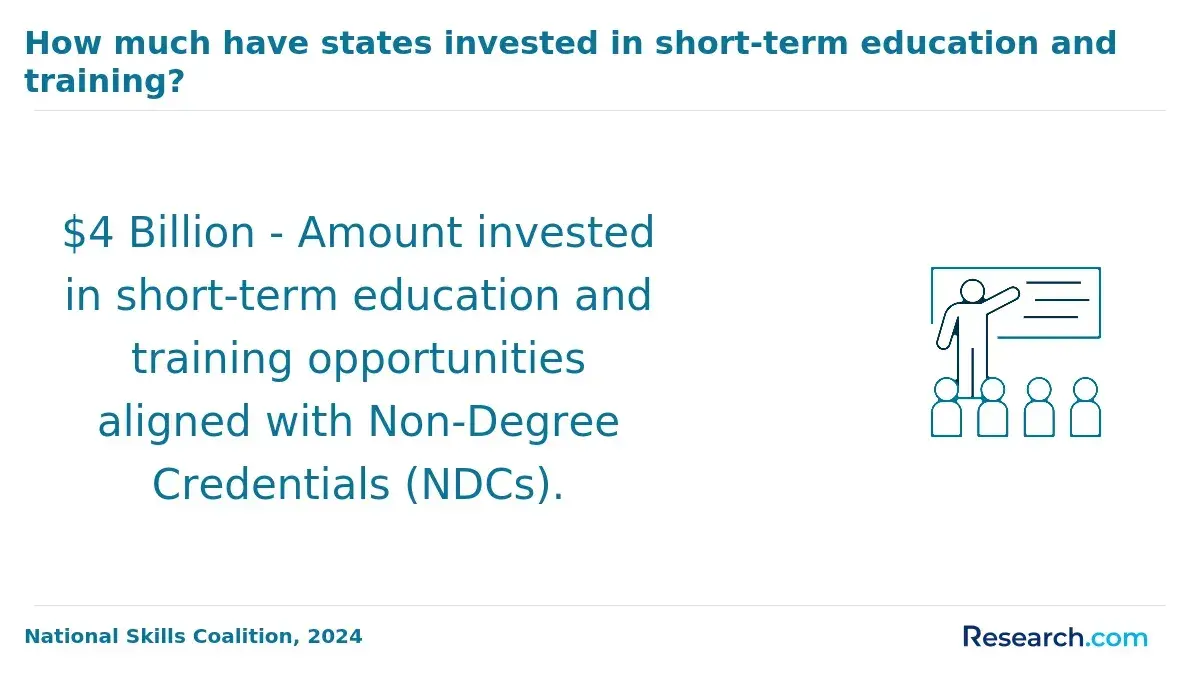
Research shows that flexible tuition schedules in esports business education can serve adult learners who are balancing school with other responsibilities. A 2023 report from the Online Learning Consortium found that over 65% of institutions with flexible start dates offer some installment payment options. Students comparing flexible education financing models can also review this PhD organizational leadership resource.
Do Start-Anytime Esports Business Programs Accept Transfer Credits?
Many start-anytime esports business programs accept transfer credits, but acceptance is not automatic. Schools evaluate whether previous coursework matches their academic standards, degree requirements, and curriculum sequence. For students with prior college experience, the transfer-credit decision can significantly affect cost, time to completion, and the first courses they are allowed to take.
- Evaluation Process: Transcripts are reviewed for course content, grades, credit value, and the accreditation status of the previous institution. Some schools request syllabi or course descriptions for older or specialized coursework.
- Transfer Credit Limits: Many programs restrict the number or percentage of credits that can be transferred, typically allowing between 50% and 75% of the total program credits to come from external sources.
- Prerequisite Restrictions: Some credits may count as electives but not satisfy core esports business requirements. This distinction matters because major courses often need to be completed in sequence.
- Impact on Enrollment and Scheduling: Rolling admissions may allow a student to enter quickly, but final course placement may depend on which credits are accepted and which requirements remain.
A student who switched from a traditional business program to a start-anytime esports business degree said the process required detailed coordination with the registrar. “I had to submit detailed syllabi for each course to show equivalency,” he explained, “and some credits didn't count toward major requirements, which was frustrating.” He still valued the flexible model because “being able to start any week made balancing work and study easier, even if I had to retake a few foundational classes.”
The lesson for transfer students is clear: apply early, submit complete records, and request a written degree plan before enrolling in courses. A generous transfer policy is useful only if accepted credits apply to the requirements that matter.
Are Start-Anytime Esports Business Degree Programs Accredited?
Some start-anytime esports business degree programs are accredited, but students should verify accreditation at the institution and program level before enrolling. Accreditation is one of the most important quality checks because it affects credit transfer, graduate school options, financial aid eligibility, and how employers may interpret the credential.
Most reputable esports business programs are offered by institutions with regional accreditation. Specialized esports accreditation is still limited, so students should not rely on the esports label alone. Instead, they should confirm that the school is recognized by an accrediting agency accepted by appropriate higher education authorities and that the credential is clearly listed in official academic materials.
How to check accreditation
- Search the institution’s accreditation page and confirm the accreditor name.
- Verify the school in an official accreditation database rather than relying only on marketing pages.
- Ask whether the specific degree, concentration, or certificate is covered under the institution’s accreditation.
- Confirm whether credits are likely to transfer if you later change schools.
Students should be cautious with programs that emphasize speed, celebrity partnerships, gaming culture, or industry buzz while providing vague accreditation information. A flexible start date is valuable only when the credential itself has academic legitimacy.
Do Employers Respect Start-Anytime Esports Business Degrees?
Employers are less concerned with whether a degree started in August, January, or a rolling module than with whether the program is credible and whether graduates can do the work. A start-anytime format can be respected when the institution is accredited, the curriculum is rigorous, and students graduate with relevant business skills and evidence of applied learning.
Employer recognition is still a valid concern because esports is competitive and relationship-driven. Flexibility in enrollment is increasingly common, with a notable 35% year-over-year rise in professionals seeking adaptable learning paths. That shift can help normalize flexible degrees, but it does not remove the need to choose carefully.
- Accreditation: Programs accredited by recognized agencies carry more weight with employers. According to the Council for Higher Education Accreditation (CHEA), accreditation helps show that coursework and outcomes meet academic standards, regardless of flexible start dates.
- Industry Standards: Employers tend to value skills in event management, marketing, sponsorship, sales, community engagement, content strategy, and digital media analytics.
- Skills Gained: Practical competencies matter. Internships, capstone projects, campaign plans, event proposals, sponsorship decks, analytics reports, and portfolios can make a flexible degree more persuasive.
- Professional Reputation: A program connected to credible faculty, relevant projects, career support, and transparent outcomes is more likely to be viewed positively.
- Flexible Learning Demand: Start-anytime programs can help working professionals upskill without leaving employment, which may be attractive to employers that value continuous learning.
Students should look beyond the enrollment model and evaluate the total signal the degree sends: accredited institution, relevant coursework, applied experience, and a clear career story. Those comparing cost-effective flexible credentials in other fields may also review the cheapest online EdD programs as a reference point for accredited online education options.
What Factors Should Students Consider When Choosing a Start-Anytime Esports Business Program?
The best start-anytime esports business program is not simply the one that lets students begin fastest. It is the one that combines flexibility with academic quality, realistic pricing, transferable value, and a curriculum aligned with the student’s target role.
- Accreditation: Confirm whether the institution holds regional or national accreditation. This affects credit transfer, financial aid eligibility, and the long-term usefulness of the credential.
- Program format and pacing: Flexible, asynchronous online formats can benefit working adults and career changers. Research shows that over 65% of adult learners favor online or hybrid models that fit their schedules.
- Credit transfer policies: Ask how previous academic credits or relevant professional experience may apply. About 38% of returning adult students use transfer credits, so this policy can directly affect total cost and completion time.
- Cost and financial aid: Review tuition, fees, payment plans, refund policies, scholarships, and aid eligibility. A flexible program can still become expensive if costs are unclear or aid does not apply to nontraditional terms.
- Employer recognition: Look for curricula that match esports business roles, including marketing, partnerships, event operations, analytics, entrepreneurship, and organization management.
- Alignment with career goals: A student interested in esports marketing needs different projects and electives than someone focused on venue operations, team management, content monetization, or startup leadership.
Questions to ask before enrolling
- When can I actually start my first course after admission?
- Is the program self-paced, instructor-led, or cohort-based?
- How many hours per week should I expect per course?
- Will my transfer credits apply to major requirements or only electives?
- What career services are available to online or start-anytime students?
- What portfolio, internship, capstone, or applied project opportunities are included?
Students comparing esports business with broader online business pathways may also want to review affordable business degrees online to understand how costs, formats, and curriculum options differ across related programs. For a wider view of flexible options, this guide to the best degrees to get online can also help students compare online credentials by practicality and career fit.
What Graduates Say About Flexible Start-Anytime Enrollment for a Esports Business Program
- Levi: "Discovering an esports business degree program with start-anytime enrollment was a game changer for me. The flexibility allowed me to balance work and studies without pressure, and the average cost of around $20,000 made it an affordable investment. Now, I'm confidently managing marketing campaigns for esports teams, and I owe much of my growth to this degree."
- Medea: "I initially hesitated about enrolling in an esports business program, but the option to start anytime eased my worries. The program's cost was reasonable-close to $18,000-and the curriculum was tailored to real industry demands. Reflecting back, this degree elevated my professional skill set and opened doors to strategic roles in esports management."
- Tophie: "Choosing an esports business program with flexible start dates fit perfectly with my unpredictable schedule. Knowing the cost would be near $19,000 helped me plan financially. Professionally, this degree sharpened my understanding of the esports market, enabling me to take on leadership roles that require both business acumen and industry insight."
Other Things You Should Know About Esports Business Degrees
Flexible start-anytime esports business programs provide career-focused learning in 2027 by allowing students to progress at their own pace. This flexibility helps students balance work and study, ensuring they can complete practical projects and networking opportunities crucial for a successful career in the rapidly evolving esports industry.
Most start-anytime esports business programs require a laptop or desktop running current Windows or macOS, a stable broadband connection of at least 10 Mbps download, a webcam, a microphone, and access to Google Workspace or Microsoft 365 for coursework, meetings, and file submissions.
Flexible start-anytime esports business programs often accommodate part-time study by allowing students to select fewer courses per term and start at multiple points throughout the year. This flexibility helps students balance professional and personal responsibilities while progressing steadily toward their degree. Part-time enrollment options are common and supported, especially in programs designed for working adults.
Students enrolled in flexible start-anytime esports business programs are typically eligible for federal financial aid and many institutional scholarships, similar to traditional programs. However, the timing and disbursement of aid might differ due to the nonstandard term schedules. Prospective students should consult the school's financial aid office to understand specific deadlines and requirements.
References
- Game Business & Esports Undergraduate Certificate https://www.fullsail.edu/degrees/game-business-esports-certificate
- Our Courses - College Of Esports | University Degrees in the business of Esports https://collegeofesports.ac.uk/courses/
- Management Courses Bet on Esports’ Growth https://www.mba.com/business-school-and-careers/why-business-school/management-courses-bet-on-esports-growth
- Transfer Credit Options https://online.champlain.edu/admission/transfer-credit-options
- 8 Ways to Get Started with Esports -- Campus Technology https://campustechnology.com/articles/2020/01/09/8-ways-to-get-started-with-esports.aspx
- eSports https://www.liscademy.com/blog/esports
- The Business of Esports Certificate https://algomau.ca/academics/certificates/the-business-of-esports-certificate/
- How to start an eSports team (What You Must Know) | by Stadiatalks | Medium https://medium.com/@stadiatalks/how-to-start-an-esports-team-what-you-must-know-947dfeb907ca
- Transfer https://www.fit.edu/admissions/applying/transfer/


